Boeing spacecraft astronauts see new frontier for commercial space
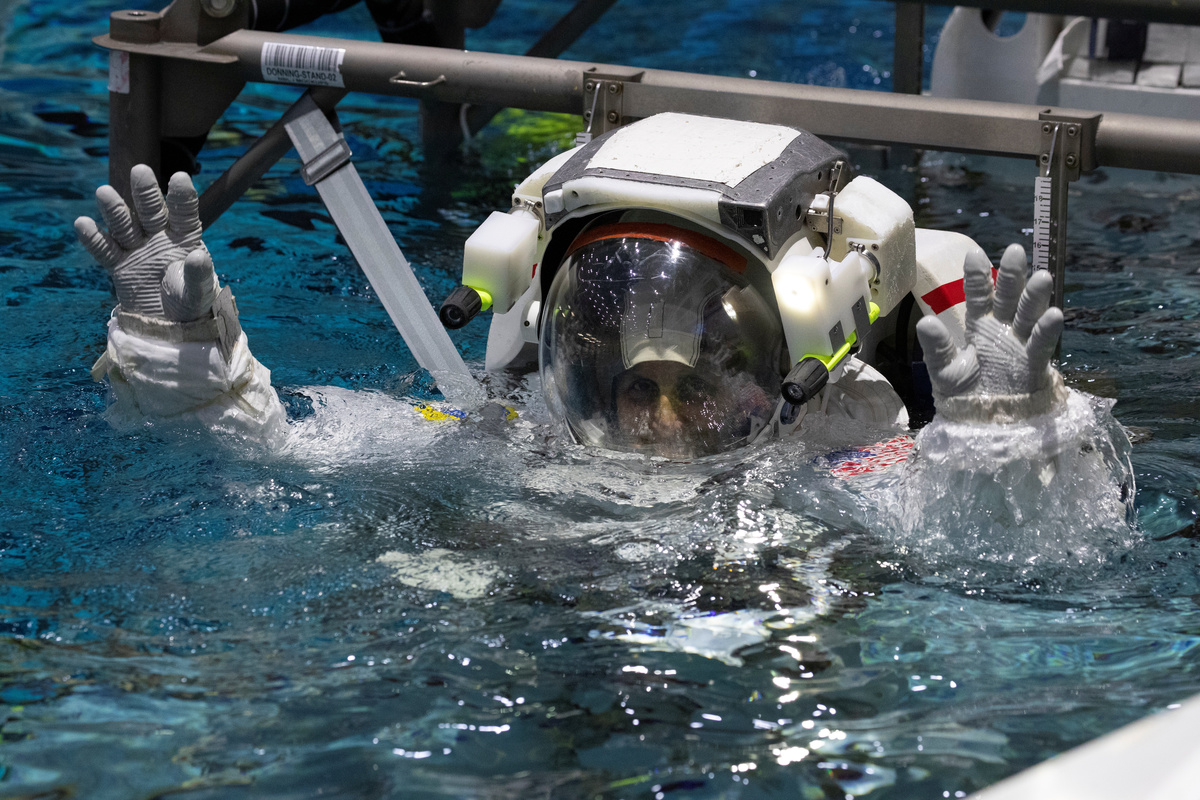
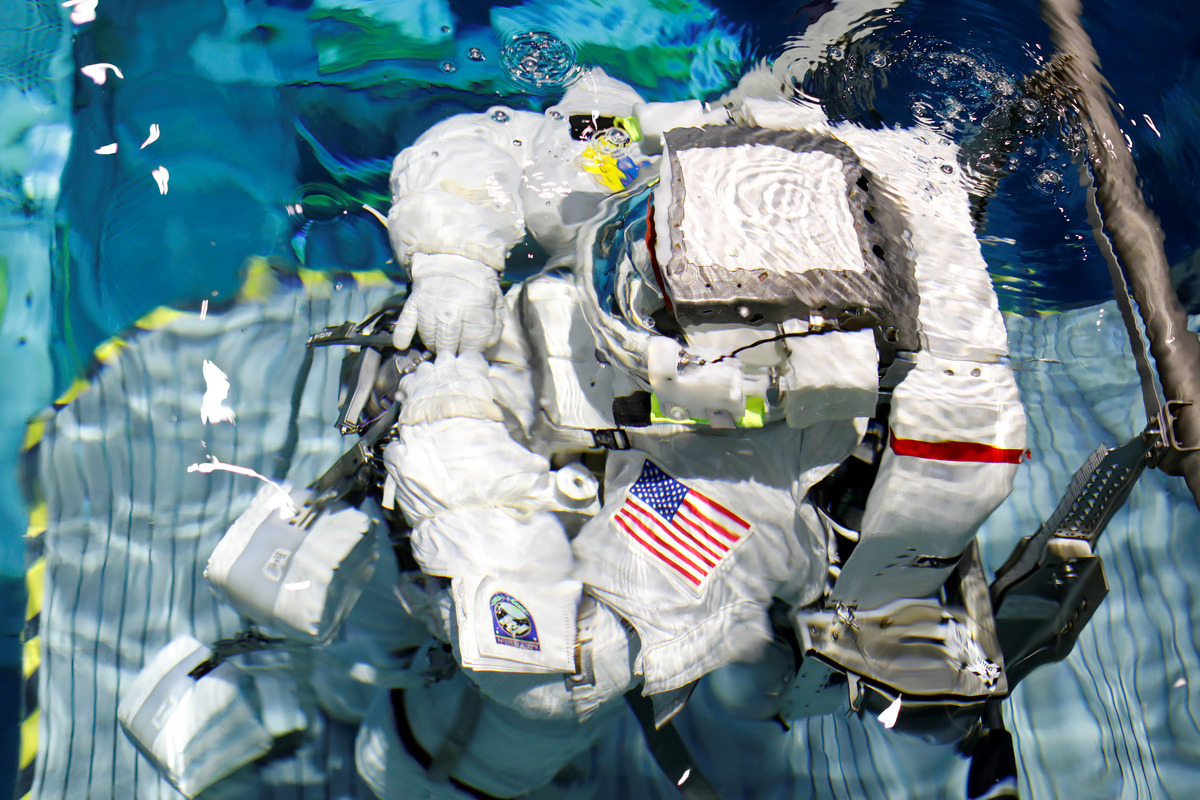
NASA Commercial Crew astronauts Sunita Williams and Josh Cassada are seen lowered into the water at NASA's Neutral Buoyancy Laboratory (NBL) training facility near the Johnson Space Center in Houston, Texas, U.S., July 1, 2019. REUTERS/Mike Blake
HOUSTON (Reuters) - A crew of veteran U.S. astronauts and aviators are training in Houston for a manned mission to the International Space Station aboard Boeing's new Starliner spacecraft, which could also be used to take tourists into space on future missions.
The Boeing Starliner mission was originally scheduled for this month, but that has been delayed to at least the end of the year or into 2020 due to technical issues and amid a shakeup in the top echelons of the space agency.
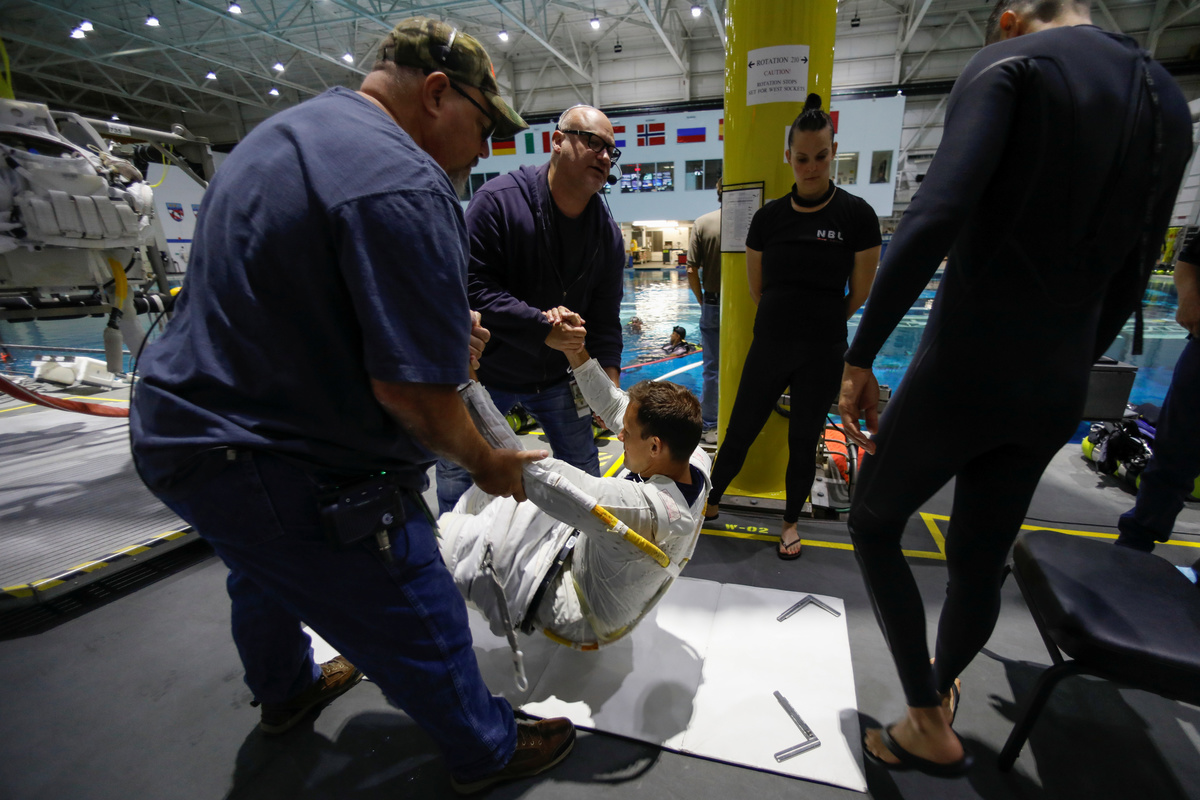
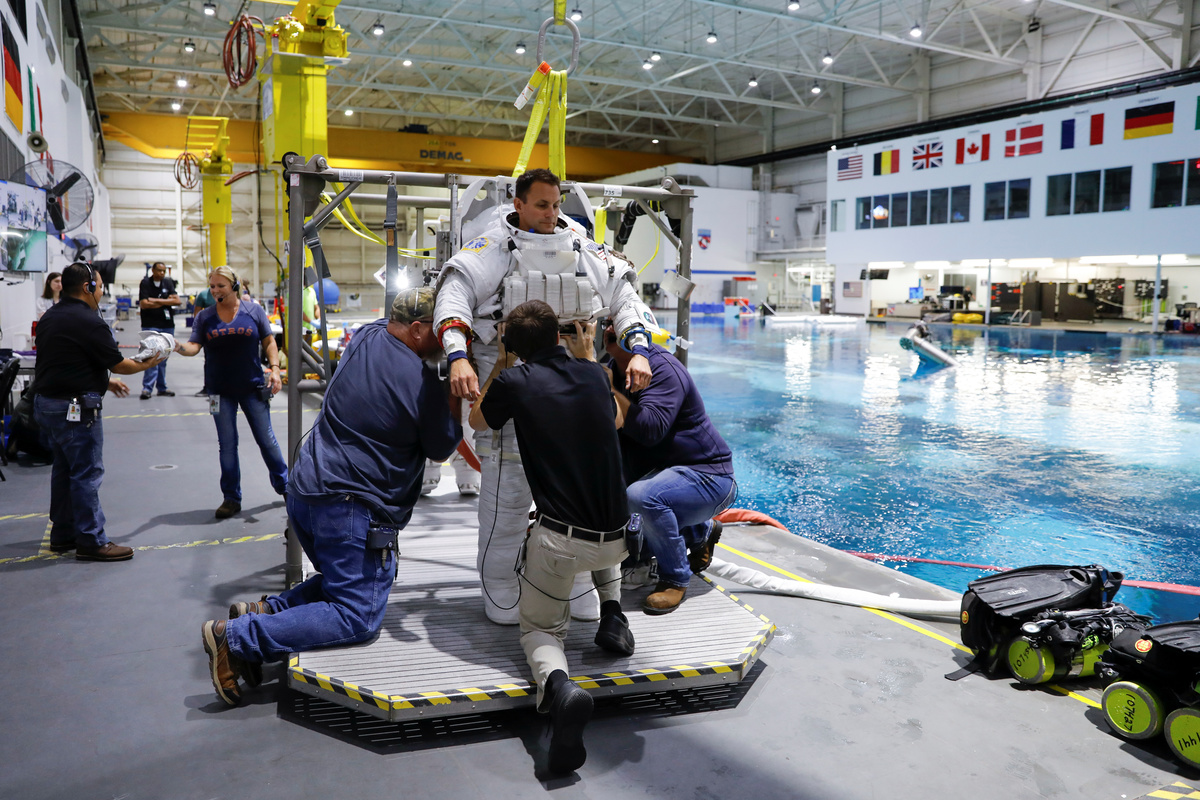
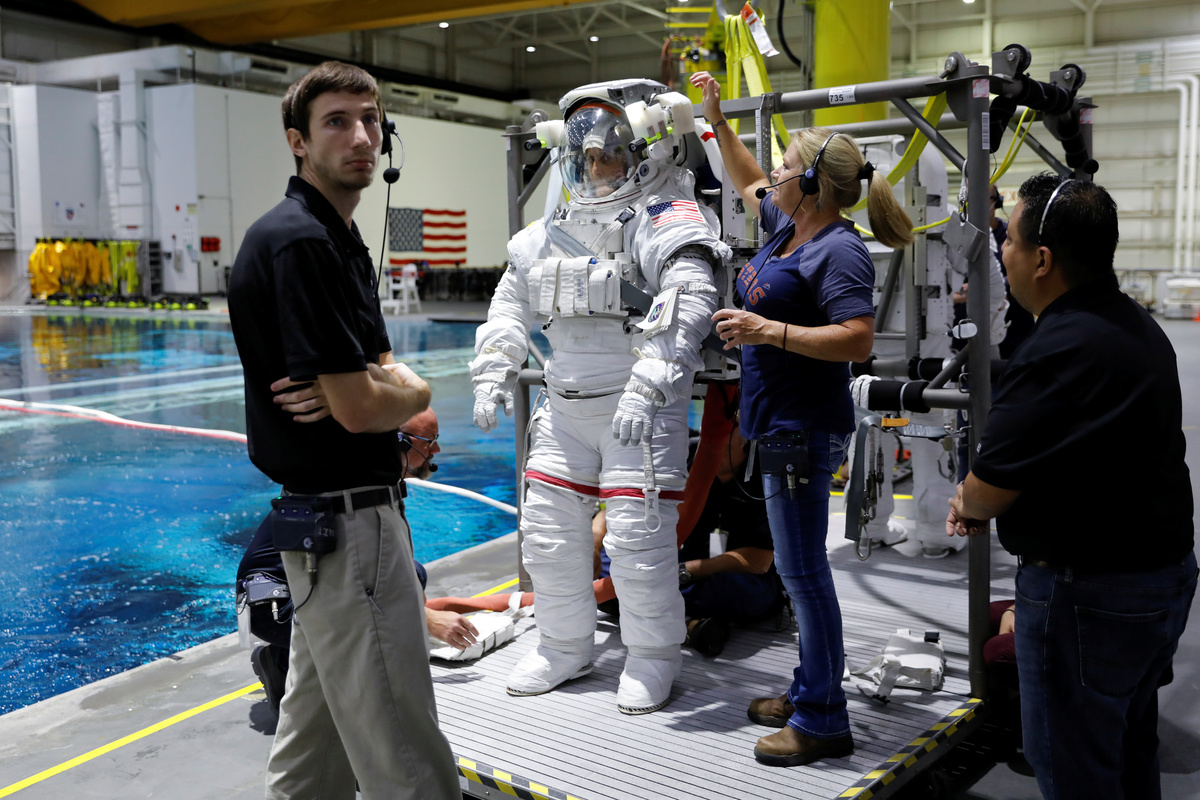
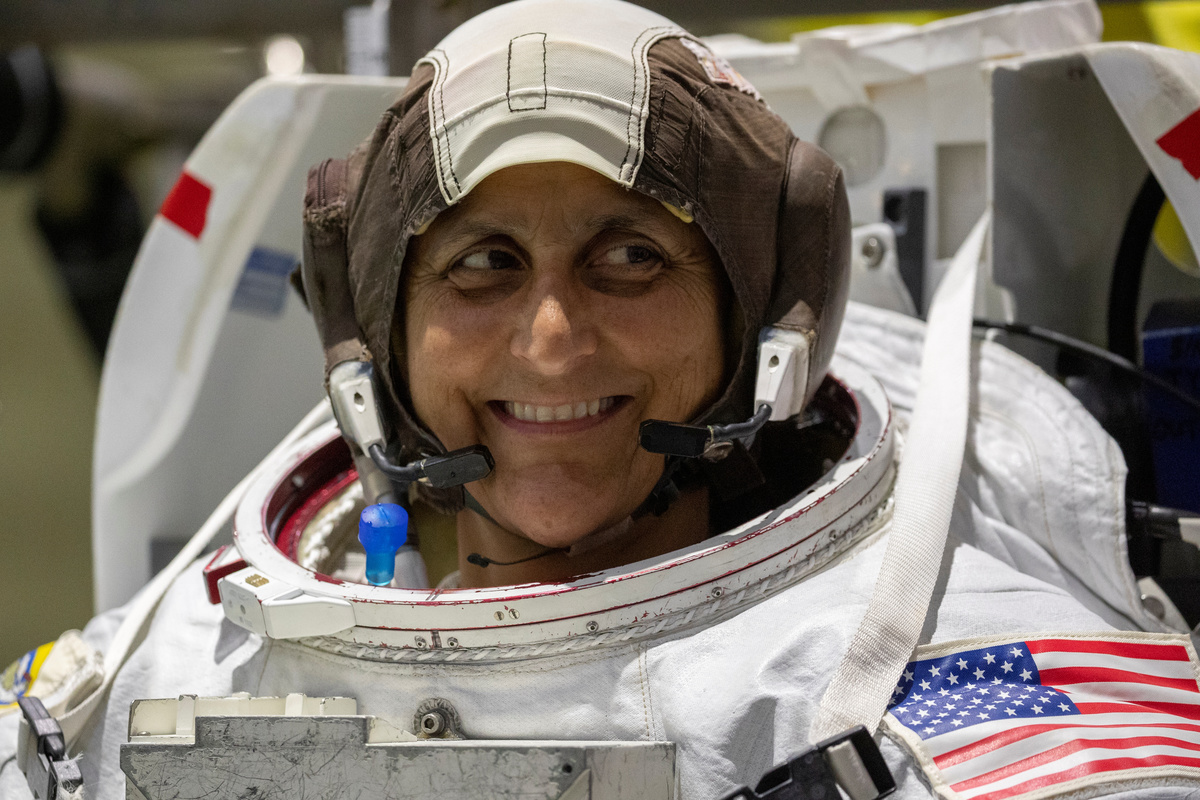
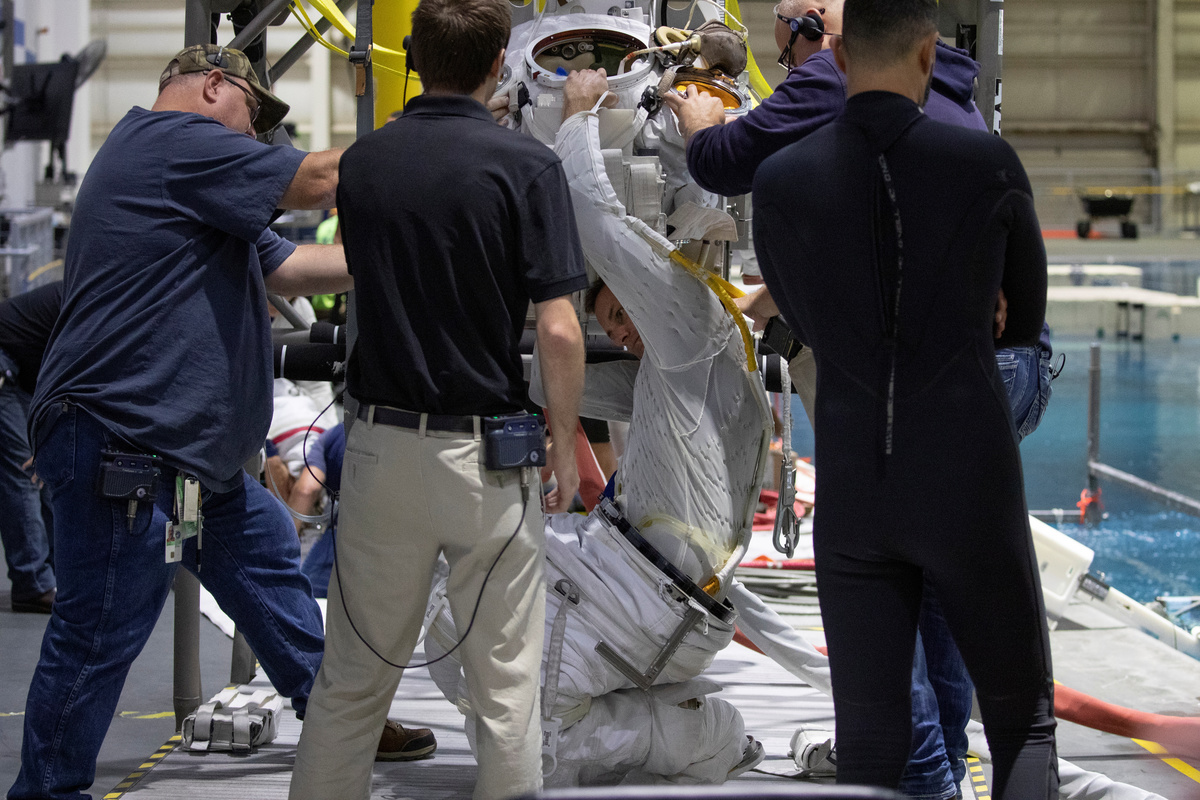
NASA Commercial Crew astronaut Sunita Williams is helped to get into her space suit at NASA's Neutral Buoyancy Laboratory (NBL) training facility near the Johnson Space Center in Houston, Texas, U.S., July 1, 2019. REUTERS/Mike Blake
Boeing <BA.N> and rival Elon Musk's SpaceX are competing with each other to become the first private company to resume human space flight from U.S. soil after the space shuttle program ended in 2011.
The companies, with cutting-edge technology, are among those poised to benefit most from the enormous growth opportunities many see in the world's burgeoning commercial space industry.
NASA has been relying for years on Russian rockets and spacecraft to transport personnel to the space station. The $100 billion science and engineering laboratory, orbiting 250 miles (400 km) above Earth, has been permanently staffed by rotating crews of astronauts and cosmonauts since November 2000.
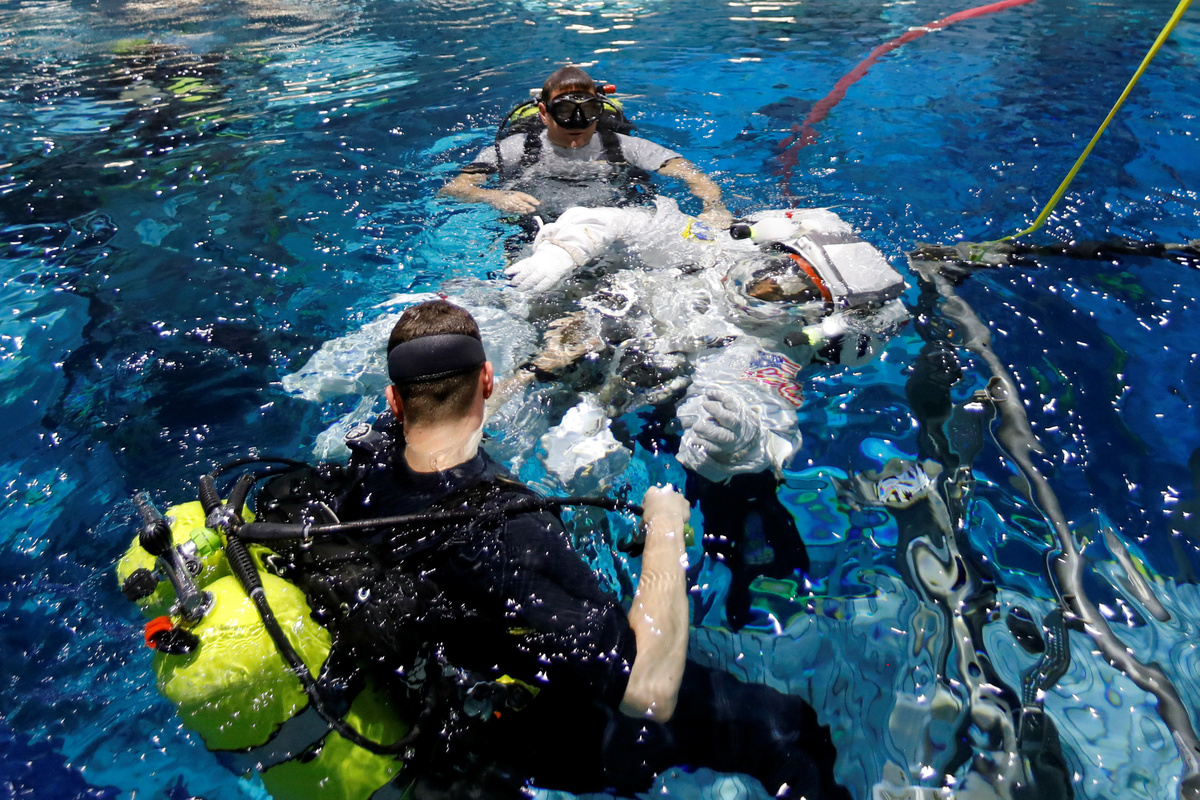
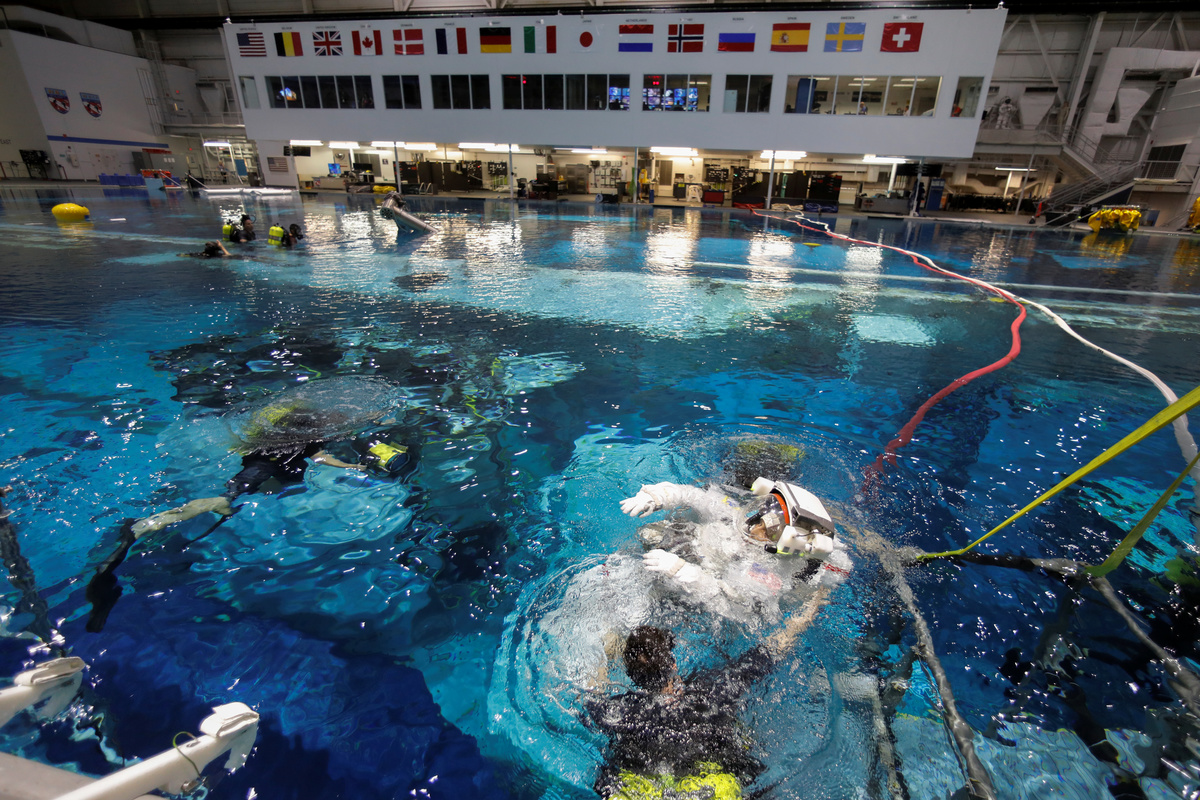
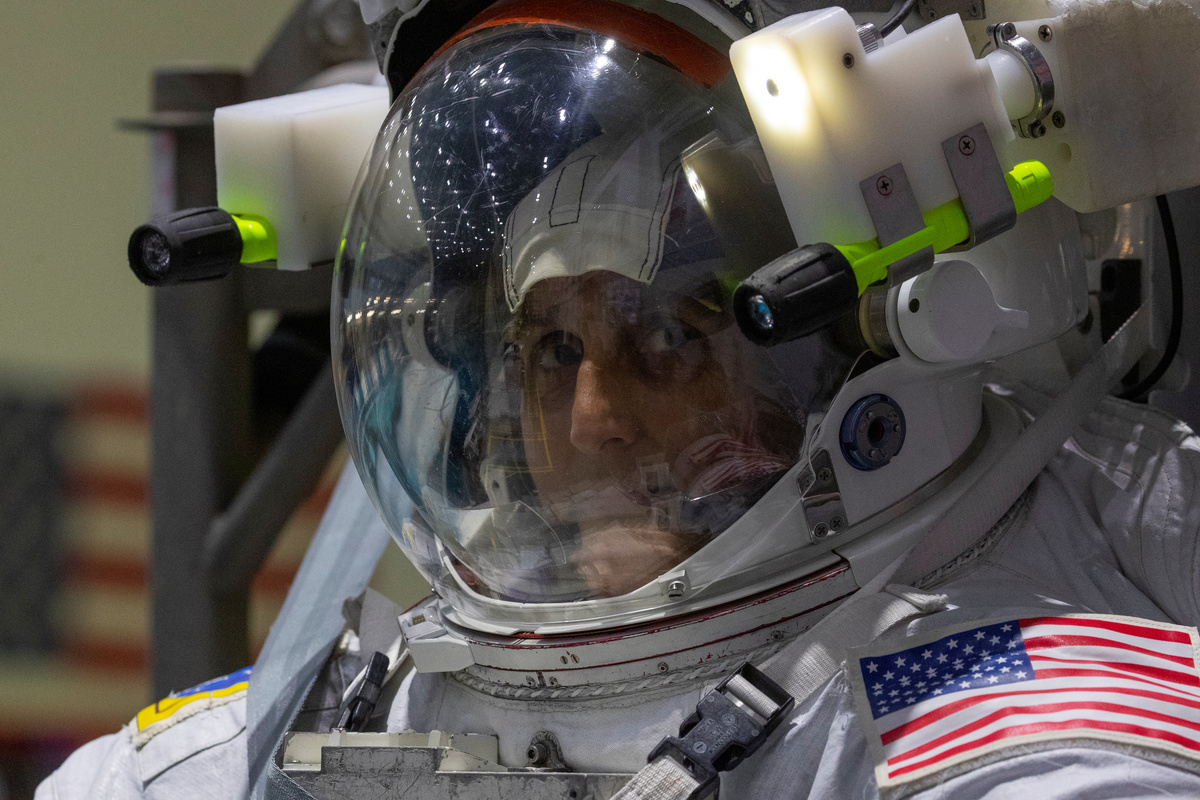
NASA Commercial Crew astronaut Sunita Williams is lowered into the water at NASA's Neutral Buoyancy Laboratory (NBL) training facility near the Johnson Space Center in Houston, Texas, U.S., July 1, 2019. REUTERS/Mike Blake
NASA is paying SpaceX and Boeing nearly $7 billion combined to build rocket-and-capsule launch systems for ferrying astronauts to the space station.
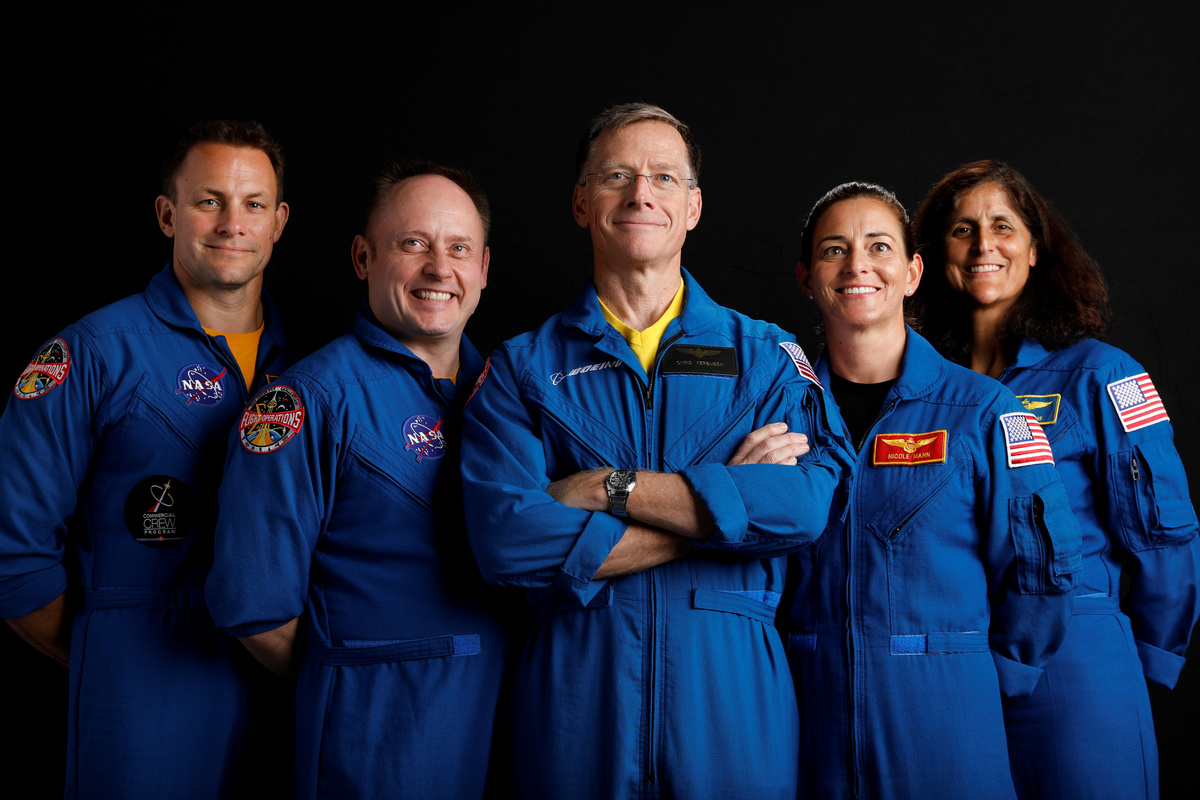
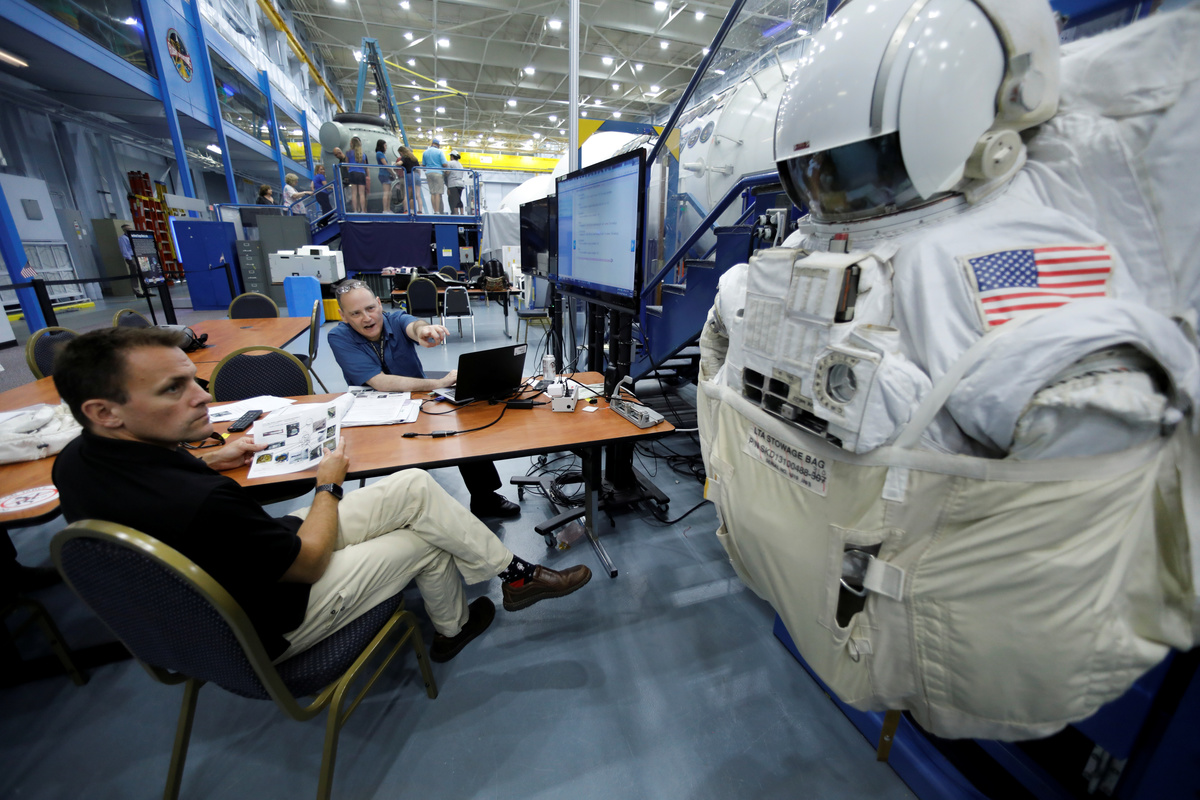
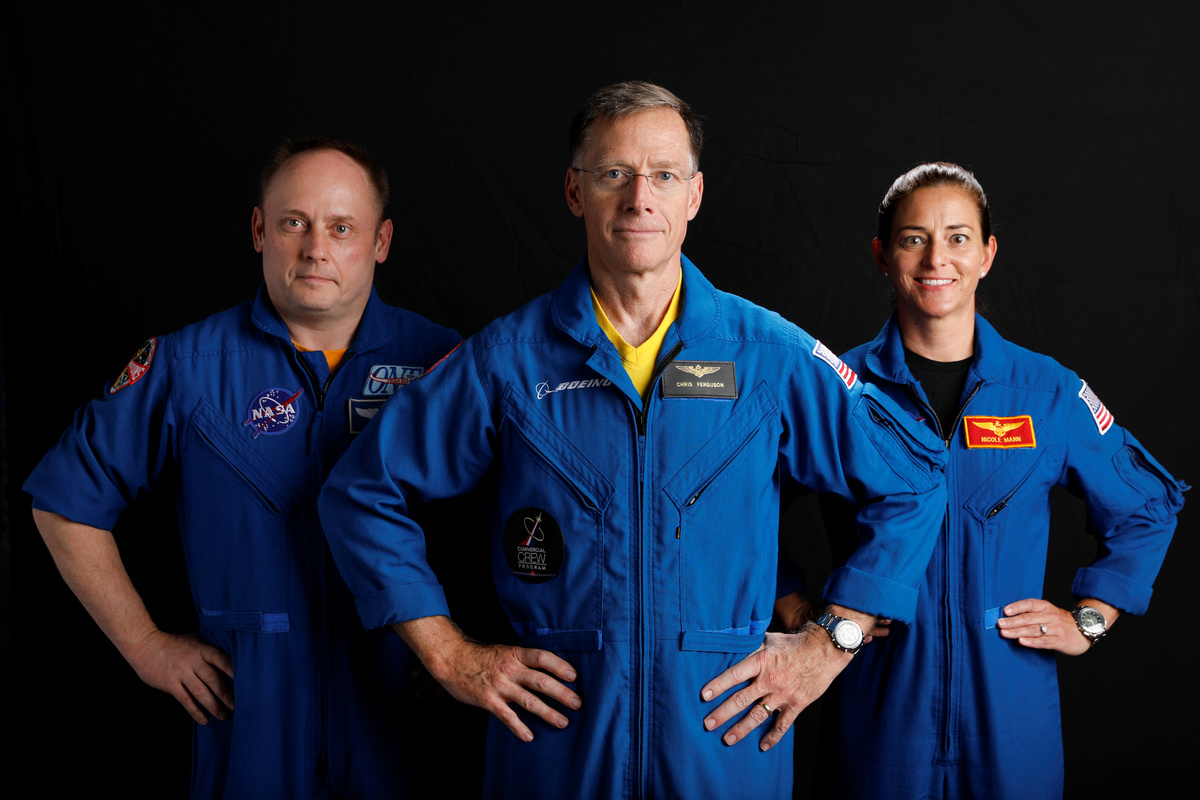
Reuters was given rare access at Houston's Johnson Space Center to NASA astronauts Nicole Mann and Mike Fincke, and Boeing astronaut and test pilot Christopher Ferguson, who will crew the ISS mission, along with other astronauts training for future missions.
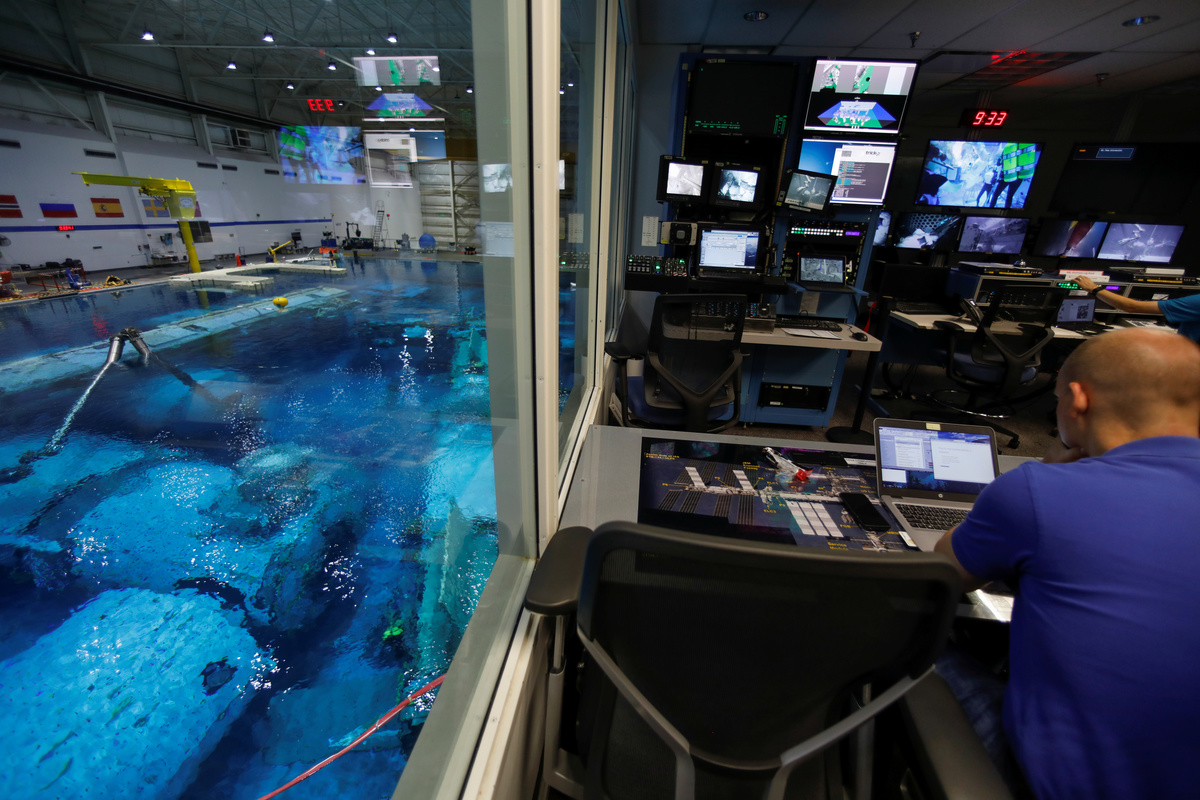
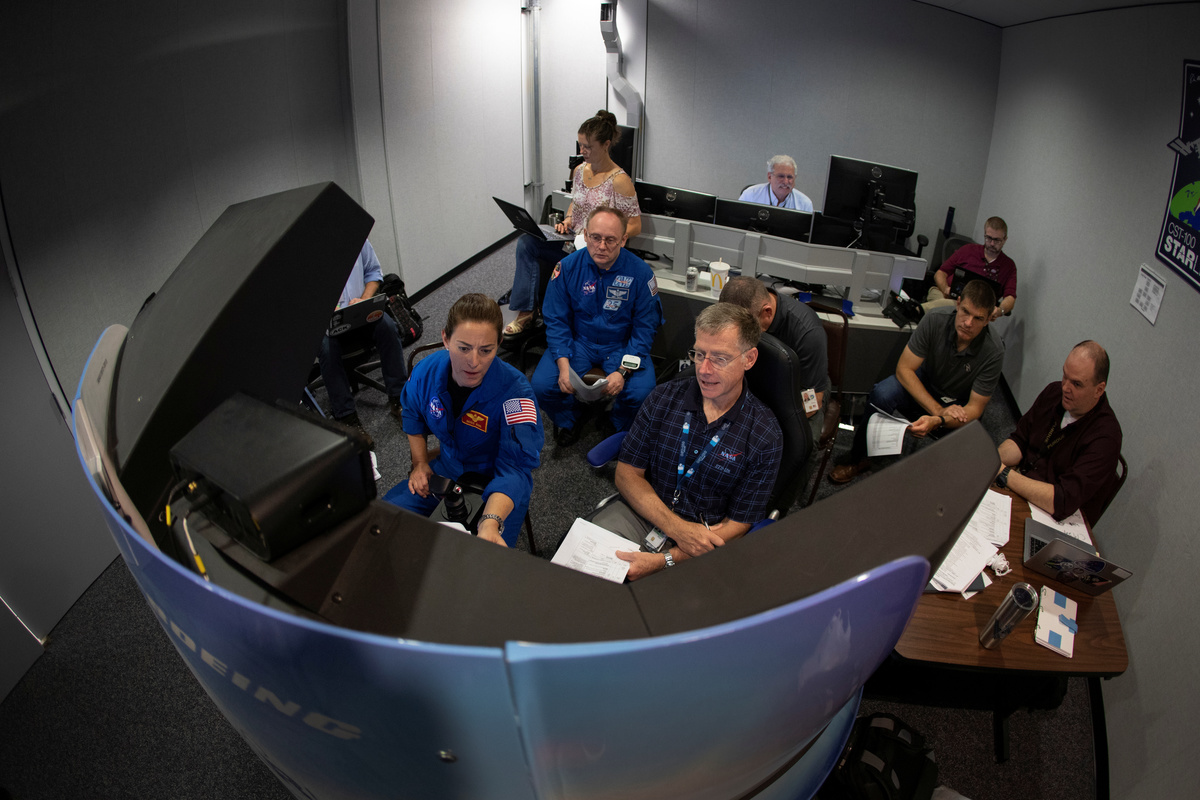
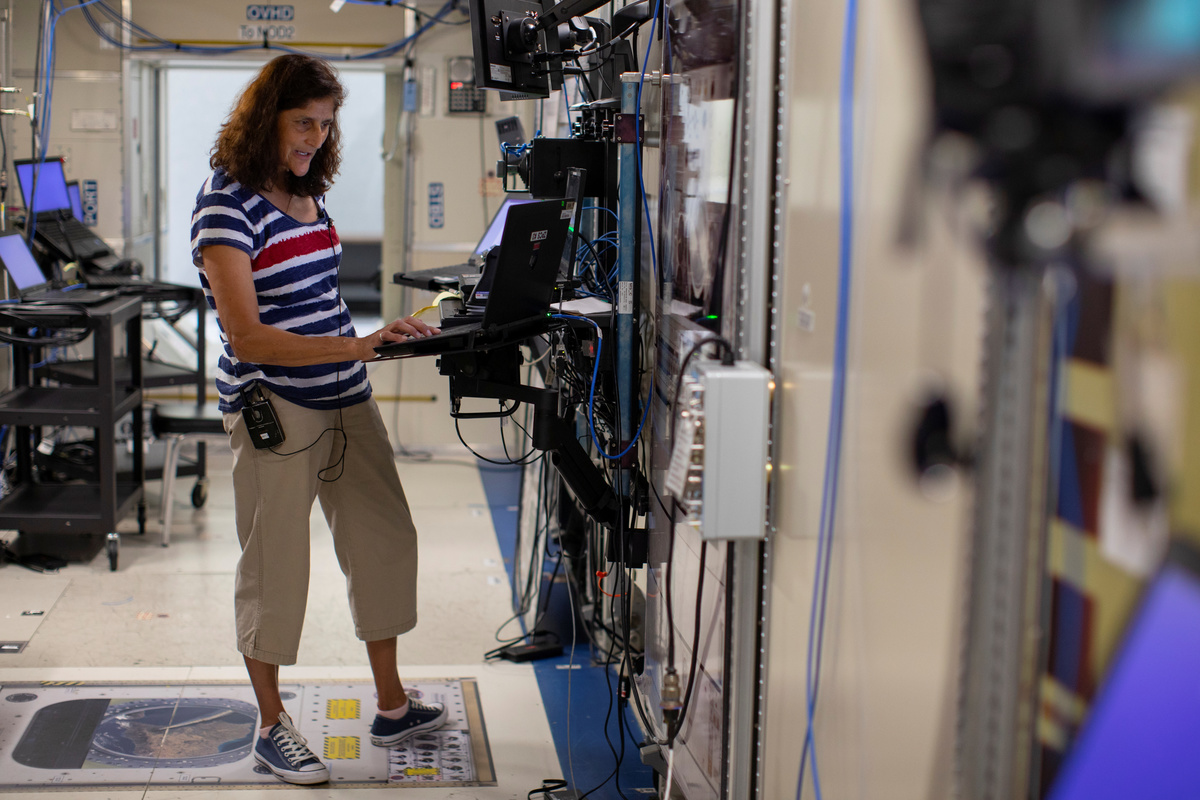
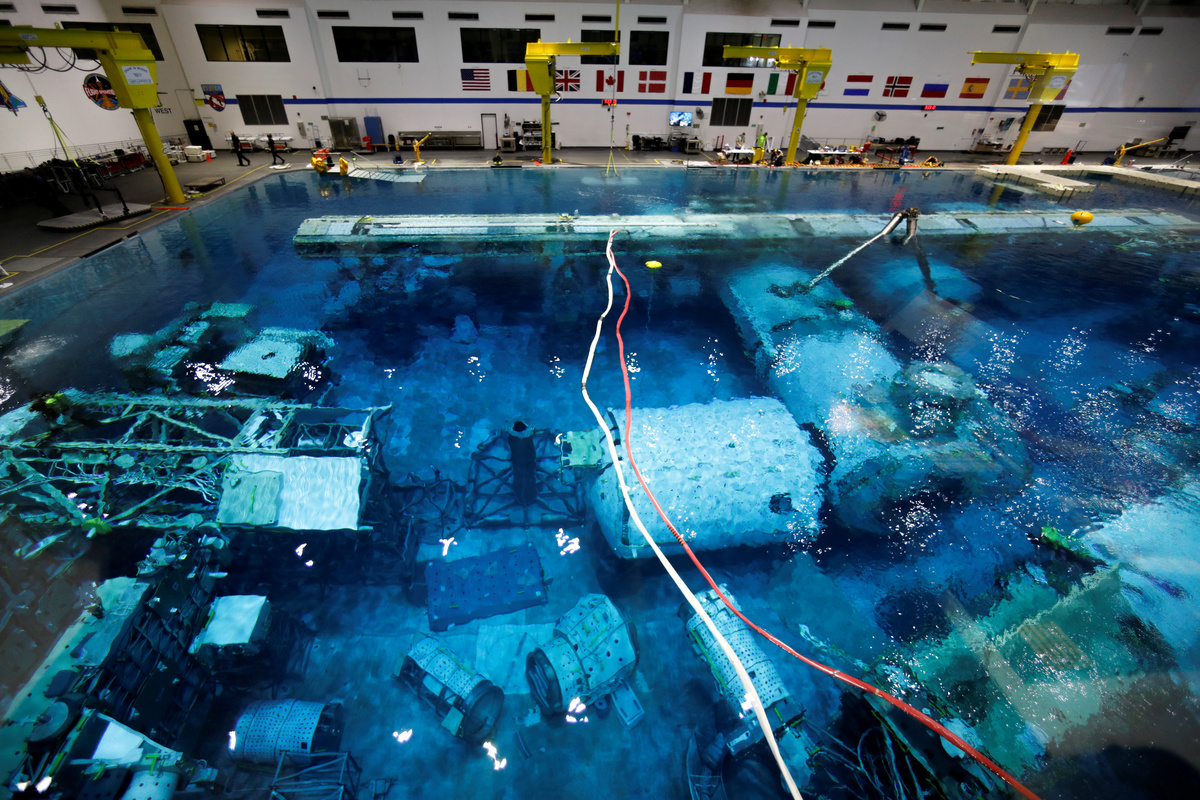
The exercises included training underwater to simulate space walks, responding to emergencies aboard the space station, and practicing docking maneuvers on a flight simulator.
Boeing astronaut Chris Ferguson poses for a picture with NASA commercial crew astronauts Sunita Williams and Josh Cassadaat and his Star Liner crew astronauts Nicole Mann and Mike Fincke at the Johnson Space Center in Houston, Texas, U.S., July 3, 2019. REUTERS/Mike Blake
Here's a closer look at the three astronauts training for the ISS flight.
FERGUSON LEADS MISSION
NASA Commercial Crew astronaut Sunita Williams enters the water at NASA's Neutral Buoyancy Laboratory (NBL) training facility near the Johnson Space Center in Houston, Texas, U.S., July 1, 2019. Picture taken July 1, 2019. REUTERS/Mike Blake
Ferguson, a former NASA astronaut and retired U.S. Navy captain, who helped design the way the crew interacts with the automated Boeing CST-100 Starliner, will lead its maiden voyage.
"They (Boeing) knew how big it was going to be, how it was going to be powered, but they really hadn't thought a whole lot about what the inside would be and how does the crew interface with the vehicle that's designed to operate automatically," said Ferguson.
The design "is a great compromise between keeping it minimalistic yet at the same time giving the pilot the ability to understand where am I, where do I need to be, how am I going to get there, if things go wrong how do I fix them." "It comes down to watching (the spacecraft's) behavior," said Ferguson, who led NASA's final space shuttle mission in 2011 and spent more than 40 days in space over his career. "We just want to make sure it doesn't throw us a curve ball."
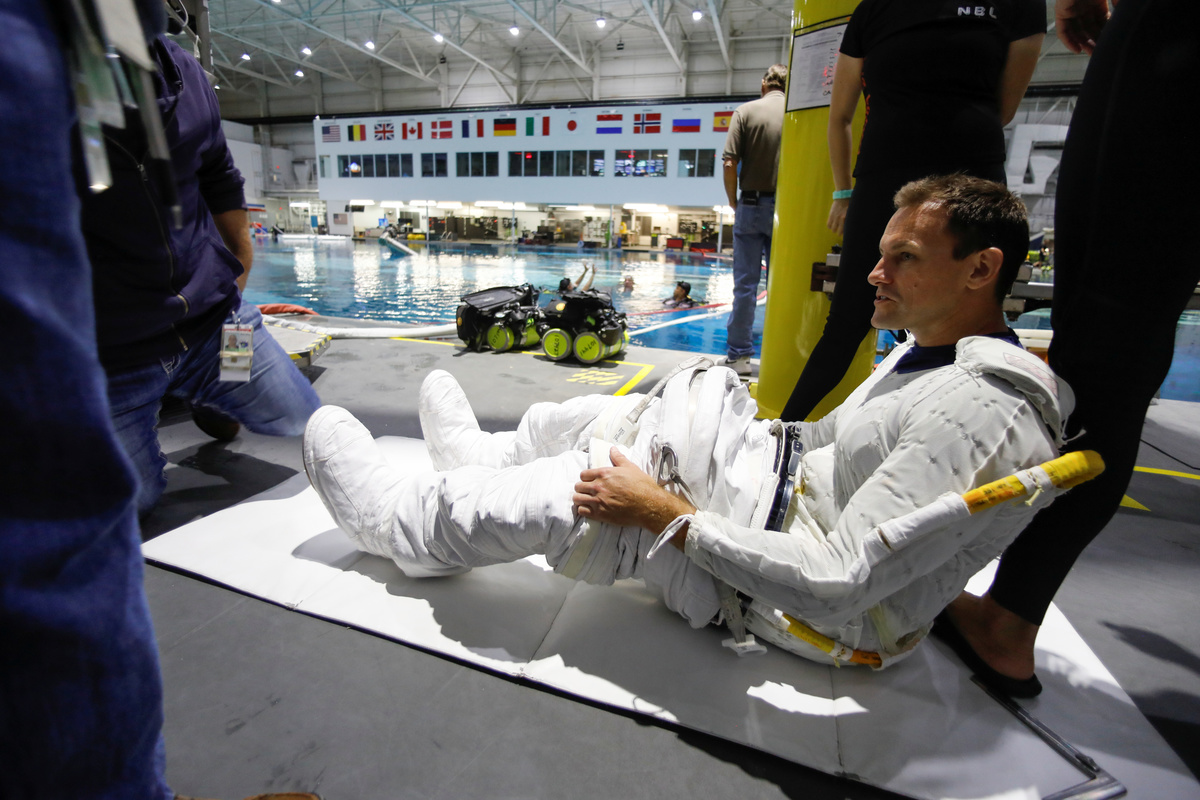
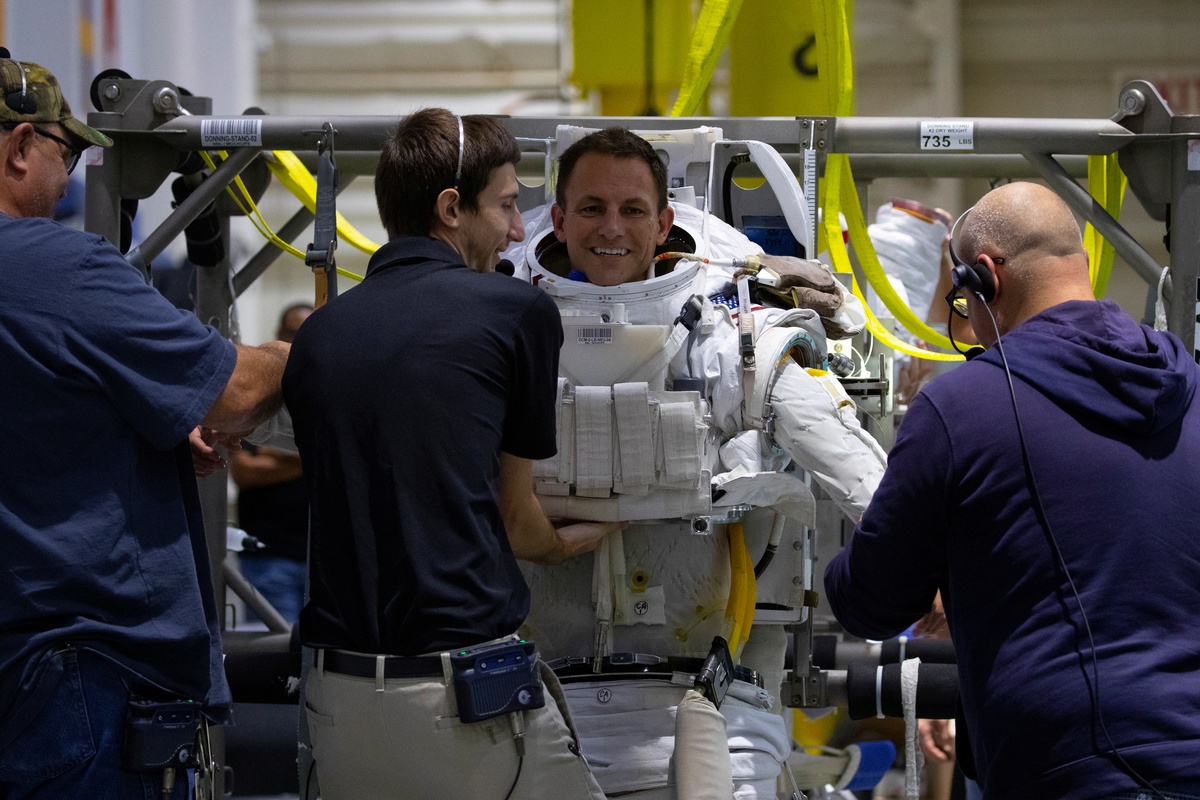
NASA Commercial Crew Astronaut Josh Cassada is helped to get into his space suit at NASA's Neutral Buoyancy Laboratory (NBL) training facility near the Johnson Space Center in Houston, Texas, U.S., July 1, 2019. REUTERS/Mike Blake
FIRST TRIP FOR NAVY COMBAT PILOT
It will be the first trip into space for Mann, 42, a former Navy combat pilot, who said she was looking forward to the excitement a fresh American-based crewed mission to space would create among a young generation that did not grow up watching Apollo and shuttle missions as their parents and grandparents did.
NASA Commercial Crew astronaut Sunita Williams enters the water at NASA's Neutral Buoyancy Laboratory (NBL) training facility near the Johnson Space Center in Houston, Texas, U.S., July 1, 2019. REUTERS/Mike Blake
"And so I think it's going to be huge for Americans. It's going to be huge for the younger generation to see us launching from American soil, that we're bringing work and industry back to the United States.
"I think it'll open up a lot more jobs. It'll open a lot more innovation for that young generation. And there's a big future of spaceflight in front of us."
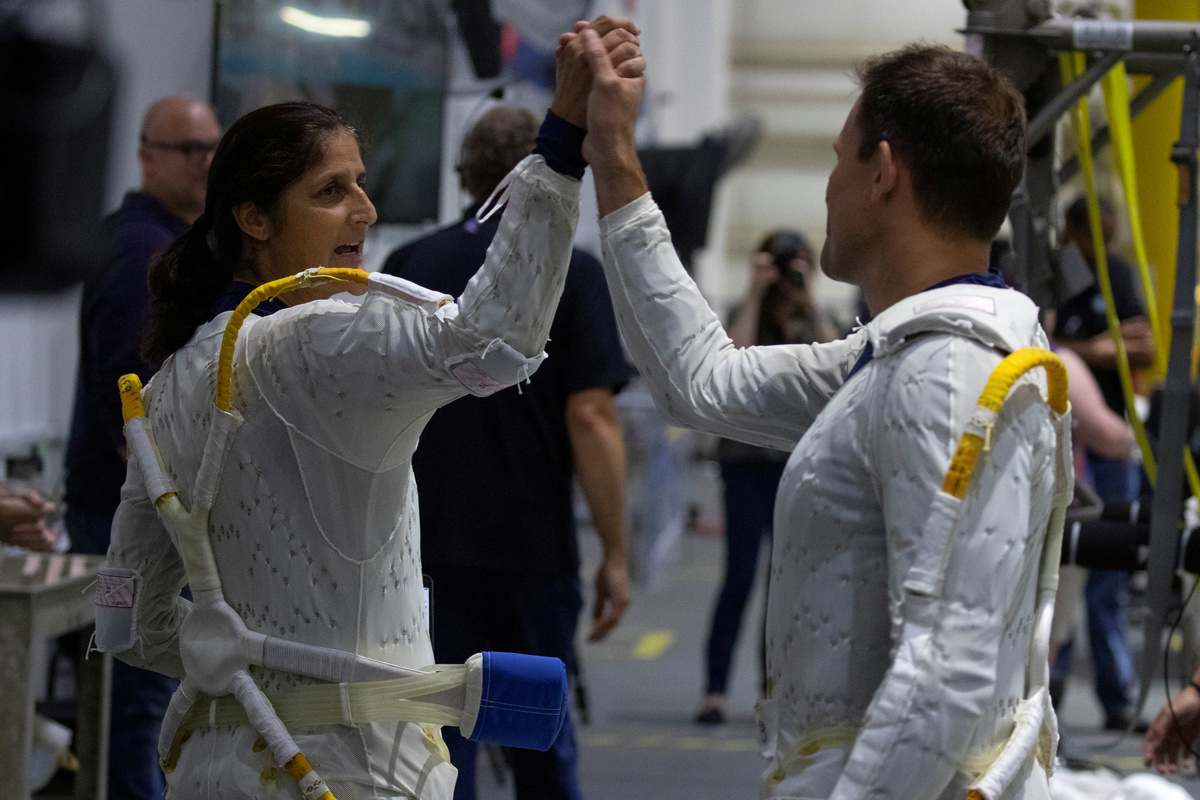
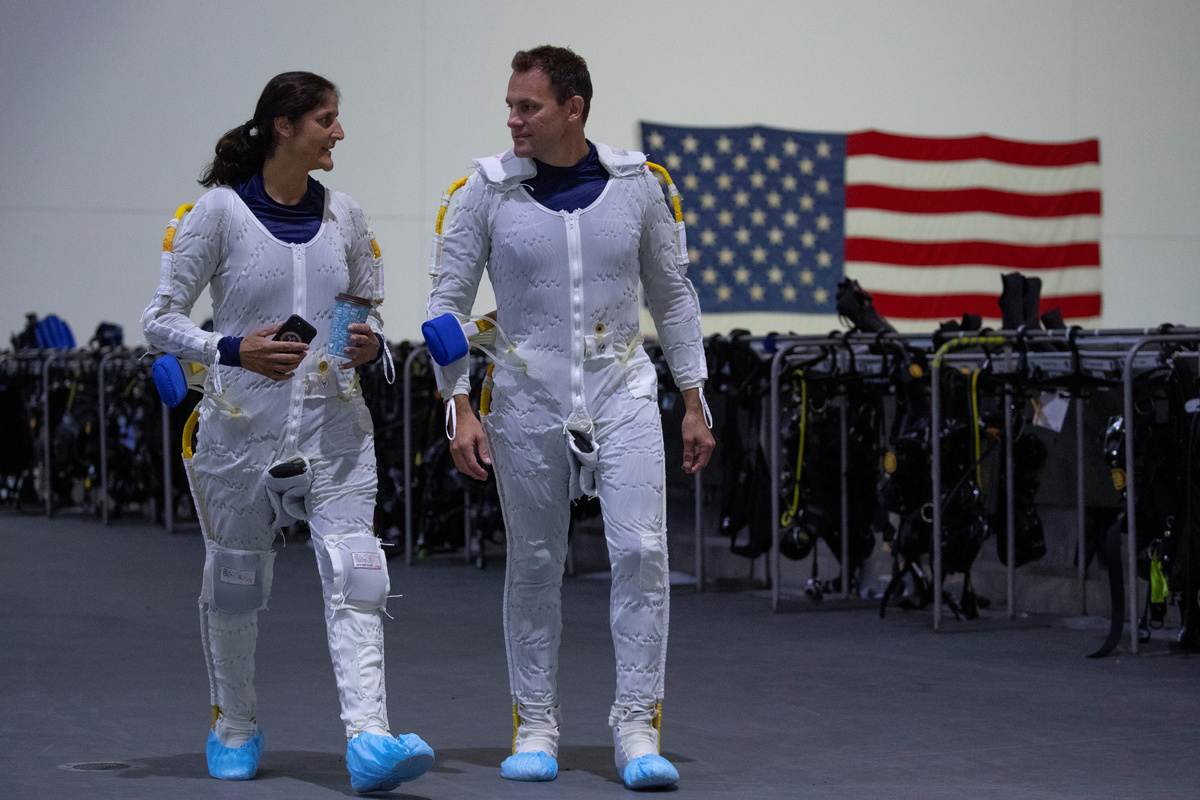
NASA Commercial Crew astronaut Sunita Williams high-fives fellow astronaut Josh Cassada before being fitted into the space suits at the start of training at NASA's Neutral Buoyancy Laboratory (NBL) facility near the Johnson Space Center in Houston, Texas, U.S., July 1, 2019. REUTERS/Mike Blake
FINCKE - LAYING THE GROUNDWORK
The Starliner mission will lay the groundwork for Boeing's commercial flight program, which includes carrying passenger and cargoes to the space station, and taking tourists into space, said Fincke, a veteran NASA astronaut who has completed three space flights.
"So far, we've only had about 500 people go to space. Hopefully, in the next 10 years, we'll go from 500 to 5,000. And in the next 20 years, maybe 50,000 or more," said the former U.S. Air Force colonel who served as science officer and flight engineer on a six-month space station mission.
NASA Commercial Crew Astronaut Josh Cassada is helped to get into his space suit at NASA's Neutral Buoyancy Laboratory (NBL) training facility near the Johnson Space Center in Houston, Texas, U.S., July 1, 2019. REUTERS/Mike Blake
CAPTURE THE FLAG
Eight years ago, when Ferguson led NASA's last space shuttle mission, he left an American flag aboard the space station for the next crew of U.S. astronauts to collect and bring home. He likes the idea of getting it back himself, traveling on the first manned commercial U.S. spacecraft.
NASA Commercial Crew astronaut Sunita Williams enters the water at NASA's Neutral Buoyancy Laboratory (NBL) training facility near the Johnson Space Center in Houston, Texas, U.S., July 1, 2019. REUTERS/Mike Blake
"Sort of like a grown-up version of capture the flag," Ferguson said.
And if SpaceX got there first?
"I would be very happy for them. Who brings it home is unimportant, but the fact that it gets home is most important. And I would be very proud of Doug (Hurley, a NASA astronaut training to fly aboard SpaceX's Crew Dragon space craft), although he's going to lose."
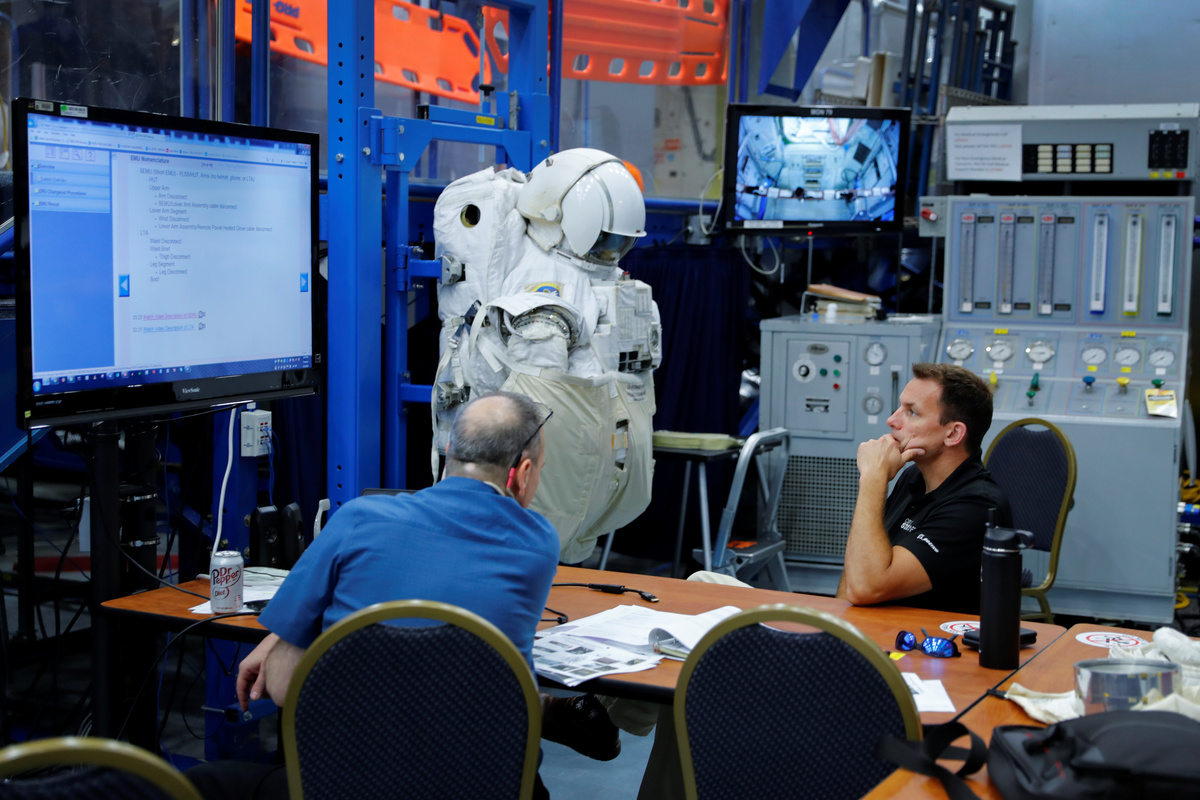
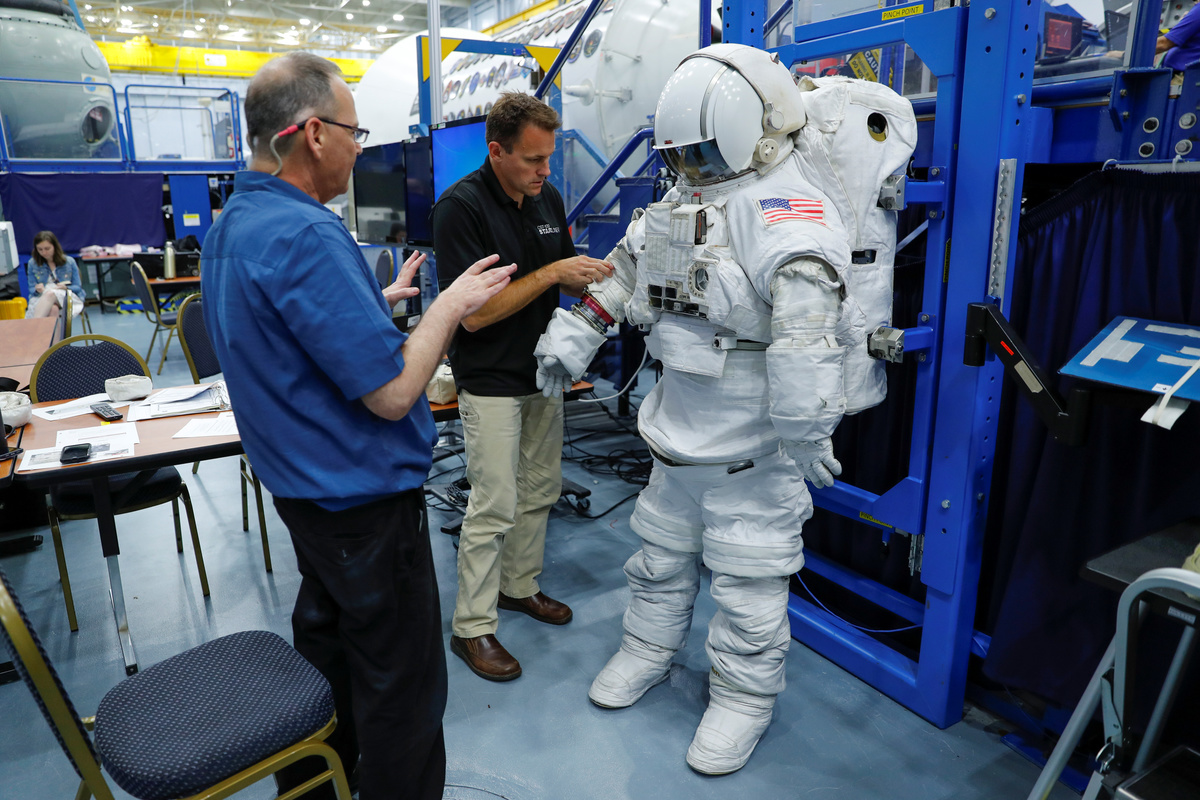
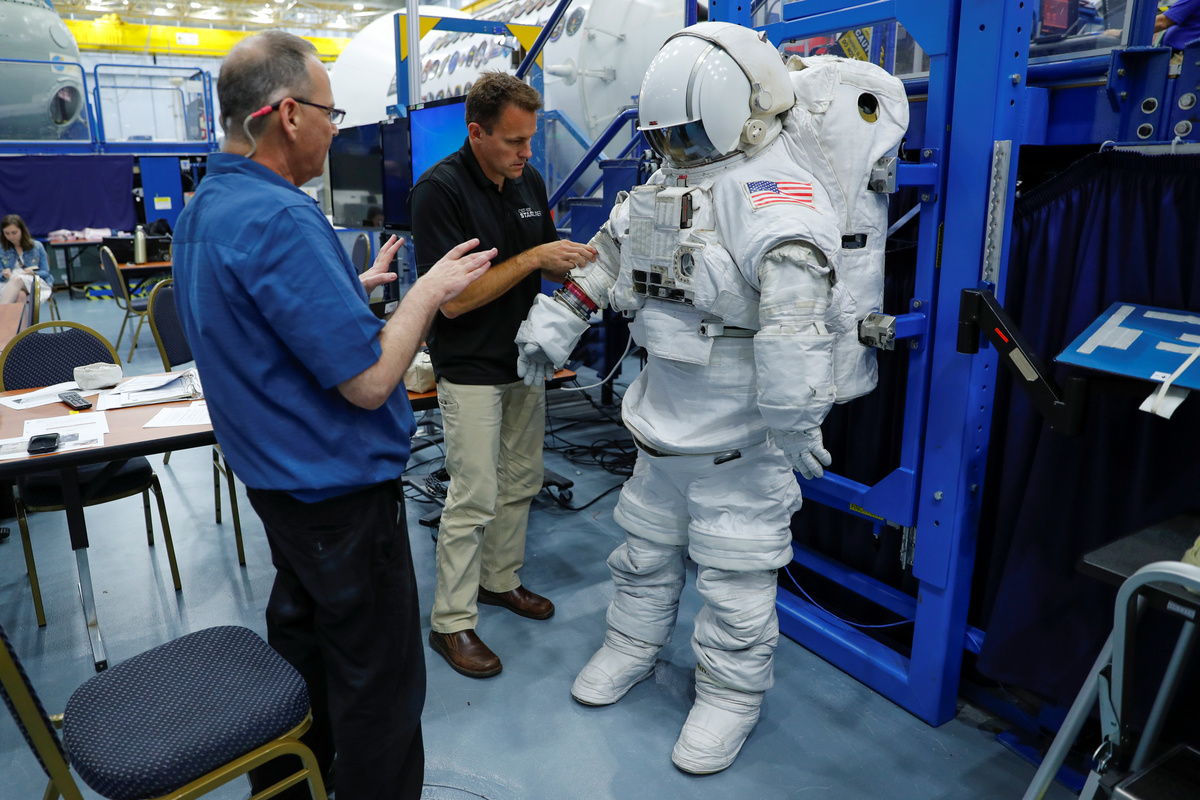
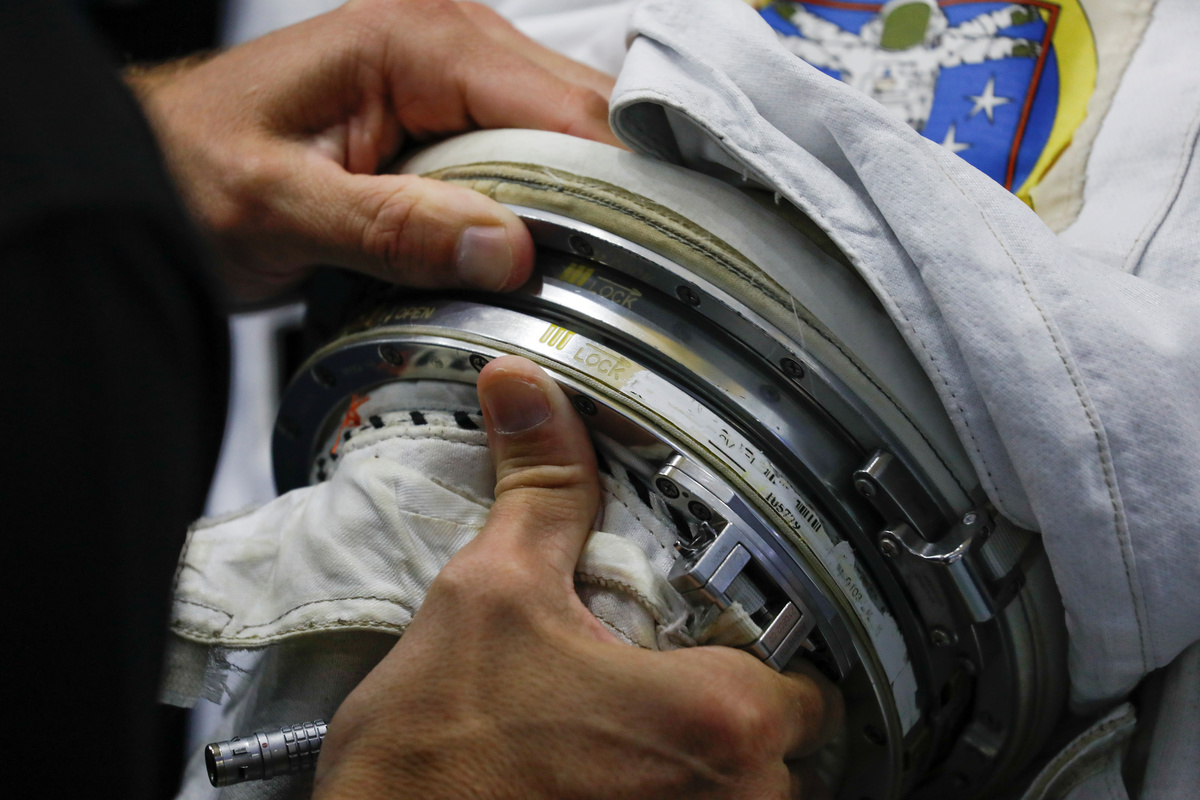
NASA Commercial Crew Astronaut Josh Cassada goes through a space suit fitting session at the Johnson Space Center in Houston, Texas, U.S., July 2 , 2019. REUTERS/Mike Blake
(Reporting by Collin Eaton in Houston; editing by Bill Tarrant and Tom Brown)
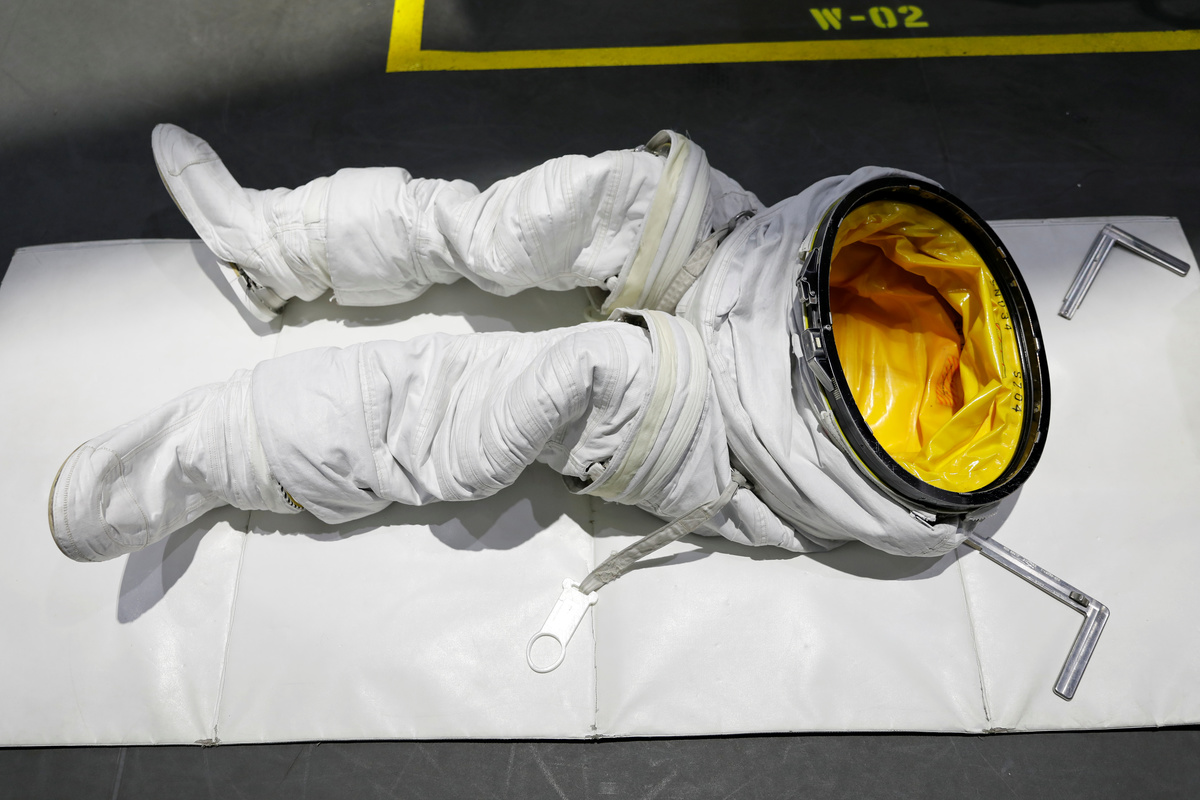
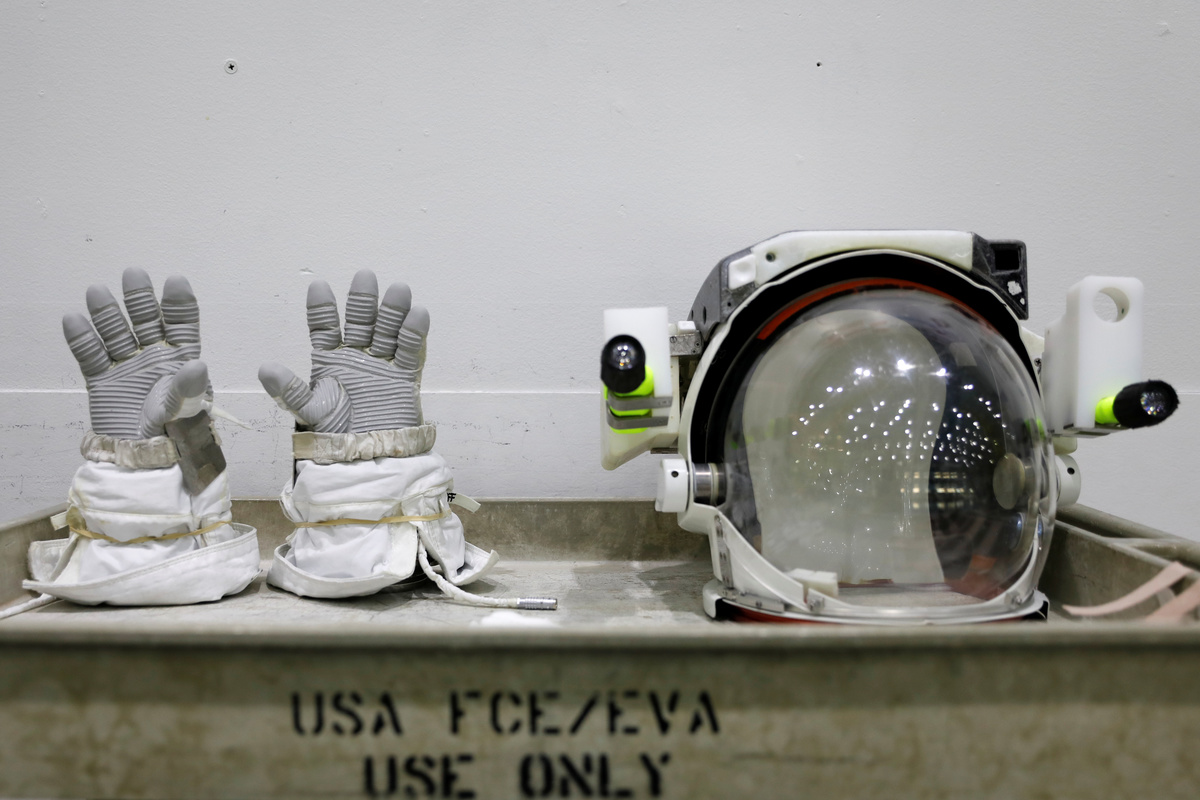
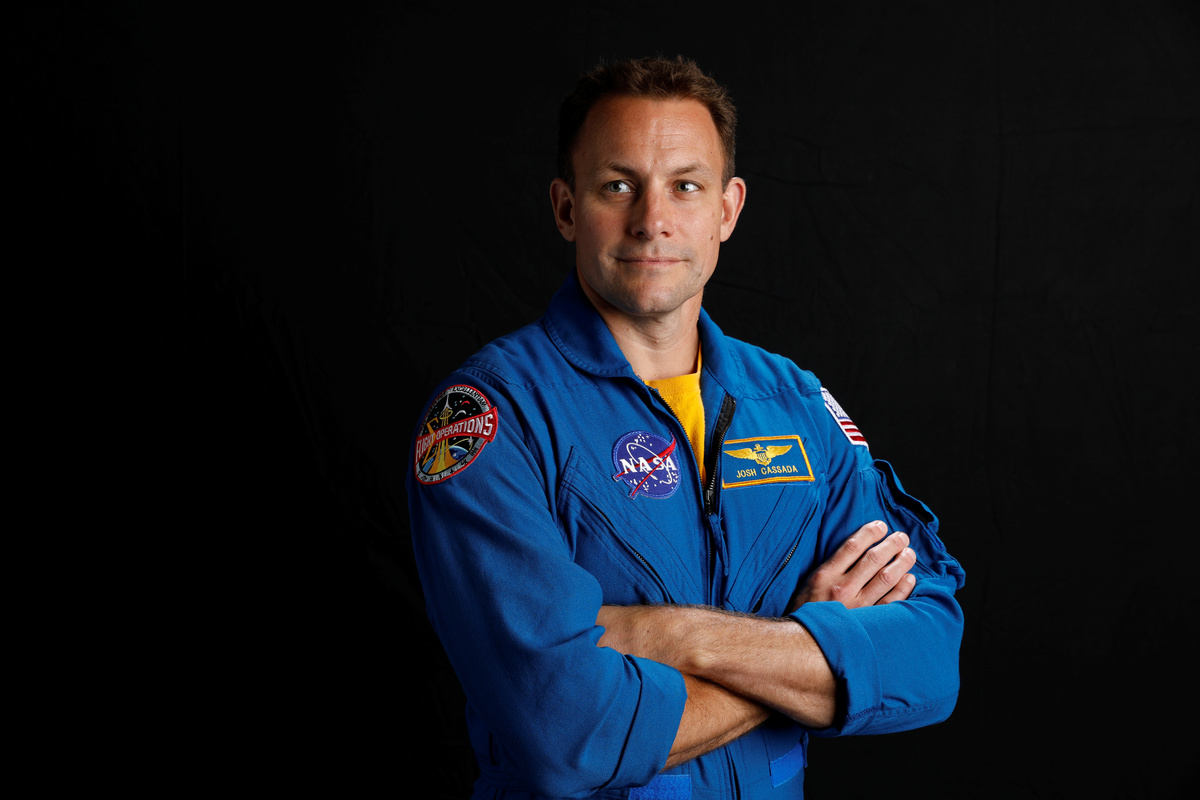
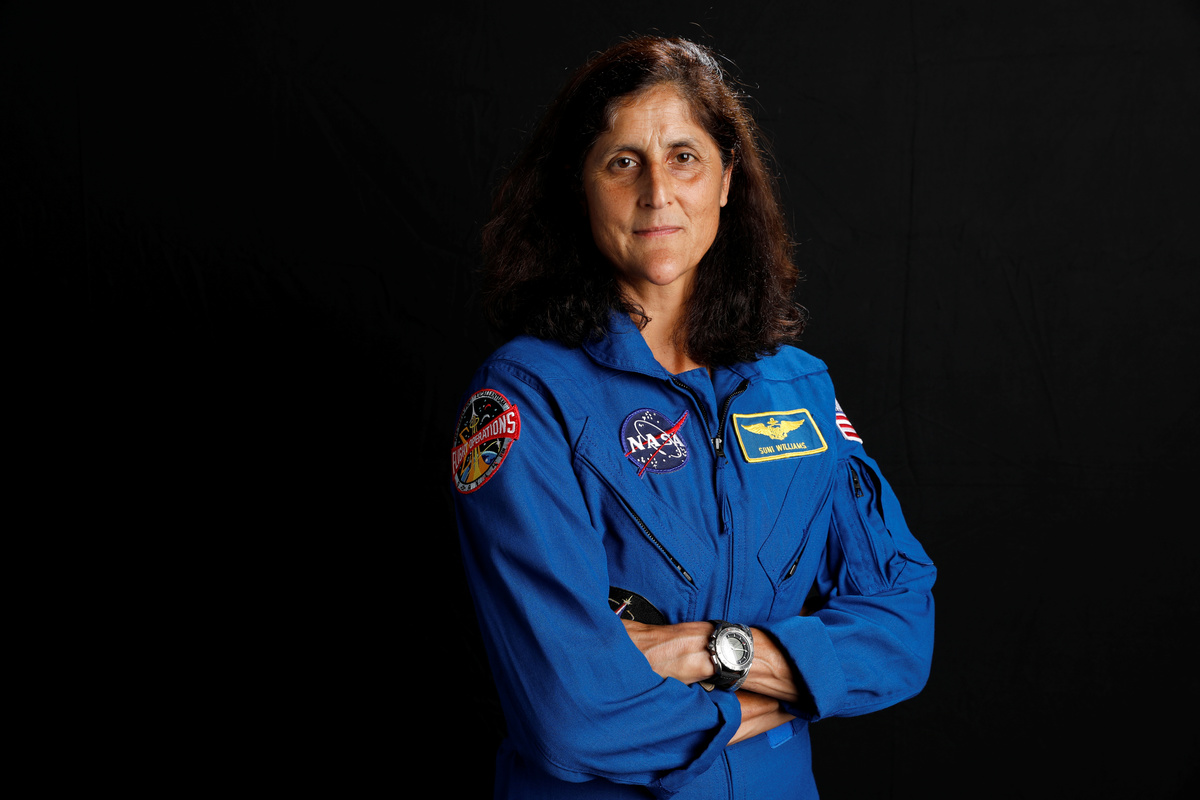
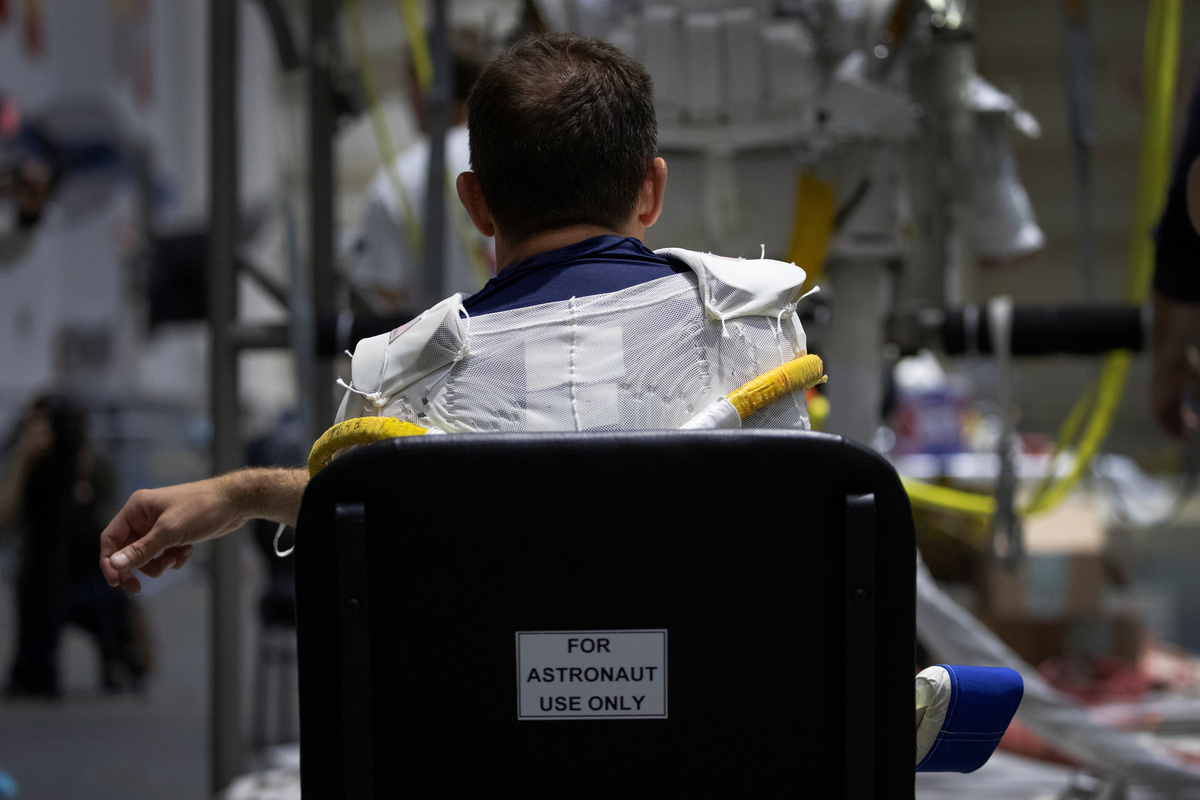
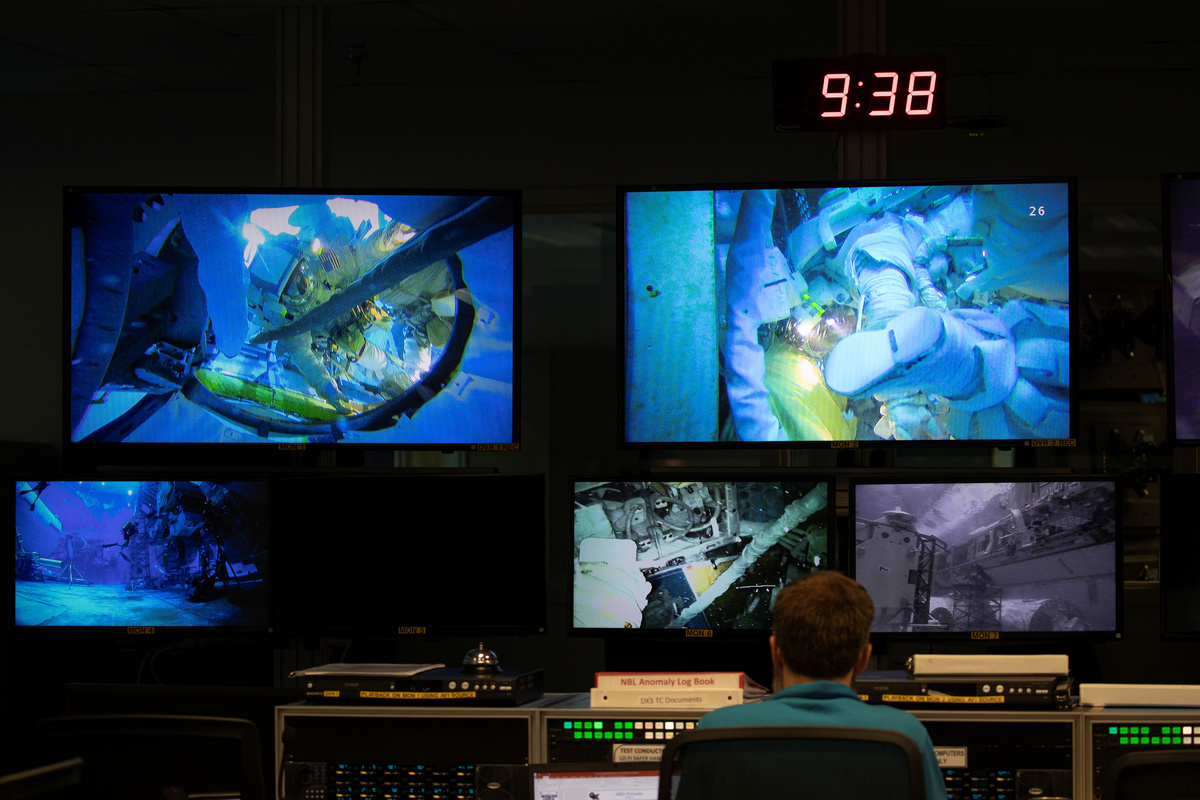
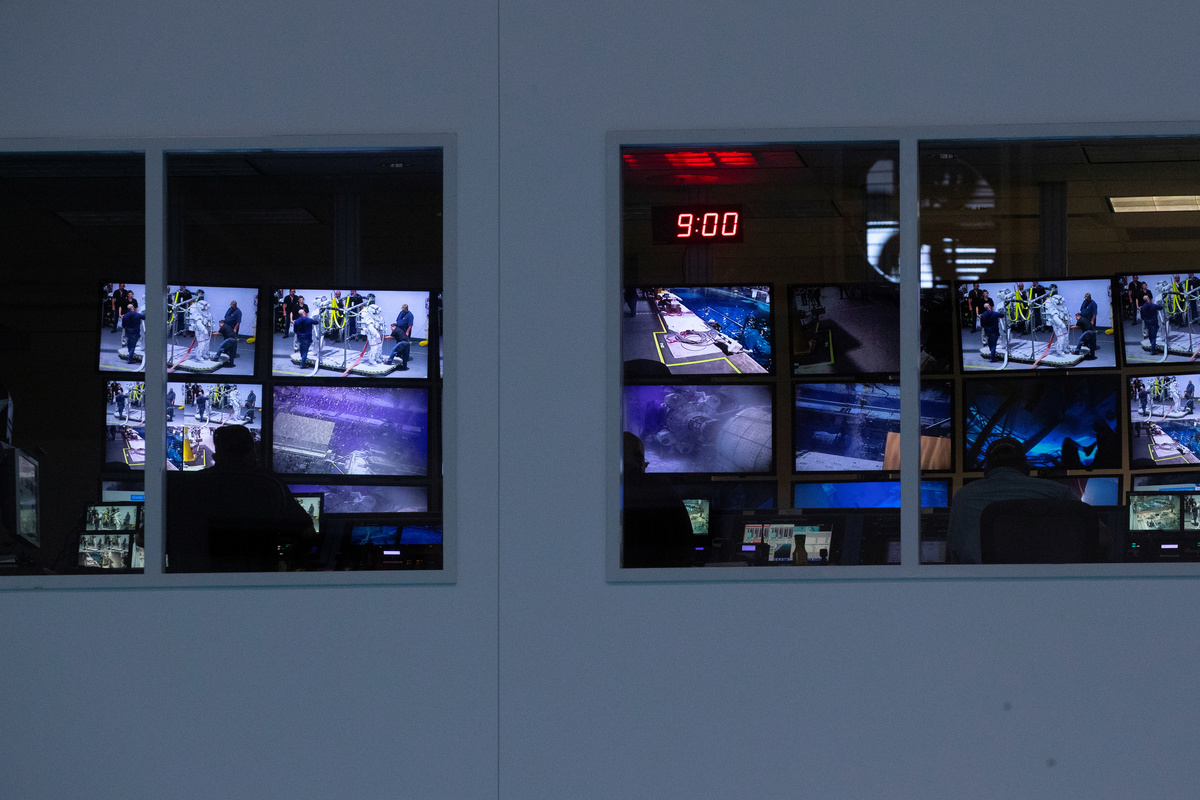
NASA Commercial Crew Astronaut Josh Cassada is helped to get into his space suit at NASA's Neutral Buoyancy Laboratory (NBL) training facility near the Johnson Space Center in Houston, Texas, U.S., July 1, 2019. REUTERS/Mike BlakeNASA Commercial Crew Astronaut Josh Cassada goes through a space suit fitting session at the Johnson Space Center in Houston, Texas, U.S., July 2 , 2019. REUTERS/Mike BlakeThe space suit pants of the NASA Commercial Crew Astronaut Josh Cassada are seen on a pool desk awaiting his arrival at NASA's Neutral Buoyancy Laboratory (NBL) training facility near the Johnson Space Center in Houston, Texas, U.S., July 1, 2019. REUTERS/Mike BlakeNASA Commercial Crew astronaut Sunita Williams is helped to get into her space suit at NASA's Neutral Buoyancy Laboratory (NBL) training facility near the Johnson Space Center in Houston, Texas, U.S., July 1, 2019. REUTERS/Mike BlakeNASA Commercial Crew astronaut Sunita Williams smiles as she wears her space suit at NASA's Neutral Buoyancy Laboratory (NBL) training facility near the Johnson Space Center in Houston, Texas, U.S., July 1,2019. REUTERS/Mike BlakeThe gloves and helmet of NASA Commercial Crew astronaut Sunita William's space suit are shown at NASA's Neutral Buoyancy Laboratory (NBL) training facility near the Johnson Space Center in Houston, Texas, U.S., July 1, 2019. REUTERS/Mike BlakeNASA commercial Crew astronauts Sunita Williams and Josh Cassada walk to get their awaiting space suits at NASA's Neutral Buoyancy Laboratory (NBL) training facility near the Johnson Space Center in Houston, Texas, U.S., July 1, 2019. REUTERS/Mike BlakeNASA Commercial Crew Astronaut Josh Cassada is helped to wear his space suit at NASA's Neutral Buoyancy Laboratory (NBL) training facility near the Johnson Space Center in Houston, Texas, U.S., July 1, 2019. REUTERS/Mike BlakeA control center looking out over the water at NASA's Neutral Buoyancy Laboratory (NBL) training facility near the Johnson Space Center in Houston, Texas, U.S., July 1, 2019. REUTERS/Mike BlakeNASA Commercial Crew astronaut Sunita Williams looks out from her space suit before going into the water at NASA's Neutral Buoyancy Laboratory (NBL) training facility near the Johnson Space Center in Houston, Texas, U.S., July 1, 2019. REUTERS/Mike BlakeNASA Commercial Crew Astronaut Josh Cassada is helped into his space suit at NASA's Neutral Buoyancy Laboratory (NBL) training facility near the Johnson Space Center in Houston, Texas, U.S., July 1, 2019. REUTERS/Mike BlakeNASA commercial crew astronauts Nicole Mann and Mike Fincke and Boeing astronaut Chris Ferguson run through scenarios in a simulation cockpit of the Boeing Starliner spaceship at the Johnson Space Center in Houston, Texas, U.S., July 3, 2019. REUTERS/Mike BlakeNASA Commercial Crew Astronaut Josh Cassada goes through a space suit fitting session at the Johnson Space Center in Houston, Texas, U.S., July 2, 2019. REUTERS/Mike BlakeNASA Commercial Crew Astronaut Josh Cassada adjusts the arm during a space suit fitting session at the Johnson Space Center in Houston, Texas, U.S., July 2, 2019. REUTERS/Mike BlakeNASA commercial crew astronaut Sunita Williams runs a troubleshooting drill inside a mock ISS facility at the Johnson Space Center in Houston, Texas, U.S., July 3, 2019. REUTERS/Mike BlakeNASA Commercial Crew Astronaut Josh Cassada goes through a space suit fitting session at the Johnson Space Center in Houston, Texas, U.S., July 2, 2019. REUTERS/Mike BlakeNASA commercial crew astronaut Josh Cassada poses for a portrait at the Johnson Space Center in Houston, Texas, U.S., July 3, 2019. REUTERS/Mike BlakeA view of the NASA's Neutral Buoyancy Laboratory (NBL) training facility is shown near the Johnson Space Center in Houston, Texas, U.S., July 1, 2019. REUTERS/Mike BlakeBoeing astronaut Chris Ferguson poses for a picture with NASA commercial crew astronauts and Star Liner members Nicole Mann and Mike Fincke at the Johnson Space Center in Houston, Texas, U.S., July 3, 2019. REUTERS/Mike BlakeNASA commercial crew astronaut Sunita Williams poses for a portrait at the Johnson Space Center in Houston, Texas, U.S., July 3, 2019. REUTERS/Mike BlakeNASA Commercial Crew Astronaut Josh Cassada stretches before being placed into his space suit at NASA's Neutral Buoyancy Laboratory (NBL) training facility near the Johnson Space Center in Houston, Texas, U.S., July 1, 2019. REUTERS/Mike BlakeA control room full of video screens keeping watch over the underwater training at NASA's Neutral Buoyancy Laboratory (NBL) training facility near the Johnson Space Center in Houston, Texas, U.S., July 1, 2019. REUTERS/Mike BlakeA control room full of video screens keeping watch over the underwater training at NASA's Neutral Buoyancy Laboratory (NBL) training facility near the Johnson Space Center in Houston, Texas, U.S., July 1, 2019. REUTERS/Mike Blake
Sign up to read this article
Read news from 100's of titles, curated specifically for you.