SEATTLE _ "I will not recommend for membership in this union any other than members of the white race."
That may sound like some old declaration from the Deep South. But until after World War II, that was part of the oath sworn by members of the International Association of Machinists union, which represented Boeing workers in the Puget Sound region.
The union, which organized the Boeing workforce in the region in 1935, was hardly the sole barrier to racial integration at Boeing. From the company's founding in 1916, management had not hired a single black person.
Prewar, such employment bans were pervasive throughout U.S. industry, even in the greater Seattle region _ now one of the country's most politically liberal.
Boeing hired its first two black Rosie the Riveter-types in 1942 to build bombers for the war effort _ more than nine months after a presidential order banning discrimination at defense companies _ and afterward progressed only slowly toward equality.
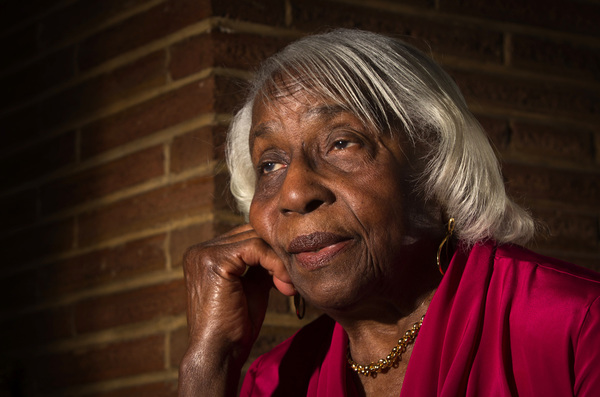
Interviews with current and former employees trace a difficult journey spanning 75 years from the reluctant hiring of those black Rosies through today _ when young African-Americans can take advantage of Boeing's official policy encouraging diversity and equal opportunity. (Boeing declined to share the racial demographics of its current workforce.)
In recent years a handful of African-Americans have risen to prominent positions in the company.
Joan Robinson-Berry held various engineering and supplier management roles at Boeing and now heads the company's growing Charleston, S.C., complex.
The highly regarded former chief financial officer James Bell in 2005 served for four months as Boeing's interim chief executive after a scandal ousted his boss. Marc Allen, president of Boeing International, is widely viewed as a possible future chief executive.
Yet even now, with race remaining a divisive issue in America, some black employees find the workplace reality at Boeing still falls short of the colorblind ideal.