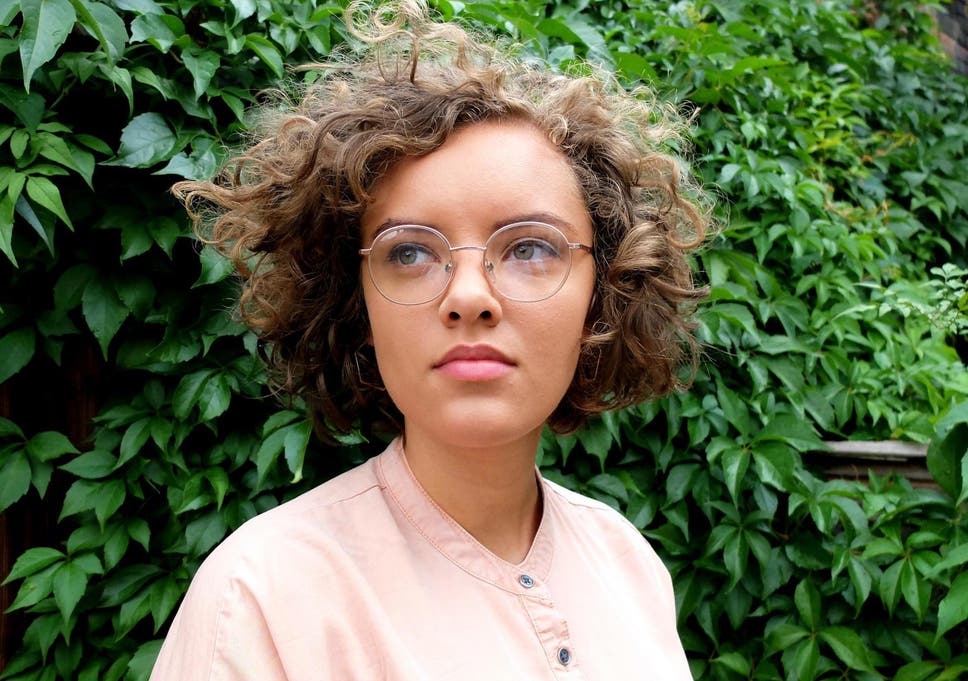
Even if you didn’t watch Great British Bake Off in 2013, Ruby Tandoh will be a name you’ve heard bandied around dinner tables and beyond.
If not for her withering critiques on Twitter, where she’s called Giles Coren a “vile f***ing pig” and lashed out at the “nonsense merchants of wellness”, then surely for the 26-year-old’s epic coming out moment, when she hit out at the “massive sh**ing misogynists” who had accused her of flirting with GBBO judge Paul Hollywood to get ahead on the show.
Now, the former food columnist and published author is basking in the success of her memoir, Eat Up, the radical manifesto which highlights some of the consequences of living in a world plagued by fads.
Two years on from “clean eating”, the evangelical fetish for “whole foods” that was quickly muddied when critics accused it of promoting eating disorders, Tandoh tells The Independent that subsequent iterations - she names intuitive eating and body positivity - have an equally insidious underbelly.
”All of these diets are created with the aim of keeping you slim, but people are pretending it’s body positivity,” she says, referencing “fat shaming TV shows” like Supersize vs Superskinny which, among myths promoted by the wellness industry, serve to “make fatness completely unacceptable”.
“There has been a change in the air, but it’s like trying to turn around a cruise liner,” she adds, noting appraisals of hourglass figures in the public eye, as exhibited by the likes of Kim Kardashian and Kate Upton.
“It’s important not to be complacent because whatever the next diet craze is, it will latch onto [trendy] language and we’ll find ourselves in a position where there’s a new craze and it’s talking about body positivity and intuitive eating, but it’s also between the lines talking about being thin.
“We need to be aware of that and be vigilant.”
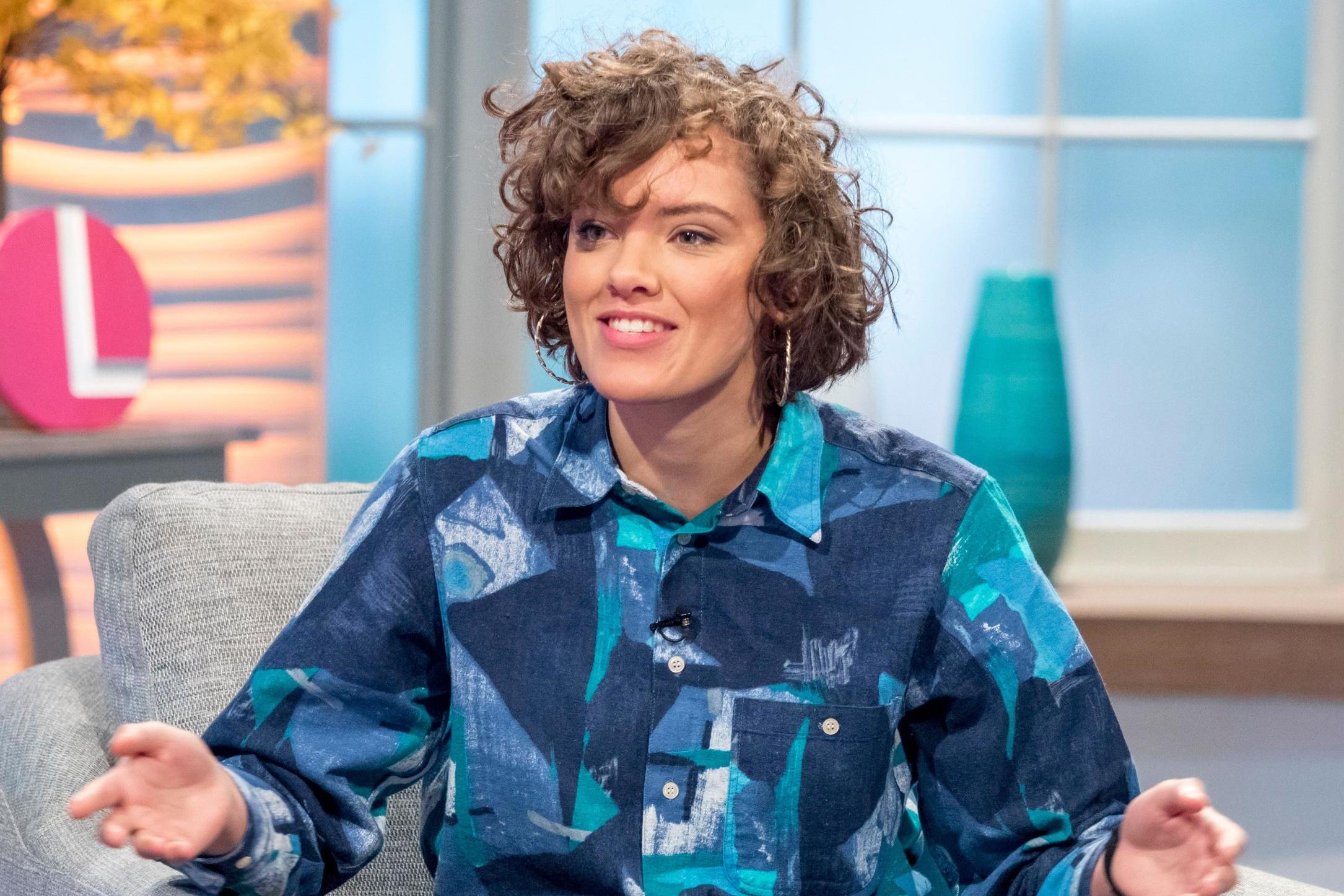
Prejudice towards body shapes isn’t just something undercutting diet fads, as Tandoh explains how women operating in the food industry are pigeonholed into problematic stereotypes as a result of their figures, which can inhibit their career progression.
“There are definitely some standards put in place that prohibit people of certain body sizes and shapes from getting in the door,” she says.
“If you’re particularly big, you’re not deemed an acceptable face of food media.”
Meanwhile, for those who do manage to crack through, they are likely to be typecast into binary categories, either being marketed as “the comforting mother figure” - who will have a certain body type - or “the hot young thing who's doing cool food”, who will have another.
Despite admitting that she hasn't watched the current series, Tandoh says it's "very unlikely" she would've cracked into the industry had it not been for the show ("I didn't even finish my degree".)
But overcoming stereotypes and a fractured higher education are not the most prevalent form of prejudice Tandoh has noticed in the food industry, at least not in the writing world within which she moves, where the expectations differ vastly between genders, mostly by way of confessional journalism: women are encouraged to share every sordid detail about their lives in an article about baking, while men can hide behind the flour.
“There’s an expectation for women that we will offer up most of ourselves to the world,” she says, “the world feels a far greater claim to women’s stories and bodies, which is why we allow men’s bodies to be a lot more private than women’s.
“That’s just the way things work now.”
Similar prejudices manifest where race is concerned, she continues.
“When people outside of a white British culture write about food, they’re often pigeonholed to write about the food of their grandparents or the food of their culture.”
This serves only to amplify their otherness, Tandoh explains, “It’s as though their perspective is that of another person and their not allowed to talk about food in general, whereas people like Nigella and Fiona Henry are allowed to have a more universal appeal.”
Is this why she described the industry as “toxic” in June 2018, when she quit her Guardian food column?
“It wasn’t one thing in particular, I was just generally growing disillusioned with the food industry and I got to a point where I was tired of coming up with recipes constantly.”
She adds that doing the column felt jarring amid important social conversations regarding food, such as free school meals.
“It suddenly felt very silly and self-indulgent to just be doing fun little baking recipes,” she said.
Not taking into account the social and financial limitations of others when offering out dietary advice is something Tandoh feels passionately about.
In April, she got into a heated debate with former Made in Chelsea star Lucy Watson, after she tweeted “if you’re against animal cruelty, like most people, then you should be vegan.”
While Tandoh recognises the environmental benefits to eating a predominantly plant-based diet, she pointed out how disability, poverty and medical problems inhibit a person’s access to vegan foods.
She proceeded to explain how neglecting this was fundamentally ignorant to wider social problems and called Watson a “privileged-beyond-belief a**hole”.
“It’s just about being more mindful towards the limitations of what other people can afford,” Tandoh says.
While she stresses that reports urging us to reduce our meat and dairy consumption for environmental reasons should not be ignored, she explains that there’s only so much people can do in order to move towards a more sustainable diet.
“It’s people of a certain class that have the luxury of being able to do more at the moment. There’s no single one diet across the board that’s going to be suitable to everyone.”
Tandoh’s Eat Up! Food, Appetite and Eating What You Want is out now in paperback from Serpent’s Tail.