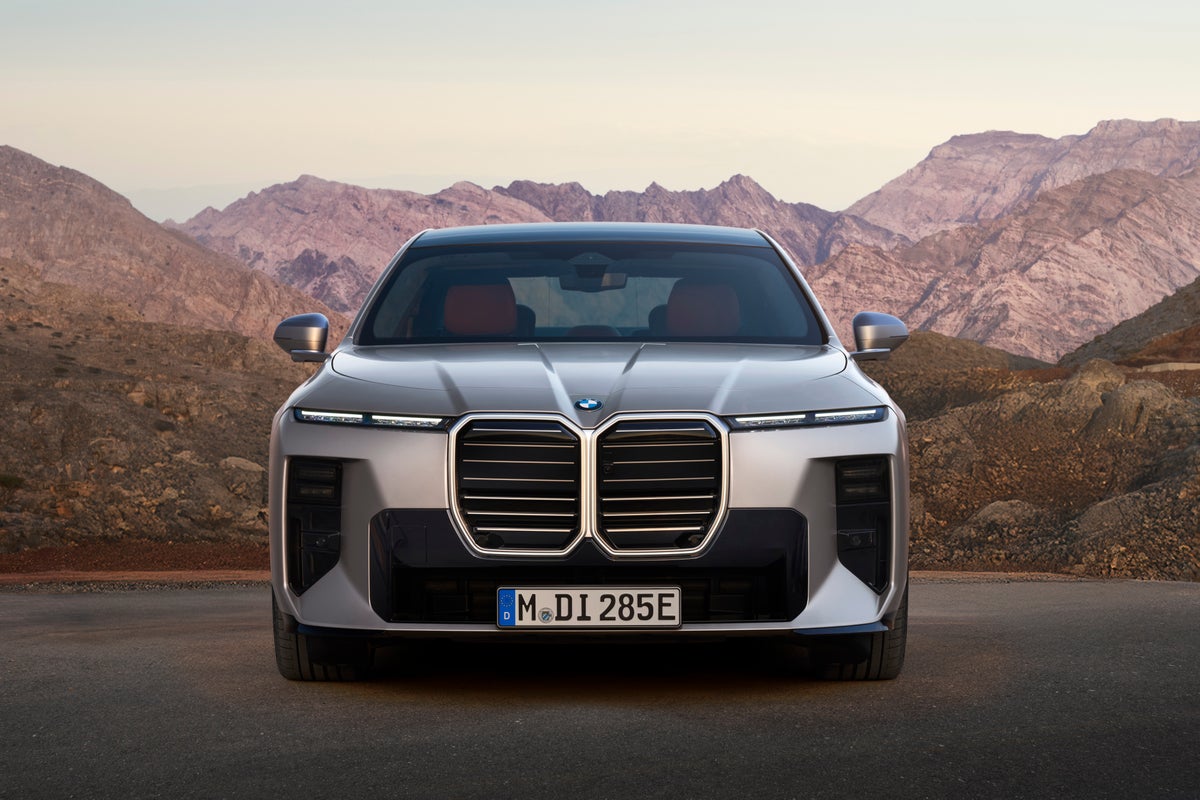
BMW has pulled the covers off its new 7 Series, and it’s not just a facelift or mild refresh – the brand is calling it the most extensive update it has ever given a model. The luxury saloon also acts as the latest launchpad for BMW’s next-generation Neue Klasse technologies, blending fresh design, more digital features and longer electric range.
The headline news for UK buyers is that the new 7 Series will arrive first as a fully electric i7, with three versions due to go on sale from September 2026. Plug-in hybrid models will follow before the end of the year.
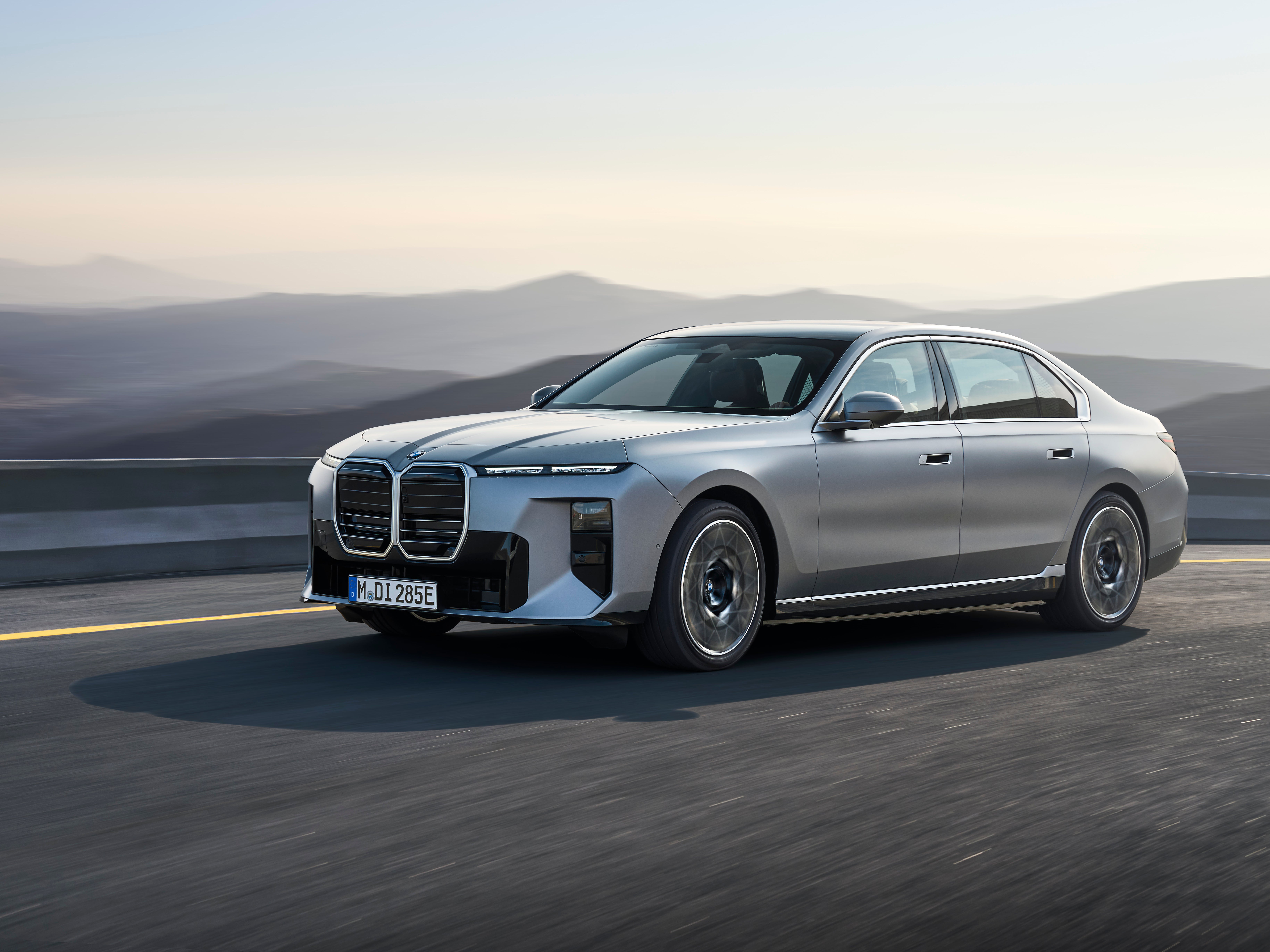
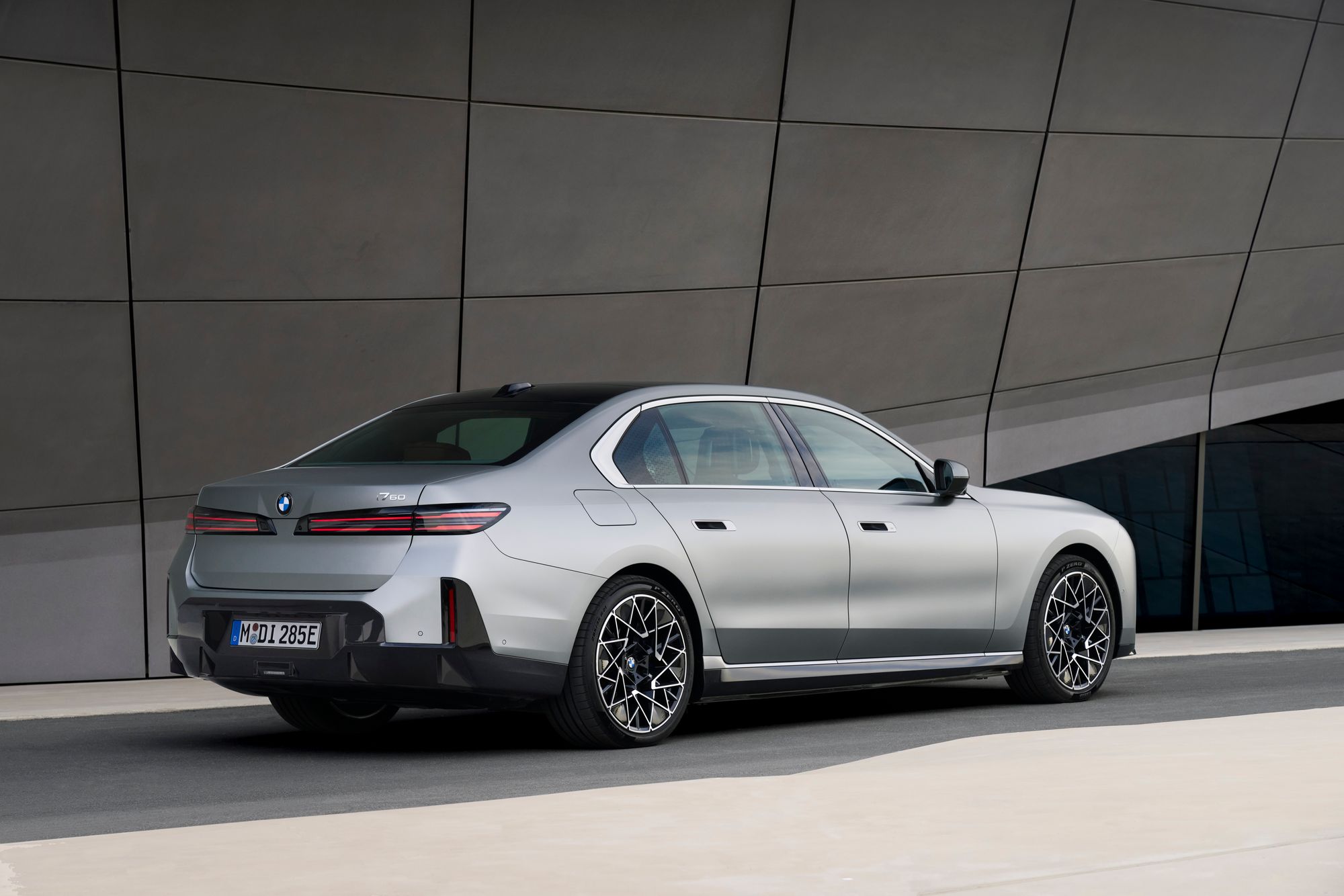
Visually, the new car introduces BMW’s latest design language to the luxury segment, with a cleaner, more monolithic look. The familiar kidney grille remains, but it’s slimmer and more upright, flanked by ultra-thin daytime running lights, while the rear gets full-width light graphics to emphasise the car’s stance.
Buyers wanting something a bit more bespoke won’t be short of choice. BMW says there are more than 500 exterior colour combinations available through its Individual programme, including a new dual-finish paint option that combines matt and metallic surfaces on the same body.
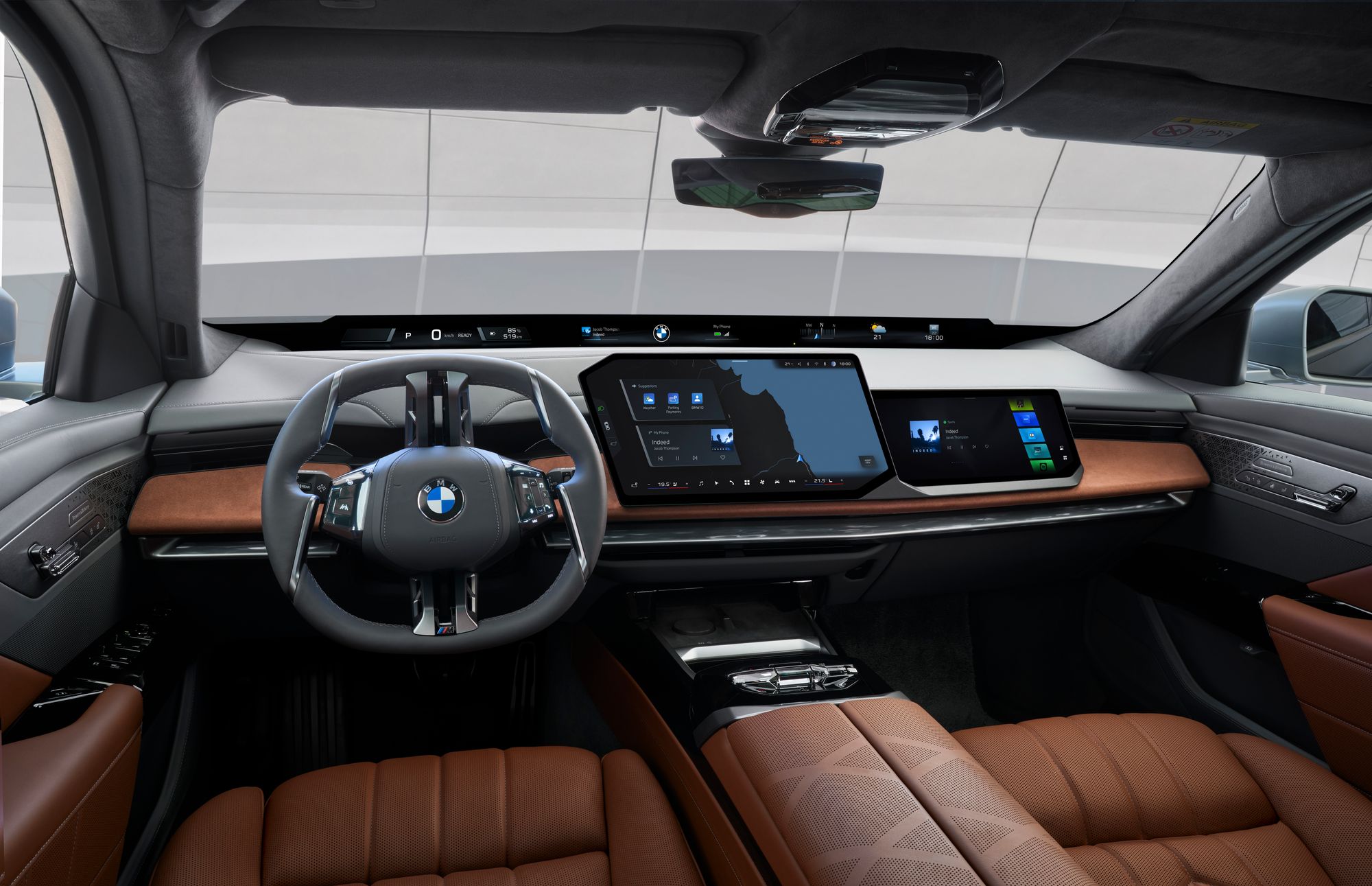
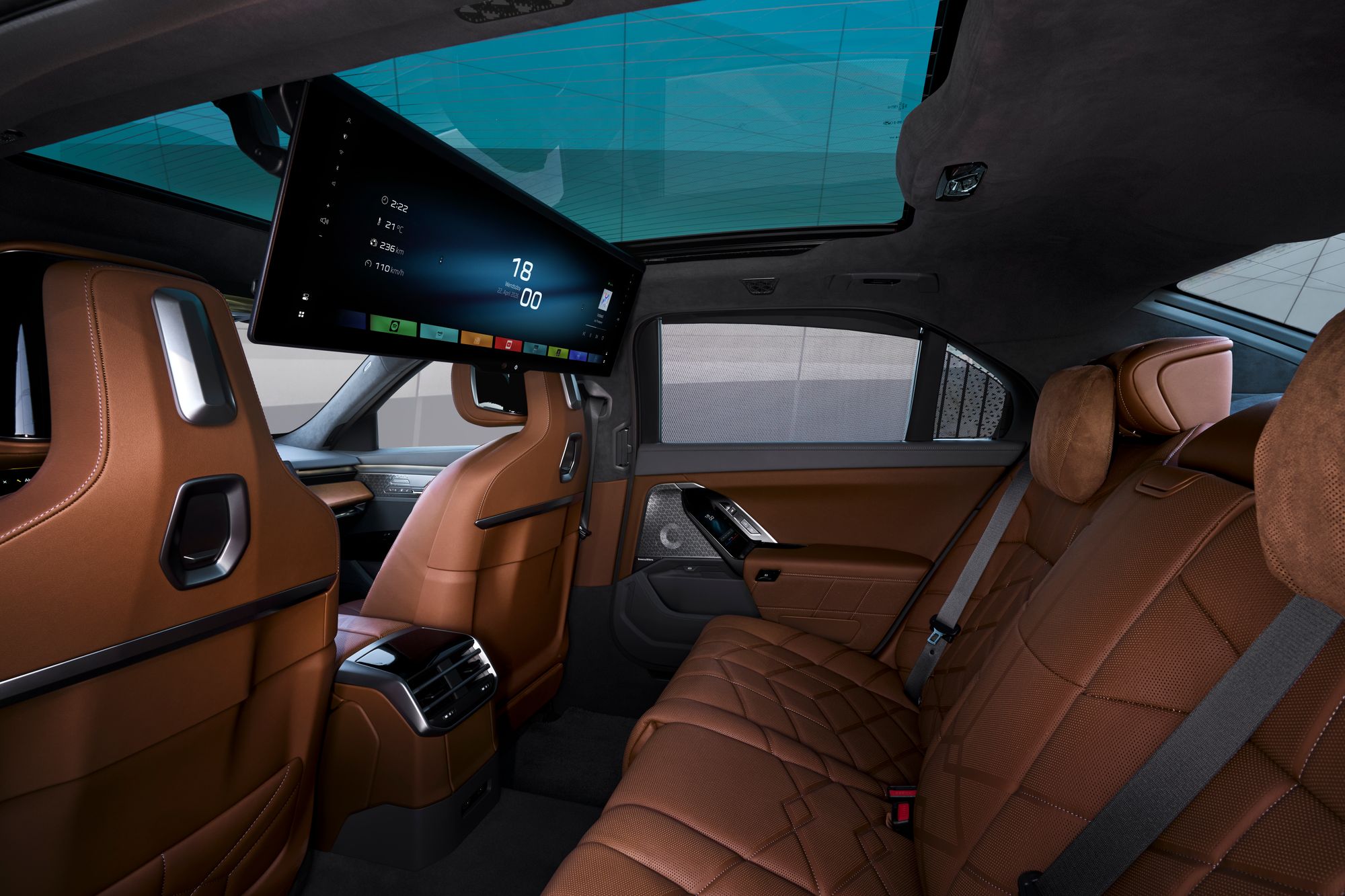
Inside, the changes are even more dramatic. BMW has introduced its new Panoramic iDrive system, powered by Operating System X, which spreads information across the base of the windscreen while a large central touchscreen – the same shape as that of the new BMW iX3 – and head-up display handle the rest. A new front passenger screen is fitted as standard for the first time, giving whoever’s riding shotgun their own infotainment setup.
Rear-seat passengers are also well catered for, with an upgraded Theatre Screen that now features 8K resolution and Dolby Atmos sound, plus the option of video conferencing on the move. BMW says the system can turn the rear cabin into anything from a private cinema to a mobile office.
Comfort remains a big part of the 7 Series brief, and the latest car continues that tradition with features such as adaptive air suspension, integral active steering and optional Executive Lounge seating in the rear, allowing passengers to recline at an angle of up to 43 degrees.
Under the skin, the focus is firmly on electrification. The new i7 line-up uses updated Gen6 battery technology with cylindrical cells, helping to boost range and efficiency. The entry-level i7 50 xDrive produces 455 bhp, and BMW claims it can travel up to 452 miles on a single charge.
Step up to the i7 60 xDrive and power rises to 544 bhp, with a range of up to 451 miles, while the range-topping i7 M70 xDrive delivers 680 bhp and can cover up to 426 miles. That flagship model also manages 0-62 mph in just 3.8 seconds.
Charging speeds have also improved, with a peak DC rate of 250 kW allowing a 10 to 80 per cent charge in around 28 minutes. BMW says the i7 50 xDrive and 60 xDrive can add up to 146 miles of range in ten minutes, depending on conditions (such as charger performance, battery charge level and ambient temperature).
Later in 2026, two plug-in hybrid versions will join the range. The 750e xDrive combines a six-cylinder petrol engine with electric power for a total of 489 bhp and up to 50 miles of electric-only range, while the M760e xDrive boosts output to 612 bhp.
BMW has also made a big push on digital features and driver assistance. The new 7 Series introduces enhanced Level 2 driver assistance systems, including hands-free motorway driving at speeds of up to 81 mph – although nobody would ever go above 70mph in the UK, would they? Around town, a new City Assistant can help with junctions, roundabouts and traffic lights, while still requiring driver supervision.
There’s also more of a focus on sustainability, with increased use of recycled materials and renewable energy in production. BMW says the latest battery technology and manufacturing processes help cut supply-chain emissions by around 30 per cent compared with previous models.
All versions of the new 7 Series will be built at BMW’s Dingolfing plant in Germany, with the car making its public debut at the Beijing motor show on 22 April 2026 ahead of its UK launch later in the year.
The new wave of Chinese EV brands heading for Britain
New Hyundai Ioniq 3 aims to make EV life simple
Mercedes reinvents the C-Class with 470-mile EV range and ginormous screen
Polestar 3 review: 800V tech makes this brilliant electric SUV even better
The Nissan Micra returns as a cool EV and I’ve driven it – here’s my honest review
The new wave of Chinese EV brands heading for Britain
We meet the nine-year-old racer whose first steps to F1 are electric