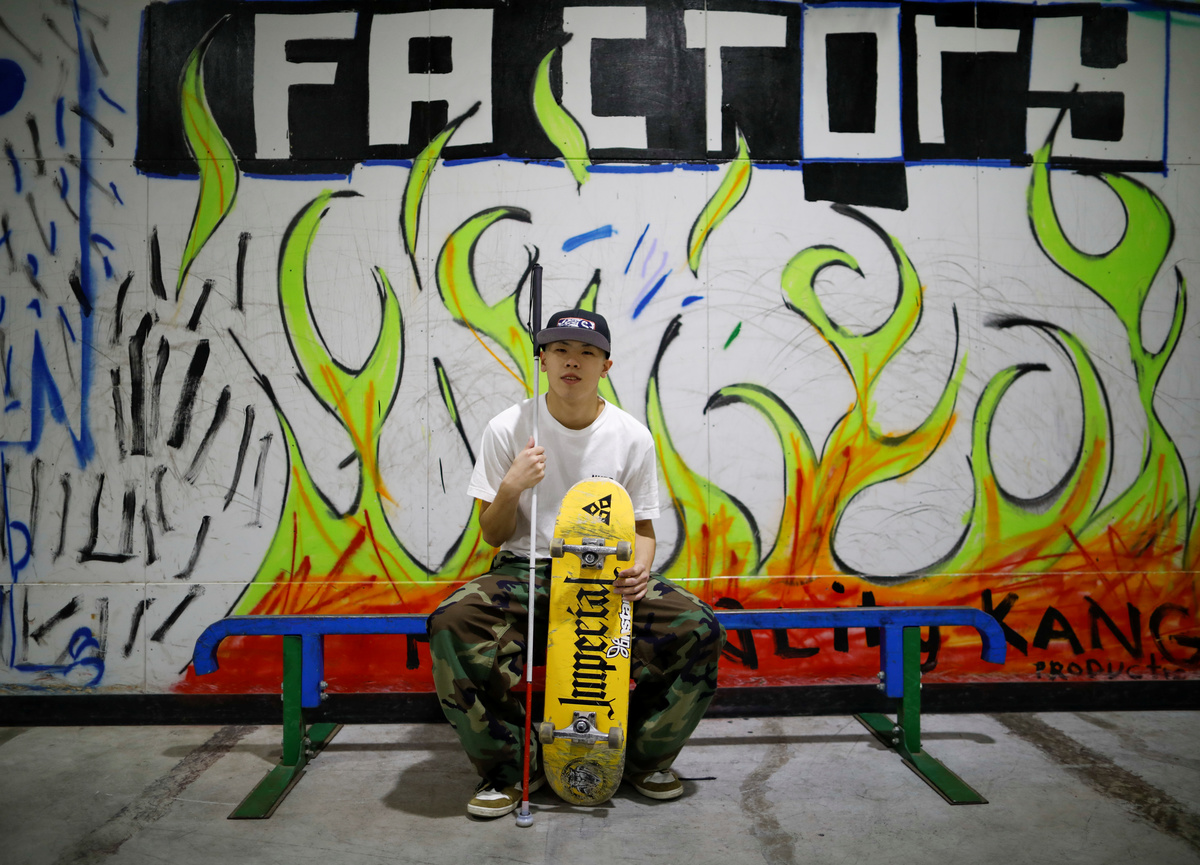
TOKOROZAWA, Japan (Reuters) - Ryusei Ouchi takes a deep breath as he uses his cane to feel out the edge of the three-metre-high ramp, shuffles to the edge and then drops in.
Like all skateboarders, the rush of air, the thrill of the ride, the sense of achievement in completing a trick are what drew the 19-year-old to the sport.
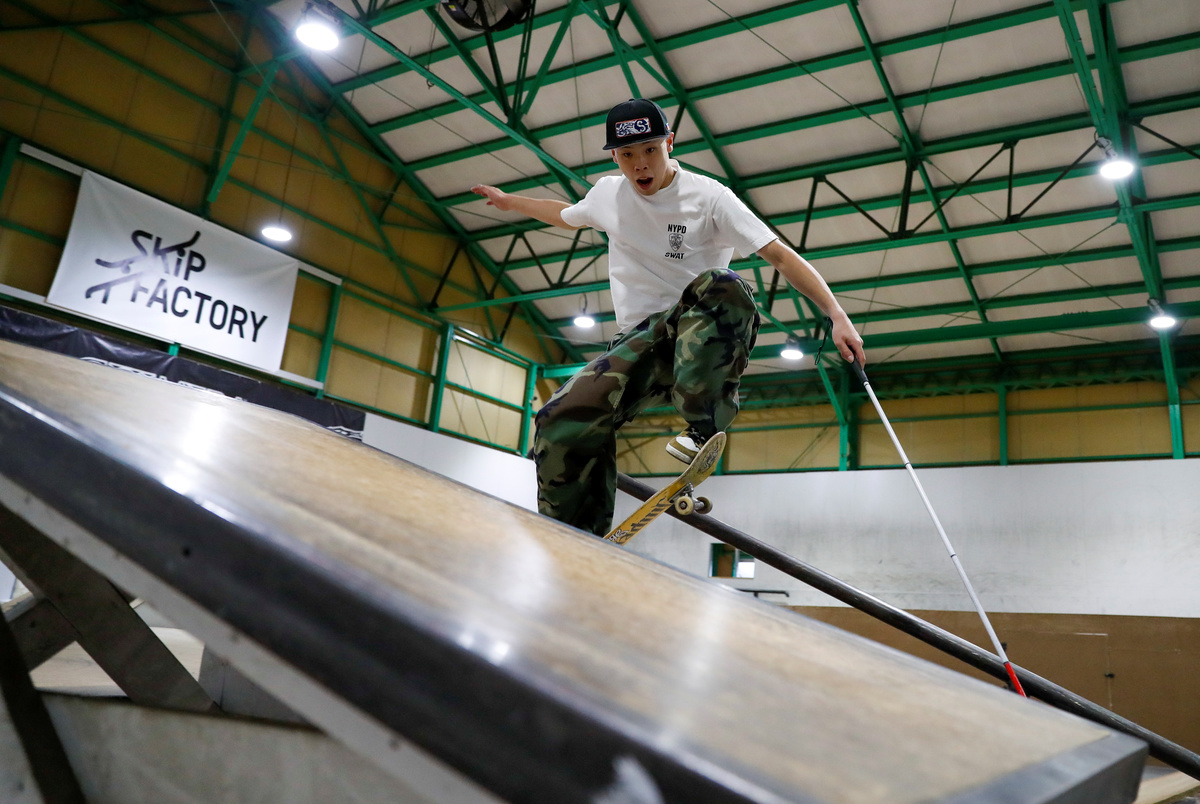
Unlike other boarders, however, Ouchi is almost completely blind.
Ouchi was born with perfect vision but since being diagnosed with an eye condition at the age of seven his sight has degenerated to the point where he needs a cane to navigate his local skatepark in Tokorozawa, north of Tokyo.
Dropping in off large ramps, riding rails and even performing handstand tricks, Ouchi has impressed the local skateboarding community and earned him a sizeable following on social media.
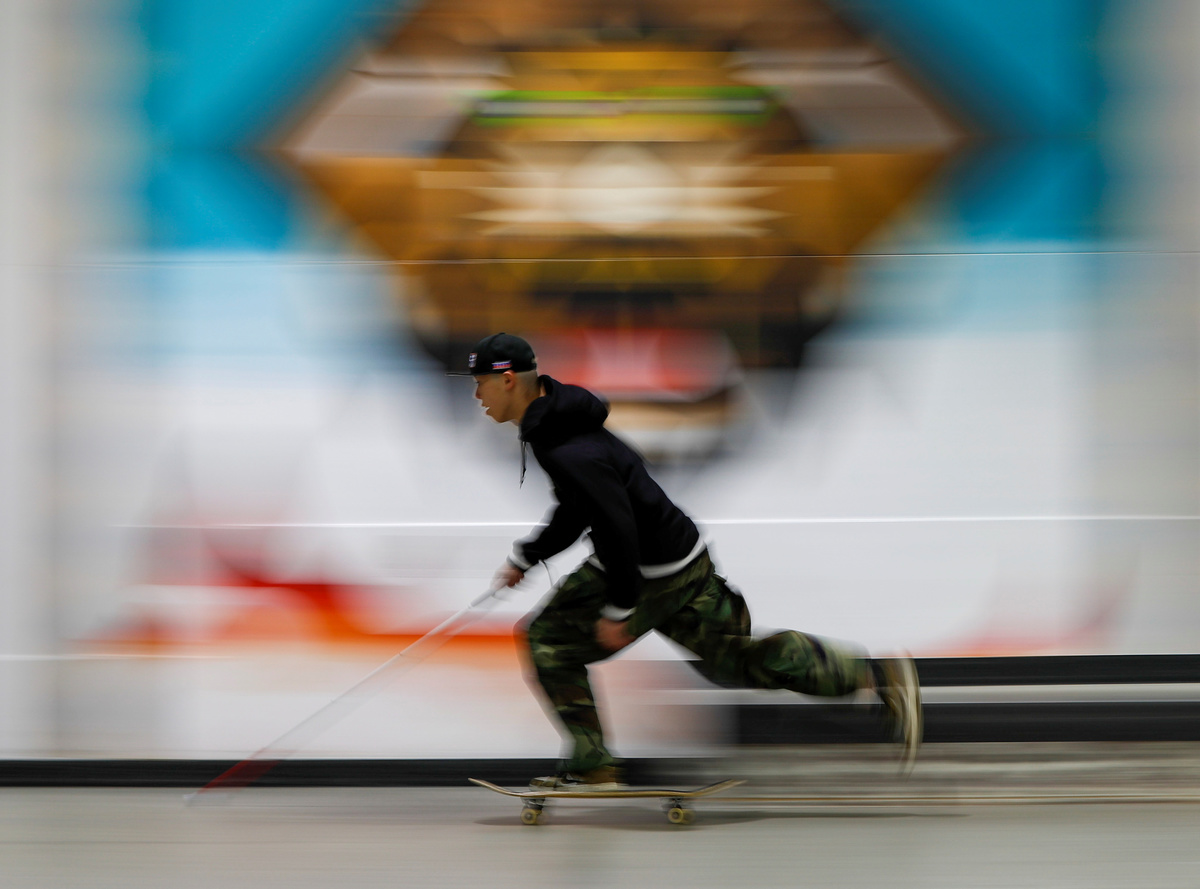
He is well aware of the dangers but says it comes with the territory.
“If I'm skateboarding I don't know how safe I can be, but that's life,” Ouchi told Reuters last week.
“I love skateboarding regardless and want to do it.”
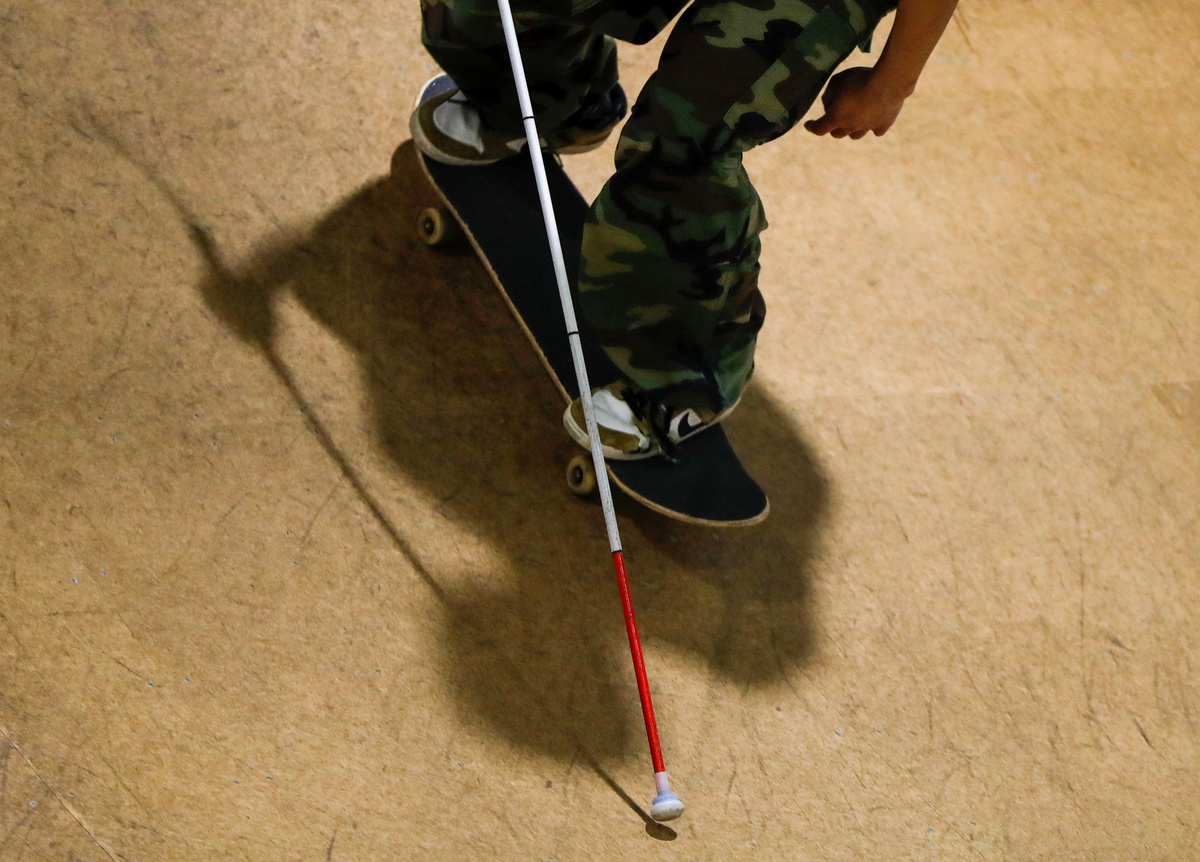
Ouchi started skateboarding at 15 when his eyesight began to degenerate faster. He realised he wanted to learn before it was too late.
“In my second year of high school, my eyesight got really bad, and all of a sudden the disease was progressing at a faster rate and I started panicking a little,” he said.
Skateboarding with friends gave Ouchi an outlet to express himself and he now heads to the skatepark several times a week.
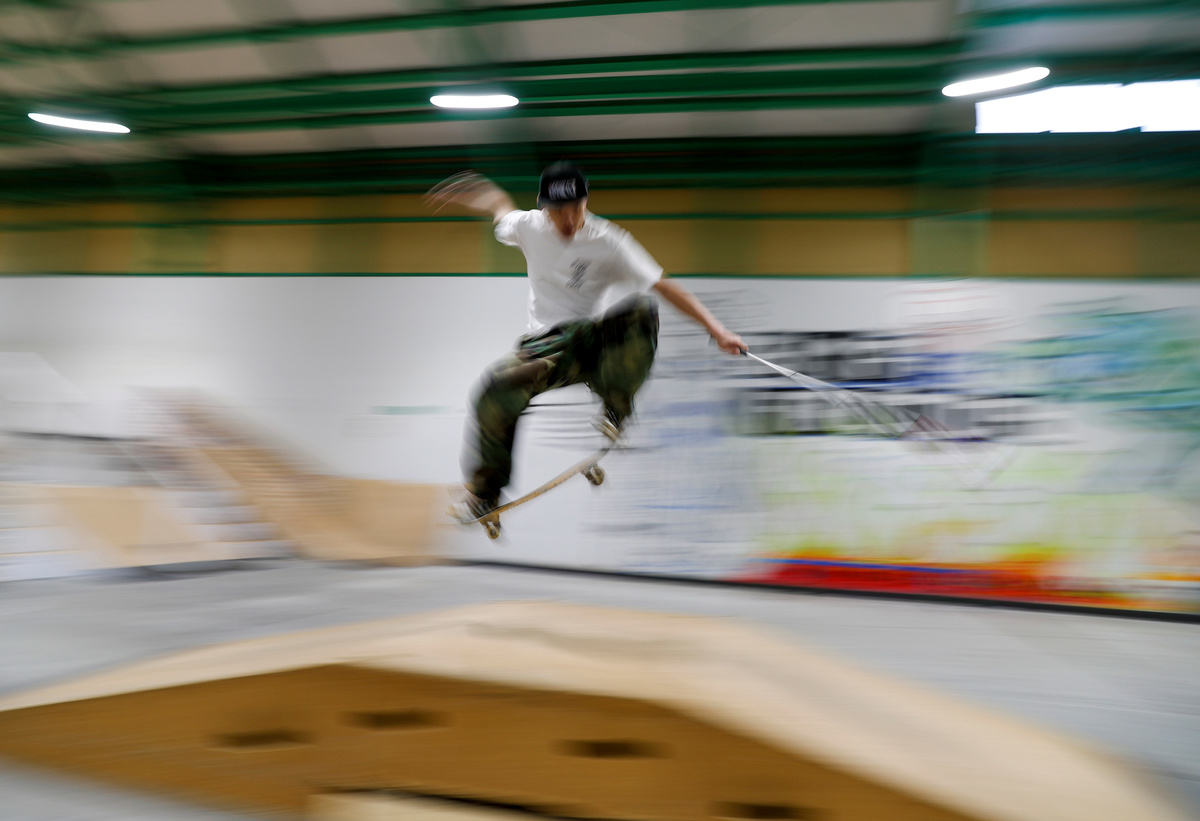
It took him a while to become fully accustomed to the layout, he said, but now he has a good mental picture of his surroundings, freeing him up to perform more tricks.
Skateboarding will feature as a new sport at next year's Tokyo Olympics, but not at the Paralympics.
Ouchi hopes that one day it might.
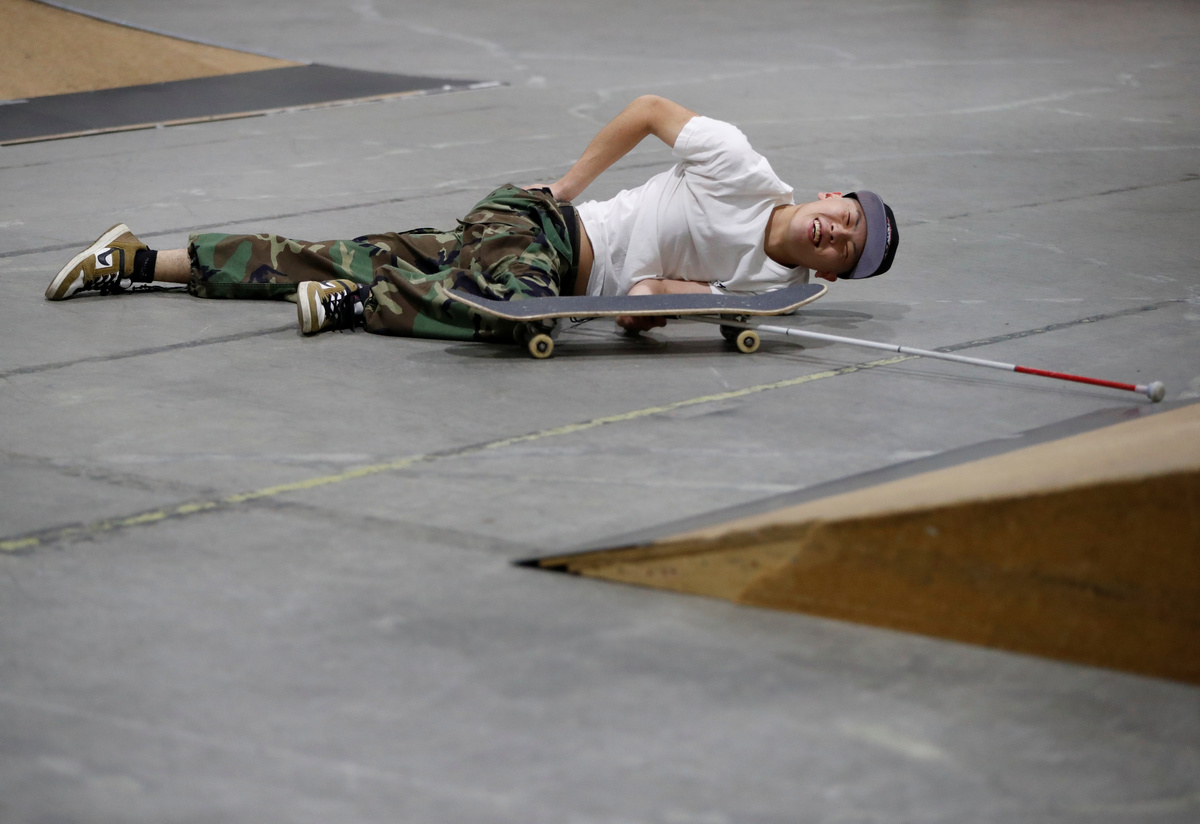
“Many people tell me that they can't believe I skateboard being blind. I get this often,” he said.
“Right now, it is not yet common for blind people to skateboard, at least in the minds of the general public.
“If it becomes a Paralympic sport, I think people will go, 'Huh?' and want to check it out.”
For now, Ouchi is happy to serve as an inspiration for others through his social media channels.
“As a skateboarder, even if I am blind I want to skateboard when I can, so I want to continue having pride in myself and spreading my story,” he said.
“As a member of the visually impaired community, aside from skateboarding there are many struggles.
“I want society to be more understanding.”
(Additional reporting by Aina Tanaka; editing by Peter Rutherford)