Get all your news in one place.
100’s of premium titles.
One app.
Start reading
The Guardian - UK
The Guardian - UK
Entertainment
Jonathan Jones

Bleating innocents or matted satans: the goat in art

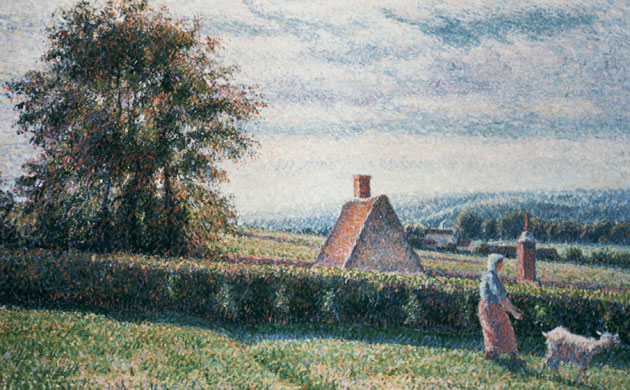
Goats in art: <Spring Pasture> by Camille Pissarro
Spring Pasture, Camille Pissarro (1889)
OK, let's stare at some goats. It's not only psychological operations specialists in US intelligence who have strange traffic with these hairy, horned pastoral beasts. Artists have been fixing their eyes on goats for thousands of years, with some equally weird and wonderful results
Photograph: Barney Burstein/ Burstein Collection/Corbis
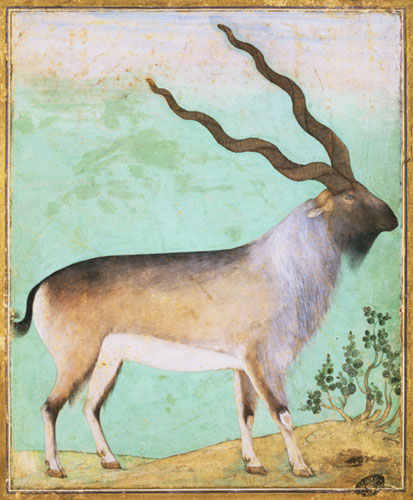
Goats in art: Mughal Miniature Painting Depicting an Ibex
Let's start with an introduction to the goat. This grazing mammal that seems to have evolved in the Middle East (ironically perhaps, given the military context of The Men Who Stare at Goats) was one of the first animals that human beings domesticated. Its geographical origins are indicated by this beautiful Mughal painting from 1607 Photograph: Philip Spruyt/ Stapleton Collection/Corbis
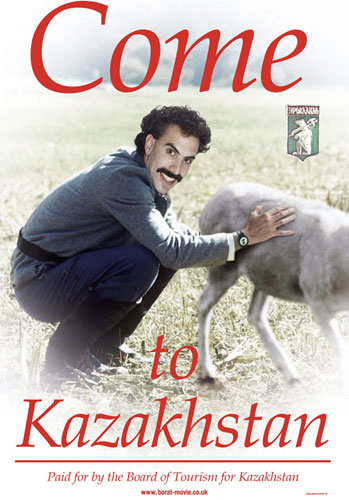
Goats in art: Fake Borat tourism poster
… and, funnily enough, by Borat's poster for the Kazakh tourist board Photograph: Twentieth Century Fox
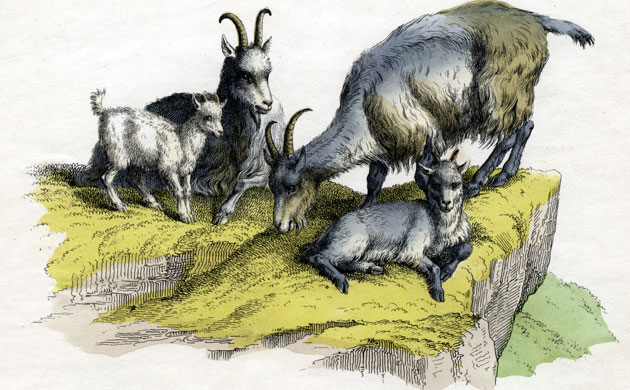
Goats in art: An illustration from The Natural History of Animals by Adam White, pub 1859
An illustration from The Natural History of Animals by Adam White (1859)
As agriculture and cities developed in the neolithic period, so did goat-herding
Photograph: PoodlesRock/Corbis
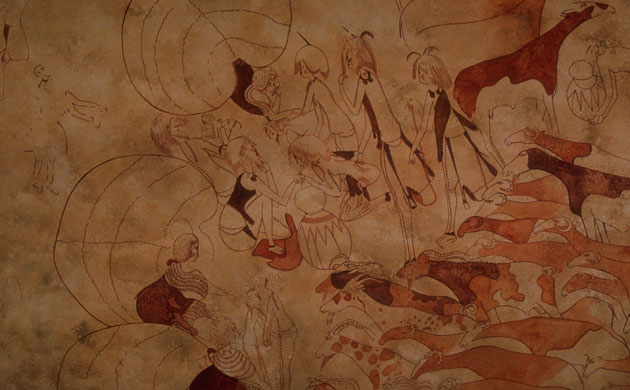
Goats in art: Encampment of Shepherds 4000-1500 BC
An encampment of shepherds, Tassili N'Ajjer, Algeria (4000-1500BC)
Art exploded in the eastern Mediterranean region, evolving from cave paintings and figurines to the more complex art of the first civilisations
Photograph: Pierre Colombel/ Pierre Colombel/Corbis
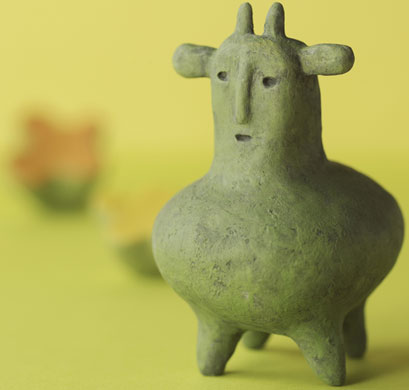
Goats in art: Folk Art Figurine
The goat became a cultural icon Photograph: Bloomimage/Corbis
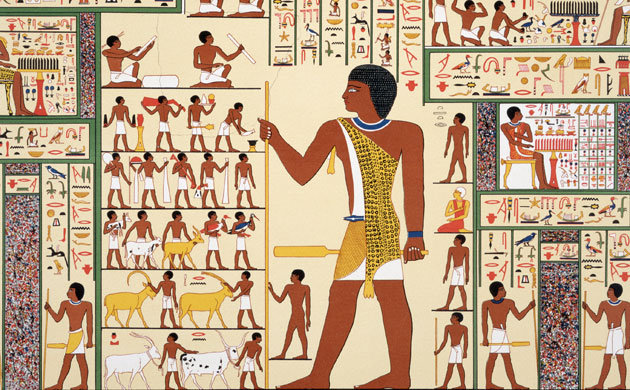
Goats in art: Wall Painting with Egyptian Hieroglyphics from Tomb 24, Giza
You can already see it in an Egyptian painting from Tomb 24, Giza, that dates from the 12th century BC, which portrays domesticated goats as part of Egypt's agricultural splendour Photograph: Philip de Bay/ Historical Picture Archive/CORBIS
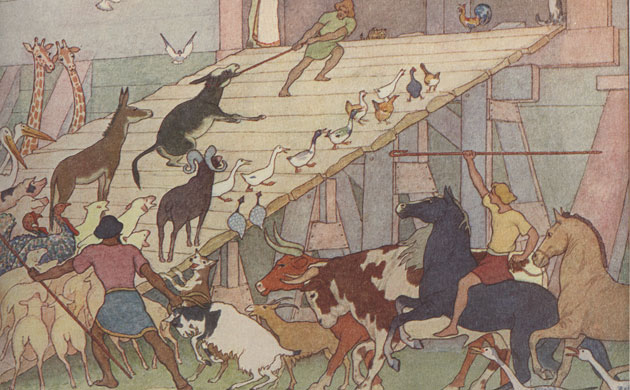
Goats in art: <Going on Board> by E. Boyd Smith
A book illustration of Noah's Ark by E Boyd Smith (1905)
But the goat has a darker side, too: its reputation for unruliness is reflected in this Edwardian watercolour, which focuses on a recalcitrant billy being manhandled on to Noah's Ark
Photograph: Blue Lantern Studio/Corbis
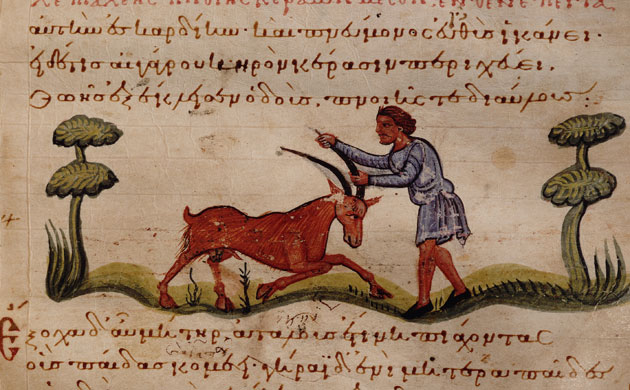
Goats in art: Cynegetica: a Goat Breeder
Goats, it seems, irritated their shepherds – here's one in the 11th century. They were odd. They were naughty. They were oversexed. Or perhaps it is just the phallic horns that male, and some female, goats possess that gave the goat its lustful image Photograph: Alfredo Dagli Orti/ The Art Archive/Corbis
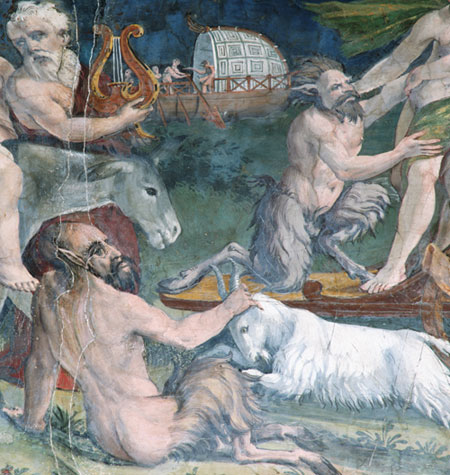
Goats in art: Fresco of Silenus Leading the Triumph of Bacchus with Satyrs & Maenads
16th-century Fresco Depicting Silenus Leading the Triumph of Bacchus with Satyrs and Maenads
In ancient Greek myth goats are associated with the lewd and the wild. There is the great god Pan with his goat legs; there are the fauns, followers of Bacchus, who in Roman times acquired goat legs of their own. Pan and the fauns are associated with misrule, drunkenness, "panic" and sex
Photograph: Araldo de Luca/Araldo de Luca/Corbis
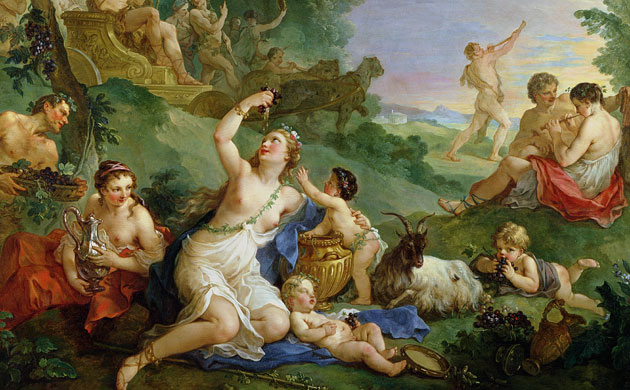
Goats in art: <The Triumph of Bacchus> by Charles Joseph Natoire
In paintings of Bacchic revels, like The Triumph of Bacchus by Charles Joseph Natoire, you'll always find them, sticking their suggestive horns in the air Photograph: The Gallery Collection/Corbis
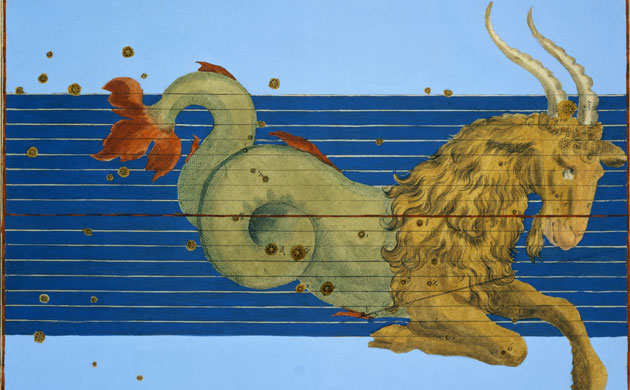
Goats in art: Constellation of Capricorn by Alexander Mair
Constellation of Capricorn by Alexander Mair
In 16th-century art half-human, half-goat monsters loiter about, satiating their bestial needs
Photograph: Stapleton Collection/Corbis
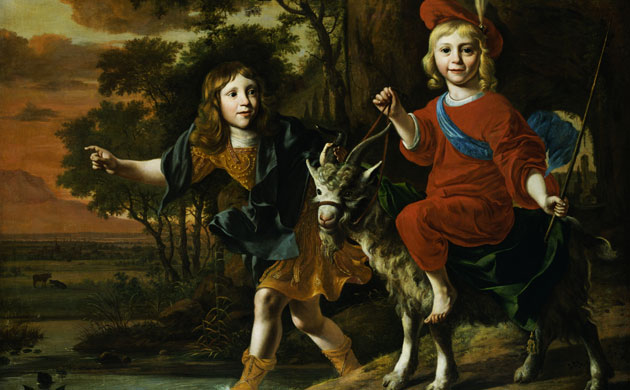
Goats in art: Christoffel Pierson's Portrait of a Young Boy
Portrait of a Young Boy Wearing Classical Dress and His Brother Seated on a Goat in an Extensive Landscape by Christoffel Pierson (1670)
And yet, to classically minded painters, a goat was also an appropriate creature to put in a portrait of a child as an emblem of the classical tradition itself
Photograph: Christie's Images/Corbis
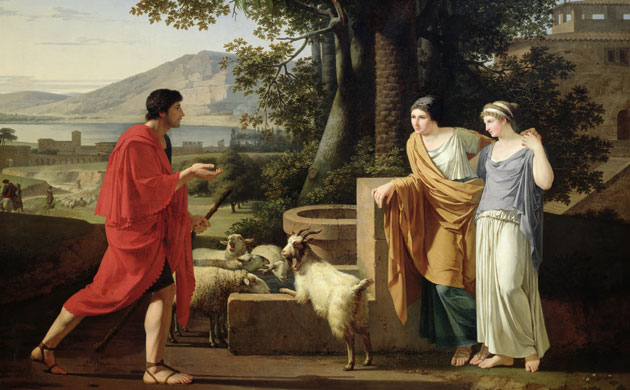
Goats in art: <Jacob with the Daughters of Laban> by Louis Gauffier
Jacob with the Daughters of Laban by Louis Gauffier (1787)
Starting as a symbol of lust, it becomes an emblem of the classical as such – the survivor of the pastoral Golden Age
Photograph: The Gallery Collection/Corbis
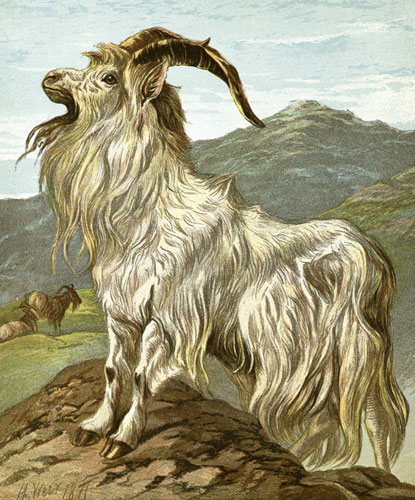
Goats in art: Lithograph of Mountain Goat by H. Weir, dated 1871
Lithograph of Mountain Goat, by H Weir, dated 1871
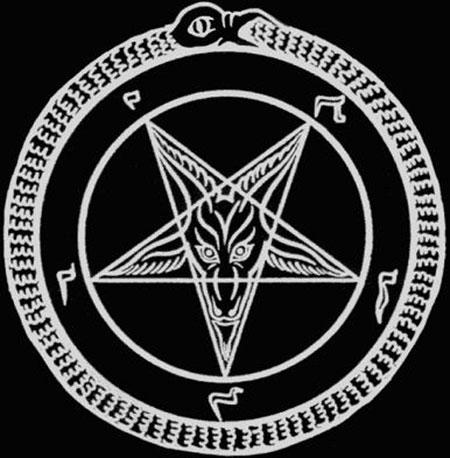
Other artists are more severe. The classical association of goats with Pan made them fair game when Pan in turn transmogrified into the Christian image of Satan
Photograph: Trolley Dodger/Corbis
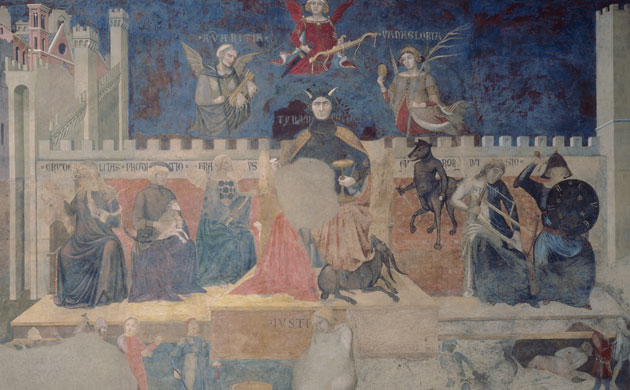
Goats in art: Detail of Allegory of Bad Government by Ambrogio Lorenzetti
In Ambrogio Lorenzetti's great fresco of Bad Government and its Effects (1338–1340) in the Palazzo Pubblico in Siena, a horned Satanic tyrant is accompanied by a goat as his familiar Photograph: Alinari Archives/Corbis
Goats in art: Goat pentagon satanic sign
The symbol survives in modern satanism Photograph: Public Domain
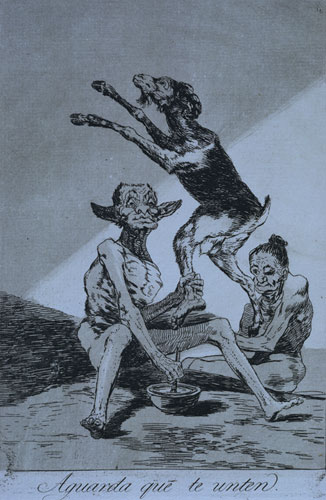
Goats in art: <Wait Until You've Been Anointed> by Francisco Jose de Goya y Lucientes
Most chilling of all is Goya's nightmare of witches playing with a goat, Wait Until You've Been Anointed (1797–1798) – the distillation of a rich and terrible European iconography of the devil's sabbath Photograph: Barney Burstein/ Burstein Collection/Corbis
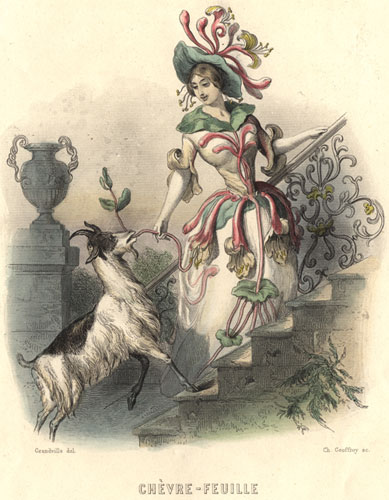
Goats in art: <Chevre-Feuille> by J.J. Grandville
Chevre-Feuille by JJ Grandville (1847)
So, in staring goats to death the psychic operatives tracked down by Jon Ronson may subliminally have believed they were staring down the devil
Photograph: Cynthia Hart/ Cynthia Hart Designer/Corbis
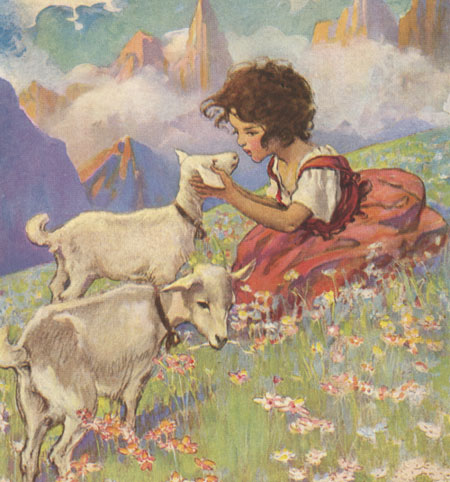
Goats in art: Illustration of Heidi and Her Goats by Jessie Willcox Smith
Or perhaps they just like picking on bleating innocents like the mountain goats portrayed in Jessie Wilcox Smith's 1923 children's book illustration. Here, Heidi and one of her flock share a stare so intense a passing gamboller feels the need to look away Photograph: Blue Lantern Studio/Corbis
Sign up to read this article
Read news from 100’s of titles, curated specifically for you.
Already a member? Sign in here
Related Stories
Top stories on inkl right now
One subscription that gives you access to news from hundreds of sites
Already a member? Sign in here
Our Picks
Fourteen days free
Download the app
One app. One membership.
100+ trusted global sources.