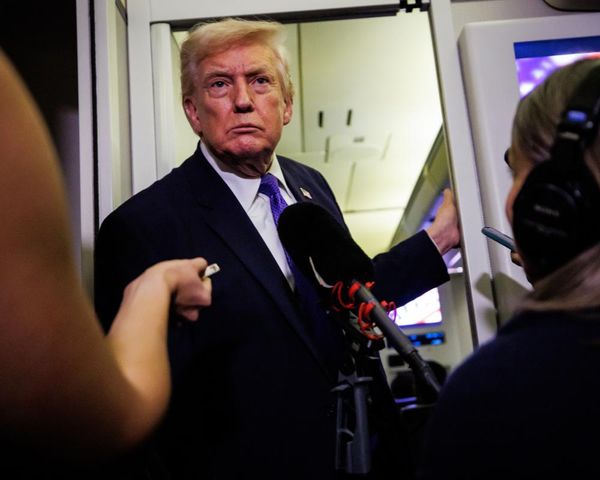
Such is the scale of this disaster that Mr Bush would probably have been criticised however he had responded. He was already under fire for taking the longest summer vacation in presidential history and he stayed put at his ranch in Texas as Katrina made her deadly landfall. On Wednesday, two days after the hurricane struck, he flew over the area in Air Force One, only arriving yesterday (but not in New Orleans itself) to see the scene for himself, though he did declare that relief efforts so far had been inadequate. He sounded grave, but spoke of hope ahead, even in these "darkest days". In previous public appearances, his tone and demeanour seemed inappropriate, further evidence of the tin ear he displayed when referring to Osama bin Laden and the 9/11 hijackers as "folks". It is hard to disagree with the New York Times, famously restrained in its use of language, whose editorial found that Mr Bush's response had been "casual to the point of carelessness". The Times' former editor, Howell Raines, wrote in our pages that his behaviour was "outrageous".
More substantive points include charges that the president cut funding for the levees that were supposed to protect New Orleans from floods. Others have singled out the damaging and greedy redevelopment of coastal wetlands. Not all the criticism stands up to close scrutiny. Even with full funding in recent years, none of the flood-control projects would have been completed in time to prevent the swamping of the city. Staving off cuts to the budget of army engineers would not have helped since the destruction was vaster than any contingency. Still, there is a widespread perception that the sheer scale of the problems reflects a shuffling of resources - to pay for tax cuts and the Iraq adventure - that has left the US far too vulnerable. It is all a brutal reminder that government policies, sometimes followed only in the small print of rows over obscure budget allocations, can have real - and deadly - consequences for real people.
The words "homeland security" now have a terribly hollow ring in the anarchic south: 35% of Louisiana's National Guard is serving in Iraq, where four out of every 10 soldiers are guardsmen. And recruiting is down because people fear being sent to Iraq. The priority given to law and order seems a troubling inverse reflection of what happened after the fall of Baghdad. Is it really more important to use deadly force against looters than to deliver humanitarian aid effectively?
Elemental forces do not take account of secular political timetables, but Katrina struck at a moment when the president's ratings were at a second-term low. Americans, especially the poor black people who are the hurricane's main victims, will need to see a much more effective government response to this natural weapon of mass destruction if Mr Bush's reputation is not to sink further as the killer floodwaters start to recede.