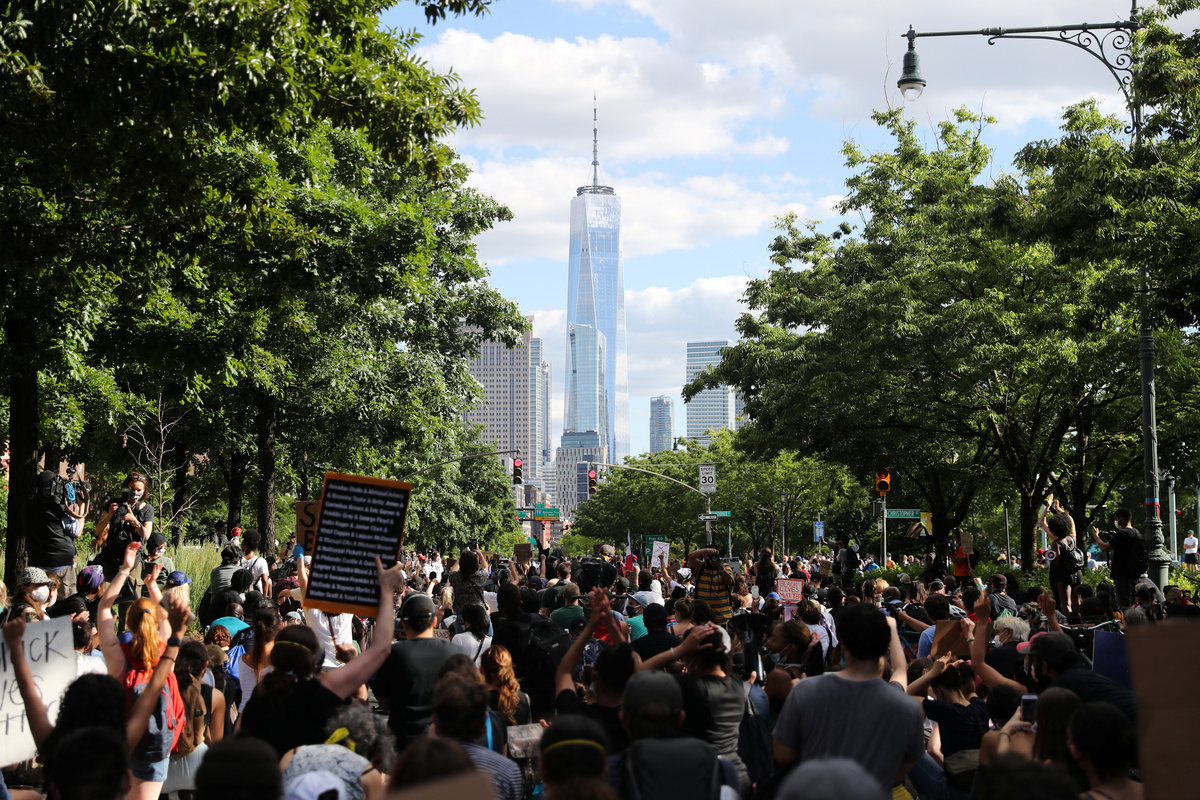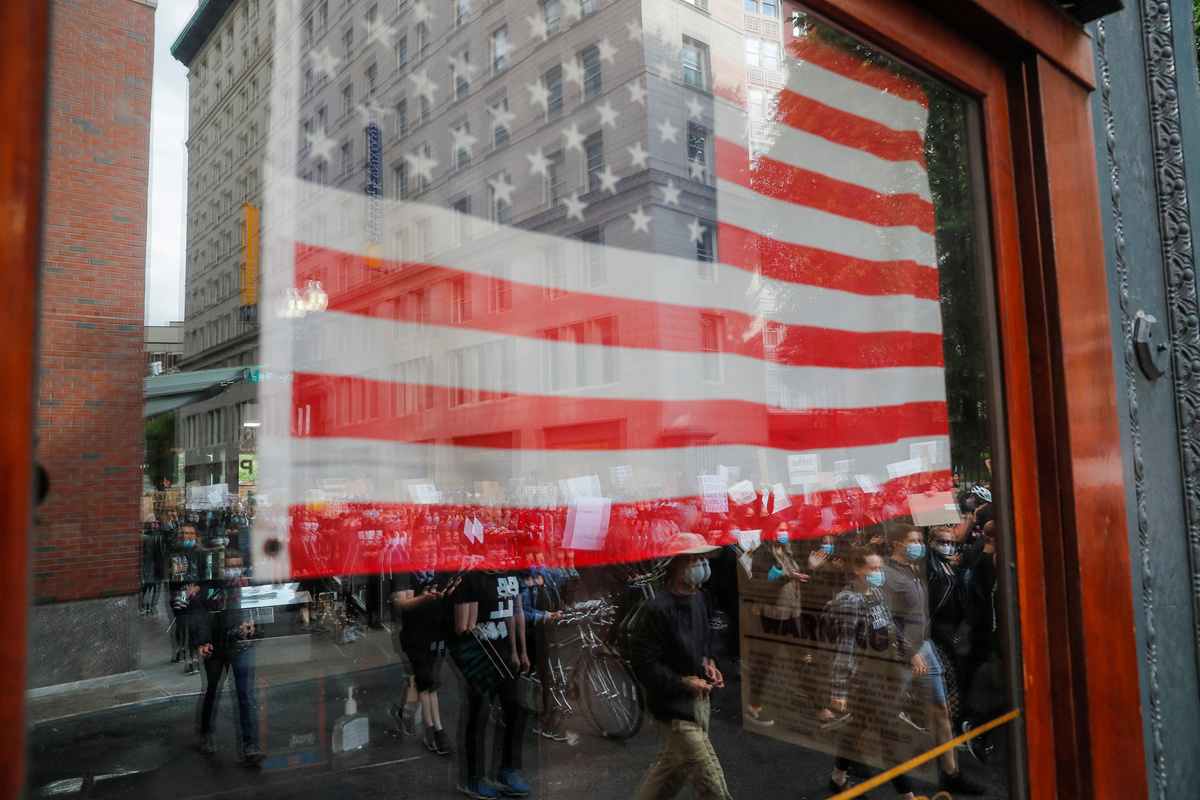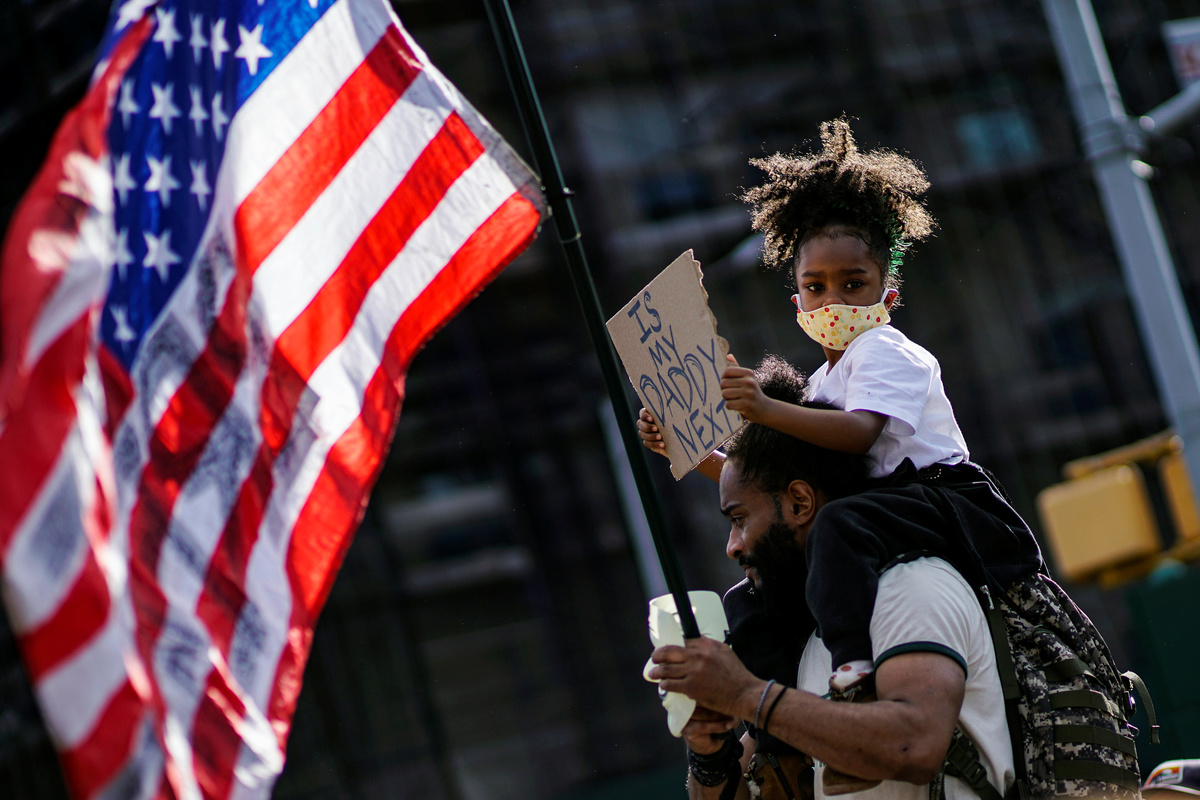
A mounting wave of protests demanding police reform after the killing of a black man in Minneapolis swept across the United States on Sunday, building on the momentum of huge demonstrations across the country the day before.
In response, a majority of city council members in Minneapolis pledged to abolish the police department, though how they would navigate that long, complex undertaking was not yet known.
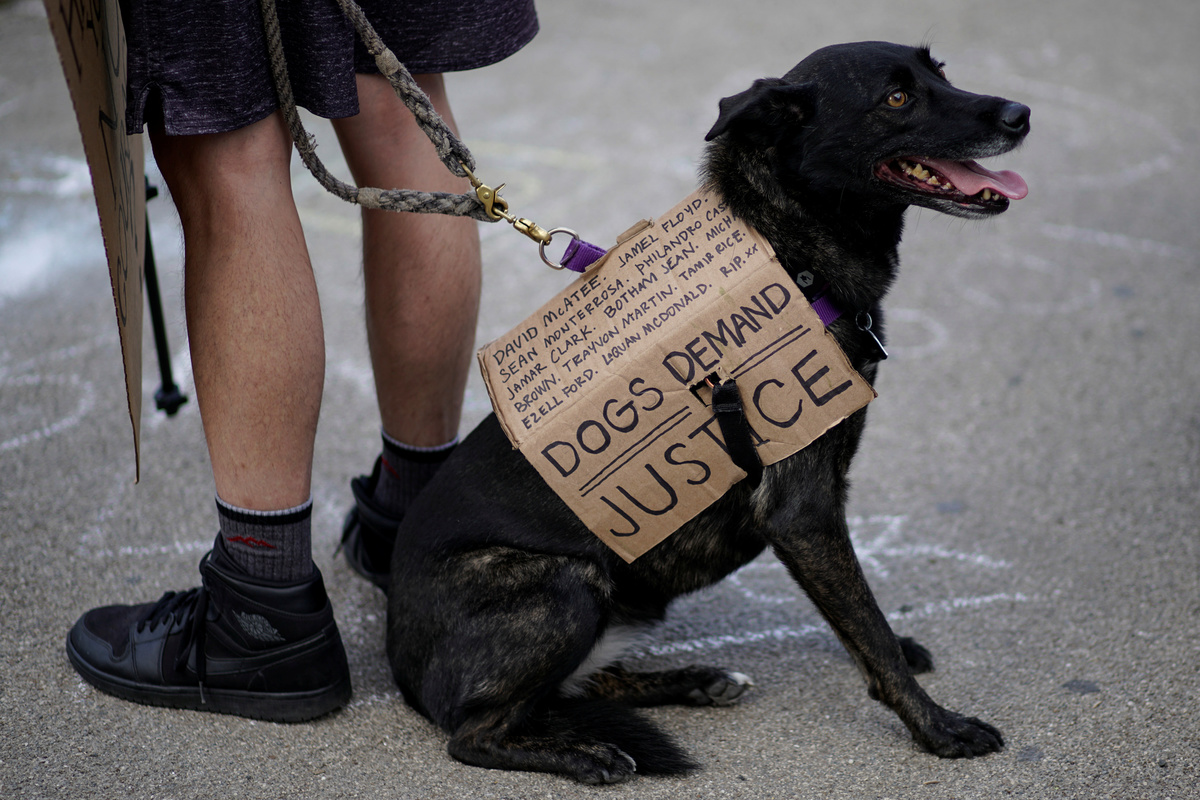
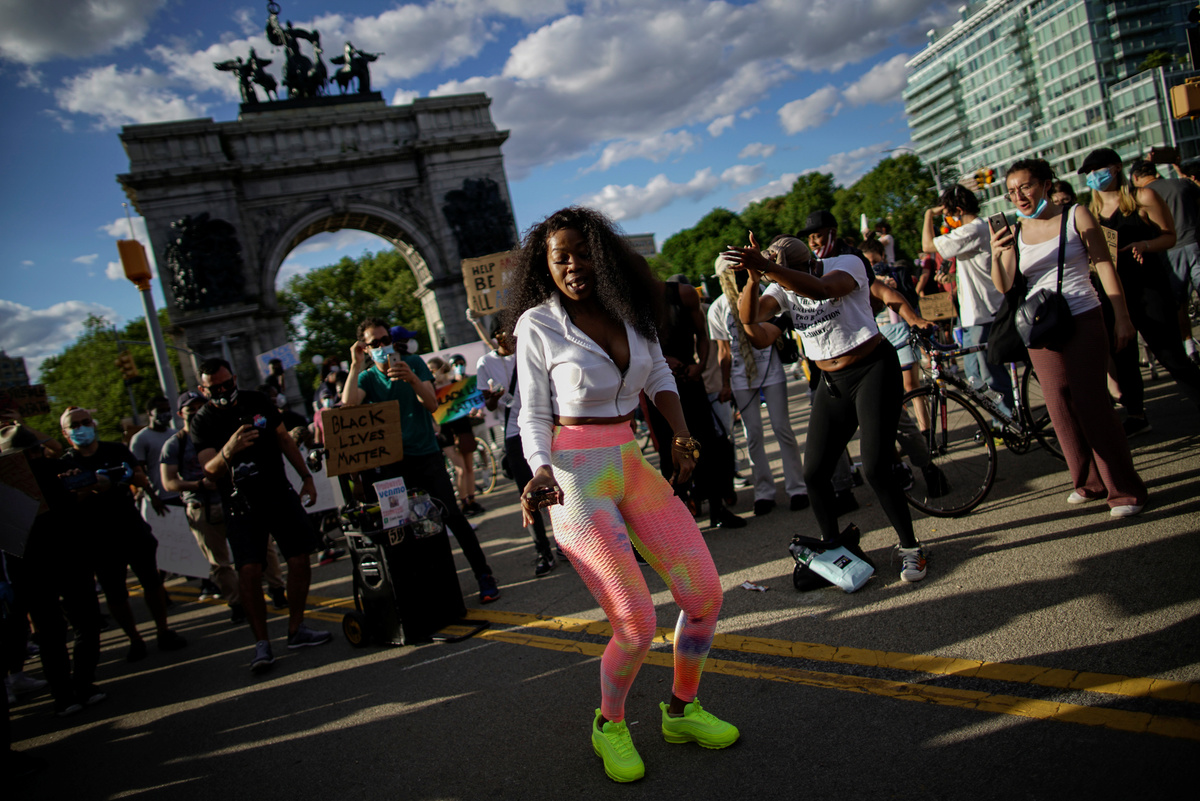
In some of the largest protests yet seen across the United States, a near-festive tone prevailed over the weekend. Most unfolded with no major violence, in sharp contrast to heated clashes between marchers and police in previous days.
The outpouring of protests followed the May 25 killing of George Floyd, a 46-year-old black man who died after being pinned by the neck for nine minutes by a white officer's knee. A bystander's cellphone captured the scene as Floyd pleaded with the officer, choking out the words "I can't breathe."
"I have cops in my family, I do believe in a police presence," said Nikky Williams, a black Air Force veteran who marched in Washington on Sunday. "But I do think that reform has got to happen."
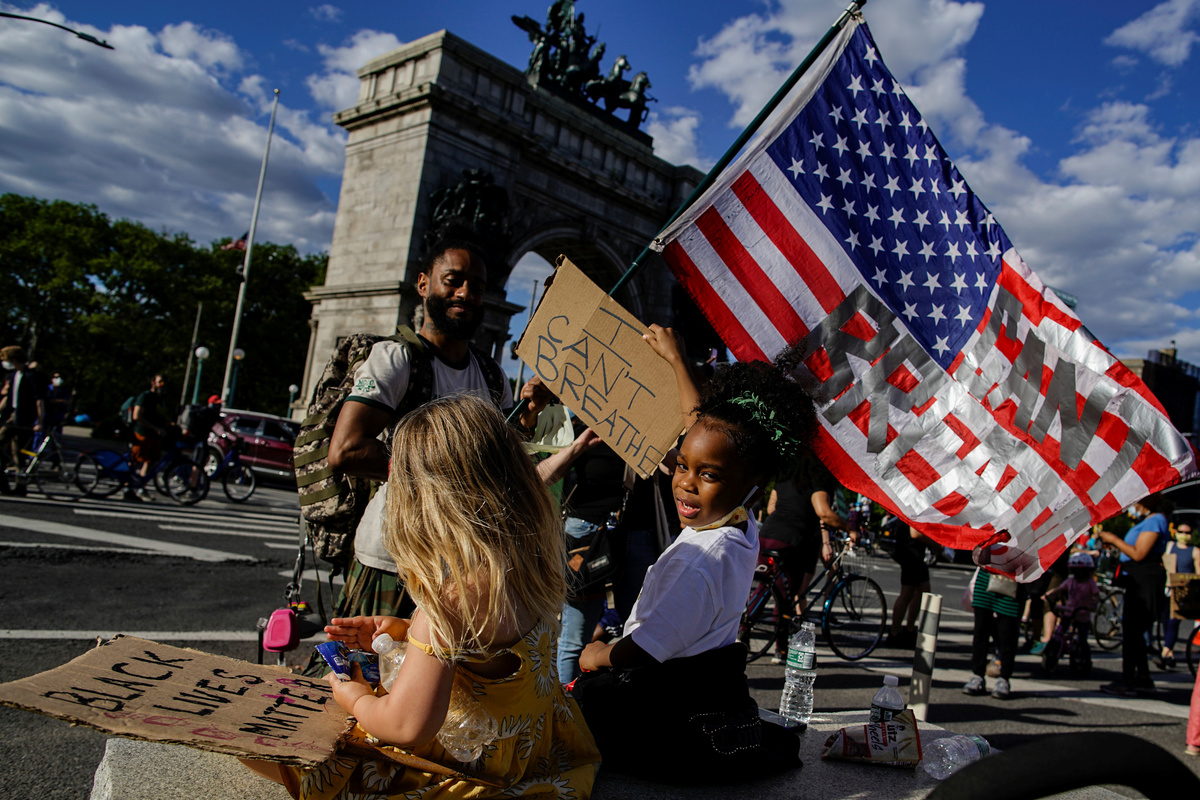
The change in the tenor of the demonstrations this weekend may reflect a sense that the demands of protesters for sweeping police reform were resonating in many strata of American society.
Nine members of the 13-person Minneapolis City Council pledged on Sunday to do away with the police department in favor of a community-led safety model, a step that would have seemed unthinkable just two weeks ago.
"A veto-proof majority of the MPLS City Council just publicly agreed that the Minneapolis Police Department is not reformable and that we're going to end the current policing system," Alondra Cano, a member of the Minneapolis council, said on Twitter.
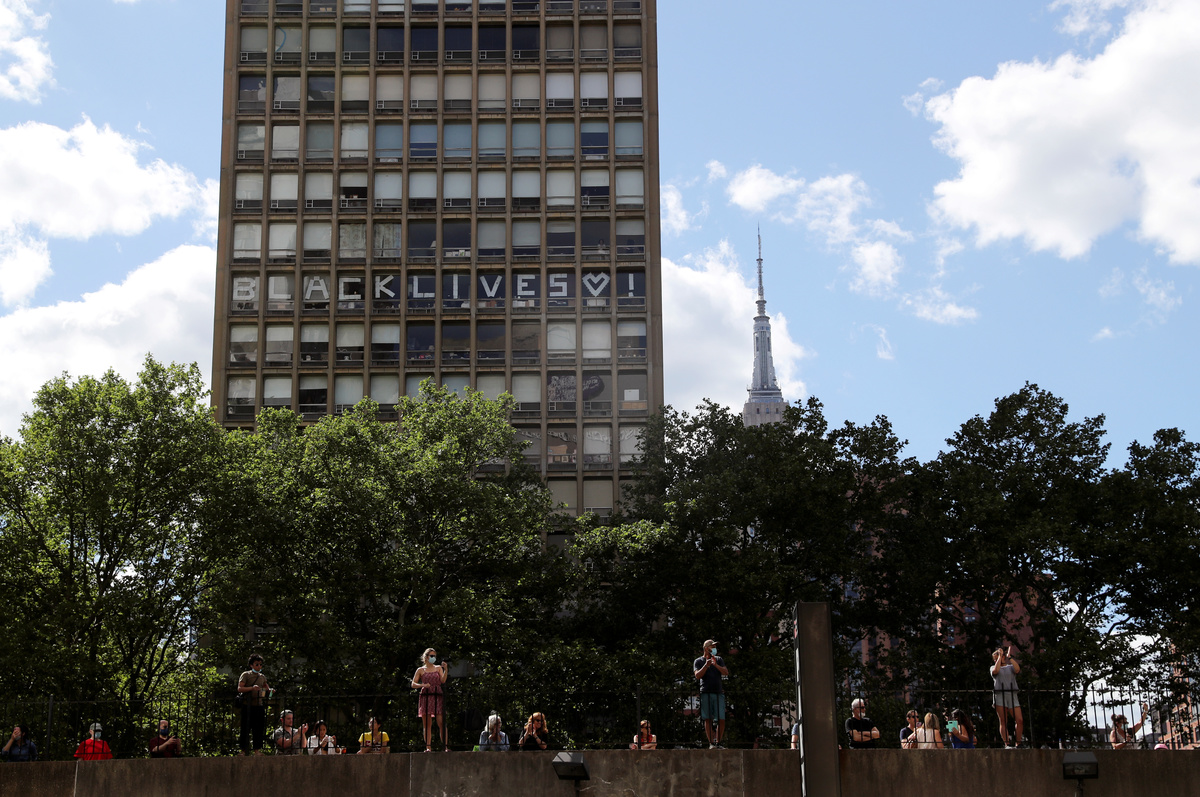
Minneapolis City Council president Lisa Bender told CNN "the idea of having no police department is certainly not in the short term."
In New York, Mayor Bill de Blasio announced a series of reforms he said were designed to build trust between city residents and the police department.
De Blasio told reporters he would shift an unspecified amount of money out of the police budget and reallocate it to youth and social services in communities of color.
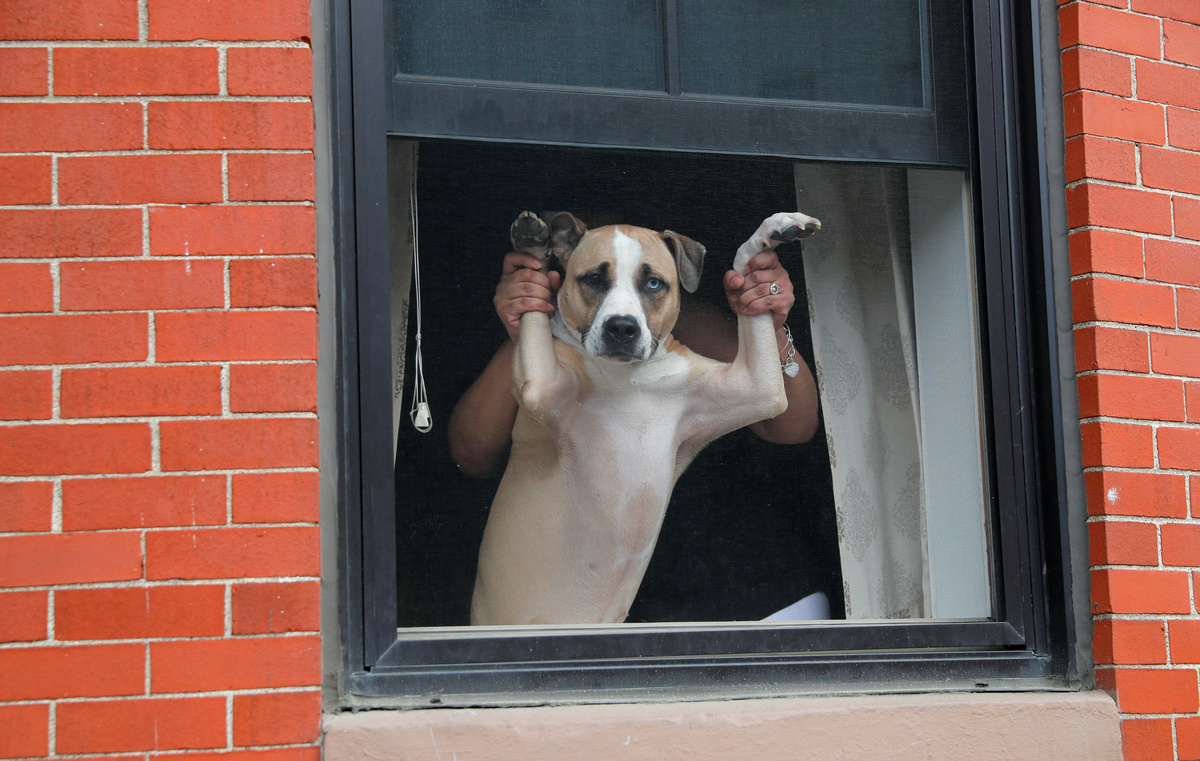
He said he would also take enforcement of rules on street vending out of the hands of police, who have been accused of using the regulations to harass minority communities.
Curfews were removed in New York and other major cities including Philadelphia and Chicago.
TALKING REFORM
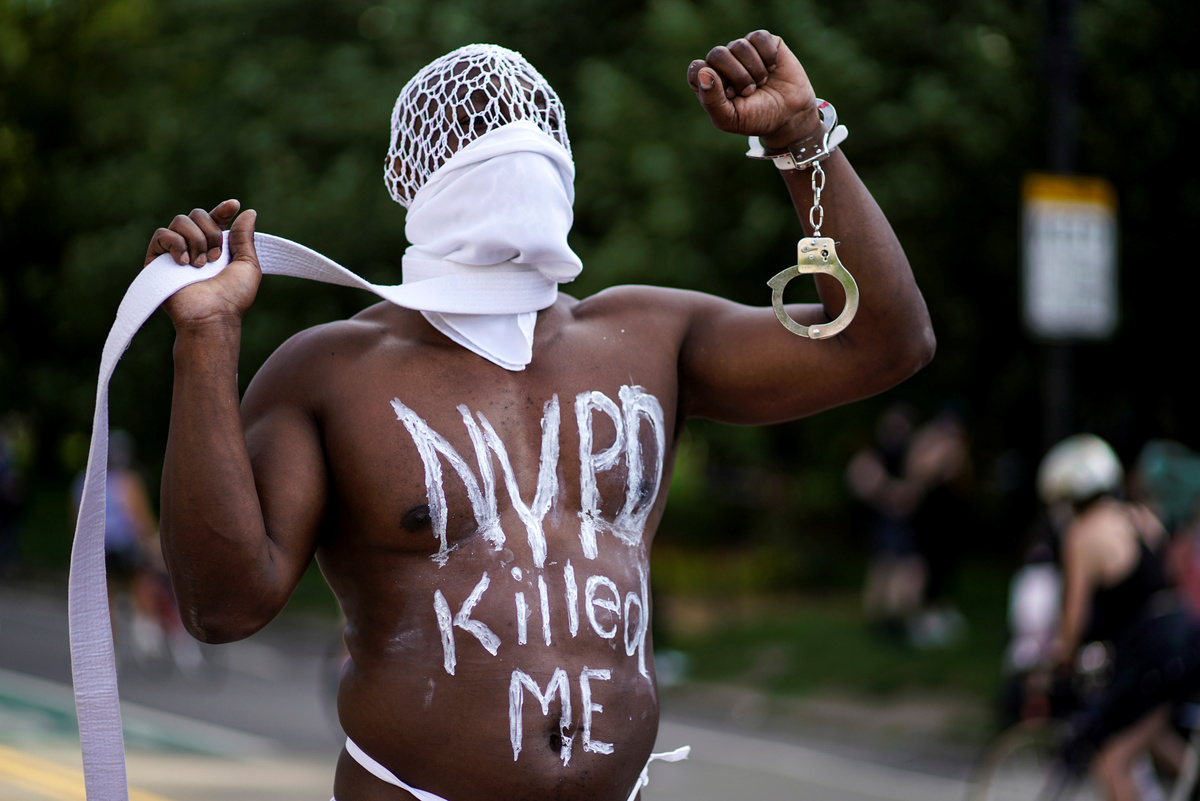
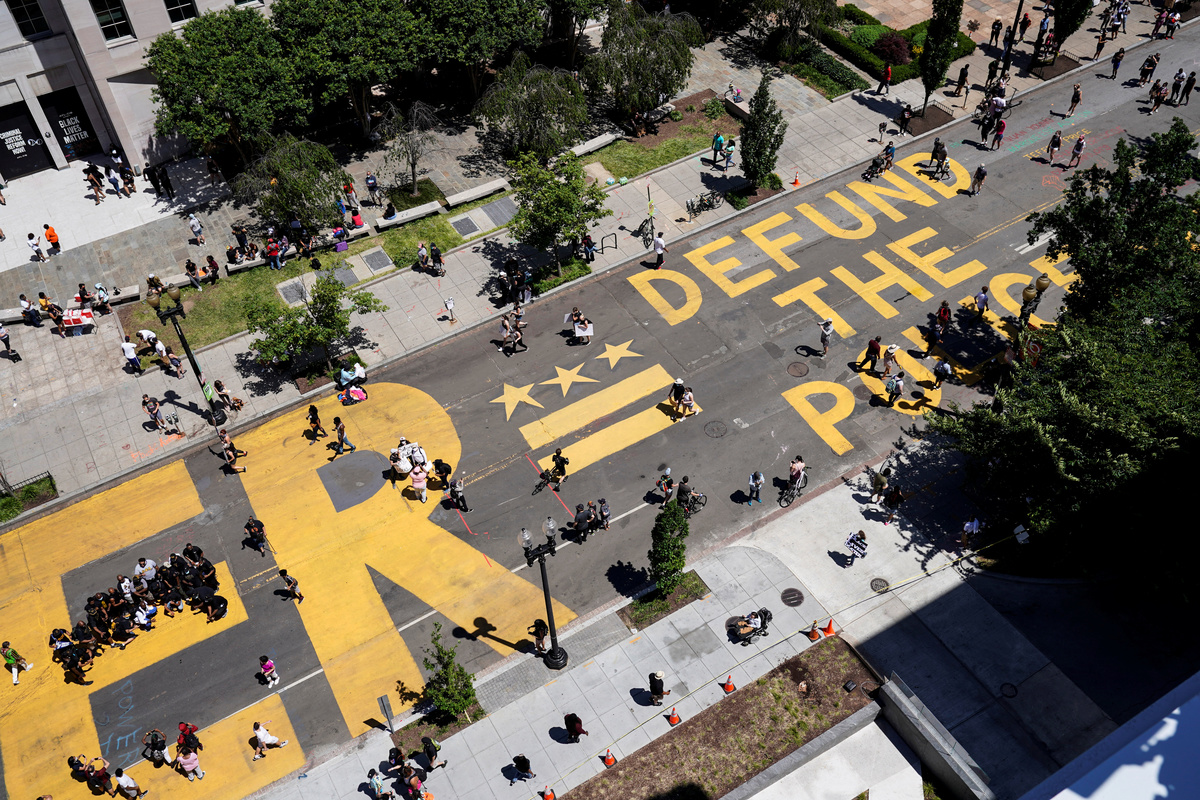
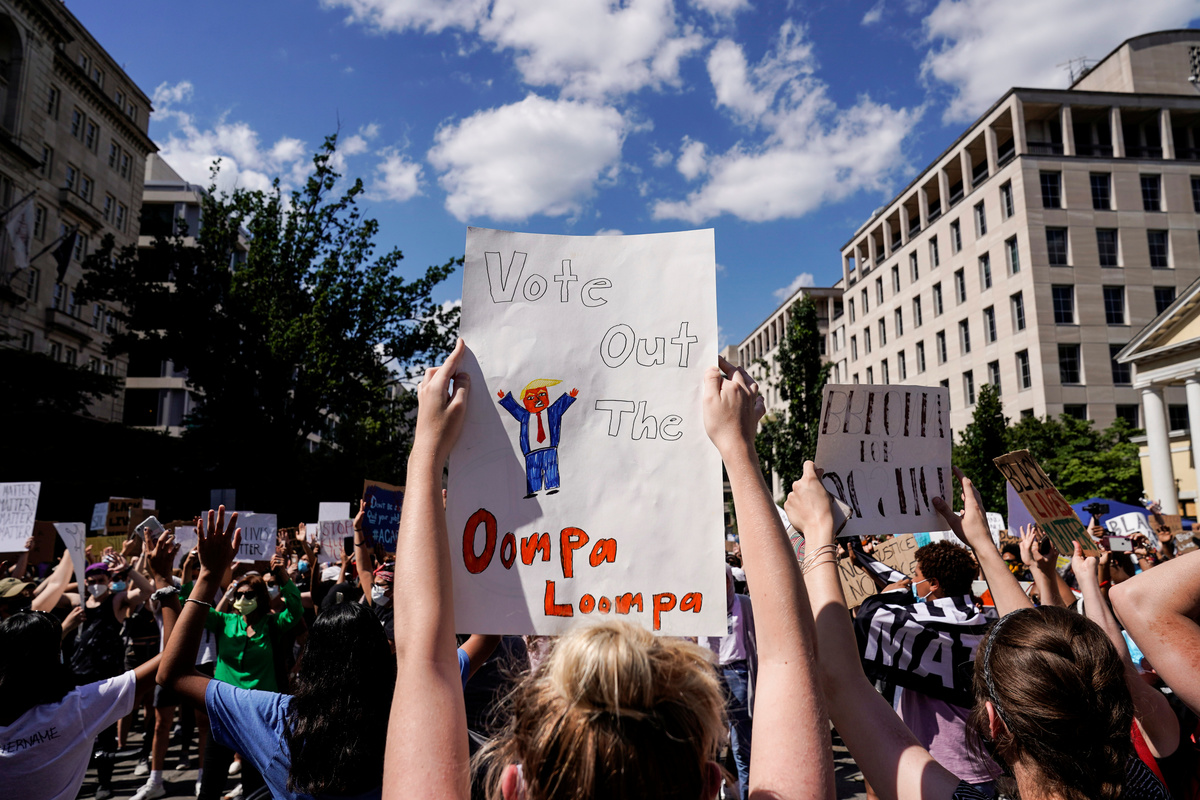
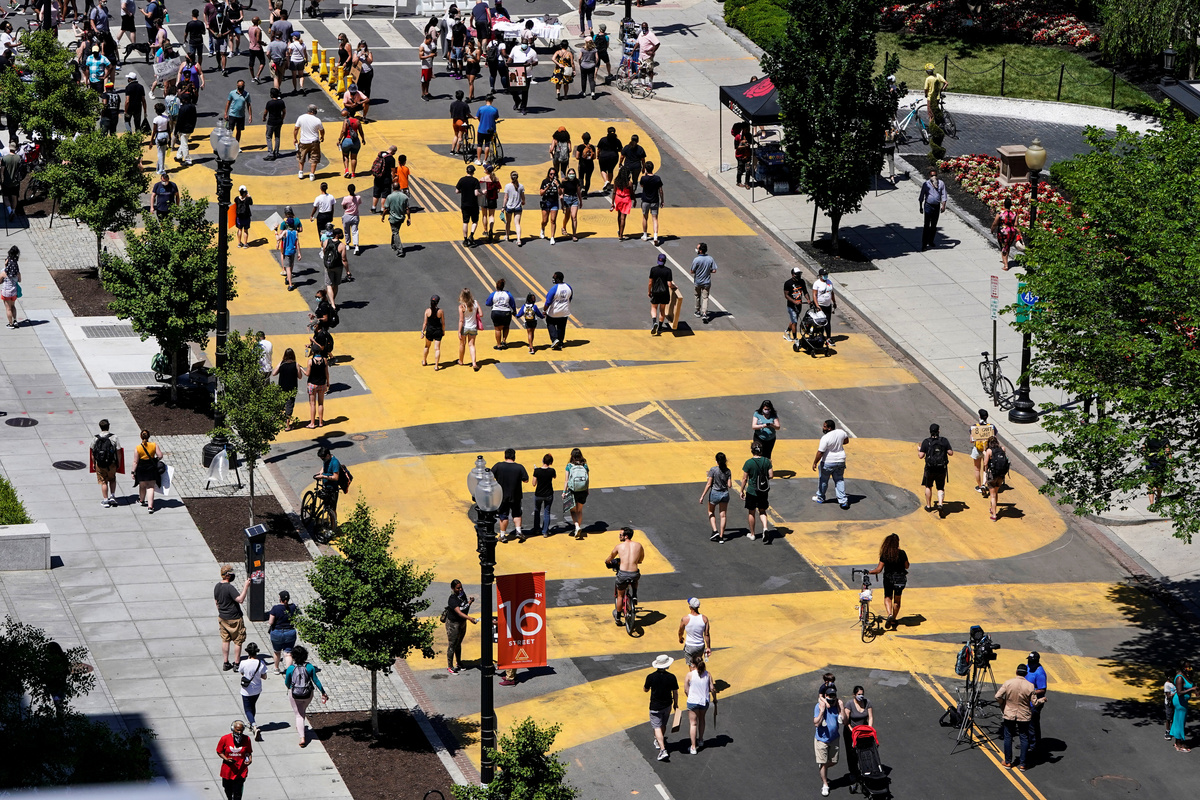
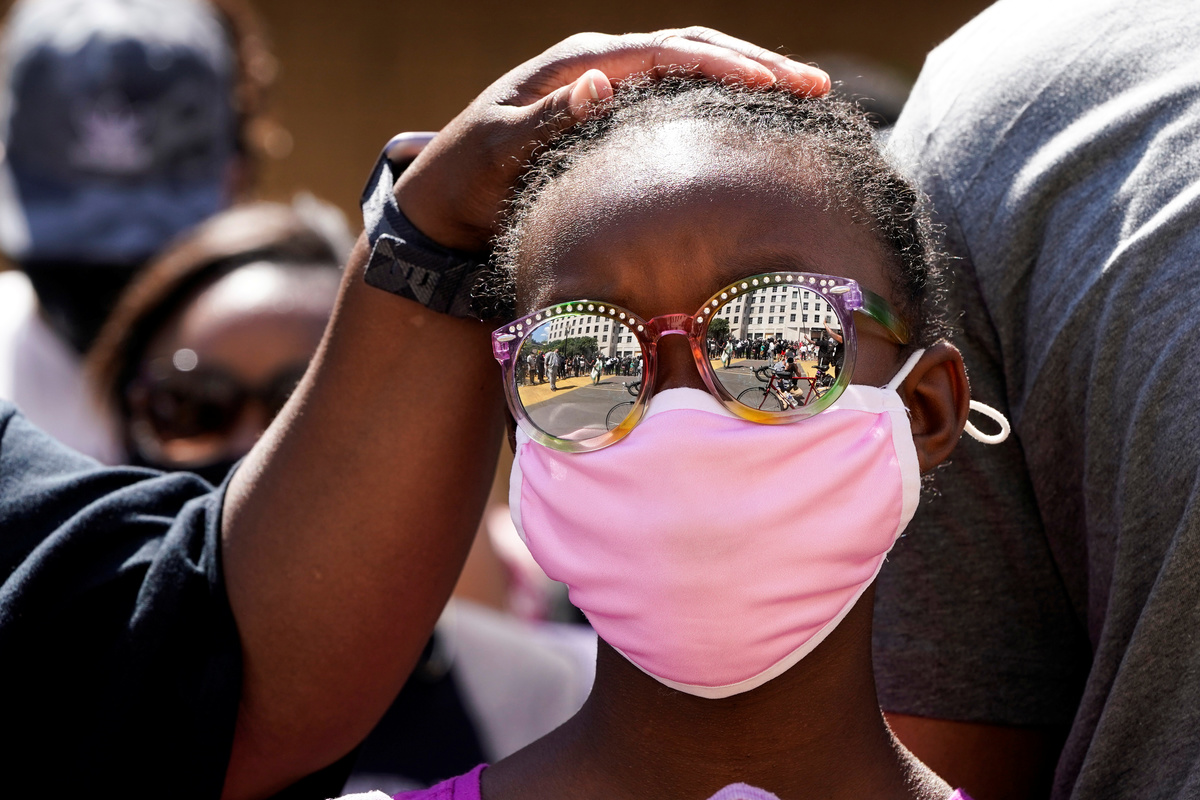
In the nation's capital, a large and diverse gathering of protesters packed streets near the White House, chanting "This is what democracy looks like!" and "I can't breathe."
A newly erected fence around the White House was decorated by protesters with signs, including some that read: "Black Lives Matter" and "No Justice, No Peace."
Republican Senator Mitt Romney marched alongside evangelical Christians in Washington on Sunday, telling the Washington Post that he wanted to find "a way to end violence and brutality, and to make sure that people understand that black lives matter."
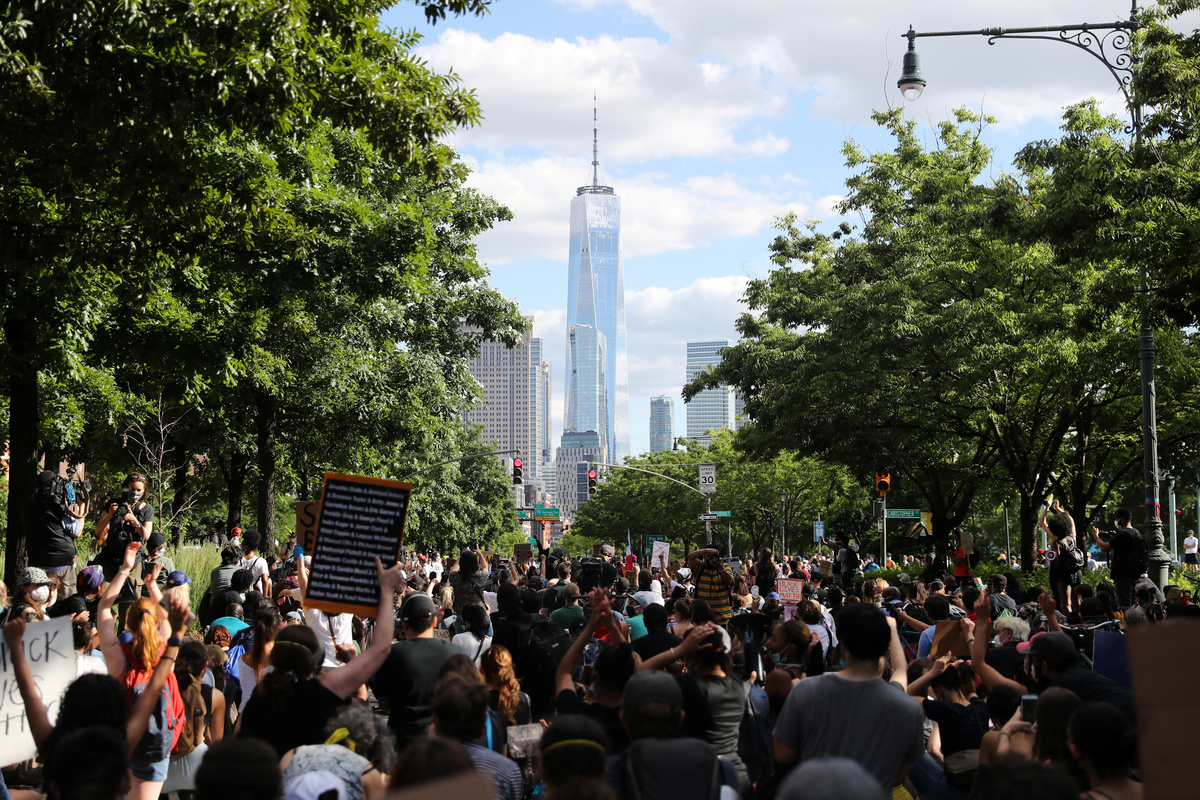
A common theme of weekend rallies was a determination to transform outrage over Floyd's death last month into a broader movement seeking far-reaching reforms to the U.S. criminal justice system and its treatment of minorities.
The intensity of protests over the past week began to ebb on Wednesday after prosecutors in Minneapolis arrested all four police officers implicated in Floyd's death. Derek Chauvin, the officer who kneed Floyd, was charged with second-degree murder.
Still, anger in Minneapolis remained intense. The city's mayor ran a gauntlet of jeering protesters on Saturday after telling them he opposed their demands for defunding the city police department.
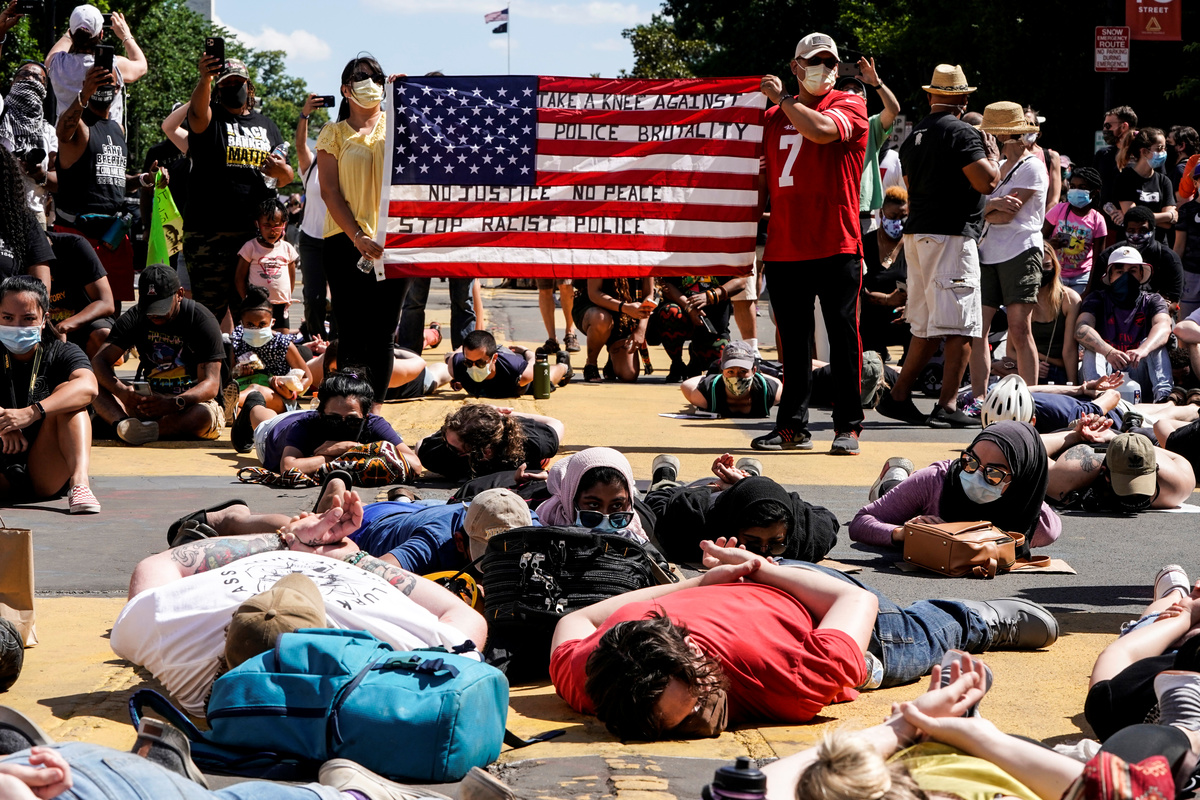
The renewed calls for racial equality are breaking out across the country as the United States reopens after weeks of unprecedented lockdowns for the coronavirus pandemic and just five months before the Nov. 3 presidential election.
U.S. Democrats have largely embraced the activists packing into streets to decry the killings of black men and women by law enforcement, but have so far expressed wariness at protesters' calls to defund the police.
Former U.S. President Barack Obama said in an YouTube commencement address for 2020 graduates that the protests roiling America right now "speak to decades of inaction over unequal treatment and a failure to reform police practices in the broader criminal justice system."
(Reporting by Sharon Bernstein in Sacramento, California; Andrea Shalal, Daphne Psaledakis in Washington, and Jonathan Allen and Sinead Carew in New York, and Brad Brooks in Austin, Texas; Writing by Brad Brooks; Editing by Frank McGurty, Peter Cooney and Lincoln Feast)