Black Friday, the annual scramble for discount Christmas presents, will take place largely online on 27 November this year as the world continues to navigate very necessary social restrictions imposed to fend off the coronavirus pandemic.
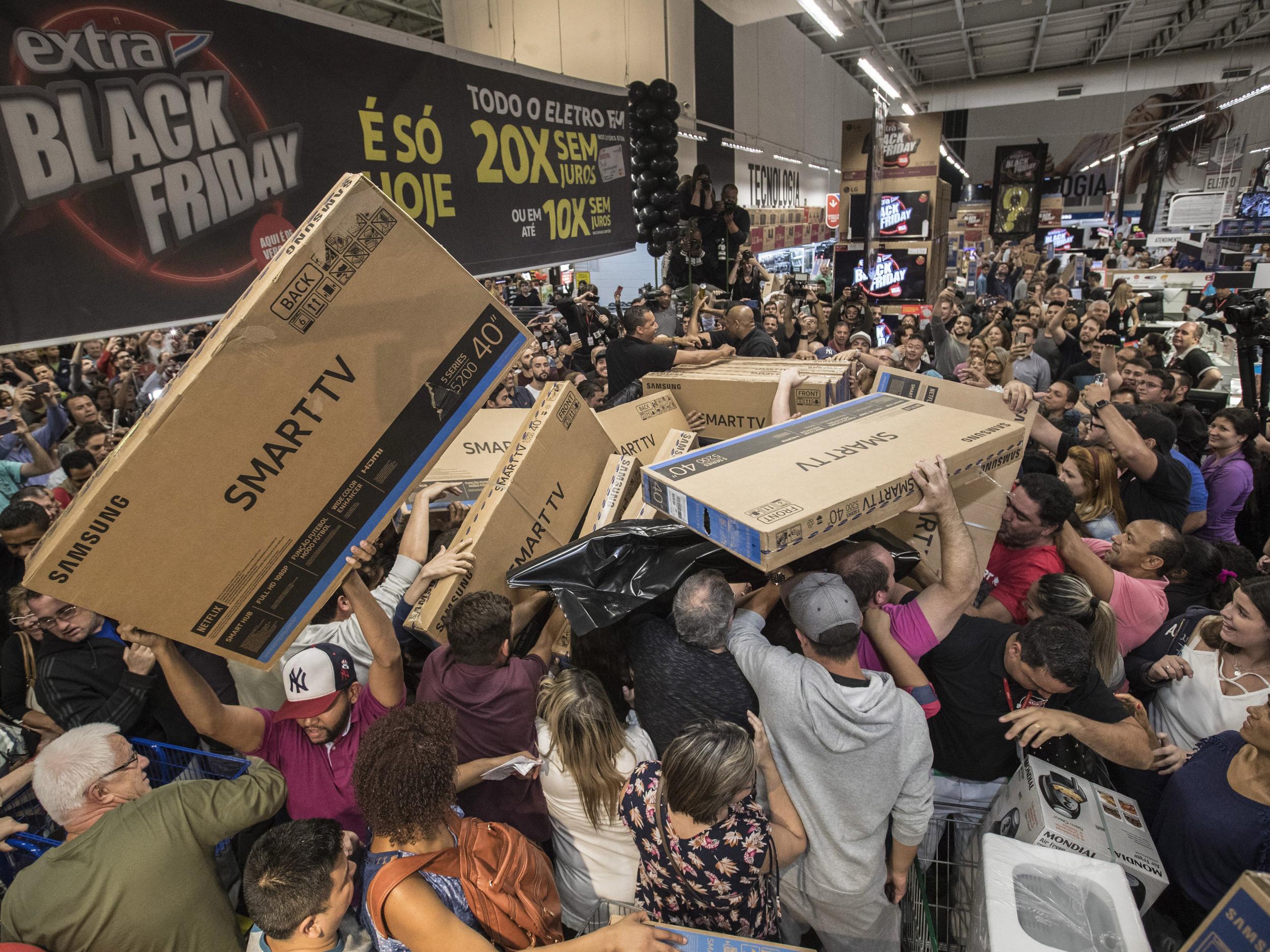
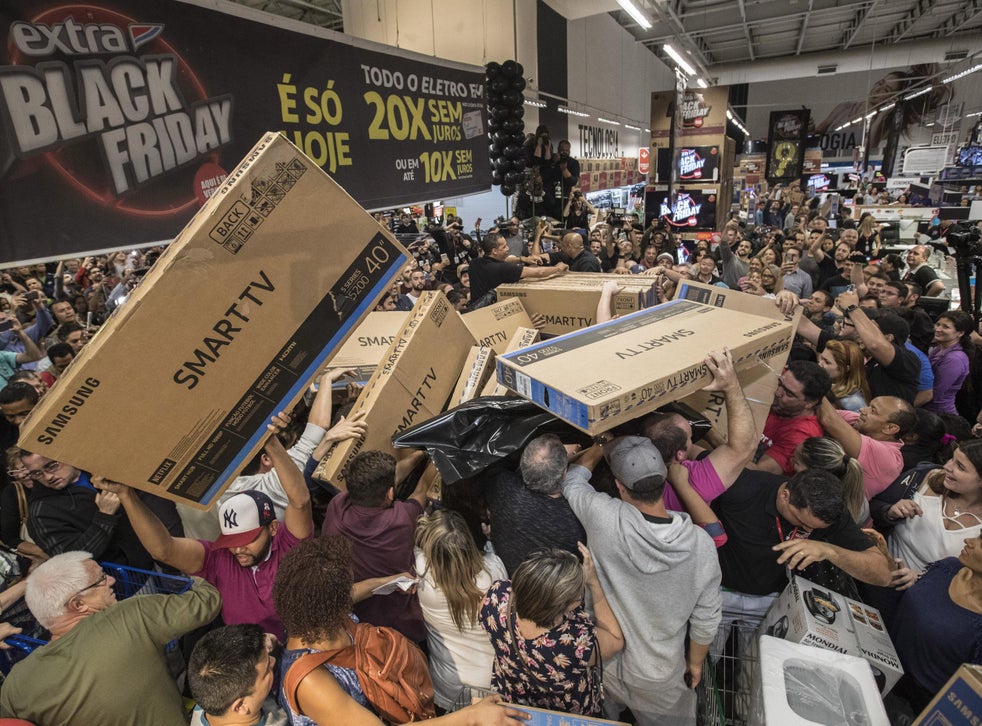
A media favourite for the outbreaks of chaos that usually erupt in the aisles as squabbling bargain-hunters engage in tugs-of-war for flat screen TVs and step over their grandmothers to snatch a cut-price XBox, the day unofficially marks the beginning of the festive retail season.
Whatever you think of it, Black Friday has become an annual fixture and looks here to stay.
The phrase “Black Friday” has been used around the world since at least the mid-19th century to refer to days of national calamity.
Perhaps the most famous examples of this are the Black Friday of 10 November 1910, when 300 suffragettes marched on the Houses of Parliament in London to call for the right to vote and were violently beaten back by the Metropolitan Police and the Black Friday of 25 October 1929, following Black Thursday, when the New York Stock Exchange collapsed, bringing about the Great Depression.
In Britain, it has commonly been used by the emergency services to refer to the final Friday before Christmas, when the majority of office festive parties take place.
The reason the modern discount bonanza has been given the same sinister moniker is that it always takes place the day after the Thursday of Thanksgiving in the US, when workers would frequently call in sick to secure a four-day weekend, a calamity for the US economy only alleviated if families use their additional leisure time to hit the stores.
The first recorded use of the term to identify this annual phenomenon appeared in the November 1951 issue of the industrial trade journal Factory Management and Maintenance, so Black Friday as we understand it today can be traced back at least that far.
The phrase gradually caught on and by November 1975 it was being used by The New York Times to refer to the atrocious traffic congestion seen in Philadelphia as shoppers raced out for bargains in the hope of spreading the cost of Christmas over a broader period.
An alternative explanation offered by accountants is that the day is the moment at which stores make so much money they cease operating at a loss and move from the red into the black.
But “Black Friday” has only really caught on as a label within the last 20 years, as retailers have become more strategic about their approach to the day, offering major sales promotions and extending their opening hours, often to midnight.
Amazon has been credited with bringing this very American event to the UK since it first began offering Black Friday deals in 2010. Asda, owned by US giant Walmart, followed suit in 2013 and the craze has snowballed from there.
Previously Brits enjoyed smugly watching the hyper-capitalist carnage unfold in Target, Radio Shack and Toys ‘R’ Us megastores on YouTube. More recently, we’ve been drawn into the thick of it on our own high streets and the grins have been definitively wiped from our faces.
Some UK chains have moved to distance themselves from Black Friday in the wake of the particularly raucous scenes that unfolded in 2014, which led to in-store security finding themselves overwhelmed and the police having to intervene.
The day has meanwhile been criticised in the US for the strain it places on staff at the big stores, the safety risks associated with large-scale crowd management and the occasional shady business practices involved.
This last might include stores artificially inflating prices on goods in advance, only to then “slash” the cost back down to its original value or temporarily laying on inferior products just to meet the ravenous feeding frenzy for loot.
The madness has nevertheless spread around the world.
France, Italy, Spain, the Netherlands, Norway, Denmark, Sweden, Brazil, Nigeria and South Africa have all embraced the mania in recent years.