
An African American developer’s plan to turn a shuttered medical facility in Burnside into Chicago’s first marijuana cultivation center cleared the City Council’s Zoning Committee Thursday.
Leon Walker, head of DL3 Realty, applied to rezone the proposed site in December in his bid to open a small-scale, craft cultivation facility. Walker ultimately plans to team up with a social equity applicant that will operate the grow center in the 13,677 square foot building at 1050-1060 E. 95th St., Walker’s attorney Rolando Acosta told aldermen.
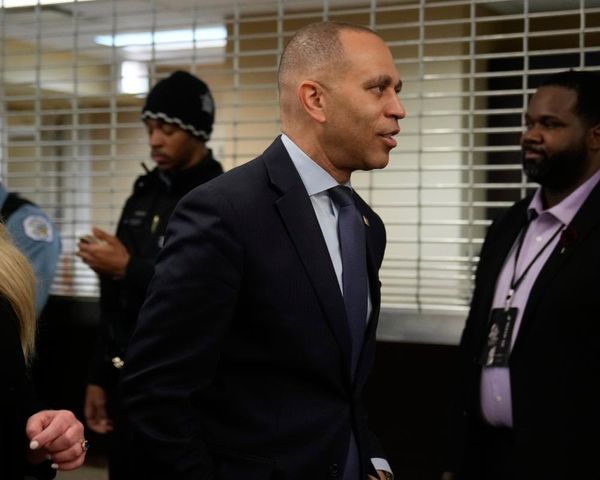
After being prompted by Ald. Walter Burnett (27th) — a member of the Black Caucus who has repeatedly criticized the lack of minority ownership in the cannabis industry — Acosta said his client has committed to teaming up with an African American partner on the project. Ald. Michelle Harris (8th) was also assured that a black firm would be running the facility in her ward.
Walker previously worked on high-profile developments that brought a Whole Foods to Englewood and a Jewel-Osco to Woodlawn. A spokeswoman for Walker didn’t immediately respond to questions about the planned cultivation center.
When Acosta mentioned that Walker could potentially be involved in the operation of the new business, Burnett shot back: “That’s a big might.”
/cdn.vox-cdn.com/uploads/chorus_asset/file/19718353/Screen_Shot_2020_02_13_at_2.57.33_PM.png)
Under state law, craft cultivation facilities can potentially operate a dispensary and a processing facility in the same location. However, Acosta only hinted that the proposed site could potentially be used to infuse pot products in an area cordoned off from the cultivation space.
In order to ultimately get up and running, the zoning change will first need to be approved by the full City Council later this month. In addition, the site will require special-use zoning approval and the chosen social equity applicant will need to earn one of the 40 craft grow licenses that will be issued by July.
Should the project clear all those hurdles, it would be a major early victory for lawmakers and advocates who framed the legalization push as a way to invigorate communities ravaged by the drug war. State regulators are currently accepting applications for new dispensary, craft cultivation, processing and transportation licenses — the first made available to social equity candidates.
Meanwhile, existing dispensary operators are in a mad dash to open the city’s first recreational pot shops. Some of those companies will seek approval from the Zoning Board of Appeals next month before they can formally apply for new state licenses.