The number of bishops in the House of Lords should be cut to make way for leaders of other religions, and major state occasions such as a coronation should have a more “pluralist character”, according to an official report.
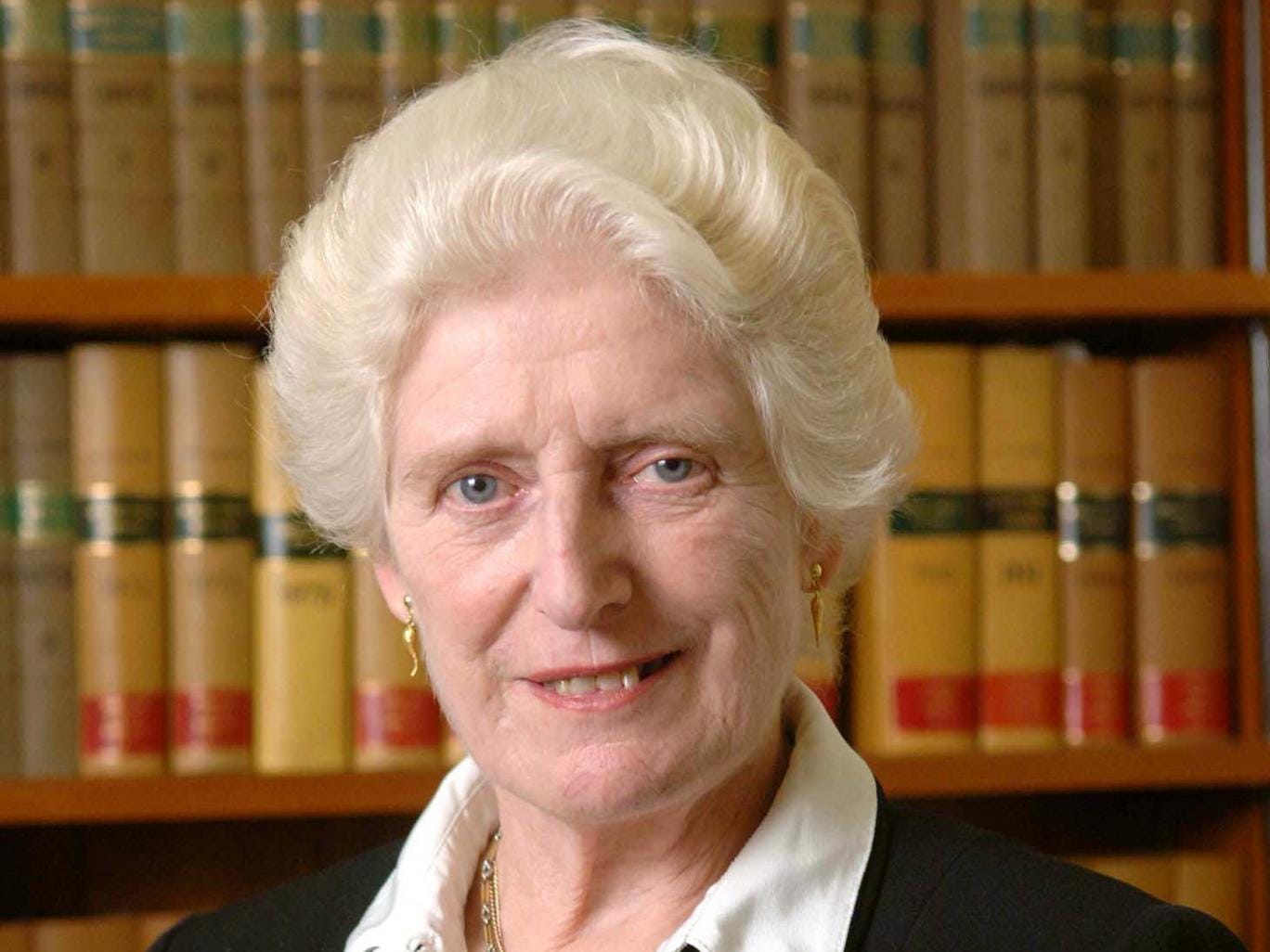
The recommendations from a panel chaired by the former High Court judge Baroness Butler-Sloss come in light of major changes in British society. There has been a decline in Christianity during the past 50 years, while Islam, Hinduism and Sikhism have overtaken Judaism as the largest non-Christian faiths in Britain.
The Commission on Religion and Belief in Public Life (Corab), which compiled the report, includes Christian, Muslim, Sikh and Hindu representatives as well as theological experts. It has spent the past two years looking at the state of religious belief in Britain.
The proportion of people who do not follow a religion has risen from just under a third in 1983 to almost half in 2014, the report states.
Yet the Archbishops of Canterbury and York, as well as the Bishops of Durham, London and Winchester, automatically take seats in the Lords – with an additional 21 seats reserved for other bishops.
“The pluralist character of modern society should be reflected in national forums such as the House of Lords, so that they include a wider range of world views and religious traditions, and of Christian denominations other than the Church of England,” the commission said.
Dr Ed Kessler, vice-chair of Corab, told The Independent: “It’s an anomaly to have 26 Anglican bishops in the House of Lords. There needs to be better representation of the different religions and beliefs in Britain today.”
The report also recommends scrapping the law requiring schools to hold acts of collective worship, reducing the number of children given places at schools based on religion, and including non-religious figures on the BBC’s Thought for the Day.
There also needs to be an overhaul of how religious education is taught, it argues. Many syllabuses tend to “portray religions only in a good light … and they tend to omit the role of religions in reinforcing stereotypes and prejudice around issues such as gender, sexuality, ethnicity and race.”
The report’s proposals “amount to a ‘new settlement for religion and belief in the UK’, intended to provide space and a role for all within society, regardless of their beliefs or absence of them,” said Lady Butler-Sloss.
But a spokesperson for the Church of England said: “The report is dominated by the old-fashioned view that traditional religion is declining in importance and that non-adherence to a religion is the same as humanism or secularism.” They added: “Most public opinion is strongly opposed to the marginalisation of Christianity.”
Commenting on the suggestion of reducing the number of bishops in the Lords, Dr Omer el-Hamdoon, spokesperson for the Muslim Association of Britain, said: “Introducing other peers based on their religion would only be a token gesture.”
Terry Sanderson, president of the National Secular Society, said: “We have enough religious input in Parliament at the moment from those people of faith who are already appointed. To introduce even more would be disproportionate.”