On the evening of 21 November 1974, 18-year-old Maxine Hambleton was preparing to meet some friends in Birmingham city centre to give out handmade invitations to her housewarming party.
Maxine was a student at Sheldon Heath grammar school and had aspirations to be a lawyer. She had recently returned from a stint working with her friend Jane Davis in vineyards in France, where she had gone to improve her French.
That evening, her older brother Brian agreed to give her a lift to the pub in return for her ironing his shirt. “I will always remember her closing the car door and walking away from me, waving at me,” he said. “My joyful, carefree, upbeat, talented sister I would never see again.”

Maxine was one of 21 people killed that night when two IRA bombs ripped through two pubs in Birmingham city centre – the Mulberry Bush and the Tavern in the Town. She died alongside her friend Jane.
The description of Maxine as “larger than life, funny and intelligent” was one of many tributes to the victims read to the jury in the opening days of an inquest into their deaths, which on Friday found they were unlawfully killed after a botched IRA warning call.
The court heard how “practical joker” John Rowlands, 46, died alongside his friends Michael Beasley, James Caddick, Stan Bodman, Trevor Thrupp and John Clifford Jones as they stood in their favourite spot by the bar in the Mulberry Bush.
The jury was told how Neil “Tommy” Marsh, at 16 the youngest of the victims, had a zest for life and loved to draw, while his friend Paul Davies – who died aged 17 – was known for being unusually handsome and charming. Brothers Eugene and Desmond Reilly, 23 and 20, were out celebrating the pregnancy of Desmond’s wife.
Lynn Bennett, 18, and Stephen Whalley, 21, died at the Tavern in the Town while on a blind date, after meeting through a lonely hearts column in NME magazine. Whalley’s mother, who was too elderly and frail to attend the inquest, said in a statement that she found it too traumatic to remember her only son.
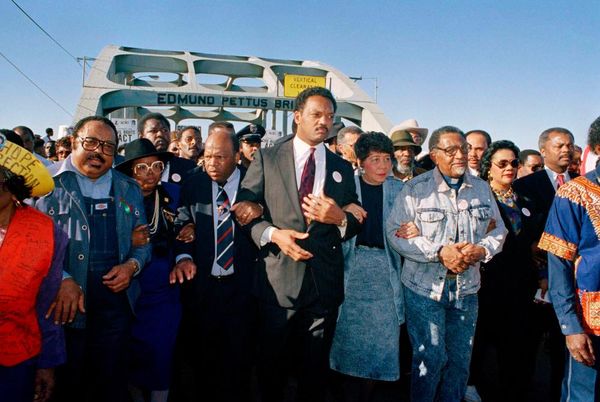
Six men were convicted for carrying out the bombings the following year. They became known as the Birmingham Six and the story of the gross miscarriage of justice and the campaign that led to their acquittal 16 years later has become almost more famous than the atrocity itself.
For years, many of the families continued to believe the six men were guilty. For Julie Hambleton, Maxine’s sister, it was only when she met Paddy Hill – one of the six – in 2011 that she was fully persuaded of their innocence. “Now he’s one of our staunchest supporters,” she told the Guardian as the six-week inquest was drawing to a close. “He’s a gentleman.”

Although Brian Hambleton had been campaigning for years to get the criminal investigation into the bombings reopened, the Justice For the 21 campaign was created only in 2011. It was Andy Richards, a journalist at the Birmingham Mail who had what Julie describes as “the eureka moment” and pointed out that they had never had inquests.
In 2015, the families applied to Louise Hunt, the senior coroner for Birmingham and Solihull, to have the inquests reopened. Their lawyers argued that new hearings would serve as “a mechanism to seek truth, justice and accountability for the loss of their loved ones, to establish who was responsible, what was known, what went wrong and whether these losses could have been prevented”. Hunt agreed and ordered fresh inquests in 2016.
Proceedings were delayed further by disputes over whether the hearings should examine who might be responsible for the bombings. In January 2018, the high court overturned a ruling by the coroner Sir Peter Thornton that alleged perpetrators would not fall within the framework of the inquest. Thornton appealed against that decision the following July and the court of appeal ruled in his favour in September.

That was not the end of the legal wrangling. The group was rejected for legal aid multiple times, before some of the families were finally awarded a sum of money they say still leaves them £60,000 short. “We are not by any stretch of the imagination on an even playing field,” said Hambleton. “If we were, why is it that we need to go out on to the streets to raise urgently needed funds?”
The inquest has not been easy for the family. “What we’ve had to listen to and stay calm through, you wouldn’t wish on your worst enemy,” said Julie. The worst moment came for her with the evidence of Kenneth Boffard, a professor of surgery who was working at Birmingham accident hospital on the night of the bombing. He explained to the court how a bomb blast could sear through liquid in the body faster than air, damaging internal organs.
“I just fell apart,” said Julie. “I collapsed and my sister walked me out and I just couldn’t breathe because I was so upset. What he had described was Maxine’s injuries. She was only 18 and she had her whole life ahead of her. It’s just such a waste of life.”
Although the scope of the the inquest did not formally include the consideration of who might have carried out the attack, in evidence given over a secure video link a convicted IRA bomber known as Witness O named four men he said were responsible for the bombings as Seamus McLoughlin, Mick Murray, James Gavin and Michael Hayes. McLoughlin, Murray and Gavin have since died.
It is unclear whether those responsible for the bombing are immune from prosecution under the Good Friday agreement. Hambleton argues that they are not because the crime was committed in England and not Northern Ireland.
“The inquest is only the beginning. This not the end,” she said. “An inquest isn’t for criminal proceedings. An inquest is just an inquest. However, what has come out, which is more than we could ever have hoped for, has just helped to further solidify our fight and determination. Because if Maxine was alive and one of us had been killed, she would have been screaming from the hilltops.”