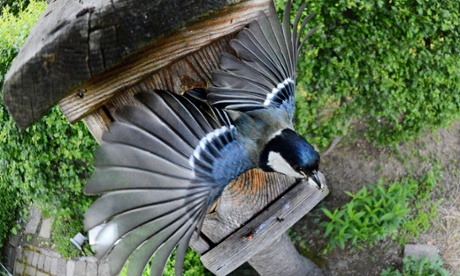
There’s never anything good on the telly, is there? So why not set up your own entertainment, courtesy of the nesting birds in your garden? “There’s been a big increase in the sale of nest camera boxes over the past couple of years, thanks to programmes like Springwatch,” says Scott Oestler of the RSPB.
You can buy cameras on their own, starting from around £40, or buy a nesting box that comes with an inbuilt camera system. The more expensive models should have higher definition, gradual infra-red (which means a better coloured picture than on/off infra-red), and, most importantly, no flashing lights, which would disturb the birds.
Different species of birds need different kinds of box. Tits and sparrows need one about 2m off the ground, ideally with the entrance facing north-east. Robins and wrens nest much lower down, often in shrubbery.
If you’re building your own box then the thickness of the wood you use is important, so the internal temperature of the box doesn’t fluctuate and the birds are well protected from predators.
“Woodpeckers have been known to break into boxes and attack the young of other species,” says Oestler. Unless you want to watch a horror show, go for wood that’s around 18mm thick.
Make your box a decent size. “There’s research that suggests smaller nests mean smaller broods,” says Oestler. Position the entrance hole correctly. Too low, and baby birds risk falling out.
If you get a successful nest you can expect around 3 weeks of live action hatching and feeding before the babies fly away.
When you’re sure your nesting box is empty remove the old nest material and sterilise it with boiling water. But under no circumstances, says Oestler, should you disturb an occupied nest.