Australia is now confronting an outbreak of a deadly bird flu strain.
As of Monday, the highly pathogenic H5N1 virus had been detected in 78 wild birds across mainland Australia. Until now, there had been no evidence of a large-scale outbreak.
But authorities have confirmed the first instance of mass death caused by H5N1 among dozens of greater crested terns off South Australia’s south-east coast. They are also conducting further testing on a cluster of sick and dead terns in south-west Victoria.
As H5N1 spreads across the country, researchers, wildlife managers and the broader public are increasingly concerned about the risks it may pose beyond birds.
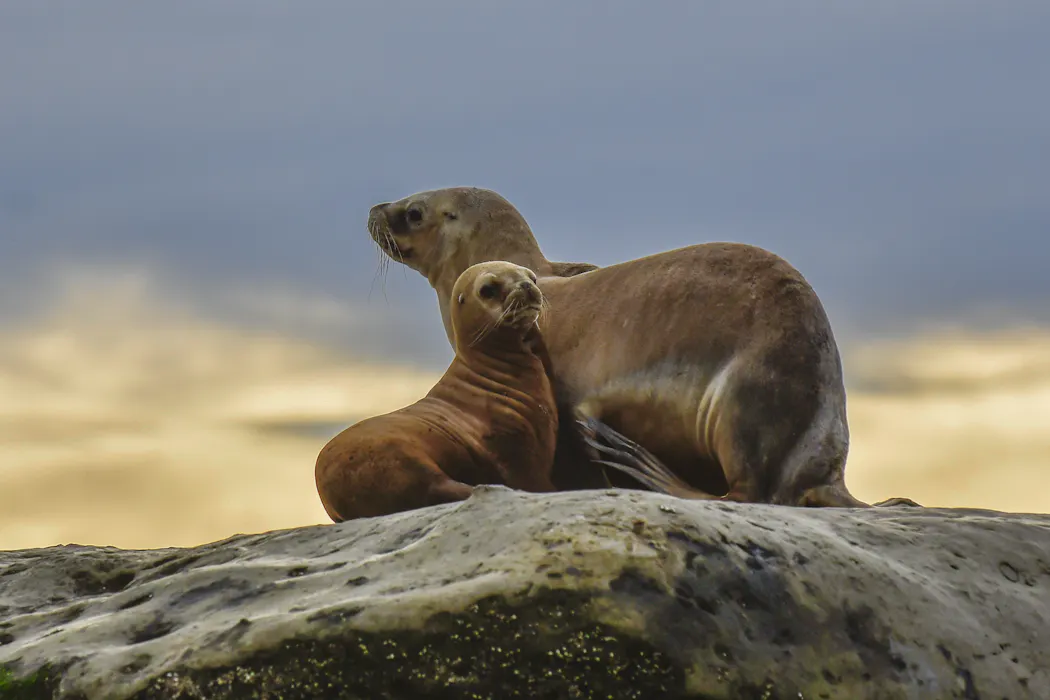
Recent outbreaks have threatened aquatic mammals, including southern otters, dolphins and porpoises. H5N1 has also decimated pinniped populations around the globe, including in South America. Pinnipeds are marine mammals that live in the sea and form colonies but spend extended periods on land, such as sea lions, fur seals and elephant seals.
As the risk of a broader outbreak rises, Australia must protect its wildlife by drawing on lessons from other continents already battling bird flu.
Looking to South America
H5N1 poses an urgent threat to wildlife worldwide. Since 2021, this fatal strain of bird flu has spread to every continent and infected poultry flocks, dairy cattle, wild birds and a growing range of wild mammals. In June, it finally reached Australia, first detected in a sick brown skua.
This strain has been particularly devastating in South America. In late 2022, H5N1 spread rapidly from infected seabirds into pinniped colonies. At least 30,000 South American sea lions died in Peru, Chile, Argentina, Uruguay and Brazil during the subsequent outbreak. In some areas, major breeding colonies lost up to one third of their population within a single breeding season.
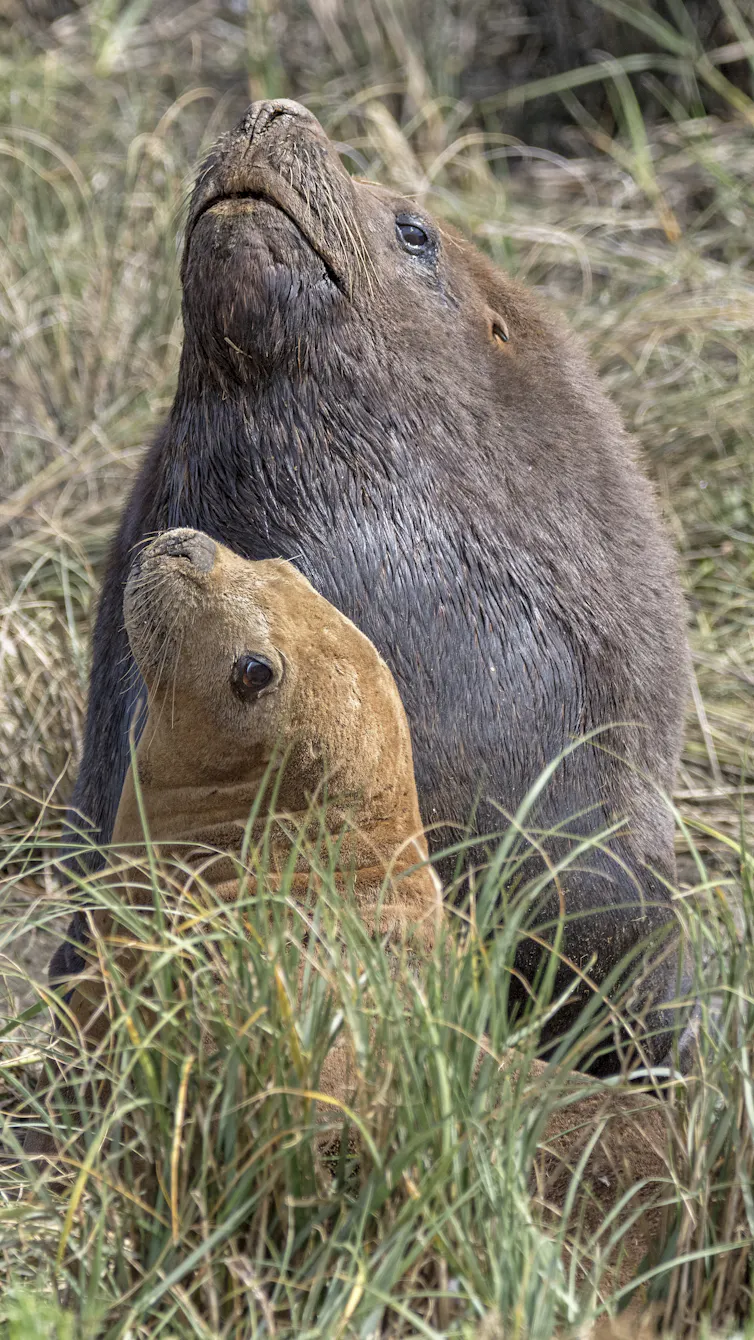
Current evidence suggests H5N1 also caused mass deaths in southern elephant seals – the same species as Neil the seal – with more than 17,000 pups dying at Península Valdés in Argentina. Scientists still don’t know how many adults died.
Our team of researchers – from the Universidad Nacional del Comahue in Argentina and Deakin University in Australia – documented a dramatic decline in the number of seals in northern Patagonia following the 2022-23 outbreak.
Subsequent studies across South America show infected pinnipeds developed severe neurological and respiratory disease. Symptoms include lethargy, tremors, impaired coordination and laboured breathing, among others. Affected animals showed severe respiratory disease and neurological signs, and post-mortem examinations revealed marked lung lesions. Many animals died within a short period after clinical signs appeared.
Read more: The warning signs are over: Australia now faces a devastating bird flu outbreak in wildlife
Australian mammals at risk
Though confronting, the South American outbreak gives us crucial insight into how H5N1 spreads, which species may be most vulnerable and what strategies could reduce its impacts.
Each time H5N1 infects and replicates in a mammal, the virus becomes better at adapting to mammalian hosts. Monitoring how efficiently it spreads between mammals is therefore essential for protecting wildlife. It also allows us to assess the risk of human infection — which currently remains low — and the potential for a broader pandemic.
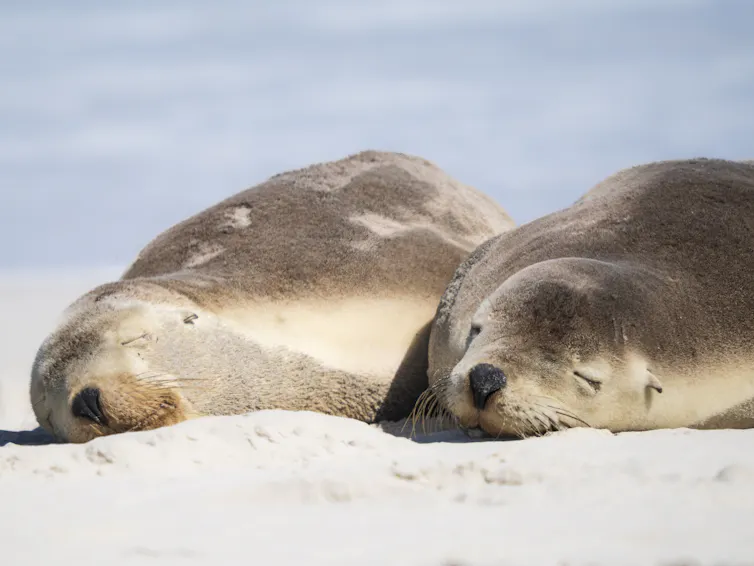
For now, H5N1 has not yet reached Australia’s pinniped colonies, which are already under pressure from fishery nets and hooks, pollution, habitat destruction and climate change.
So we still have time to protect them from H5N1. Authorities should start with Kangaroo Island, where infected seabirds have been found near the breeding habitat of the endangered Australian sea lion.
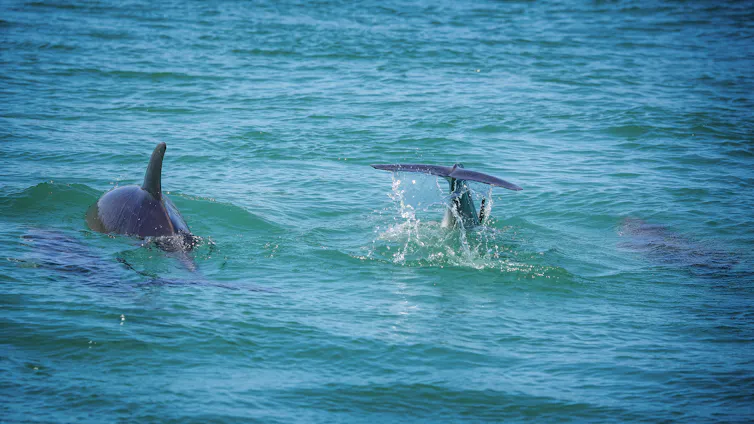
Other threatened marine mammals may also be vulnerable. This includes the rare Burrunan dolphin, of which there are less than 200 individual animals swimming around Victoria’s Port Phillip Bay and Gippsland regions.
So, how can we protect them?
As Australia’s number of confirmed H5N1 cases rises, urgent action is needed to protect our vulnerable marine mammals.
Australian authorities can learn from the South American outbreak by:
-
frequently conducting population censuses, to detect unusual deaths and sudden changes in the size of seal and sea lion colonies
-
closely monitoring live animals and taking samples of any dead animals, to track how the virus is circulating before any mass deaths happen
-
removing all carcasses, particularly near tourist areas, to stop scavenging birds, dogs and animals from being exposed to infected animals
-
ensuring researchers, wildlife managers and tourism operators stick to strict biosecurity protocols, such as wearing appropriate personal protective equipment when handling sick or dead wildlife and disinfecting boots and equipment between sites
-
tightening biosecurity measures around food production, particularly intensive poultry farms where commercial poultry may be exposed to infected wild birds.
The public can also help protect our vulnerable pinnipeds by:
-
not approaching any sick wildlife
-
keeping pets away from wildlife
-
reporting any sightings of sick or dead birds, seals, sea lions or other animals to the 24-hour Emergency Animal Disease Hotline by ringing 1800 675 888, noting details about the date, location, type and number of animals.
As the number of infected seabirds rises, so does the threat of a H5N1 outbreak among Australia’s marine mammal colonies. South America reveals how devastating this virus can be for entire ecosystems. Australia should heed that warning while there is still time to protect our precious pinnipeds.
Read more: Scavenger animals are the missing link in Australia’s bird flu response. Three experts explain
Correction: This article originally stated post-mortem examinations of infected pinnipeds revealed the virus directly affected animals’ brains and lungs, and could lead to death within a short period. This has been corrected to say post-mortem examinations of infected pinnipeds revealed marked lung lesions, and many of them died within a short period after clinical signs appeared. Full necropsies were not carried out on the Argentinian seals due to biosecurity concerns, meaning the cause of death cannot be definitively attributed to the virus.
This article was originally published on The Conversation. Read the original article.