
Australia's chief vet expects several more countries to declare they have detected the deadly pig disease African swine fever (ASF) in coming days.
Speaking in Canberra late last week, Chief Veterinary Officer Mark Schipp said the Philippines is due to announce the results of recent testing.
Outbreaks of ASF have already been reported in China, Vietnam and Myanmar, resulting in millions of pigs being culled.
"We're expecting a number of countries to announce they've got ASF in the coming days, and we've already taken steps in preparation for that," Dr Schipp said.
"There are a number of countries that are neighbouring those that are already infected that have poor vet services and very weak border controls.
"So you'd anticipate that the disease will spread to those other countries."
African swine fever (ASF) does not affect humans, but can cause up to 100 per cent mortality in herds of wild and domestic pigs within a week.
Pigs mainly contract the virus through the consumption of contaminated pork products and feed.
Industry estimates an outbreak of the disease could cost Australia's economy $50 billion.
No word on start date for biosecurity levy
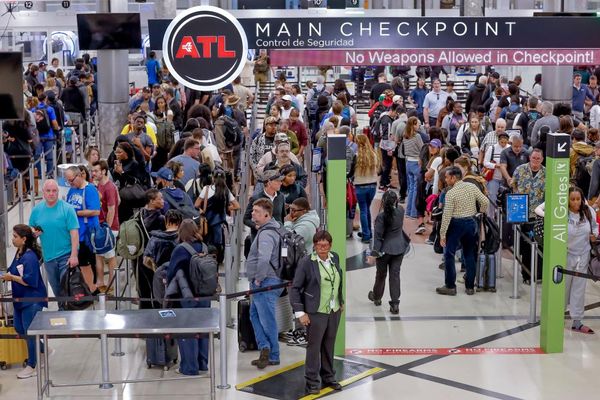
Meanwhile the Federal Government will not say when a new biosecurity levy on shipping freight will be introduced, despite having missed two scheduled start dates.
The levy, announced in the 2018-19 budget following a 2017 recommendation off the back of a 2017 biosecurity review, was initially slated for introduction on July 1 this year.
The levy would have seen charges of $10.02 per six-metre container and $1 per tonne on bulk imports coming via the sea in a bid to help detect and screen for exotic pests and diseases.
But a backlash from transport, logistics and shipping companies saw this year's budget defer the levy's introduction until September 1, so that a steering committee could be consulted about how best to implement it.
That delay was said to cost $20 million.
Agriculture Minister Bridget McKenzie said she was handed the steering committee's report on June 1 and she was working through its recommendations.
"The Government brought down a biosecurity levy to be against containerised and uncontainerised cargo from the shipping industry because that is where, essentially, the major risk is," Ms McKenzie said.
"We're wanting to make sure we implement that biosecurity levy as soon as possible."
Calls to implement 'crucial' levy
Last week, the National Farmers' Federation (NFF) called on the Government to prioritise the introduction of the levy.
"It is crucial that the levy makes available additional funding to strengthen biosecurity systems and is not a substitution of existing Government funding, or lost to consolidated revenue," NFF Chief Executive Tony Mahar said.
"The NFF is concerned that the levy was originally scheduled for introduction on 1 September — yet the legislation to establish the levy is yet to be introduced."
Mr Mahar estimated that by 2032, the number of shipping containers arriving in Australia each year was set to reach 19.4 million.