'Bio-Spaces: regenerative, resilient futures' asks: could hemp, seaweed, algae and mycelium make buildings more environmentally friendly? These natural products are cropping up in furniture and even construction materials, as the latest exhibition at Roca London Gallery demonstrates.
The 'Bio-Spaces' show is 'a call to action to stop designing nature out and start to usher it back into our spaces', says Deborah Spencer. Co-founder of environmentally focused media and events platform Planted, Spencer curated the show with Oliver Heath Design, which has specialised in biophilic design for 20 years.
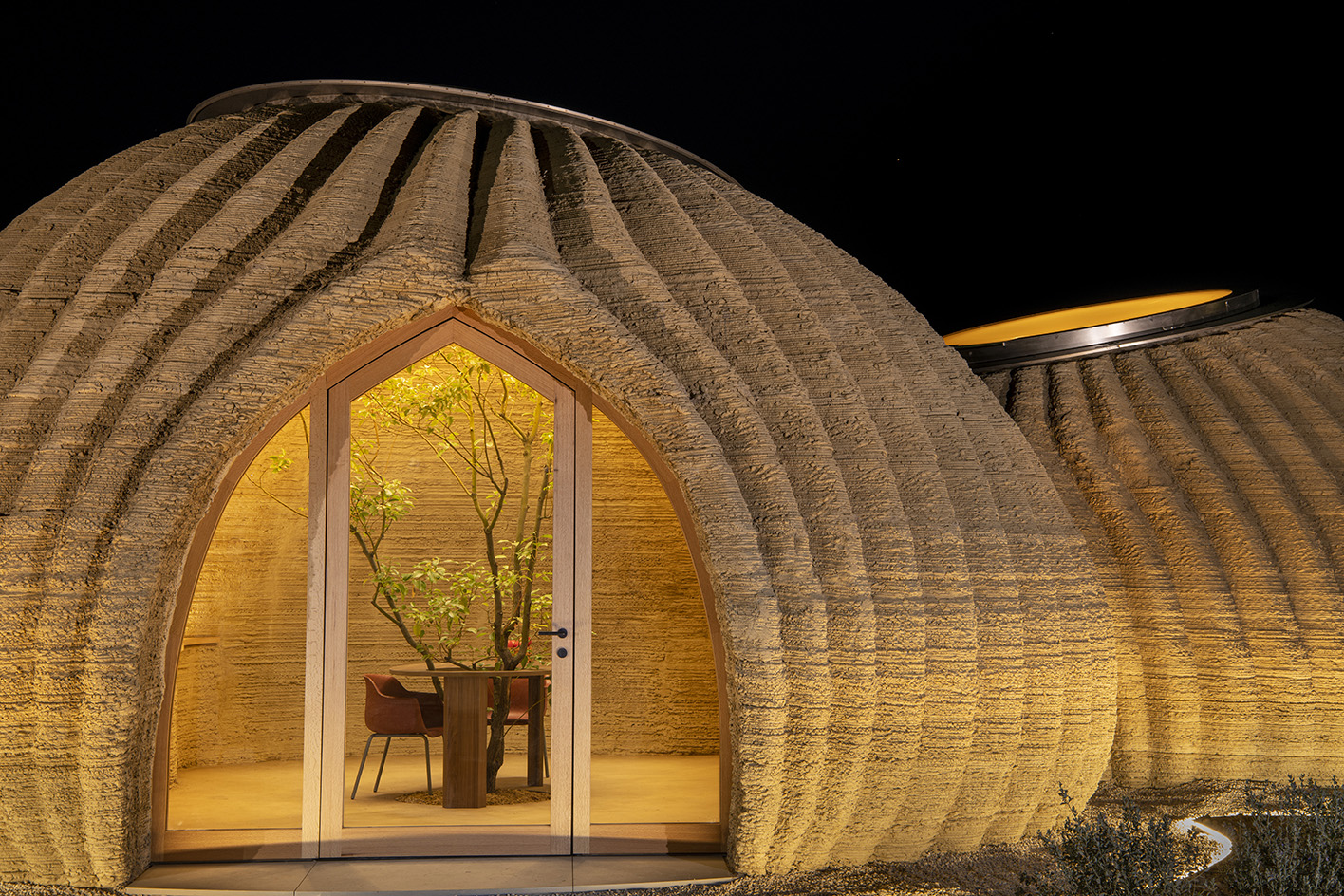
‘Bio-spaces: regenerative, resilient futures’ draws on nature
The 70 exhibits are laid out on six ‘islands’ that sit on a modular grid system in the curvaceous, white, Zaha Hadid-designed space. There’s multisensory input from smells and sounds from the natural world, plus video, tactile material samples and plenty of planting.
Each island introduces a different aspect of biodesign. 'These strands have often been thought of in isolation, with designers aligning themselves with one specialism or another,' Spencer says. But she’s now seeing a consolidation of these approaches, leading to 'a more holistic, bio-inspired view of the built environment'.
The biodesign islands include biophilic design, which it about enhancing wellbeing by fostering humanity's affinity with nature. On display here is progressive fashion brand Lestrange’s Coal Drops Yard store. Designed by Fred Rigby Studio following Oliver Heath Design’s biophilic guidelines, there is natural timber and dried flower planting.
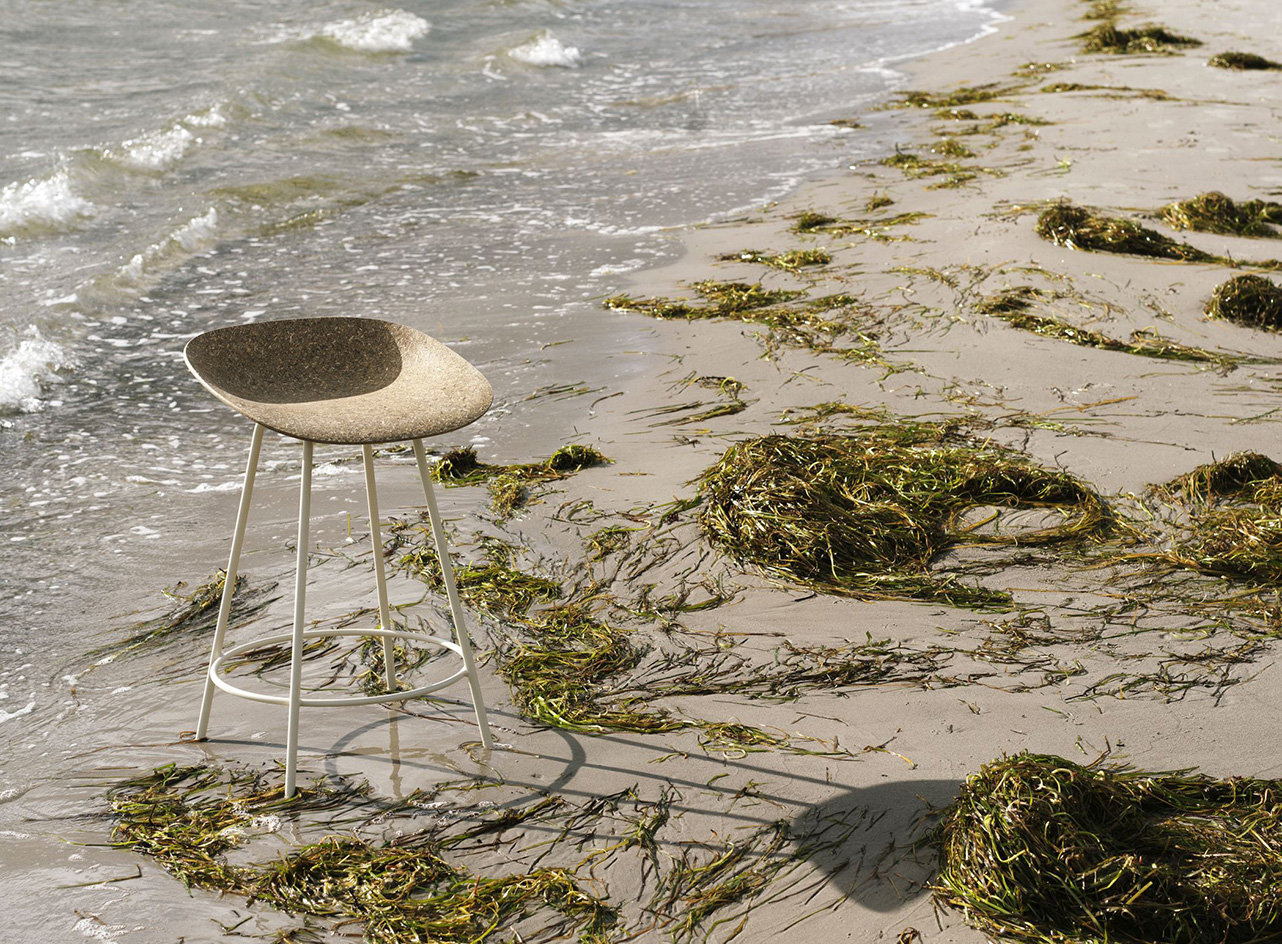
The bio-based materials on the island have their origins in nature and are renewable. Erthly makes corrugated construction panels from hemp, a robust, fast-growing crop. They sit alongside TySml’s lamps of mycelium and seaweed.
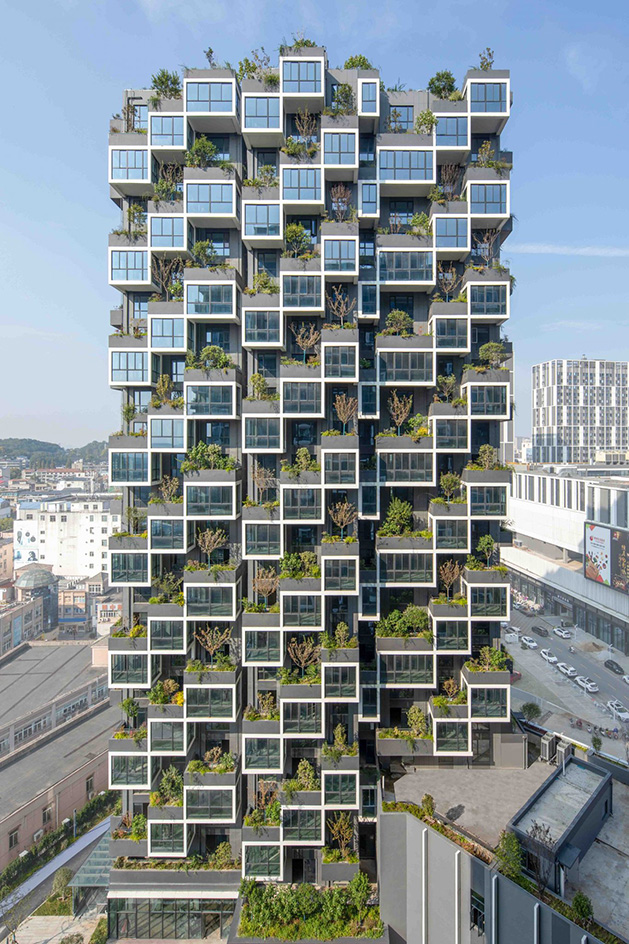
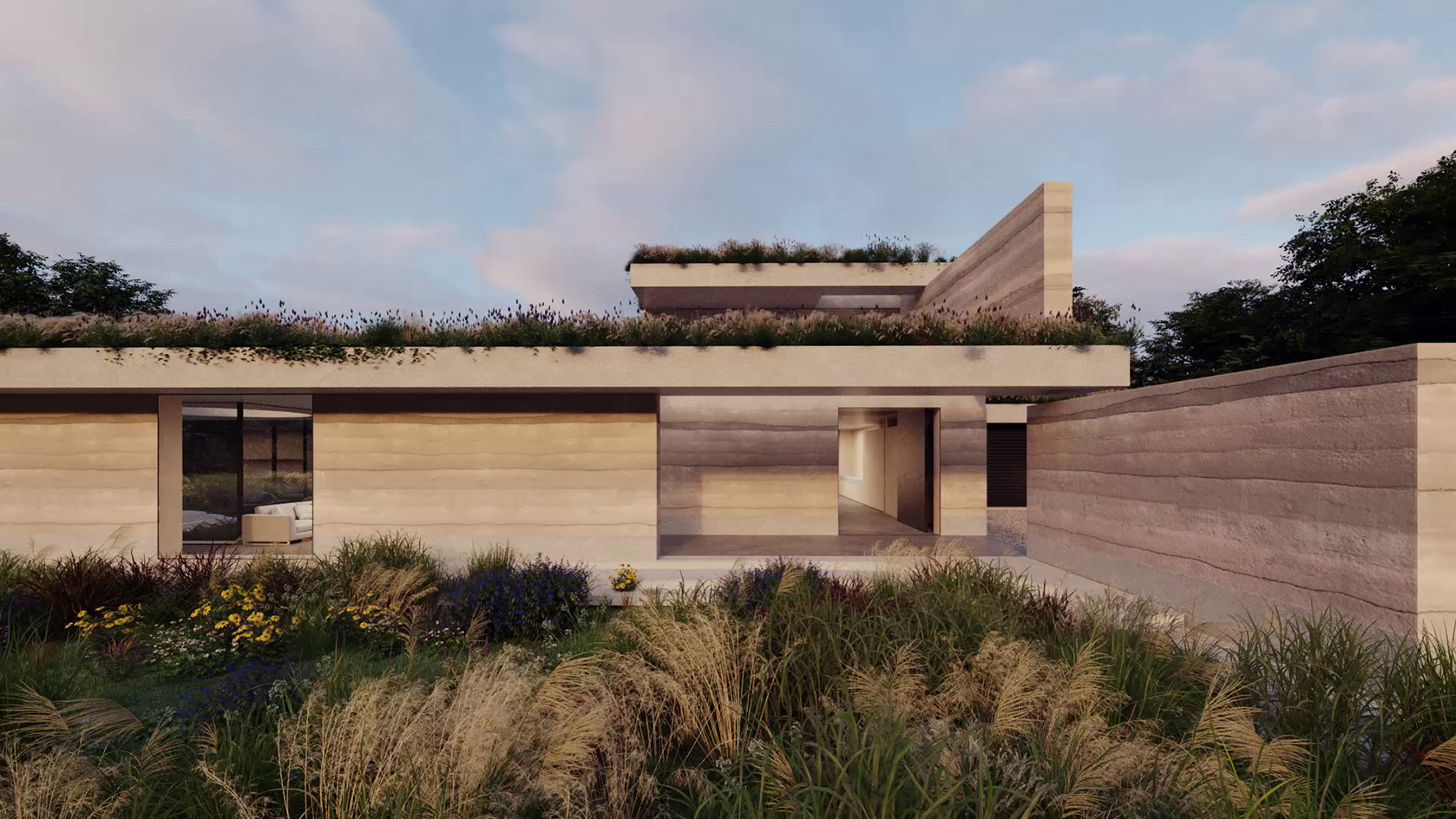
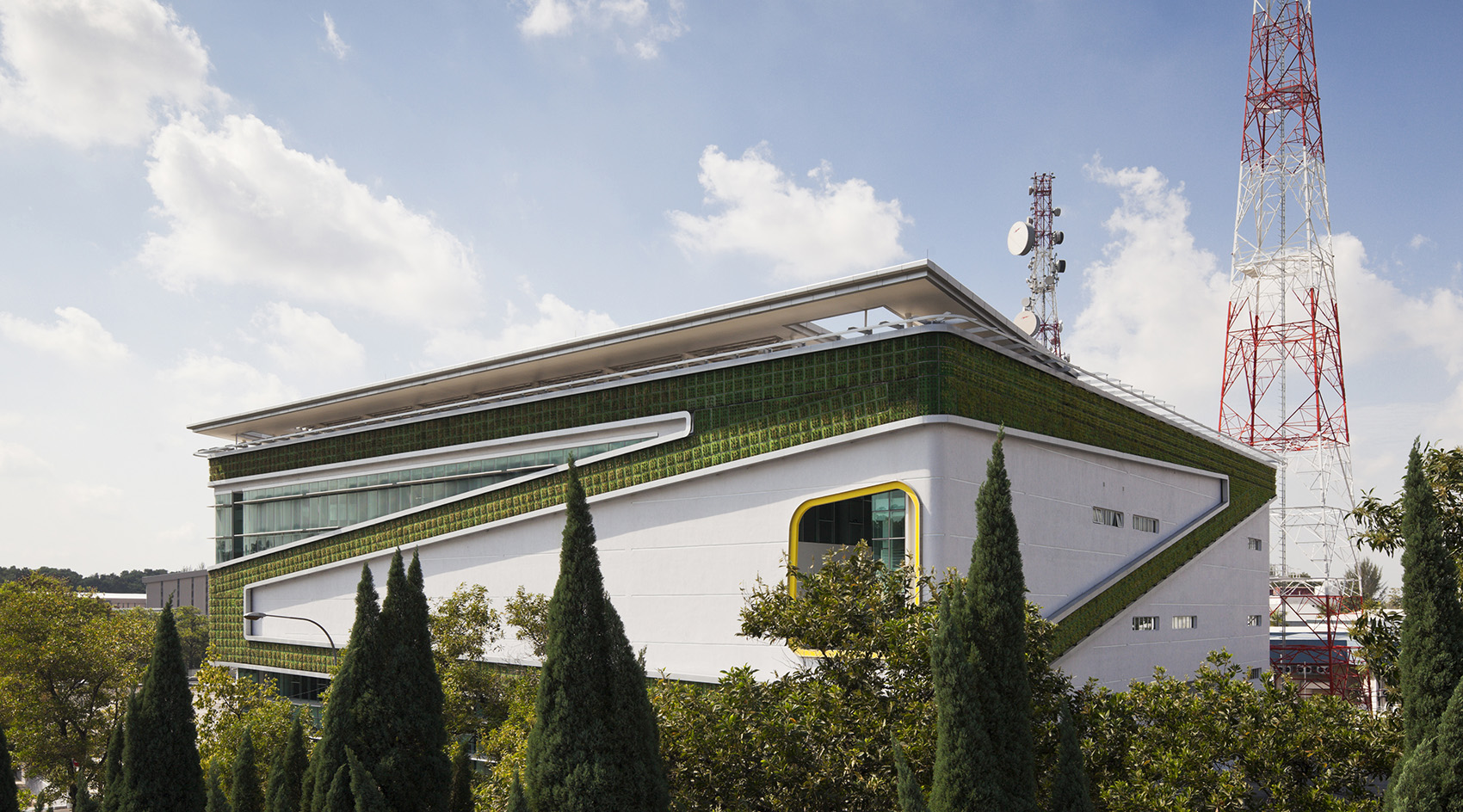
The bio-diversity island promotes the idea of designing for the needs of flora and fauna, including humans. Henning Larsen’s Biotope building, home to the Métropole Européenne de Lille, has terraced gardens, balconies and bridges. These provide a breeding ground for over 65 species of plants, and a home to birds, insects and lizards.
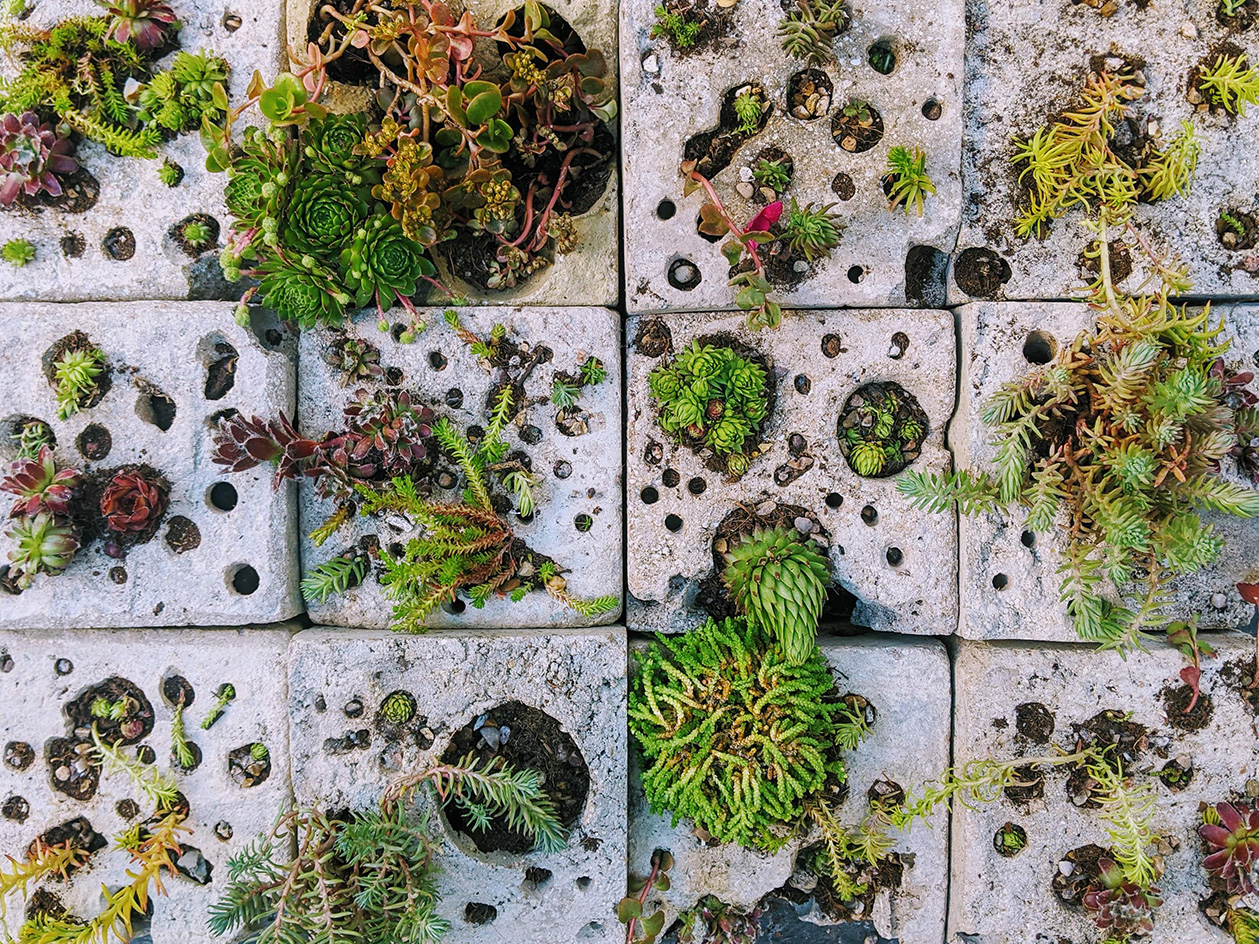
The bio-morphic island has projects which mimic natural structures, patterns and shapes, including Heatherwick Studio’s cancer support centre, Maggie’s Leeds, with its skeletal-like interior structure.
Biomimcry involves emulating nature’s biological processes, systems and structures to design buildings, products and technologies. Orga Architect’s der Verwondering primary school in The Netherlands has supporting columns and seating made out of rough tree logs.
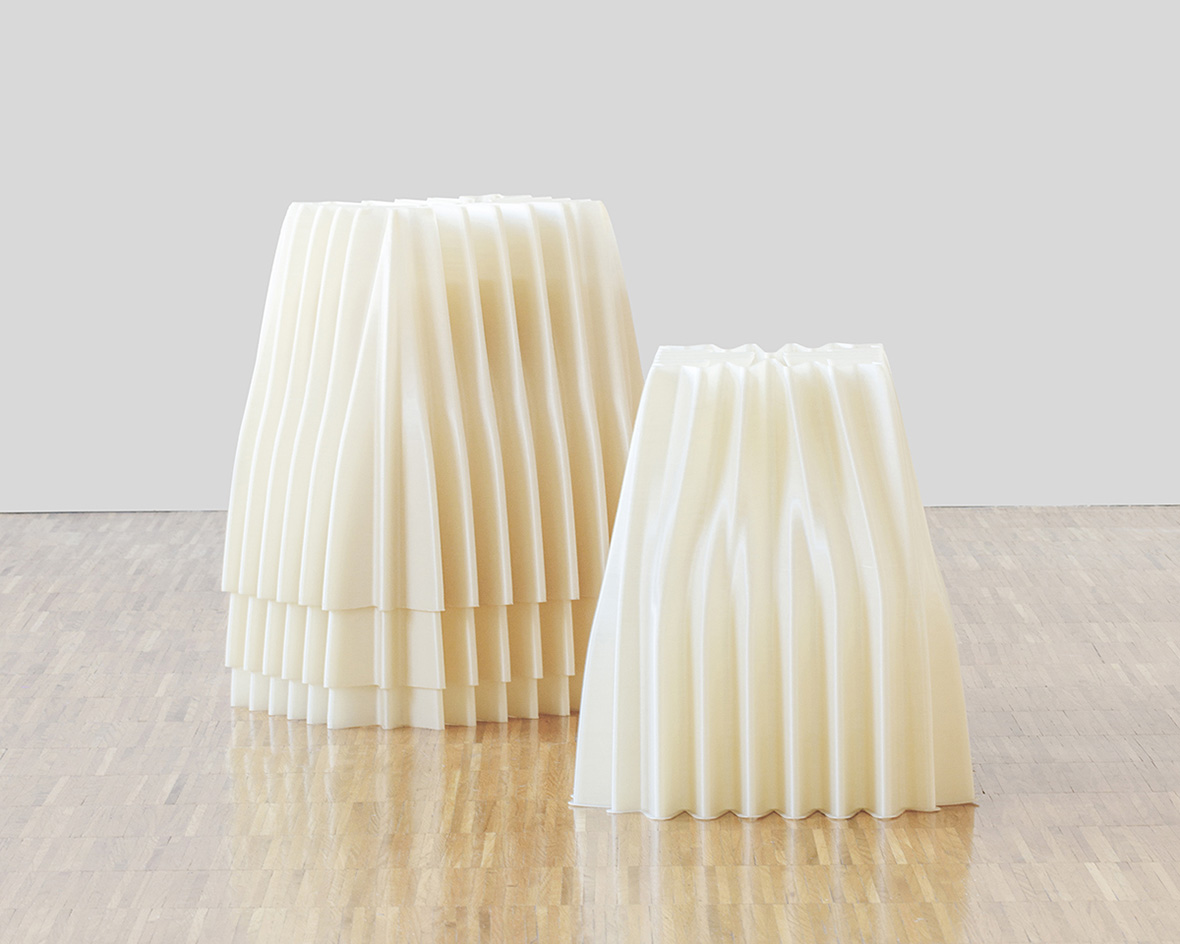
According to Spencer, as the world only has finite resources, biodesign is the right direction of travel. 'These businesses [in the exhibition] are at the forefront of tackling this.'
The accompanying talks will explore biophilic design (16 May), biodiversity (6 June) and material future (18 September).
'Bio-Spaces: regenerative, resilient futures' runs from 19 April to 30 September at Roca London Gallery