PayPal co-founder and prominent Donald Trump donor Peter Thiel has addressed reports that he uses radical life extension therapies that involve blood transfusions using youthful donors.
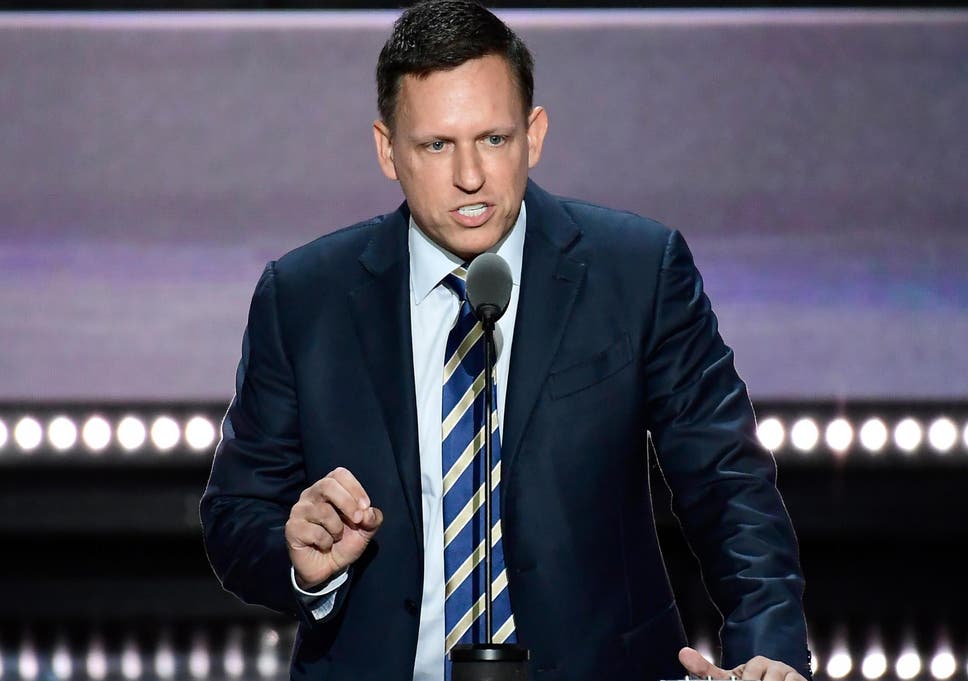
Speaking at the New York Times Dealbook conference Mr Thiel said: "I want to publicly tell you that I'm not a vampire. On the record, I am not a vampire."
When questioned further on the matter, he denied that he has ever injected himself with a "young person's blood," a practice that some believe can have a regenerative effect on older people.
In 2016, various media outlets reported that Mr Thiel had links to the radical life extension startup Ambrosia, with Gawker claiming he "spends $40,00 per quarter to get an infusion of blood from an 18-year-old based on research conducted at Stanford on extending the lives of mice."
These reports cited his investment portfolio, together with a 2009 essay that laid out his philosophical and political beliefs. In it, he wrote that he stood against "the ideology of the inevitability of the death of every individual."
However the blood transfusion claims were never verified and Gawker shut down shortly after following an unrelated lawsuit partly funded by Mr Thiel.
Since making his fortune from selling the online payments platform PayPal, Mr Thiel has invested in a number of medical research startups set up to look at ways to extend life through his Breakout Labs fund.
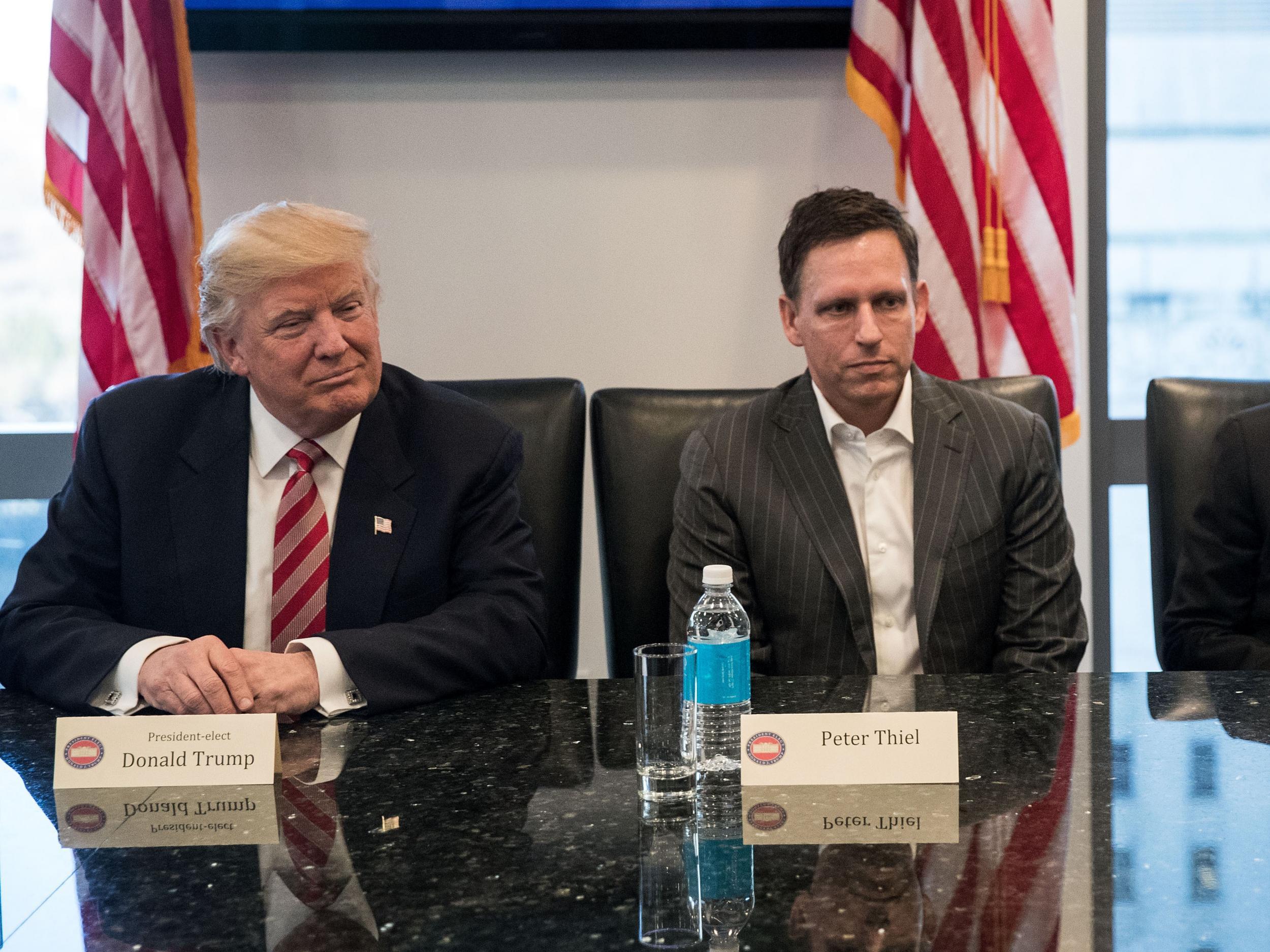
Speaking at the DealBook conference on Thursday 1 November, Mr Thiel said: "I think there's a lot that can be done, and so when one looks at cancer, all sorts of other diseases, I think there are a lot of really interesting ideas. It's not at all clear why they couldn't work or aren't being pursued. My concerns always that we're just not trying hard enough. It's not a problem with nature, it's more of a cultural problem."
He claimed that the culture of science is biased against taking too much risk in research, while investors are biased towards businesses and ideas that offer incremental rewards rather than major breakthroughs.
"I think on the life extension, immortality question, there's always a very pessimistic and a very optimistic view people tend to have," he said. "The very pessimistic view is, 'we're all going to die, there's nothing we can do about it', there's a sort of acceptance. The very optimistic view is, 'I'm not going to die in the next six months, so i don't need to think about it.' that's sort of denial.
"And what extreme optimism and extreme pessimism have in common is they both get you to do nothing. So I think the healthy attitude is not a halcyon like optimism but is sort of somewhere in between and that what we need to do is resist acceptance, resist denial, we need to just fight."