Australia’s opposition leader, Bill Shorten, will meet with South Korea’s prime minister as part of a bid to reassure the region that Australia’s position on North Korea will not change, even if there is a change in government.
Shorten and his foreign affairs spokeswoman, Penny Wong, have left for a four-day trip to South Korea and Japan, with meetings scheduled with Lee Nak-yeon, the former UN secretary general Ban Ki-Moon, the commander of the US Forces in Korea, Gen Vincent Brooks, and Japan’s foreign minister, Taro Kono.
The trip comes just days after the Australian foreign minister, Julie Bishop, used her address to the United Nations general assembly to condemn North Korea’s ongoing nuclear and missile provocations, and to call on the rogue nation’s allies China and Russia to continue applying pressure.
On his way to the political hotspot, Shorten said North Korea was one area where Labor and the Coalition were in lockstep.
“South Korea and Japan are critical to the economic and national security of our region,” he said.
“And it is therefore important at a critical time, that both sides of Australian politics have the best possible understanding so we can make the best possible decisions.
“And to be very clear, that this escalating tension in the Korean peninsula is a matter which goes towards the security of the region, but the broader world.
The North may have found a way to make a nuclear warhead small enough to put on a missile, but firing one at the South is likely to provoke retaliation in kind, which would end the regime.
Pyongyang has enough conventional artillery to do significant damage to Seoul, but the quality of its gunners and munitions is dubious, and the same problem – retaliation from the South and its allies - remains.
In the event of a non-nuclear attack, Seoul's residents would act on years of experience of civil defence drills, and rush to the bomb shelters dotted around the city, increasing their chances of survival.
“That’s why it is very important that all nations, including China and Russia, support the increased United Nations security council resolutions to put all possible pressure on the North Korean regime.”
China has agreed to the latest sanctions, which include restricting its fuel exports to North Korea and putting a ban on Pyongyang’s second-biggest export, textiles.
The Australian prime minister, Malcolm Turnbull, has pushed for China to do more, including cutting off the oil pipeline which provides North Korea with much of its fuel.
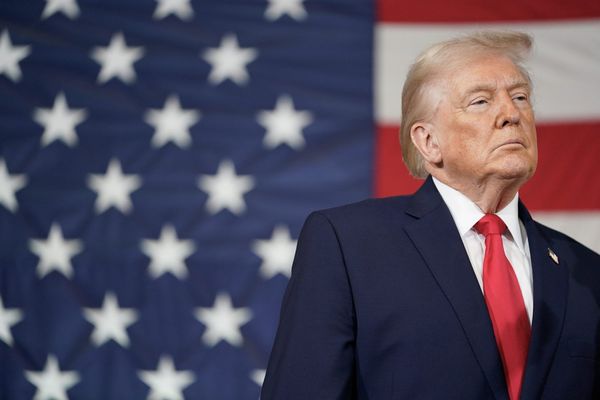
Donald Trump used his first speech to the general assembly to warn the United States would “totally destroy” North Korea if it continued its weapons programs. North Korea responded by threatening to detonate a hydrogen bomb in the Pacific Ocean.
Kim Jong Un of North Korea, who is obviously a madman who doesn't mind starving or killing his people, will be tested like never before!
— Donald J. Trump (@realDonaldTrump) September 22, 2017
The speech, and Trump’s Twitter feed, where he refers to Kim Jong-un as “Rocket Man” has resulted in an escalating war of words between the two leaders.
A series of small earthquakes in North Korea this weekend sparked fears of another nuclear test, but experts believe the tremors to be natural.