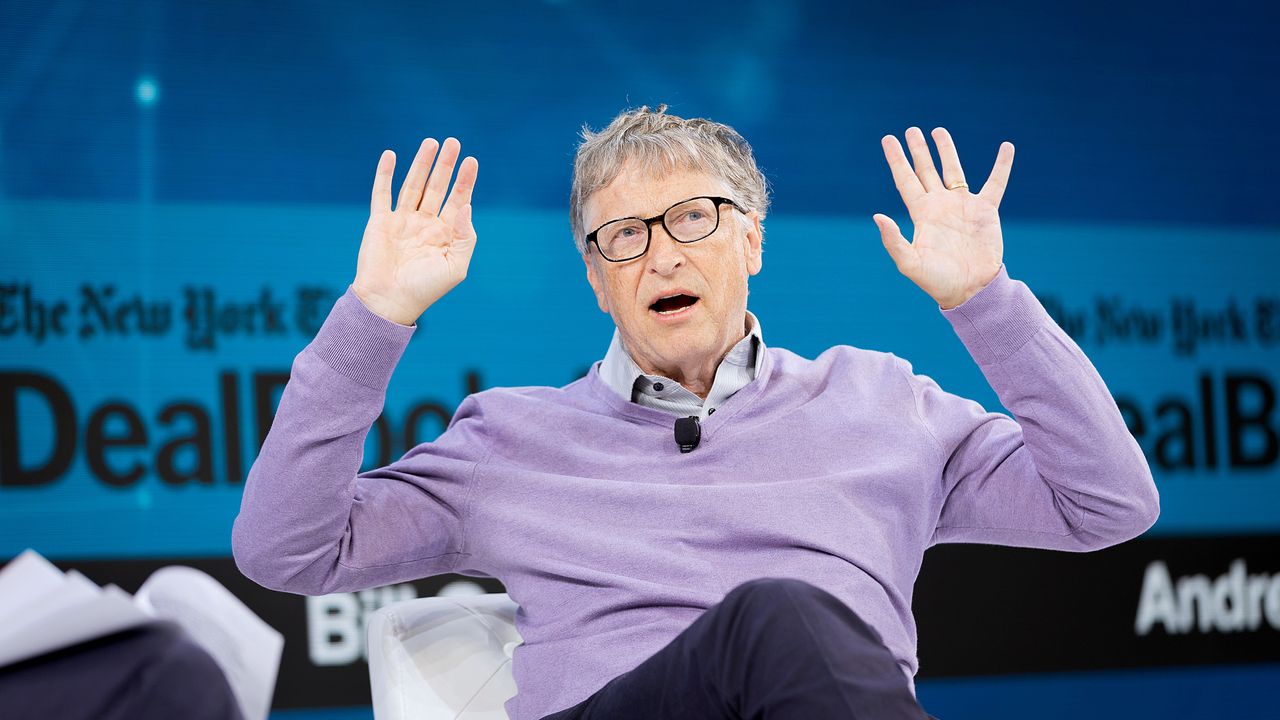
When Bill Gates says anything about the future of technology, people tend to take notes. After all, Gates has correctly predicted everything from digital assistants to online payments and remote work years before they became mainstream.
His latest warning is just as bold. Gates recently suggested that artificial intelligence will eventually automate most jobs, leaving only a handful of careers — including programmers, biologists, energy experts and even professional athletes — as relatively safe.
Maybe he's right.
But history suggests there's another possibility: even one of the greatest technology visionaries of our time doesn't always see the future clearly.
Before you decide whether Gates' latest AI prediction deserves your trust, it's worth looking back at some of his biggest forecasting misses.
1. Spam would disappear within two years
In 2004, Gates predicted spam would become "a thing of the past" thanks to better authentication systems and new anti-spam technology. Microsoft invested heavily in solving the problem.
And if you've spent any amount of time online recently, you already know that spam has never disappeared. It actually evolved. Today we have AI-generated phishing emails, business email compromise attacks and increasingly convincing scams filling inboxes every day.
Verdict: Wrong.
2. Tablet PCs would become the future of computing
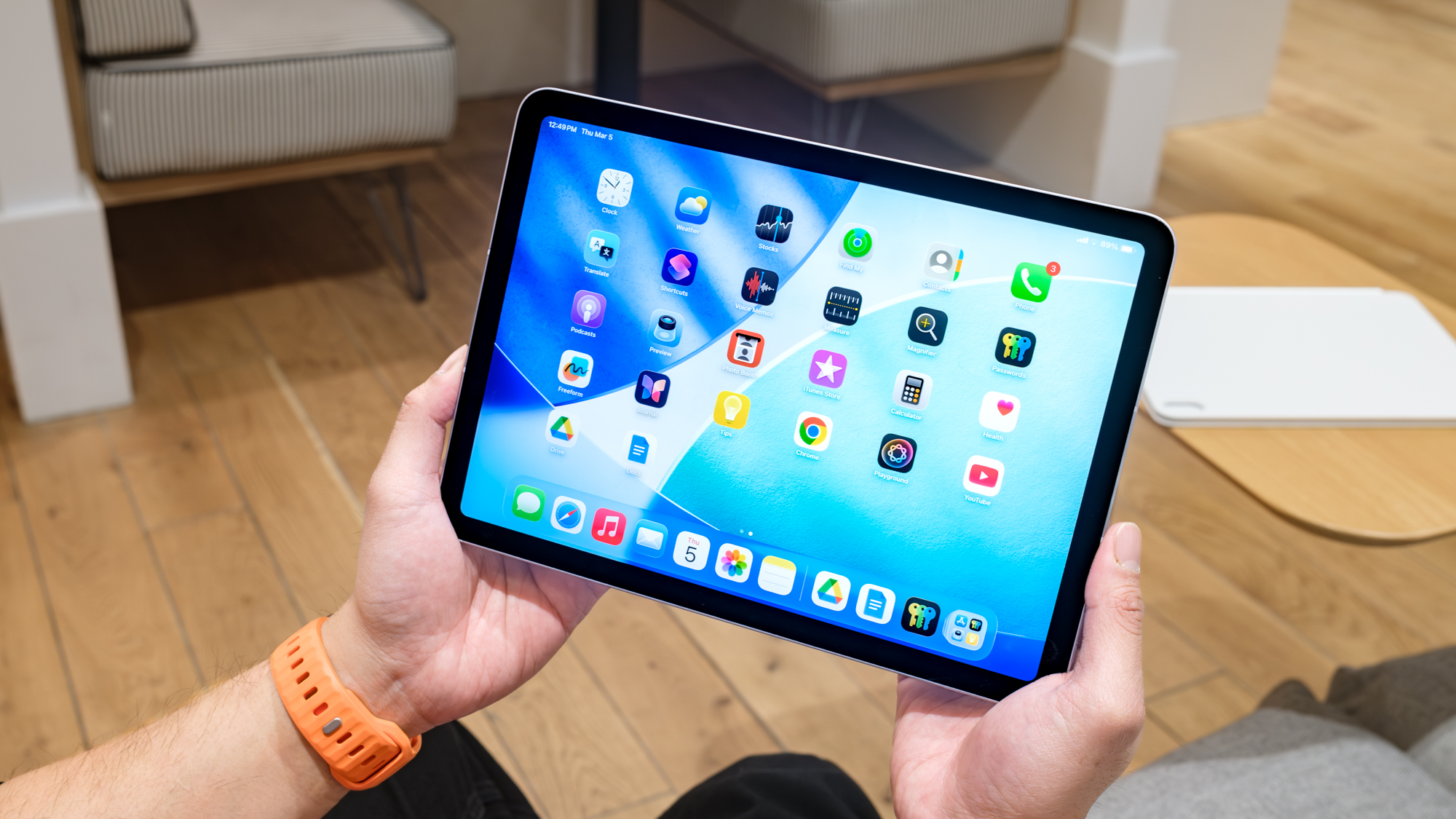
Long before the iPad existed, Gates believed Windows Tablet PCs represented the future of personal computing.
To be fiar, his concept wasn't wrong, but Microsoft's execution was. The first generation of Windows tablets never became mainstream, while Apple's touchscreen-first approach completely redefined the category years later.
Verdict: Right idea. Wrong product.
3. Windows phones would remain competitive
Microsoft spent years trying to establish Windows Mobile as a major smartphone platform. Remember that?
But the iPhone and Android completely changed the market. Microsoft eventually abandoned the smartphone business altogether. Even Gates has since called losing mobile one of Microsoft's greatest mistakes.
Verdict: Wrong.
4. Passwords would disappear quickly
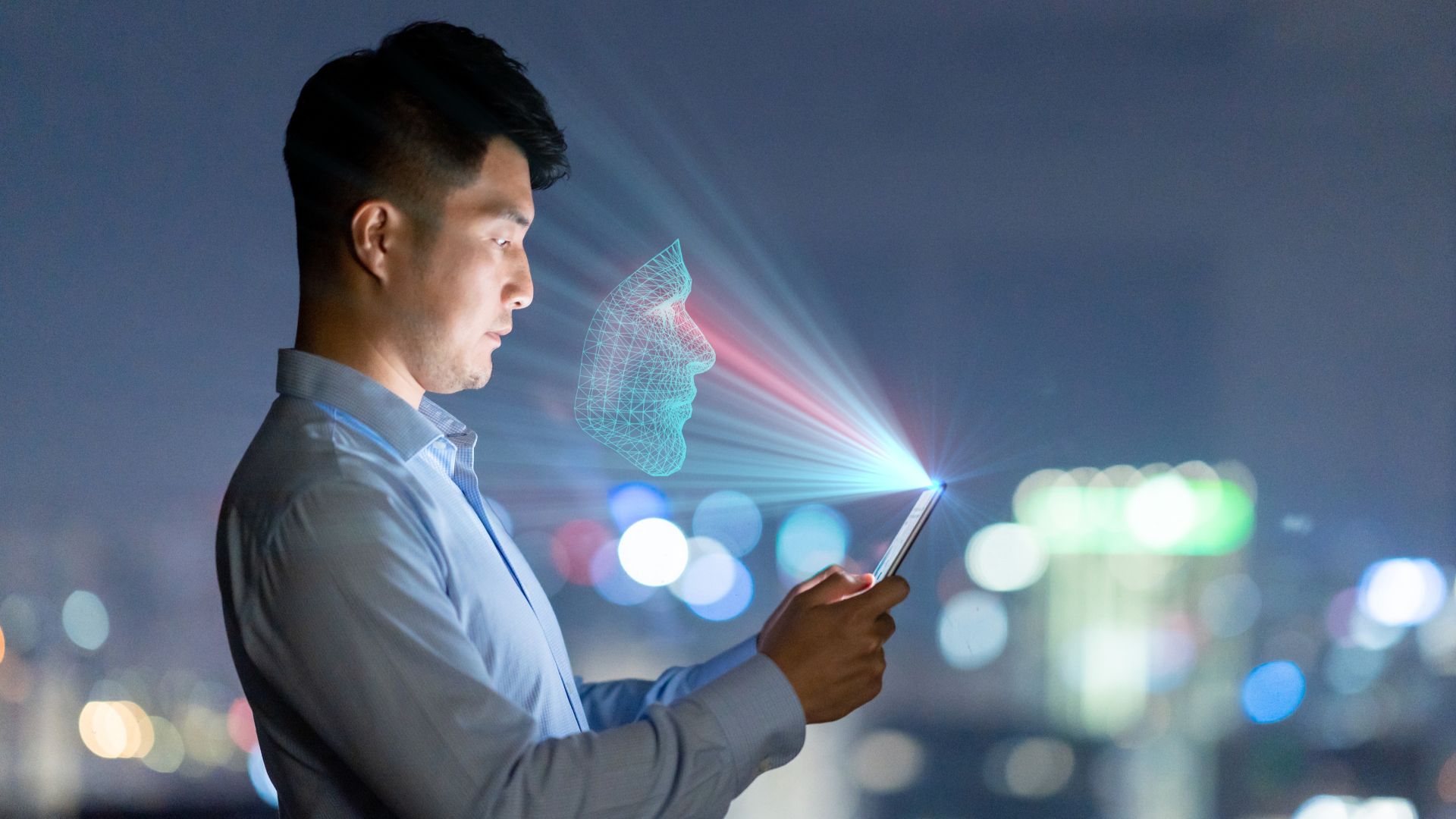
For years Gates argued passwords were fundamentally broken and would soon disappear. Fine, this one is the most accurate of the group because biometric logins and passkeys do exist now. However, this prediction came much later (roughly two decades) later than many expected.
Verdict: Right, but wrong timeline.
5. Speech recognition would mature much sooner
In the early 2000s, Gates believed speech recognition was close to becoming a natural way to interact with computers.
It took nearly twenty years and the arrival of large language models like ChatGPT and Claude to make it happen, but yes, voice conversations with computers does feel natural.
Verdict: Too early.
6. Offices would become largely paperless
Gates famously envisioned a world where digital documents would replace paper almost entirely. And while we certainly print less than we did in the 1990s, businesses, especially governments, hospitals and schools consume enormous amounts of paper each year.
Verdict: Partly right.
7. PCs would remain the center of digital life

Like many technology leaders in the 1990s, Gates largely imagined personal computers remaining our primary gateway to the internet. But for billions of people, smartphones have become what they reach for instead of their computer, with global market share indicating mobile-first. Some people rarely touch a desktop at all.
Verdict: Wrong.
So should you believe Bill Gates about AI?
If there's one lesson from Gates' forecasting record, it's simply that the future almost always surprises everyone, including the people trying hardest to predict it. And for those of us who aren't professional athletes or even skilled in any of the other three "safe from AI" careers, check out my career calculator to determine where your role stands.
Let me know in the comments if you think Bill Gates is right or share your own perspective.