NORRISTOWN, Pa. _ After more than a decade of allegations that have fractured the career of one of America's best-known comedians, Bill Cosby's trial on indecent assault charges opened Monday with prosecutors drawing a portrait of the entertainer as a sexual predator who used his reputation to win a woman's trust and assault her.
But Cosby's defense brushed aside the claims, saying they were false accusations from a woman with whom he'd had a long and consensual romantic history.
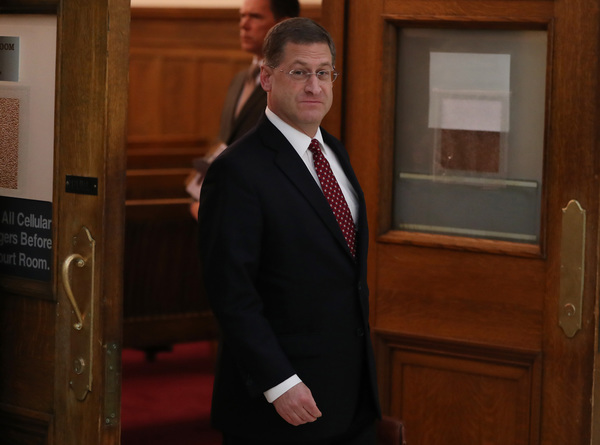
As opening statements got underway at the criminal trial of the 79-year-old entertainer on charges that he assaulted former Temple University basketball coach Andrea Constand, prosecutors said Cosby had no real interest in mentoring Constand when she came to his Pennsylvania home in January 2004.
"This is a case about a man who used his power and his fame and his previously practiced method of placing a young, trusting woman in an incapacitated state so that he'd sexually pleasure himself, so that she couldn't say no," Montgomery County Assistant District Attorney Kristen Feden told jurors gathered in this courthouse 45 minutes northwest of Philadelphia.
Describing an unidentified pill Cosby provided Constand that night, Feden said, "He stole her sense of privacy, her sense of autonomy ... she can't move, she can't talk, she's completely paralyzed."
Lead Cosby attorney Brian McMonagle responded in his opening that his client and Constand had purely consensual contact, characterizing their relationship as simply two adults falling for each other.
"'We had cognac and brandy and sipped it in front of the fire. Romantically.' I didn't hear that (in the prosecution's opening)," McMonagle said of the Cosby-Constand interaction that night. "She wasn't paralyzed; she wasn't incapacitated," he added. "He made her breakfast" the next morning.
Cosby faces three counts of aggravated indecent assault stemming from the incident, in which both sides agree he penetrated her with his fingers but disagree sharply on whether there was consent. It is the only known incident among those alleged against Cosby by some 60 women, dating back four decades, in which the statute of limitations has not expired.
County prosecutors brought charges against Cosby 18 months ago just as a statute of limitations in the Constand case was about to expire. If found guilty, Cosby could face up to 10 years in prison. Also at stake is his legacy, which has already been tarnished from the accusations and could suffer further depending on the trial's outcome.
Feden said the incident that night in 2004 came after Constand had been led to believe Cosby, more than 35 years her senior and a storied figure on the Temple campus, had suggested he wished to guide her in her career.
"The sad reality of it is she thought she was receiving mentorship and career advice," the prosecutor said. "Her intentions were very, very different than his."
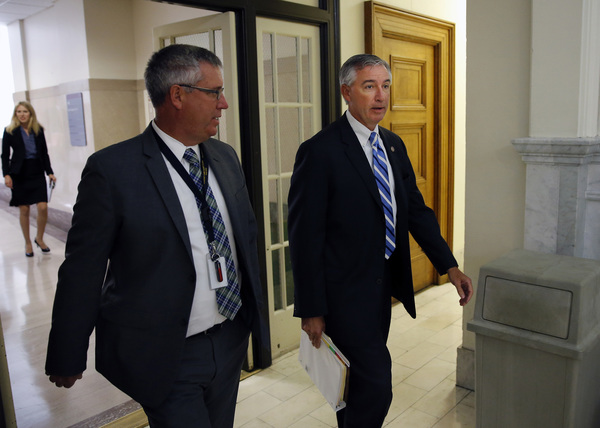
Feden previewed the case she and lead prosecutor Kevin Steele would make in the coming weeks, which includes testimony from both Constand's mother and another of Cosby's accusers, identified as Kelly Johnson, an assistant at the then-William Morris Agency.
Feden sought to pre-empt the defense's questions about why Constand waited a year to come forward and instead maintained contact with Cosby during that time; she said Constand was confused and ashamed.
But McMonagle seized on that point.
"After the so-called paralyzing and drugging and assault she called him _ there were 72 phone calls. She called him. Fifty-three times," he said. "They spoke 30 to 40 minutes at a pop. Their relationship continued."
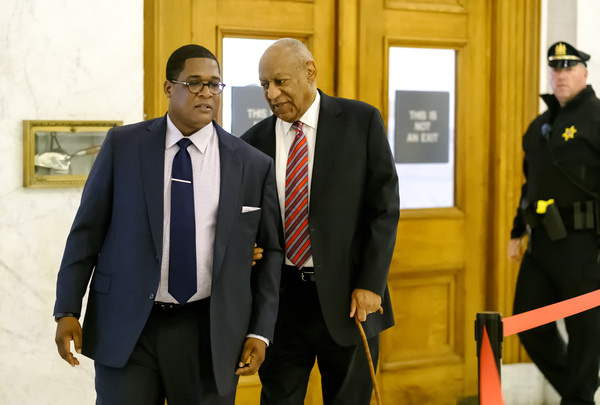
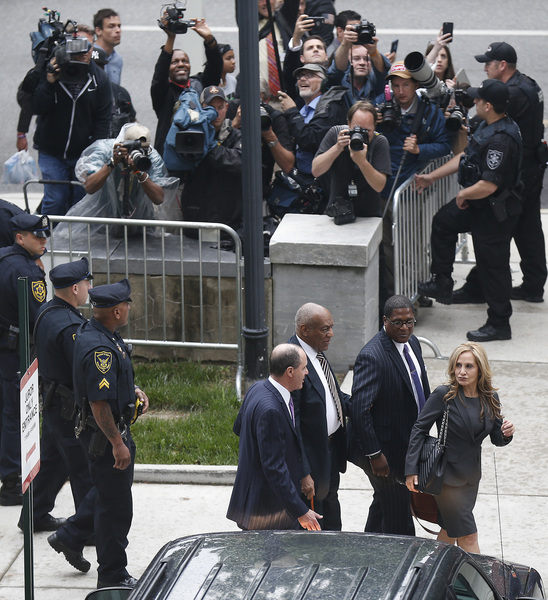
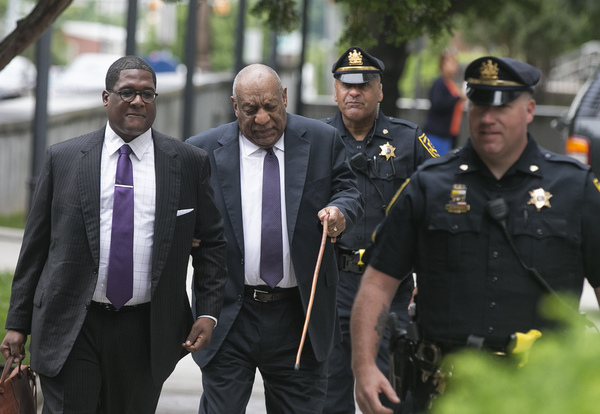
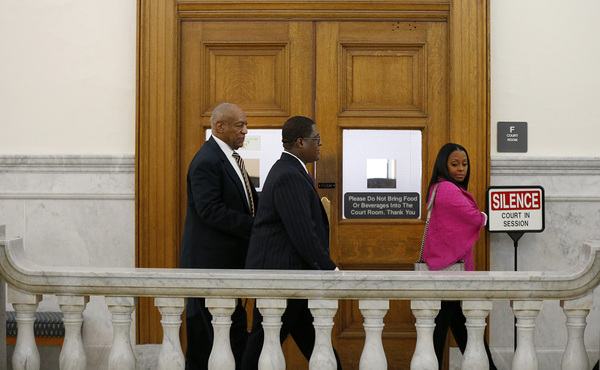
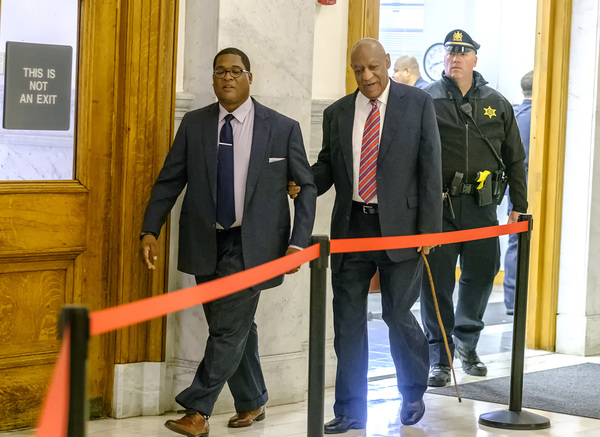
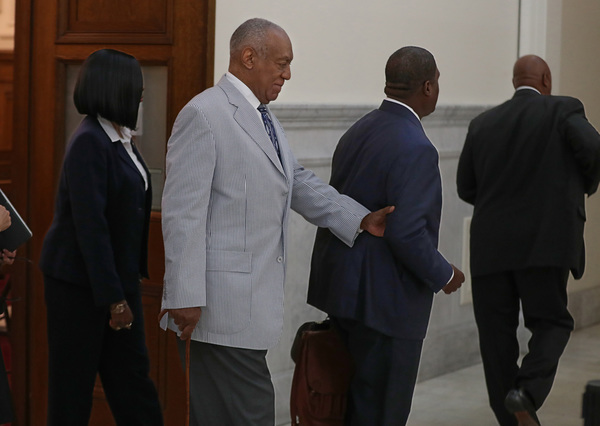
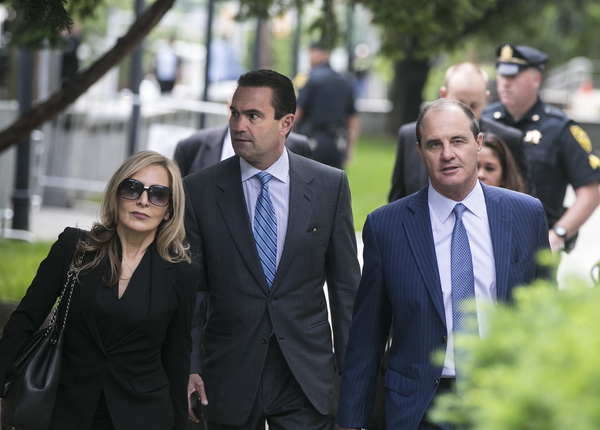
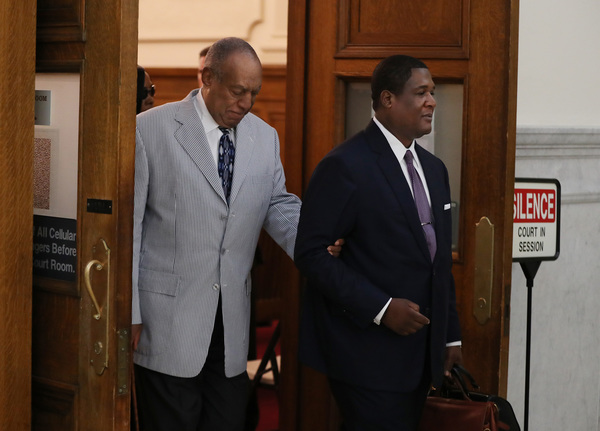
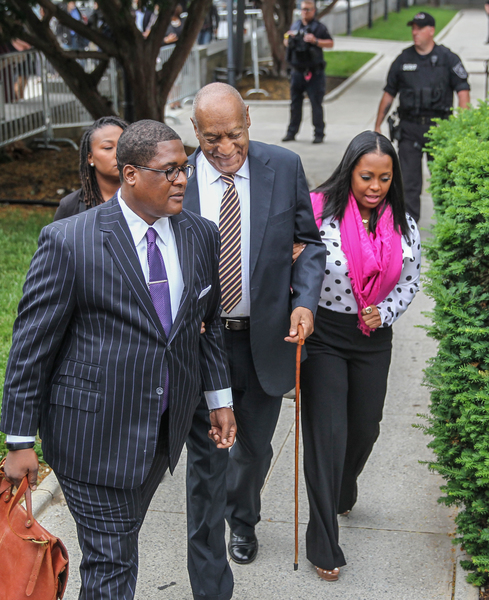
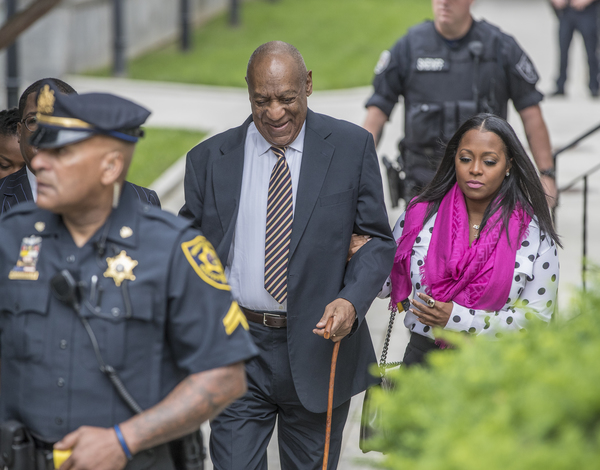
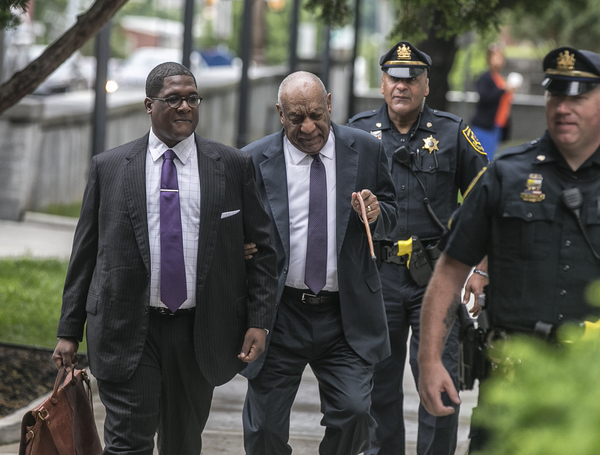
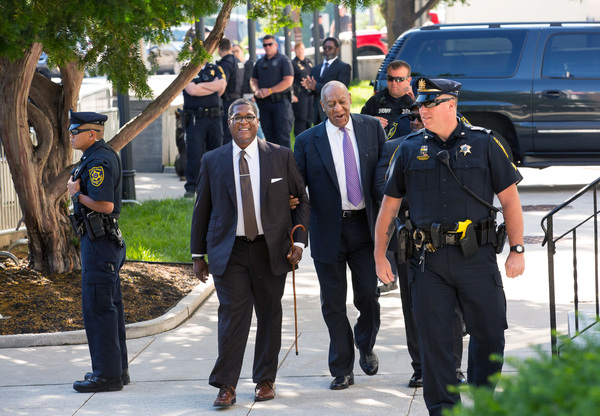
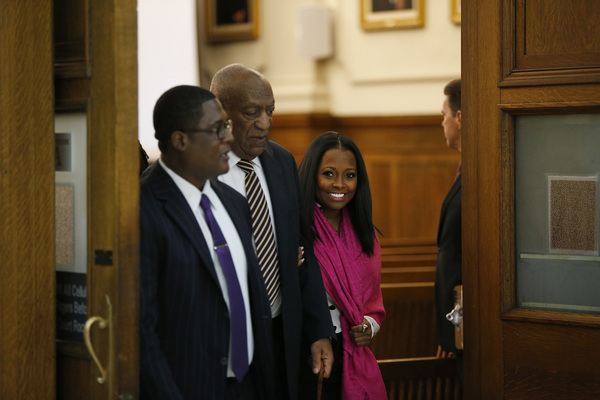
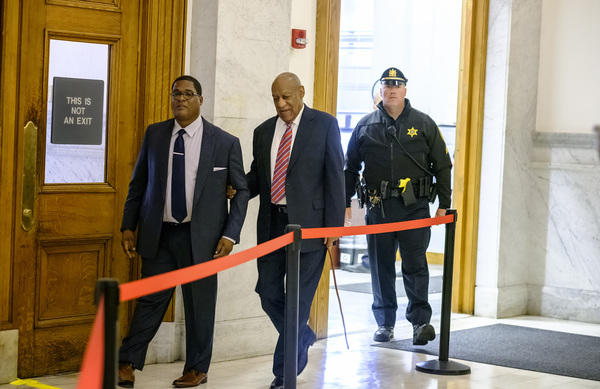
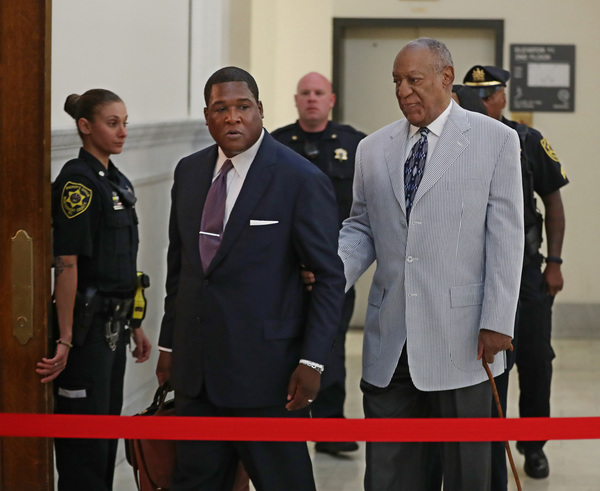
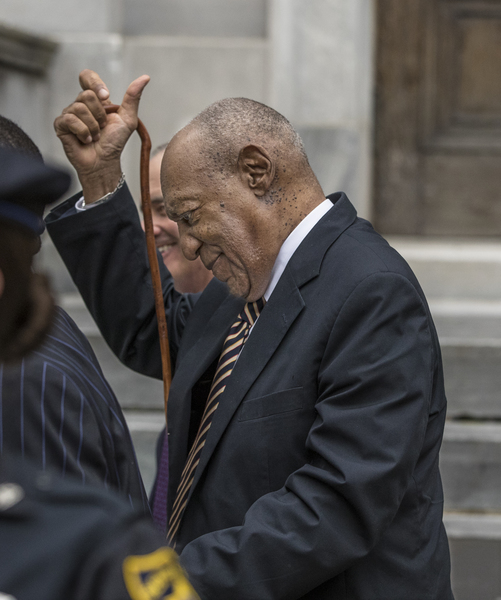
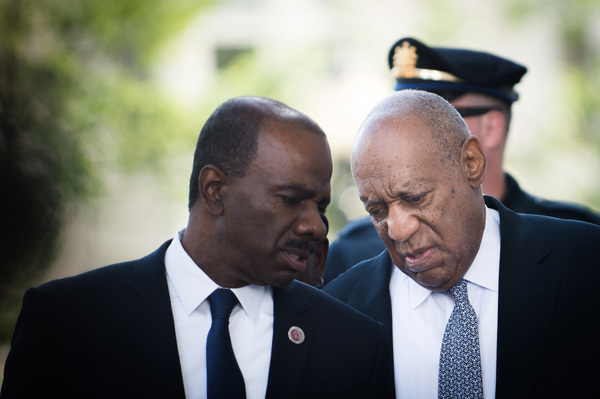
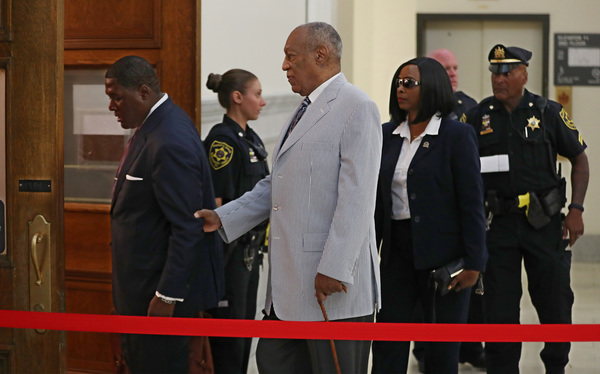
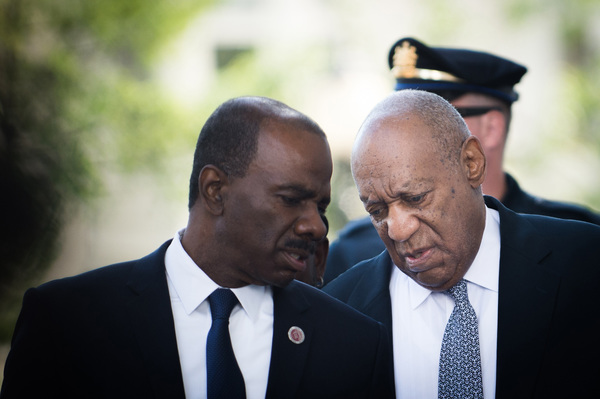
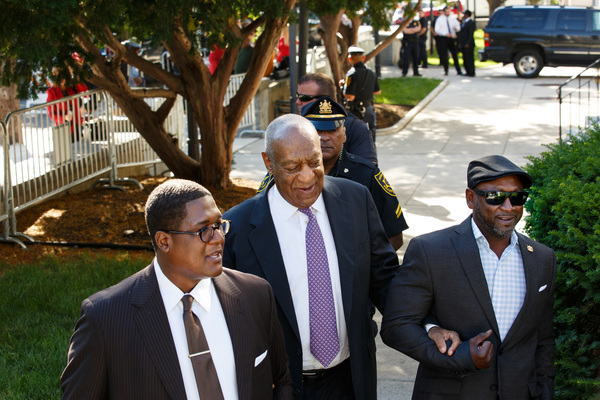
Cosby entered the court about 45 minutes before proceedings began, flanked by several people, including Keshia Knight Pulliam, who played Rudy on "The Cosby Show" and has been a supporter of her former co-star.
Wearing a dark jacket, Cosby appeared alert and engaged throughout a series of procedural motions that preceded opening statements, then leaned forward with little expression on his face as Feden described the night of his sexual contact with Constand in granular detail. At one point during the description, McMonagle put his around Cosby in a gesture of comfort.
The jury in the case is made up of seven men and five women, with six alternates, drawn from a pool in the Pittsburgh area several hundred miles away. The defense argued that a jury from across the state was less likely to be biased by the 2014 county election that brought Steele to office, in which his pledge to prosecute Cosby was a campaign issue.
The question of jurors' prior beliefs has been a focal point in a case that's so high-profile, and long-running, that many Americans have already made up their minds about the defendant. Judge Steven T. O'Neill sought to dissuade jurors from drawing on their own views.
"You cannot permit sympathy, prejudice, bias for any witness, for the defense, for anybody on this case to divert from (your) sworn duty," he said. "Each of you must keep an open mind throughout this trial."
He added that any outside influences or information about Cosby had no place in their thinking. "This great responsibility is one you cannot shrink from," he said.