AKRON, Ohio _ A brother. A friend. A client. A parent. A child.
One would be hard-pressed to find a person who isn't touched by the opioid crisis tearing through the country _ a crisis at its worst in Ohio, where state lawmakers are increasingly pushing legislation in an attempt to ease what has become a drug epidemic.
While the epidemic has generated a better understanding of addiction overall, those who are directly impacted still feel a lack of resources in Summit County is creating barriers to sobriety.
The Akron Beacon Journal tracked 84 bills proposed by state legislators since 2009 that would impact opiate use. The bills _ 25 of which eventually became laws _ mostly focused on reforming enforcement, new regulations and treatment options.
Nancy Mariola of Cuyahoga Falls has spent the past decade working alongside lawmakers, pushing legislation that would create harsher punishments for people dealing heroin.
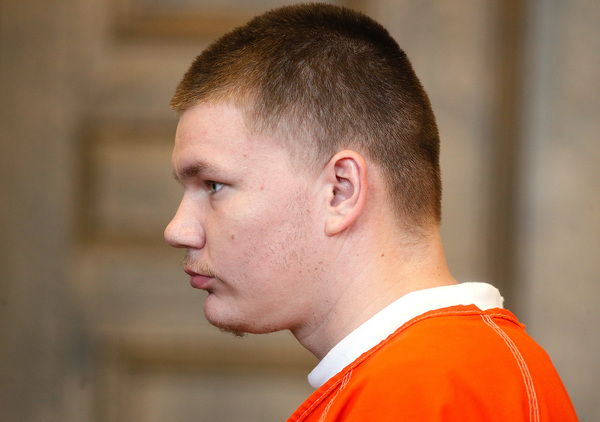
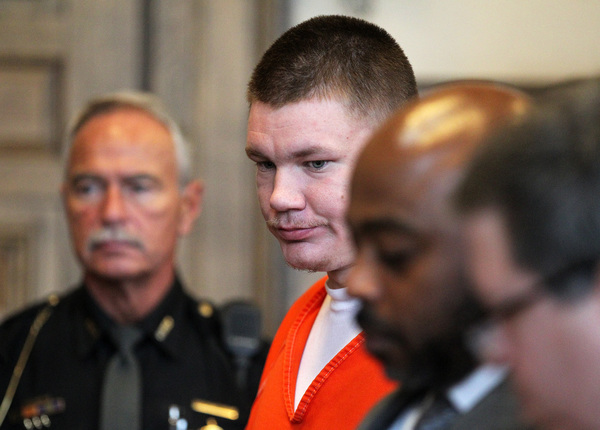
She still believes incarcerating drug dealers is important in fighting the epidemic _ even after sitting in the courtroom as her 26-year-old son, Brock Richardson, was sentenced to five years in prison on involuntary manslaughter charges in March after he gave heroin mixed with fentanyl to a 21-year-old who overdosed and died.
Richardson became more of a middle man trying to support his own addiction, Mariola said, rather than a drug dealer looking for profit.
"I understand both sides of this ... It was a poor decision made by someone who was in addiction himself," Mariola said. "The problem's bigger than the solution, so they're going for the middle man."
COMBO TREATMENT
Mariola said she's spent more than 15 years putting her two oldest sons through treatment and rehabilitation centers for addictions that both eventually turned to heroin.
The path to sobriety often can be long. A study conducted with 109 detox patients found 91 percent relapsed within the first year.
For Tracy Stinson of Akron, it took several attempts and a combination of multiple treatment options over a span of more than 20 years to get sober. Her journey to sobriety included drug court programs, detoxification, rehab and even some jail time.
"Not one way works for everybody," Stinson said.
Stinson said of all the programs that she completed, those that were most effective were facilitated by other people who were actively in recovery.
"Some of these programs that are successful already or want to do the same thing, that'd be a very useful way to apply the money," Stinson said.
SEEKING MORE MONEY
The recently approved state budget diverts $35 million from the Local Government Fund to the state opioid addiction program.
Gov. John Kasich also vetoed a proposed freeze on enrollment in the state's expanded Medicaid program. Kasich's administration said the freeze likely would result in loss of resources to fight opioid abuse, despite provisions lawmakers say would protect those with a mental illness or drug addiction.
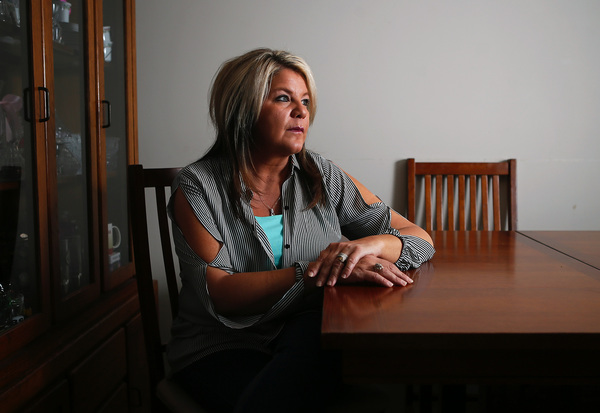
Mariola saw her sons get rejected several times from treatment centers spanning from Summit to Lorain counties because of a lack of beds. Many other addicts who walk into treatment centers are turned down for not having the proper identification or sufficient funds.
"I think funding is the biggest issue, absolutely. This is wiping out an entire population," Mariola said. "I understand the funds have to be available, but putting a dollar sign on a human being's life? That's the struggle."
Tim Gray completed a drug court program that was supported by a state grant.
Those funds are limited, though. Had the Akron resident not gone through the program, he doubts he would be three years sober as he is today.
"Fundraising for more treatment centers and sober living would be my best guess" to alleviating the crisis, Gray said.
STRAIGHT TO THE SOURCE
Joe Bondurant of Akron is still fighting for his son to get the treatment he needs to save his life. The image of finding his oldest son, Cody, slumped over and purple still burns in Bondurant's mind, even three years after his death.
"It totaled me. It killed me," Bondurant said. "I died when he died."
Like so many others, Bondurant and his sons spent years calling treatment centers, only to be told time after time that there aren't enough beds. His son Cody eventually completed a 90-day recovery program, but he relapsed and died just days after.
Beyond more treatment options, Bondurant said he also wants to see a national approach that focuses on keeping drugs from entering the country in the first place.
"If [President Donald] Trump wants to build a God damn wall around the United States, go for it, man," Bondurant said. "If that's what we need to do, then that's what we need to do. And it appears that is what we need to do."