
Google I/O may not be officially kicking off for another week, but Google is revealing some of the news early during a special Android-themed presentation. The Android Show: I/O Edition came and went, bringing along exciting news around Google's ecosystem — and introducing a totally new product category.
Most notably, it's stepping into the the premium laptop segment with the Googlebook, which the company says are "the first laptops designed from the ground up for Gemini Intelligence.” These aren't meant to replace its Chromebooks, but rather, lean on AI to better help you perform complex tasks.
Speaking of Gemini Intelligence, it's going to transform the Android experience in a number of ways. For example, you'll be able to create helpful widgets on your phone to meet your exact needs. It's also coming to Android Auto, where you can tap into its task automation feature to perform complex stuff by simply speaking them.
Finally, the Android Show: I/O Edition also reveals other key integrations with Instagram that will make content creation even better with Android phones. Here's all the biggest announcements from the Android Show: I/O Edition.
How to watch The Android Show: I/O Edition 2026
Tuning into The Android Show is super easy, no matter where you are, or what devices you have to hand. The show itself was streamed on May 12 from 10 a.m. PT / 1 p.m. ET / 6 p.m. BST, and since it's a Google event, everything was live-streamed via YouTube.
We've embedded the story below, so you can watch the entire event right here and rewatch it. But if you'd prefer to watch it on YouTube itself, then be sure to click this link.
Going to YouTube will also give you the option to be notified when The Android Show is about to start. That way, you won't forget to tune in and miss those early announcements.
Android Show: I/O Edition: Biggest announcements
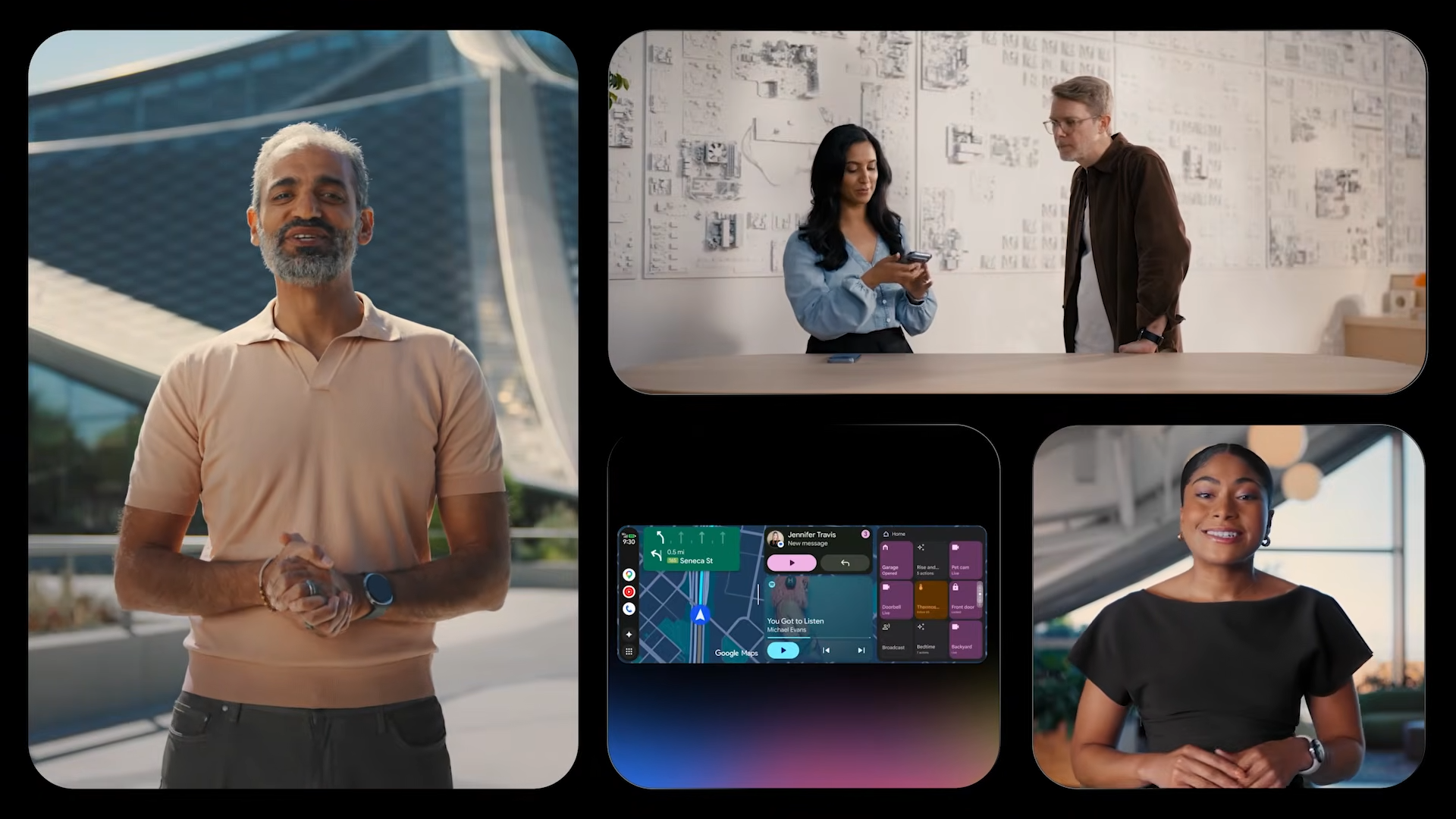
While the Android Show: I/O Edition gave us a look at what Google's working on, there's surely going to be even more in store for the Google I/O 2026 keynote next week. However, this event yielded several big surprises — so here's all the announcements.
- Gemini Intelligence: This isn't just a rebrand or an app to access AI, it's becoming the intelligence layer running underneath Android itself.
- Googlebook: Google officially enters the premium laptop segment with its new Googlebook line, a high-end series of AI PCs built from the ground up centered around Gemini Intelligence.
- Android Auto: The car infotainment system is getting a much needed makeover with customizable widgets on the home screen, support for video playback, and more.
- Immersive Navigation with Google Maps: Not only is Google Maps for Android Auto going 3D, but its new Immersive Navigation can better instruct you with directions.
What's happening with Android 17?
It wouldn't be the Android Show if Google's mobile operating system didn't make an appearance. But it's unclear what Google might actually have to announce, given how far along we already are in the Android 17 release cycle.
The first Android 17 beta was released back in February, and the software has been in the "Platform Stability" phase since March. Entering this phase means that features are all locked in, and subsequent updates are focused on fixing bugs and other issues ahead of launch.
The wide availability of the Android 17 beta means people have already uncovered most of its secrets. So we probably shouldn't expect to hear about any new additions to Android 17 later today. Though this doesn't discount the possibility of Google announcing features that are exclusive to certain devices, such as Pixel phones or AI features that have been developed in collaboration with Samsung.
Aluminum OS could be on the cards
One thing that we should hopefully hear about during the Android Show is what's happening with Aluminum OS — the name given to the new OS that aims to merge Android with ChromeOS.
We know that Google will be scrapping ChromeOS in its current form, in favor of bringing Android to Chromebooks and other desktop PCS, we just don't have any specifics on when this is going to happen. I/O and The Android Show is the perfect opportunity to clear the air and reveal when this is likely to happen.
Considering various Android phones now have a dedicated desktop mode, including Pixels, this should be happening sooner rather than later anyway.
What's left for Google I/O itself?
With Android taking center stage in its own show, ahead of the Google I/O keynote next week, some of you may be wondering what Google will have left for its developer conference next week. If last year is anything to go by, I/O itself is going to focus very heavily on AI.
We're not just talking about Gemini, either. Google has been working on so many different AI models that do a bunch of different things that there will be no shortage of things to talk about.
In fact, pulling Android into its own show is likely being done because Google has so much AI stuff to talk about and there wouldn't be enough time to discuss the operating system otherwise.
Android isn't just about phones or laptops
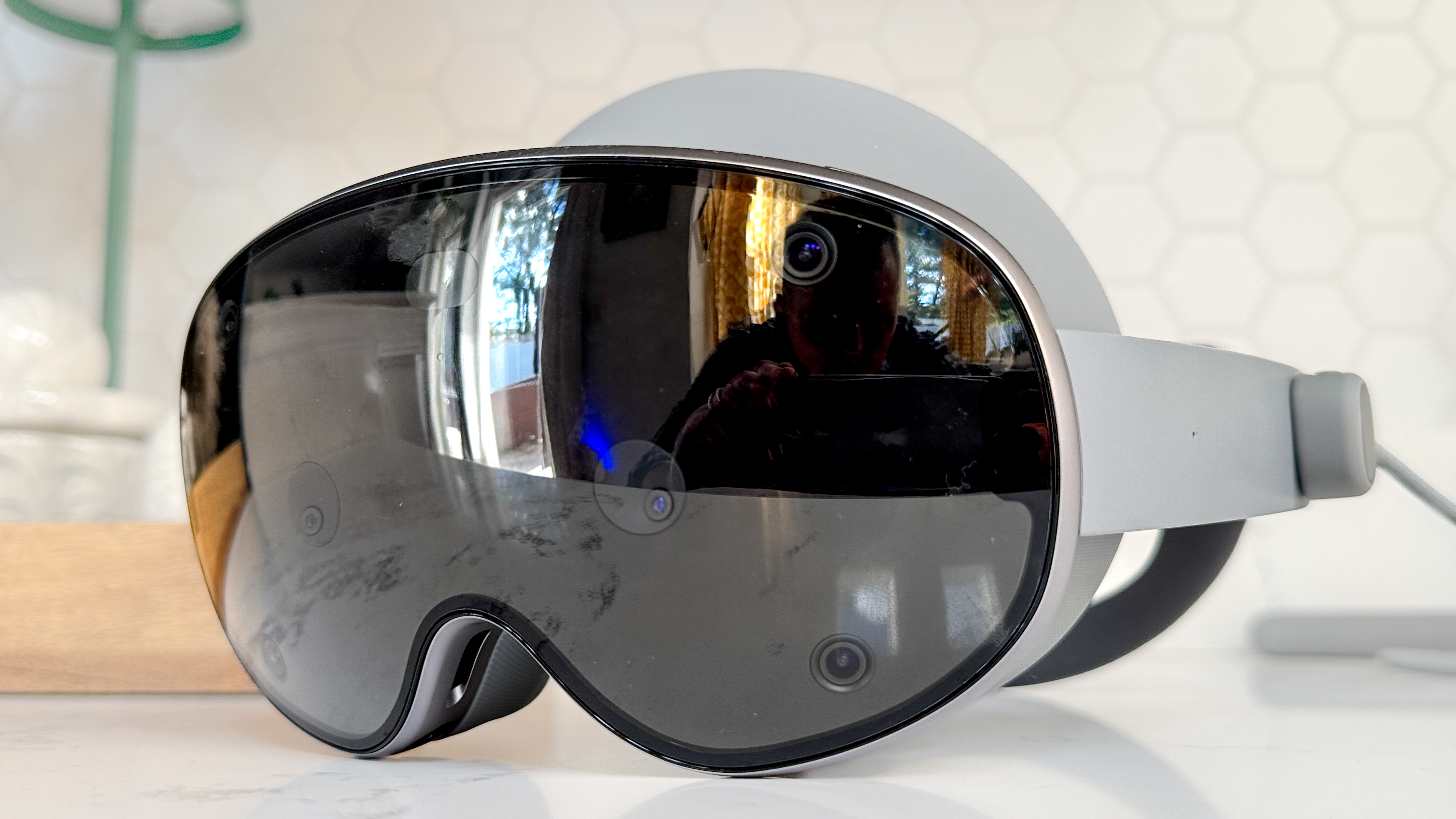
It is mind-boggling how far Android's reach is when you think about it. What started off as an operating system for phones (and later tablets) has now spread to countless different kinds of devices. There's even a version of Android that runs on cars, and lets you access apps and systems while you drive.
The Android Show could feature announcements for all these different versions of Android, whether we're talking smartwatches, cars, smart home systems or even mixed reality products like Samsung's Galaxy XR.
If Google plays its cards right, The Android Show could be a very exciting event — on par with I/O itself.
This won't be an AI-free event
Google has invested a lot in AI, and if you think it's going to save all of that news for the I/O keynote, then you're probably mistaken. Gemini, in particular, plays a huge role in the Android ecosystem, and any updates coming to the platform will likely feature something for Gemini to do as well.
That's especially true when you remember that the Android Show teaser features the normally-green Android mascot morphing into a color scheme reminiscent of the Gemini logo.
We can't really predict what kind of Gemini updates to expect, since some of the good stuff will be held back until next week. I expect that any Gemini news will be focused on new features and capabilities that Android users will be able to use on their devices pretty soon — while the general model updates and technical stuff will be among the talking points at I/O proper.
What about hardware?
Google I/O is normally a very software-focused event, and the inclusion of physical hardware is usually kept to a minimum. That said, there have been some exceptions in the past, such as revealing the Pixel Tablet or teasing the Pixel 7 series phones a few months early.
The Android Show is a different story, and while this is only the second time Google has held this event, there's always the possibility that hardware could play a role going forward.
The question is, what sort of hardware could we see? It's unlikely that Pixel phones or watches will make much of an appearance, since they typically get their own launch event in the late summer or fall.
Likewise, any truly innovative devices, such as AI glasses, would likely need to be kept for events that have a strong developer presence, so that work can begin on creating the right apps and software.
But who knows, if Aluminum OS finally gets its own big reveal, Google may use it as an opportunity to reveal some new laptops. But whether they will be Google-made laptops, like the Pixelbook, or devices made by trusted partners, isn't something we can predict.
There's more to Android than a show
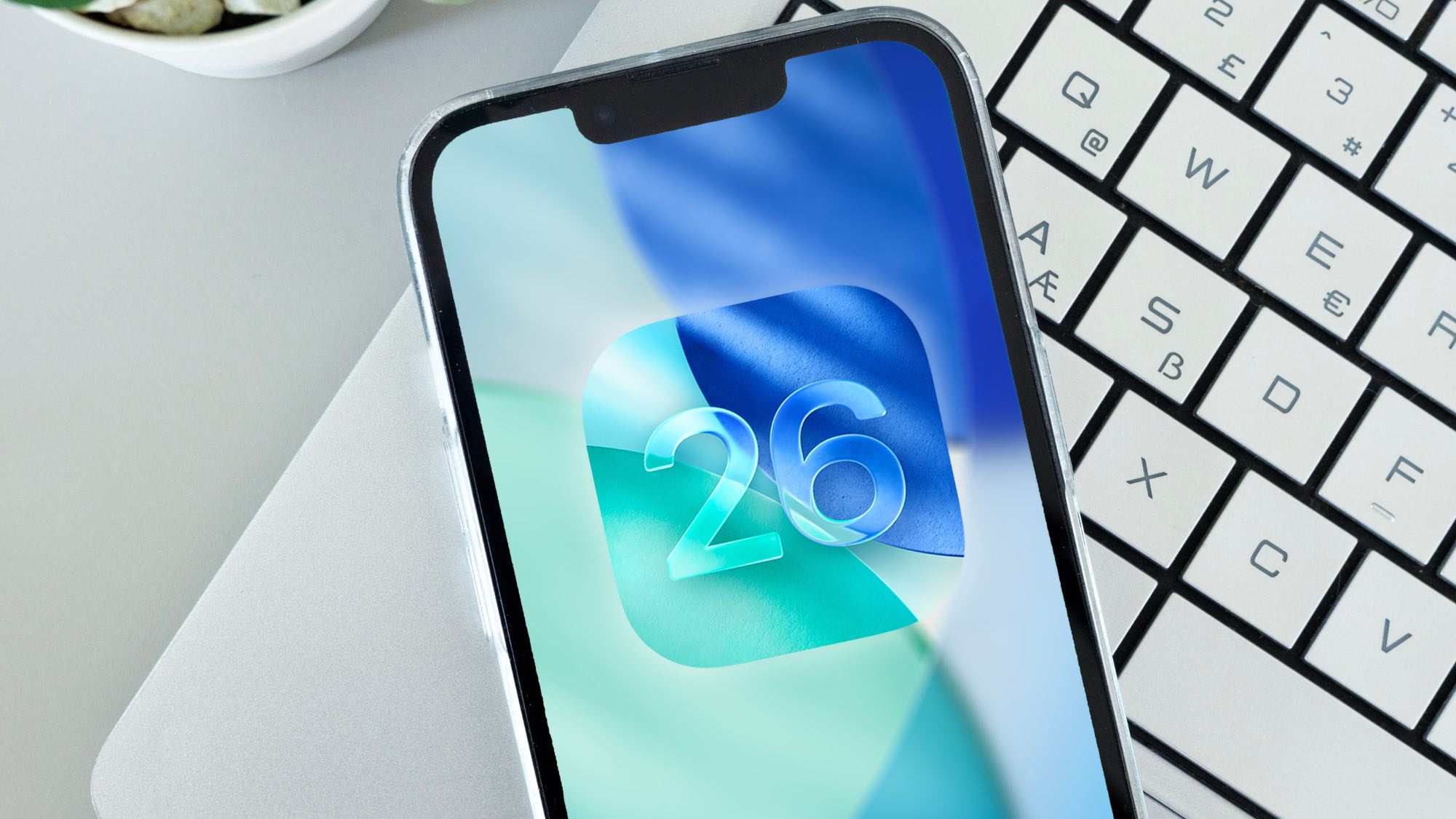
The Android Show isn't the only newsworthy event in the world of Android right now, and it's all thanks to Apple.
The launch of iOS 26.5 means that iPhone and Android users can finally send encrypted messages to each other via RCS. That means messages you send to iPhone users will automatically be secured, without being forced to rely on third-party services like WhatsApp or Signal.
The caveat is that this feature is still in beta, and only applies to iPhone users with supported carriers sending messages to users with the latest version of Google Messages. The green chat bubble also isn't going away, so Android users will still stand out in all your group chats. Still, it sure as heck beats having to send unsecured messages via SMS, which is how things used to be.
Gemini for Home got a pre-I/O update
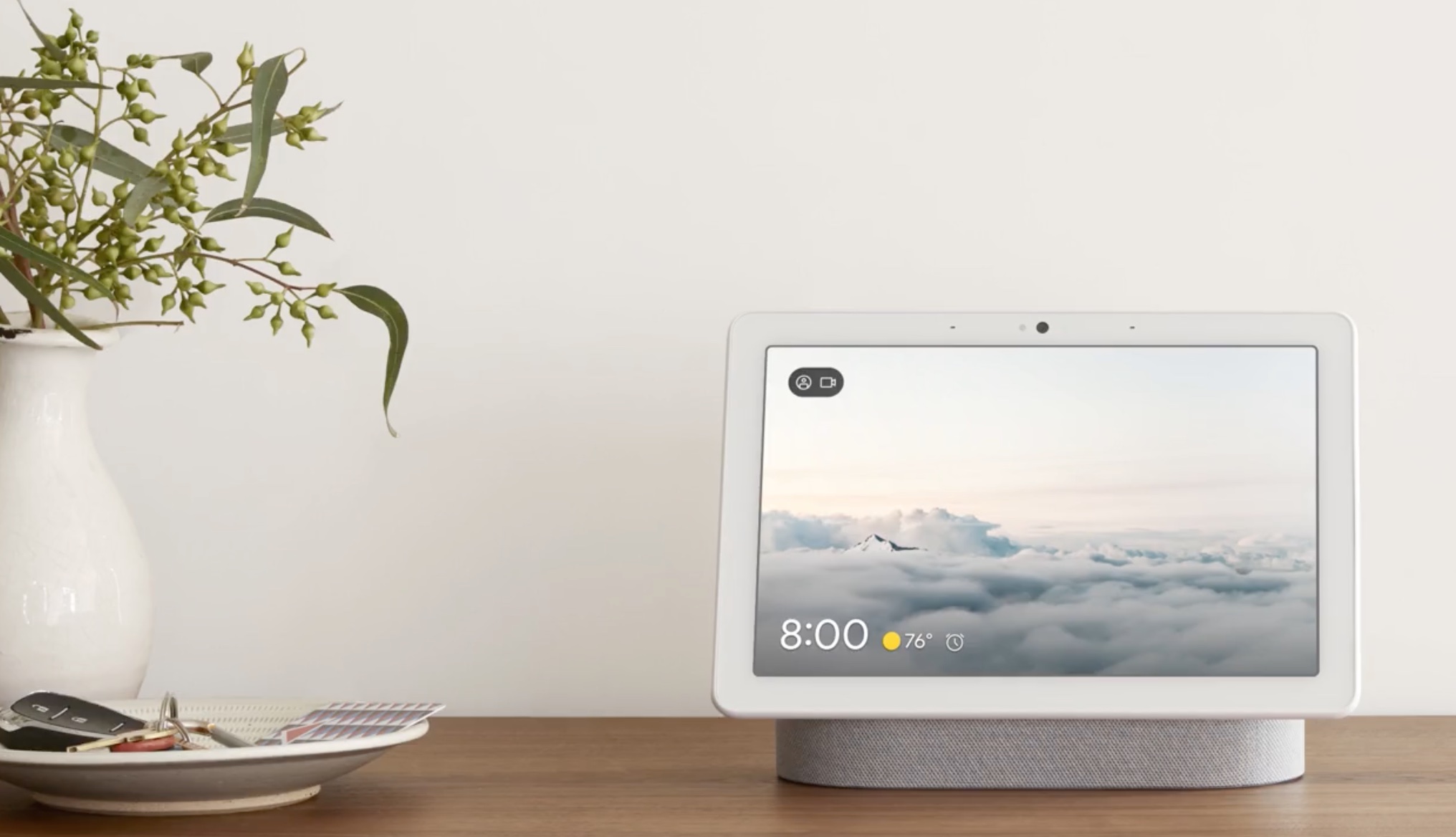
Google doesn't save all it's big announcements for flashy events like I/O and The Android Show. New updates do get released throughout the year, and Gemini for Home is the latest one to get some much-needed tweaks.
Notably, Gemini for Home will stop denying you access to information about alcoholic beverages when all you want is a recipe for some new cocktails. It turned out this was an issue with age-gating, and the controls used to prevent kids from asking about unsuitable topics. Now, all affected adults need to do is make sure parental controls are switched off, and they can ask for all the alcoholic information they like.
Other updates include speedier responses from the AI, and updating the "Ask Home" feature to accept voice commands. Meaning you can ask more conversational questions using a Nest Hub or similar device, rather than relying on the Google Home app.
Gemini Omni could be coming
Google's video-generating AI models are incredibly impressive, and Veo 3 blew our socks off at I/O 2025. Recent leaks now suggest that a new model is on the way, dubbed Gemini Omni.
Not much is known about Gemini Omni right now. At least one user has been prompted to "Create with Gemini Omni," and metadata suggests that this is an extension of what Google has already accomplished with existing Veo models.
The user managed to create two AI videos with the prompt, including one of two men eating spaghetti at an upscale restaurant — a reference to the infamous Will Smith video from a fw years back. The other features a professor writing out mathematical proofs on a chalkboard, with impressive results.
We'll no doubt hear more about this at I/O next week, rather than today's Android Show, but rest assured that AI-generated video is apparently not going anywhere
We need to hear more about Android XR glasses, and soon
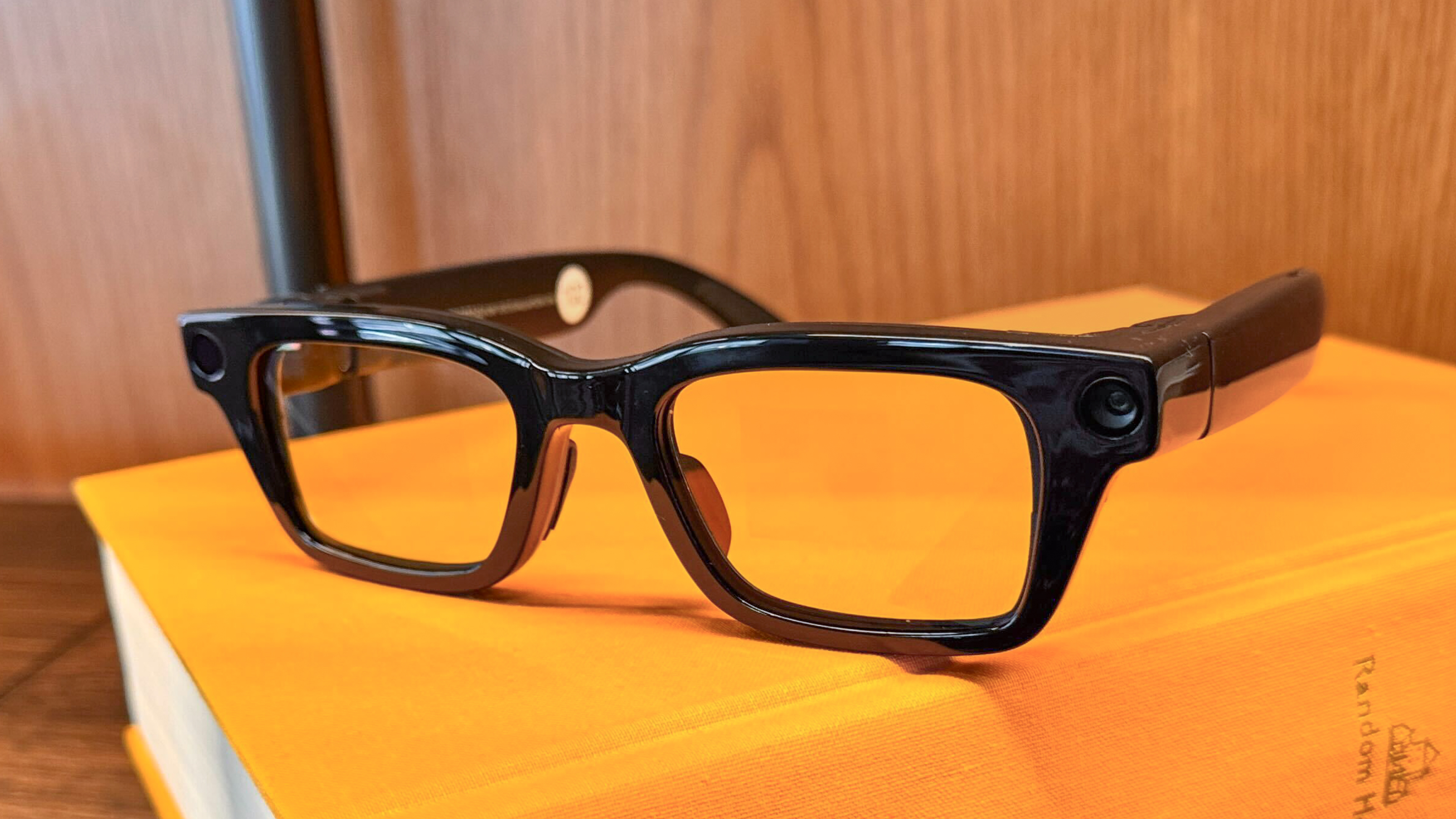
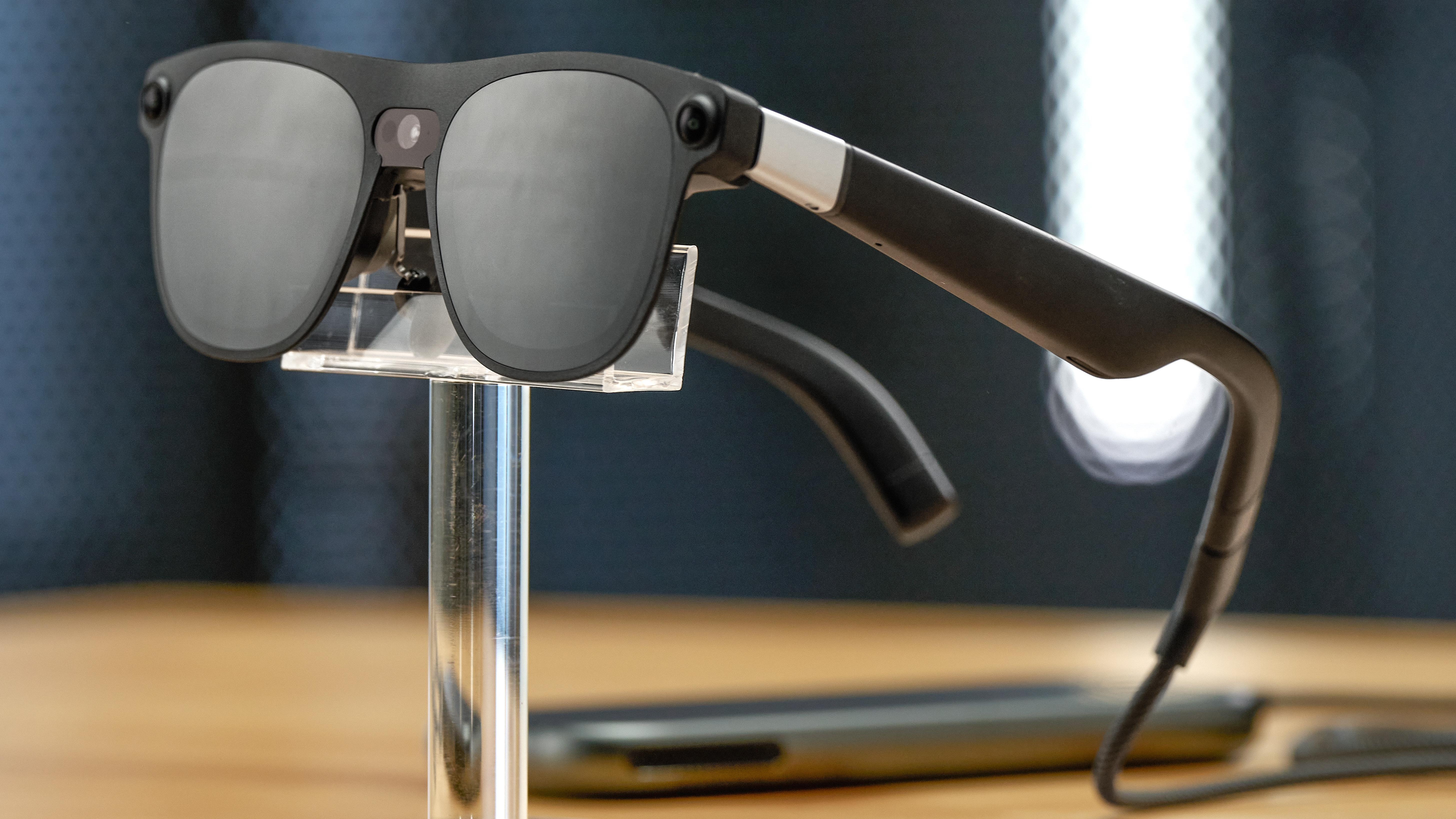
Smart glasses are everywhere right now, and Google has been promising its own development in that area for what feels like forever. We got to try a demo model at the end of last year, but we're hoping that there will be some kind of news about a more refined model at this year's event.
And since those glasses would almost certainly run on Android XR, there could be some information during The Android Show. Even if I/O is mainly a software-focused event.
In an ideal world, we'd be hearing about actual XR glasses we can go out and buy, and how much they'll end up costing us. Or, at the very least, a rough timeframe of when they might go on sale. Considering how much the smart glasses market is heating up, Google can't afford to keep waiting for much longer.
What do you want to hear about during The Android Show?
Will we hear about Wear OS 7?
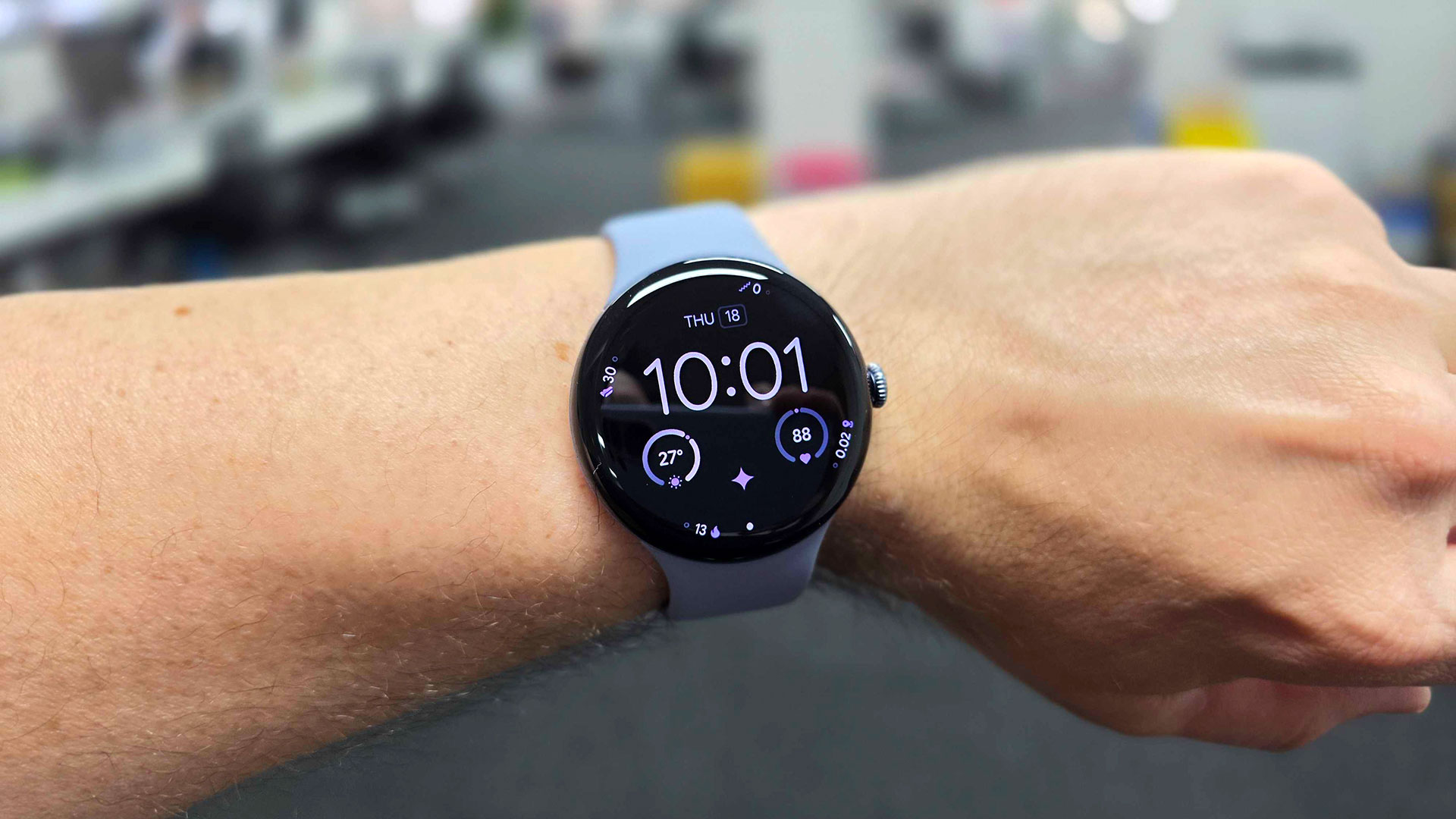
A new version of Android means there should be a new version of Wear OS coming with it, but so far we haven't actually heard all that much about it. We assume that it will be called Wear OS 7, and will likely show up on the Pixel Watch 5 before spreading to other smartwatches, but that's it right now.
Seeing as how the Android Show is about all things Android, now would be the time for Google to start offering up the first few pieces of information about the upcoming update ù and potentially even give us an idea of what to expect from future smartwatches.
You can try Android 17 right now (in beta)
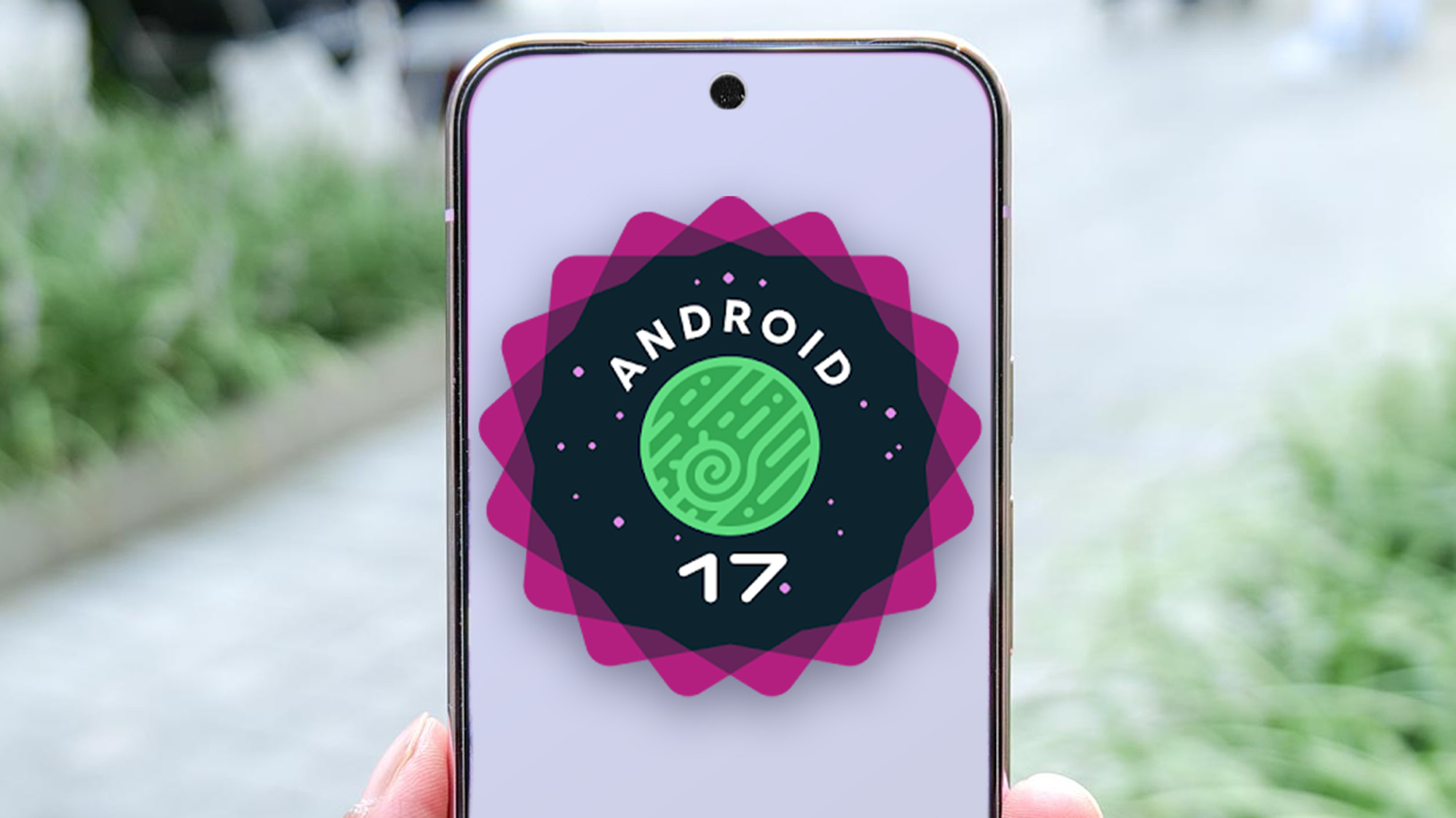
While Android 17 probably won't arrive until late summer, you can take the software for a test drive right now. All you have to do is sign up for the Android 17 beta, and the best part is you don't need a Pixel phone to try it out.
Various phone makers have opted in for the Android 17 beta in recent weeks. That includes Samsung, has confirmed it will release the Android 17-based One UI 9 beta at some point later this week.
Here are the phones you can use to sign up for Android 17 beta right now:
- Google Pixel 6 and newer
- Samsung Galaxy S23 and newer
- Samsung Galaxy Z Flip 6, Z Fold 6 and newer
- Galaxy A35, A36, A37, A55, A56 and A57
- Xiaomi 17, 17 Ultra, 15T Pro
- OnePlus 14, 15, Open, Nord 5
- Oppo Find X9 Pro
- Realme GT 8 Pro
- Motorola Edge 70 series, Edge 60 series, G86 series and G57 series
- Motorola Razr Plus 2025 and Razr Plus 2024
Don't expect Pixel 11 news tonight — or next week
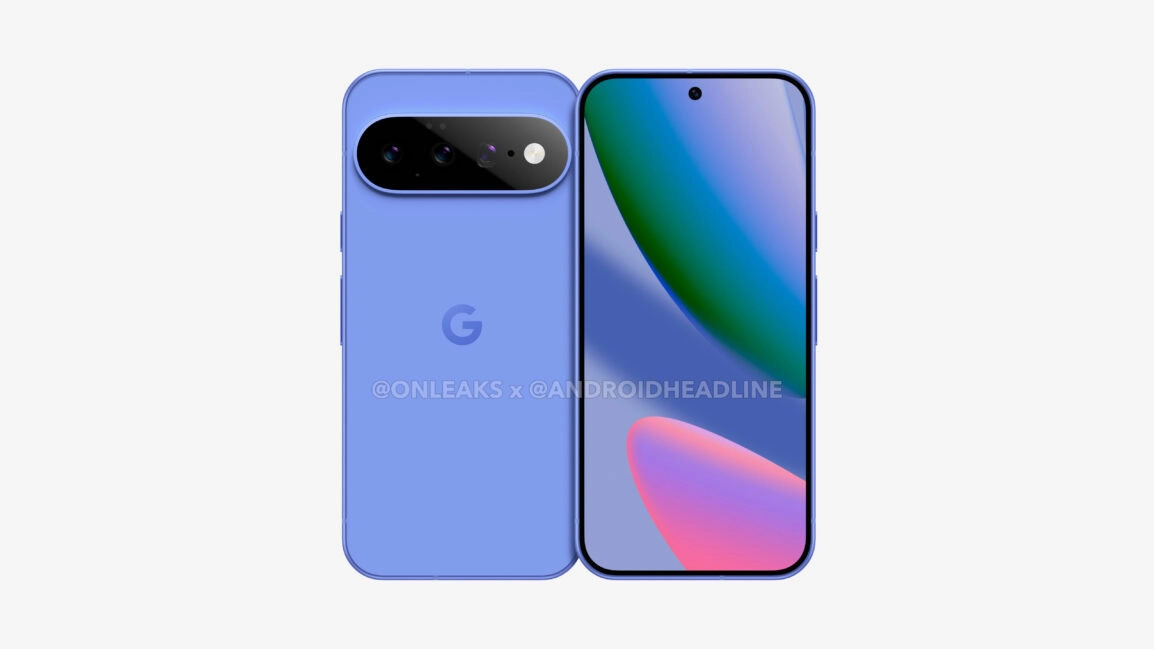
There's been a lot of chatter about the Pixel 11 series in recent weeks, but if there's one thing you shouldn't expect to see during the Android Show (or even at Google I/O proper), it's Google's next smartphone.
I/O is a very developer-focussed event, with emphasis on software and all the advances that have been made in that area over the past 12 months. Upcoming hardware is pretty inconsequential to all that, and it means Google is unlikely to have anything to say about the Pixel 11 — or other unannounced smart devices. So be sure to temper your expectations before you tune in.
Will Android XR make an appearance?
We know Android XR will have a presence at Google I/O next week but it's not clear if Google's take on VR will get a mention during the Android Show today.
It's felt pretty quiet since the Galaxy XR headset launched last October. Though with Apple reportedly dropping the Vision Pro, perhaps headsets have become less of a priority.
We're also still waiting for more information on the Xreal Project Aura display glasses. Plus, Google has been teasing AI smart glasses since at least 2024.
30 minutes to showtime
Reminder, the Android Show kicks off at 10 a.m. PT / 1 p.m. ET / 6 p.m. BST; 30 minutes from now.
Of course, you can you follow along via the Google YouTube channel.
The arrival of Android OS

It's weird with the Android Show because it's not clear how much Google will save for I/O versus this extra program.
So, with that in mind, will the rumored Android/Chrome OS, Aluminum, make an appearance?
The new OS is supposed to combine Chrome OS and Android mobile together. Google confirmed the merger was happening last summer but has remained quiet since then.
Android Show I/O Edition kicks off with a brand new category
The Android Show I/O Edition kicks off teasing Gemini, Android Auto, and more, but you'll want to stick around for the end with Google introducing a brand new category.
Google just revealed Gemini Intelligence
Google's making a major rebrand to its efforts around AI, as the company formally introduced Gemini Intelligence. Gemini has been a central part of its product strategy, from Search and Gmail to Chrome and Android devices. However, Gemini Intelligence changes the framing by getting more done across different places.
Chrome gets automation feature courtesy of Gemini Intelligence
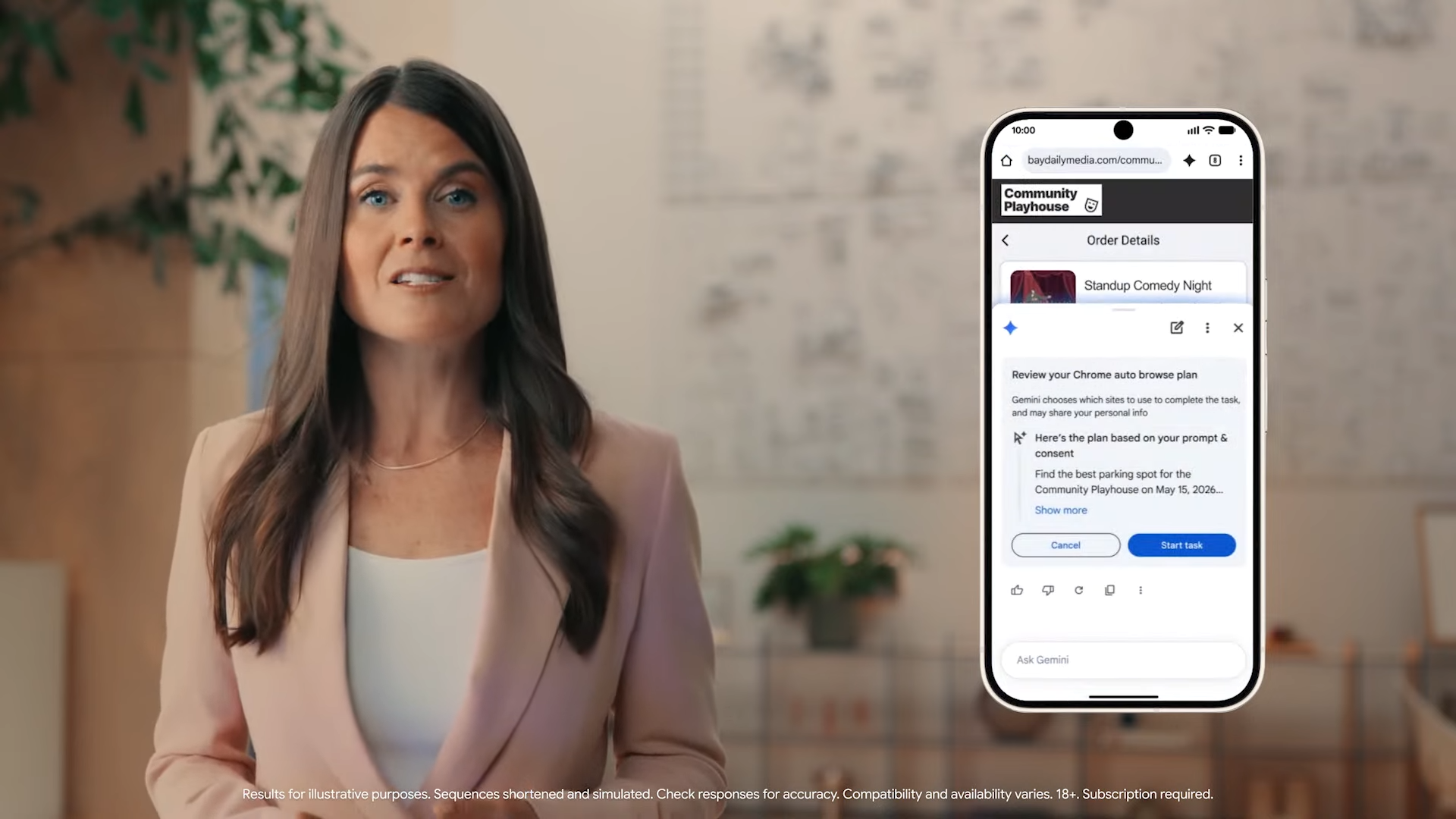
Google is bringing Gemini deeper into Chrome, by doing stuff like summarizing articles, answer questions about web pages and help with tasks such as booking travel. For example, Gemini Intelligence can quickly fill out forms with details by using the information it knows on your phone.
Gboard gets smarter with Rambler
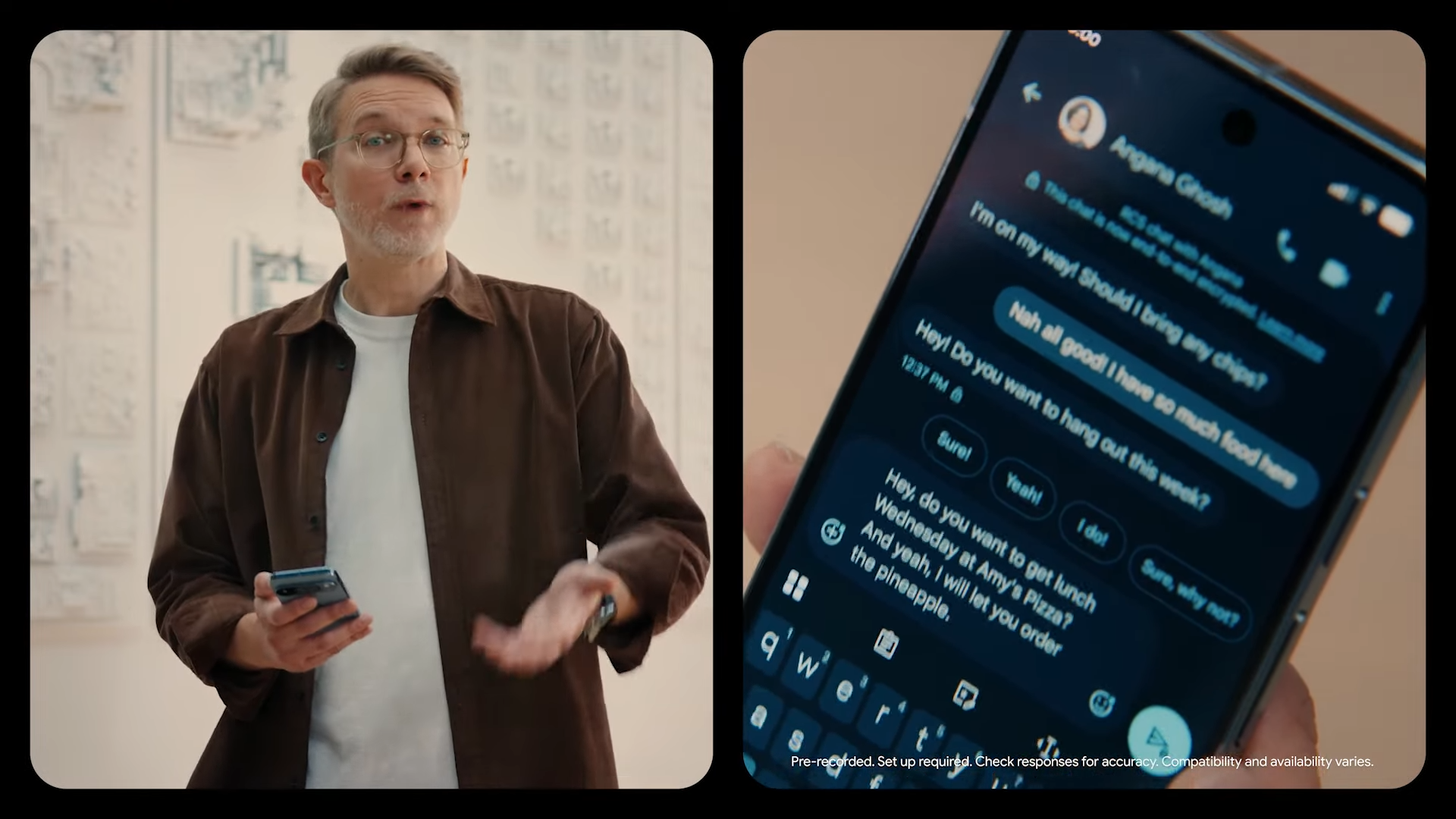
You won't have to enunciate your words as much when you're using Gboard's new Rambler feature because it can understand your voice, even when you mess up or want to say something else. It's really fascinating how well it can also understand accents with accuracy, so you can rely on this voice dictation rather than physically type it yourself.
Build your own widget using Gemini Intelligence
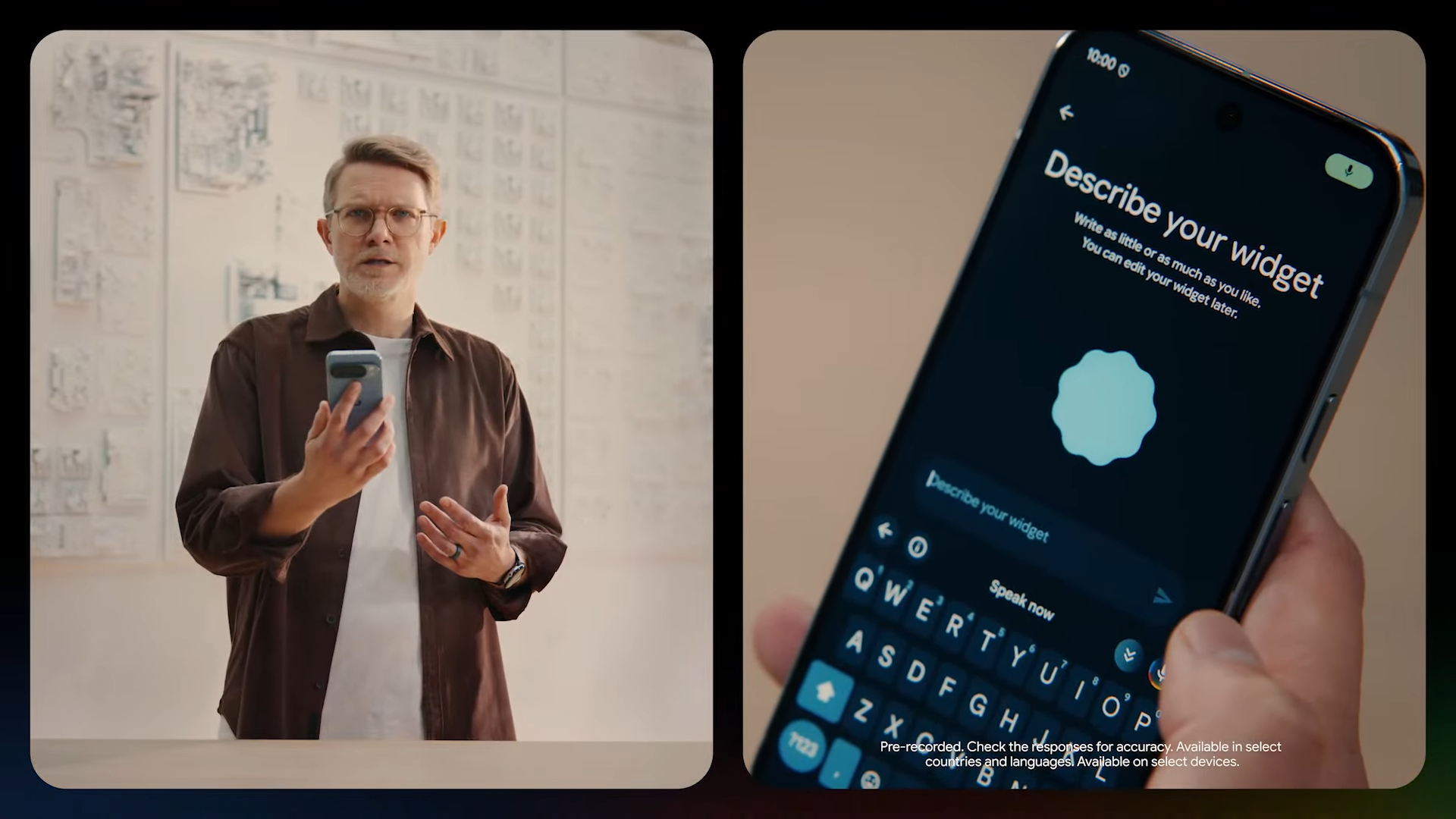
Who says you need to be an Android developer to create widgets? You'll now be able to create your own widget across different devices with ease with the help of Gemini Intelligence. Best of all, you can tailor it to what you need exactly.
Instagram is getting major upgrades, but there's a catch

Google is transforming Android 17 into a creative powerhouse by introducing Screen Reactions, a native tool that allows users to record their screen and themselves simultaneously for seamless reaction videos. Plus, anew partnership with Meta brings Ultra HDR support and Night Sight integration to Instagram. However, the camera centric tools appear to be reserved for Pixels.
Emojis go 3D with Android 17
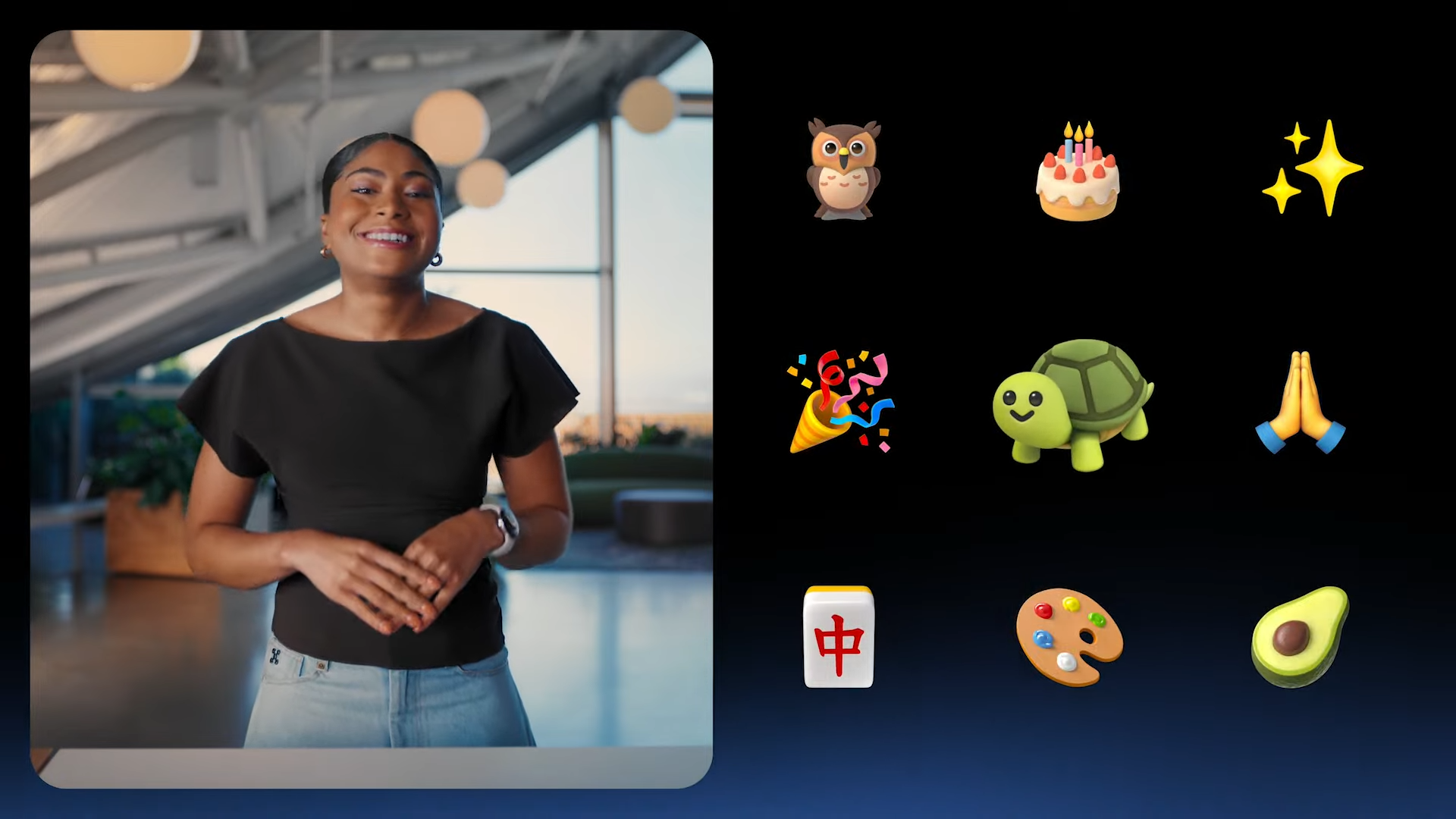
Google is finally addressing a long-standing Android weak point by introducing redesigned 3D emojis that offer a more expressive, physical feel similar to those on the iPhone. These updated characters will begin rolling out later this year, with Pixel devices being the first to receive the new look.
Android Auto gets a massive makeover
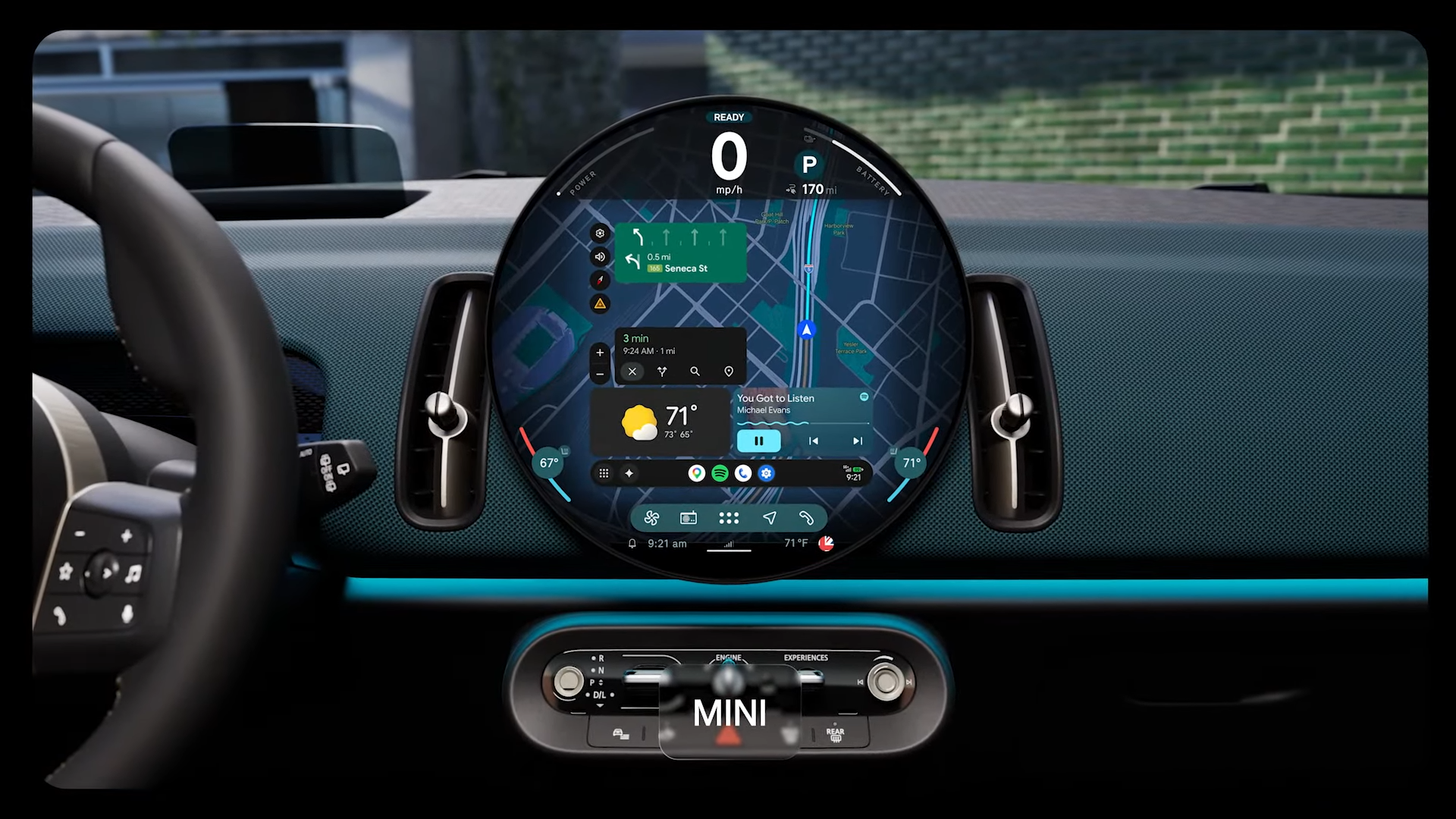
Drivers using Android Auto are about to get a totally revamped experience that are now better optimized for different screens, a more immersive navigation with 3D Google Maps, video playback support, and much more.
Gemini Intelligence comes to Android Auto
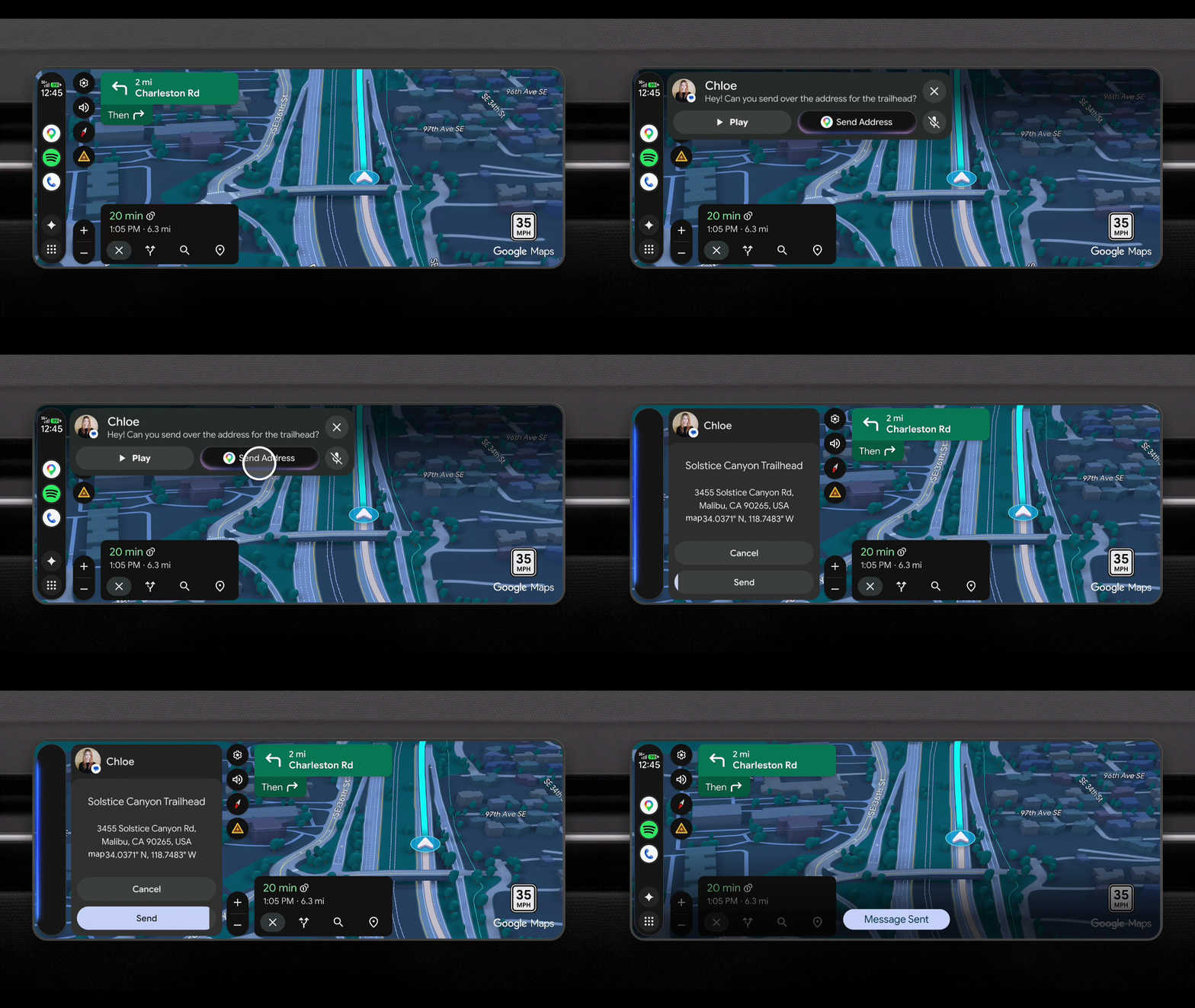
Gemini Intelligence will help you driver better and safer with Android Auto because you'll be able to lean on the AI chatbot to perform complex tasks, like ordering food at a restaurant, by simply speaking it.
Cars with Google built-in gets more accurate lane guidance

Cars with Google built-in will have a better Google Maps experience that can use the vehicle's camera to know which lane you're in and tell you explicitly which lane to get into for your exit.
Watch videos through Android Auto
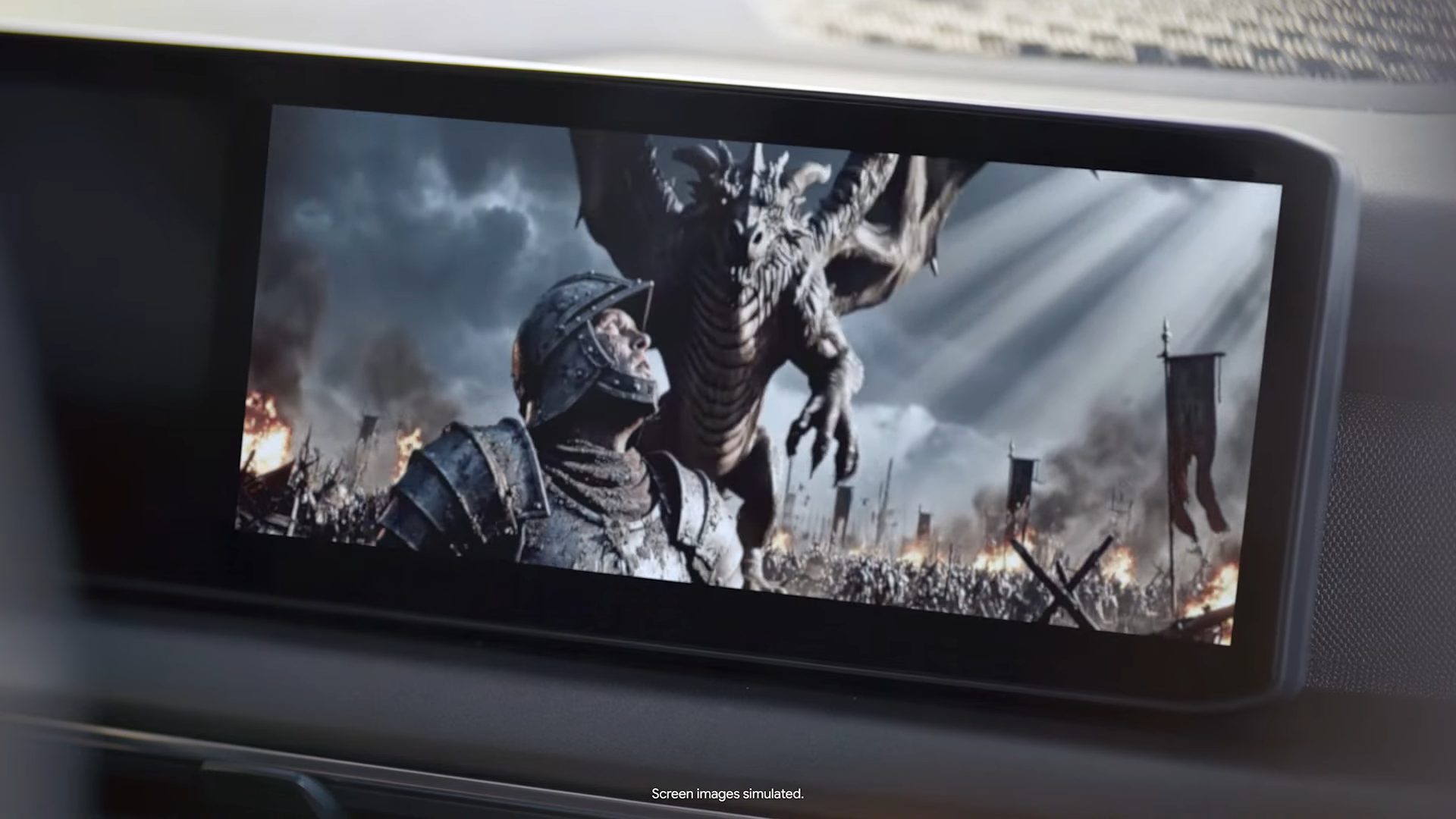
Paris Hilton was tapped to talk about the new video playback support with Android Auto, which is a long time coming. Not only will you be able to play videos on YouTube, but it'll transition to an audio-only format when you start driving.
Google announces a new product category: Googlebook laptops
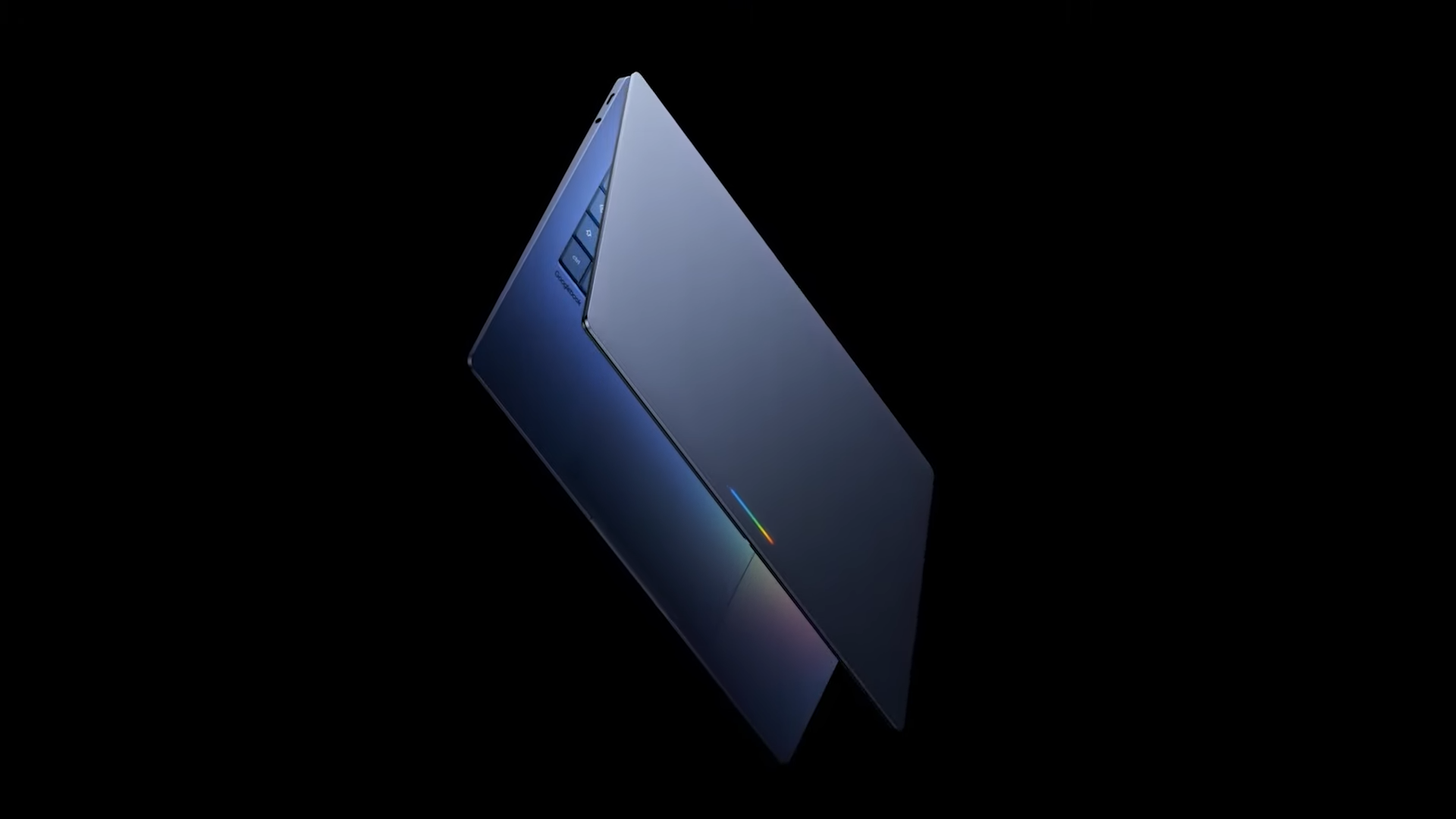
It's not meant to replace its Chromebooks, but Google saved the end of its event to talk a bit about its new product category: Googlebook laptops.
Google is challenging the MacBook’s dominance with the launch of Googlebook, a new category of premium, Android-powered laptops built specifically for Gemini Intelligence. These high-end computing devices feature deep AI integration, such as a Magic Pointer for contextual tasks, and a seamless ecosystem that runs Android apps natively.
Key partners tapped to create Googlebook laptops
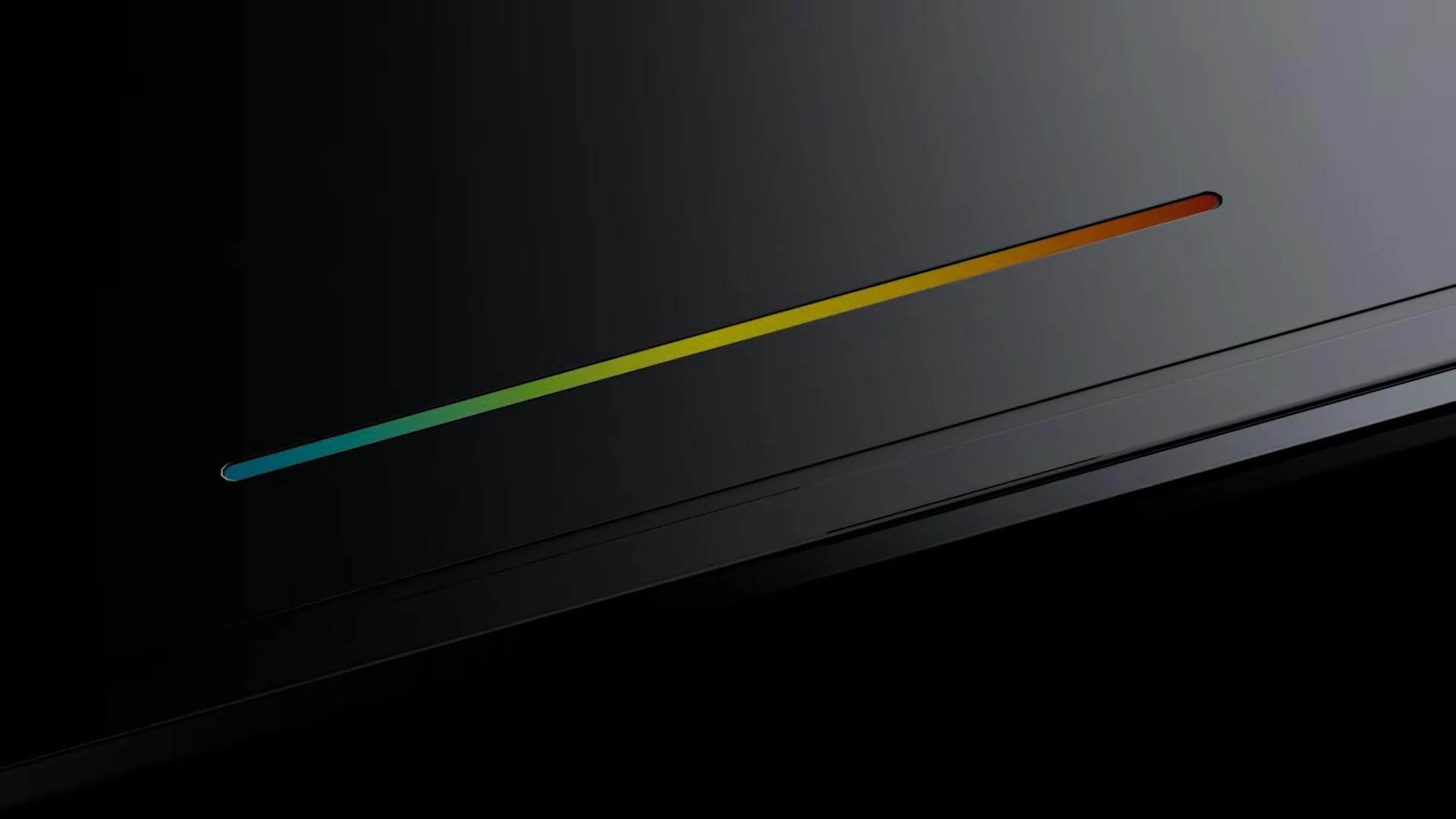
Major partners like Acer, ASUS, and Dell are set to produce these sleek devices, which include a signature glowing Glowbar on the keyboard to distinguish these Googlebooks from other laptops.
Stay tuned for more at Google I/O 2026
And that's a wrap! There's a special developers cut of the Android Show that'll be running shortly, but there's still going to be way more new things introduced at Google I/O 2026.
Gemini Intelligence redefines Android experience
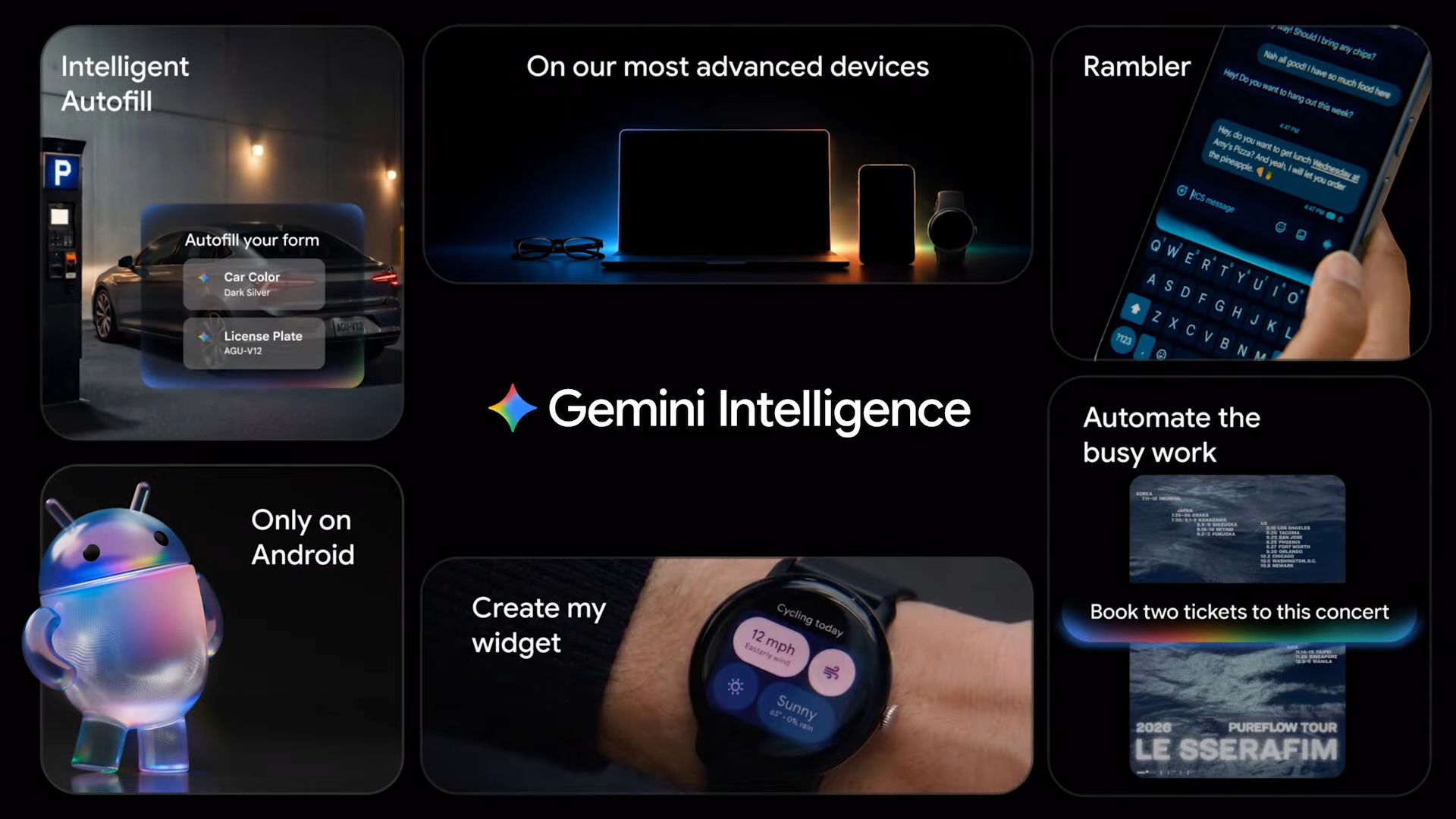
Google just gave us a massive preview of the future at the Android Show, headlined by the debut of Gemini Intelligence for deeper app automation. Beyond the AI, users can look forward to a complete visual overhaul with 3D emojis and enhanced cross-platform compatibility that makes Android and iPhone communication smoother than ever. From revolutionary multitasking tools to smarter system-wide integration, Android 17 is shaping up to be the most ambitious update in years.
Gemini Intelligence isn't a feature, it's a system deeply integrated into its platforms
Google isn't just making Gemini Intelligence a feature that devices running Android can tap into, but rather, it's a totally new system that will be a fundamental pillar across everything. One of the best examples of this is how it's being used in Chrome to perform tasks that normally would take time.
The best example is filling out a form on Chrome about your travel arrangements, like the details of your passport. Rather than waste the time looking back and forth between a snapshot you've captured with your camera, Gemini Intelligence can search all the information it finds and populates the details into the form for you.