Trading firms enjoyed an unprecedented boom in the first half of 2020 due to extreme volatility caused by the COVID-19 pandemic but the market's direction now looks less certain due to high stocks and tepid demand recovery.
"The market is more complex and nobody knows when demand will come back. Financial investors are piling into second half of 2021 or December 2021 (oil futures contracts) on the assumption demand will be back then," Marco Dunand, chief executive of Mercuria Energy Trading, told Reuters.
"Coming into the fourth quarter, the expectation was that we should be drawing 3 to 4 million barrels per day of crude and products from stocks but the market is not drawing that."
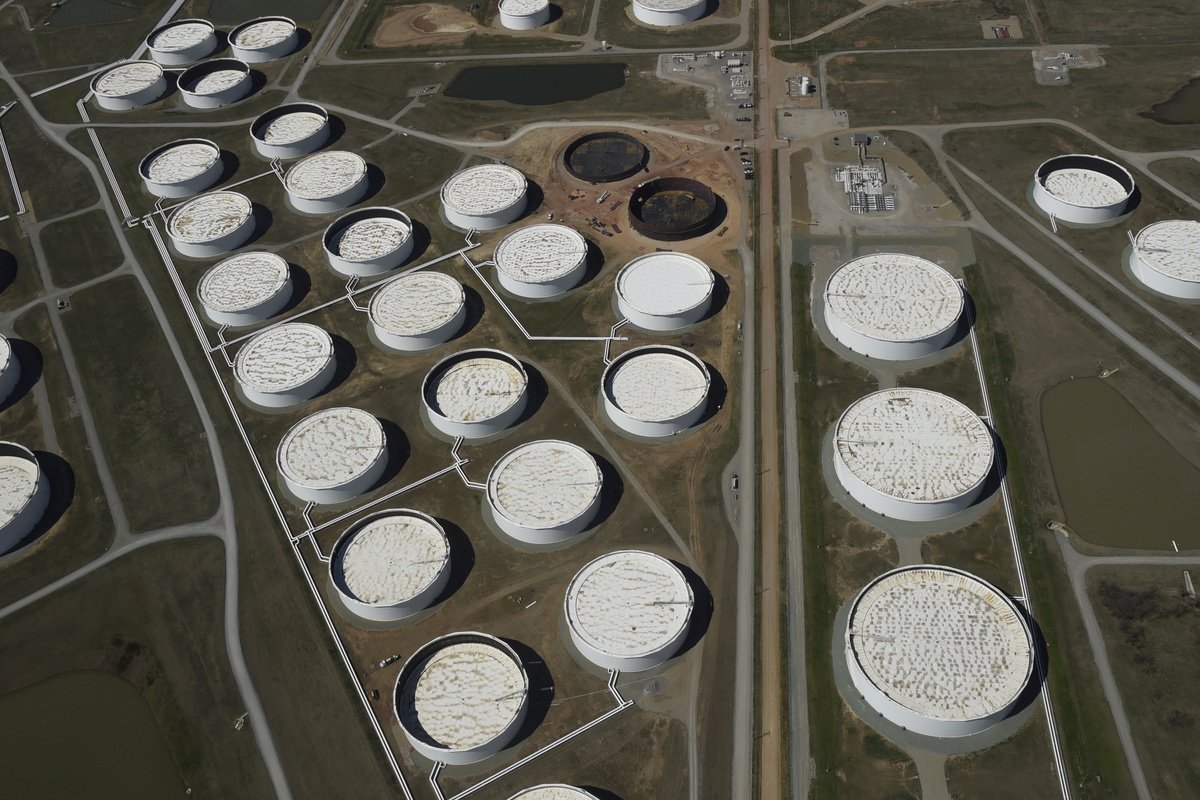
During the peak period of lockdowns in March and April, traders were forced to hastily store an additional 1 billion barrels of crude and refined products as oil demand cratered. Eventually, OPEC and other major producers announced record output cuts that helped oil prices rebound.
Economic activity began picking up in June but the recovery has flatlined. Some possible COVID-19 vaccines are undergoing trials but meanwhile, countries have been forced to re-impose some restrictions to stop the spread of the virus.
"We see people starting to do floating storage again ... It will be a problem at some point as we have a massive overhang," Dunand said.
"Crude and distillate stocks in particular are building ... It's a bubble mess."
PATCHY RECOVERY
China is the bright spot in oil markets but its recovery and that of the rest of the world is uneven and not enough to consume the overhang.
The United States in particular still has major unemployment and a growing eviction crisis that will likely cause a cascade of unemployment as spending stutters, Saad Rahim, chief economist at trading house Trafigura, said.
Rahim expects more refinery run cuts particularly if China starts exporting products again, namely gasoline. The summer driving season in the northern hemisphere was lacklustre and last week, middle distillates margins <LGOc1-LCOc1> crashed to the lowest level since the early 2000s. Distillates like diesel can account for up to half a refinery's output.
"For once, you can be bearish both crude and distillates because of runs, which normally is not the case. Refinery runs aren't going to continue recovering so that is a problem for crude," Rahim said.
(Reporting by Julia Payne; editing by David Evans)