I ran away from home once, when I was 15. There was nothing to run from particularly; I was just impatient to get out of a small south Norfolk town and see more of the world. Actually, I didn’t run. I cycled. I wheeled my bike out of the garage before dawn, and headed west along the flat narrow roads of the East Anglian fens. It was territory I knew well, at first – through Feltwell, Outwell, Upwell, beside the long, straight cuts of the drains and ditches that had turned this landscape from one of marshy liminality into a neatly defined agricultural space. As the sun came up behind me and the shadows leaned out ahead, I realised it was territory I loved.→ Photograph: Justin Partyka
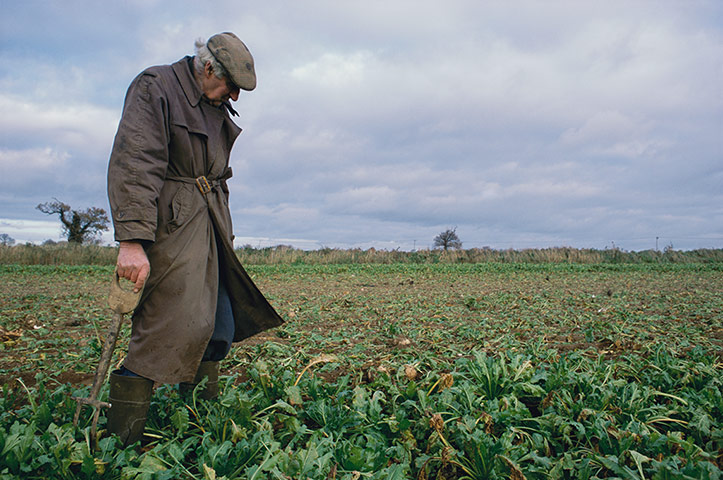
The sensation I experienced then, and which I still experience when I get back there now, was something I can only call emplacement: the rare feeling of being firmly and rightfully placed in the landscape, attached to the world. Under the enormous East Anglian skies, your own body can feel very small, but everything else feels small as well. → Photograph: Justin Partyka
That farmhouse a few fields away, that nearby barn, that freight train slipping silently between the strung-out telegraph poles; all are somehow rendered as transitory as your own uncertain self when set against such a flat, open land. It’s a feeling of smallness that creates, paradoxically, a feeling of belonging.→ Photograph: Justin Partyka
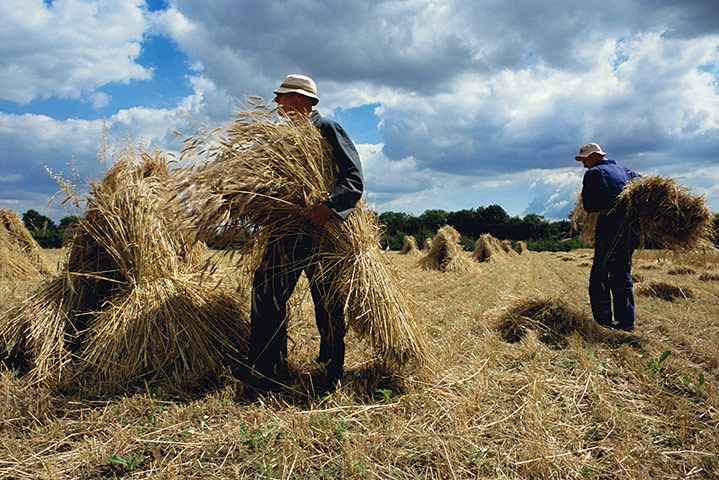
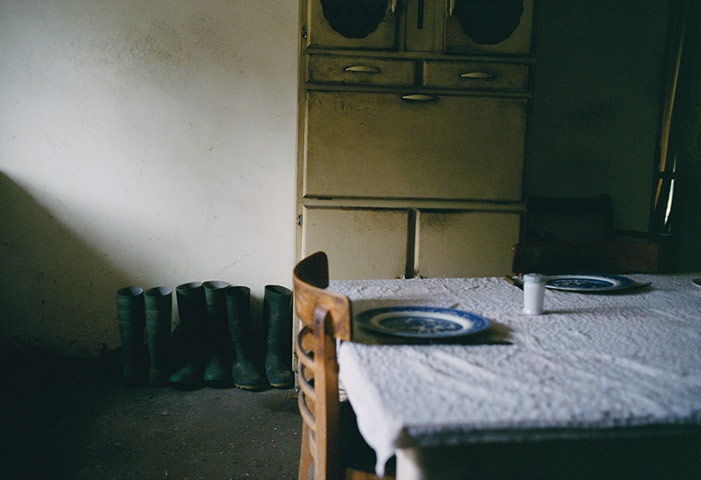
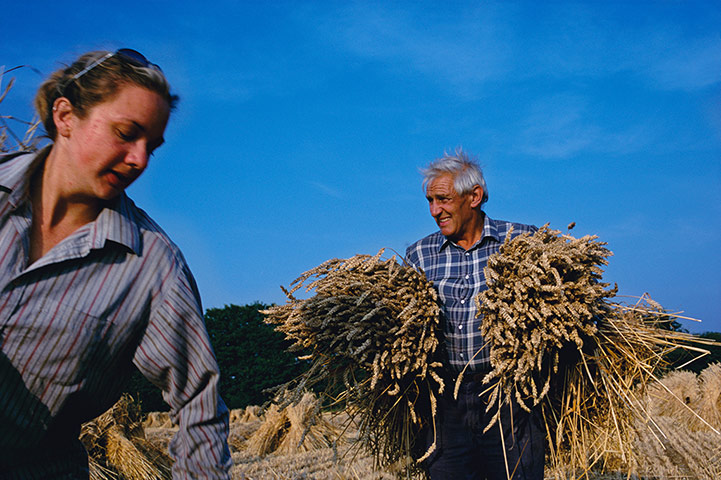
And yet, when I look at Justin Partyka’s photographs, I am reminded that I don’t really belong to this landscape at all. The people who own this land, in the truest sense, know it because they work in it – plough and plant and harvest the fields, dig ditches, cut reeds, carve out a living through generations of accumulated skills.→ Photograph: Justin Partyka
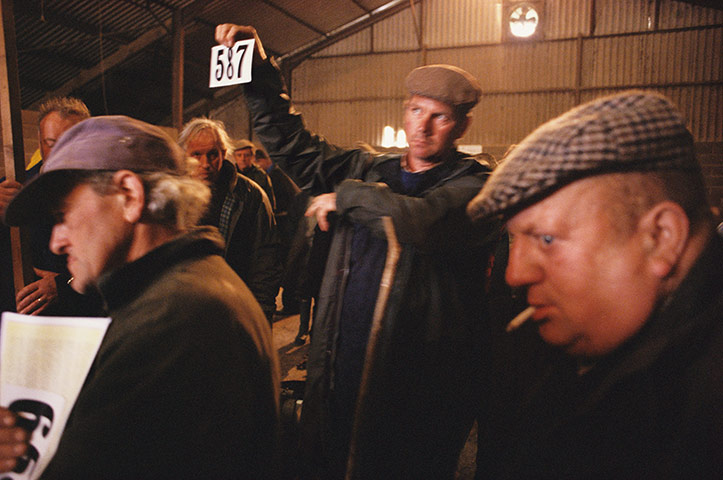
He’s from another time.The people in these pictures aren’t looking up at the sky. They have work to do. They’ll leave the rhapsodising to the visitors and the exiles, the second-homers who come here because they’ve been told about the glorious light.→ Photograph: Justin Partyka
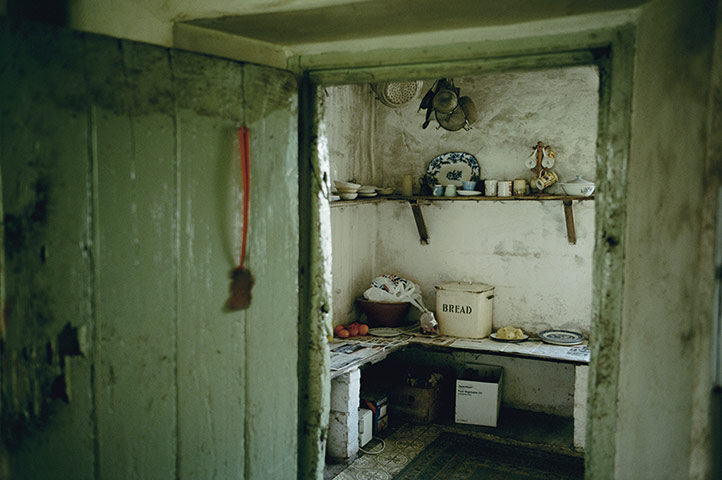
There is nothing sentimental about these pictures, although they are beautifully lit. There is also nothing “timeless”, although some people looking at them might think so. These scenes, once photographed, succumb to change.→ Photograph: Justin Partyka
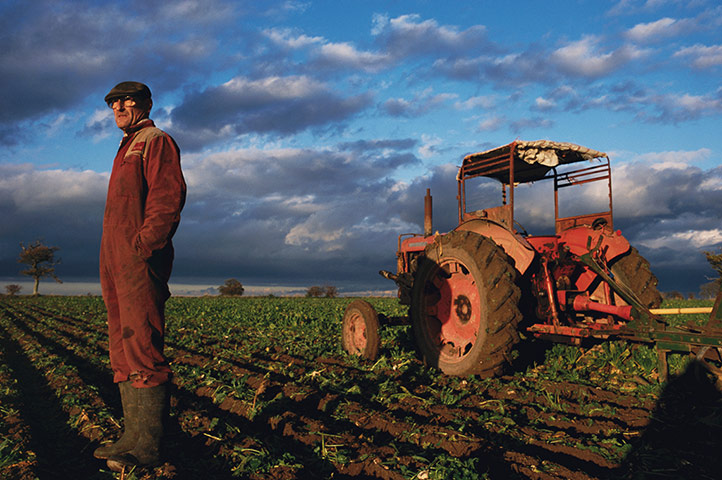
The landscape was created artificially, and will one day return to marsh. Working practices shift. Migrants come here to labour; young people leave to find work. Somewhere on these roads a boy rides his bike away from home, chasing his own long shadow into the dawn. → Photograph: Justin Partyka
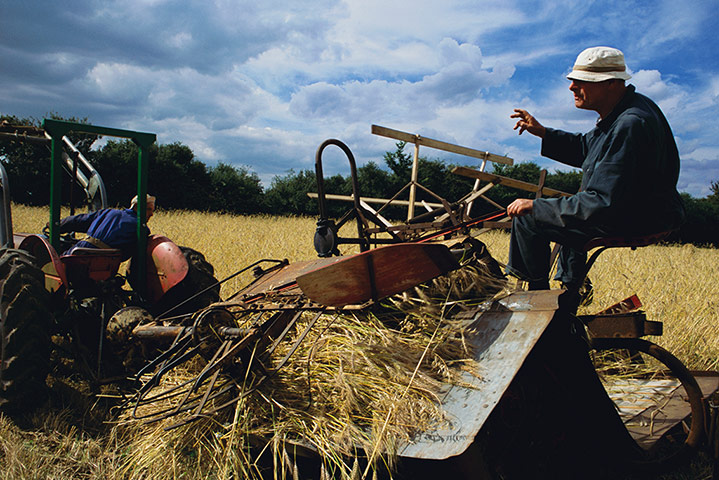
I had a vague idea, all those years ago, that I would get out of the flat fenlands and across the country to the Irish Sea. But in the end, having spent most of the money I’d brought with me on breakfast, I got no further than Wisbech, where I spent the night in a church porch and waited for my parents to catch up with me. It was a few years before I tried again, and this time I headed north→ Photograph: Justin Partyka
With A Conscious Eye: An Exhibition Of Three Photographers: Justin Partyka, David Constantine and Nick Danziger, is at Osborne Samuel, London W1, from 4-21 December. Jon McGregor’s collection of stories, This Isn’t The Sort Of Thing That Happens To Someone Like You, is published by Bloomsbury. Photograph: Justin Partyka