Big picture: interracial children’s camps, by Gordon Parks – in pictures
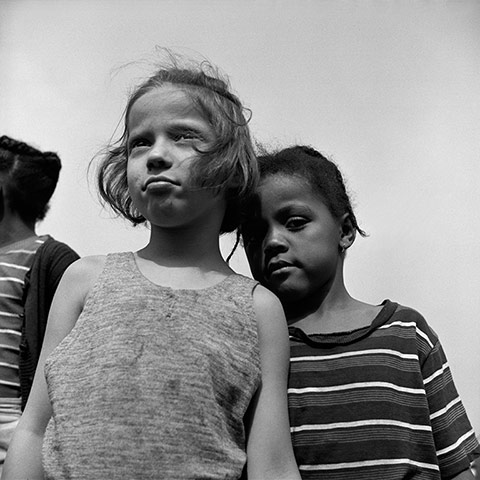
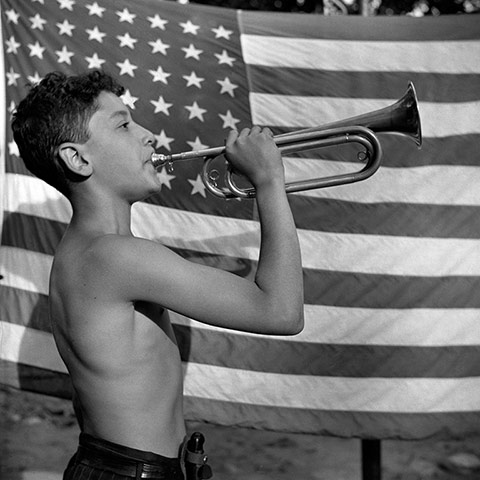
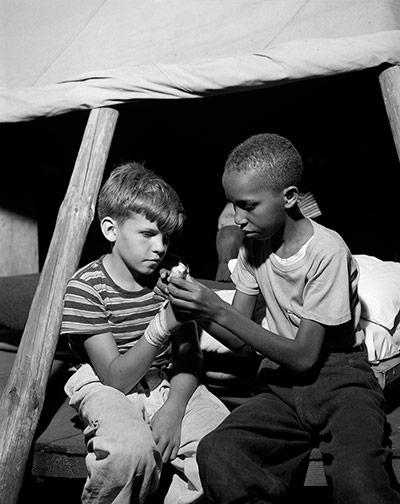
Washington DC in the early 1940s was, for photographer Gordon Parks, not a welcoming place. He arrived in 1942 to work for the Department of Agriculture’s Farm Security Administration – set up to improve the lives of poor, rural landowners – as the only black member of its photography corps, and discovered bigotry all about him. He was turned away by restaurants, kicked out of theatres and denied service at department stores. After just a few days in the city, he was demoralised. “In this radiant, historic place,” he said, “racism was rampant.” →Photograph: Gordon ParksThat backdrop of open prejudice makes his relatively unknown documentation of several interracial children’s camps all the more remarkable. After the FSA disbanded, Parks remained in Washington as a correspondent with the Office of War Information, and one assignment was to photograph this bold social experiment run by the Boy Scouts of America. Espousing egalitarian ideals, the groundbreaking camps were designed to encourage black and white kids to eat, play, pray and raise the US flag together. →Photograph: Gordon ParksA year later, in 1944, disgusted with the prejudice he’d encountered, Parks resigned. He moved to Harlem to work as a freelance fashion photographer, and in 1948 a photo-essay on a Harlem gang leader won him a job as a photographer and writer with Life, making him the first African-American staffer on a major US magazine. →Photograph: Gordon Parks
For the rest of his career, he produced an extraordinarily broad range of work, photographing fashion, sport, Broadway, racial segregation and poverty, and shooting everyone from dictators and gangsters to children in slums and film stars. And he never stopped: he would be 100 now, and probably still working. Collected Works, by Gordon Parks, is published by Steidl/The Gordon Parks Foundation for £148Photograph: Gordon Parks
Sign up to read this article
Read news from 100's of titles, curated specifically for you.