2026 may be slow for job seekers.
Forecasters at job website Indeed expect minimal hiring growth in 2026, as several other large companies have already suggested that they have no plans to expand their workforce come the new year, according to a report.
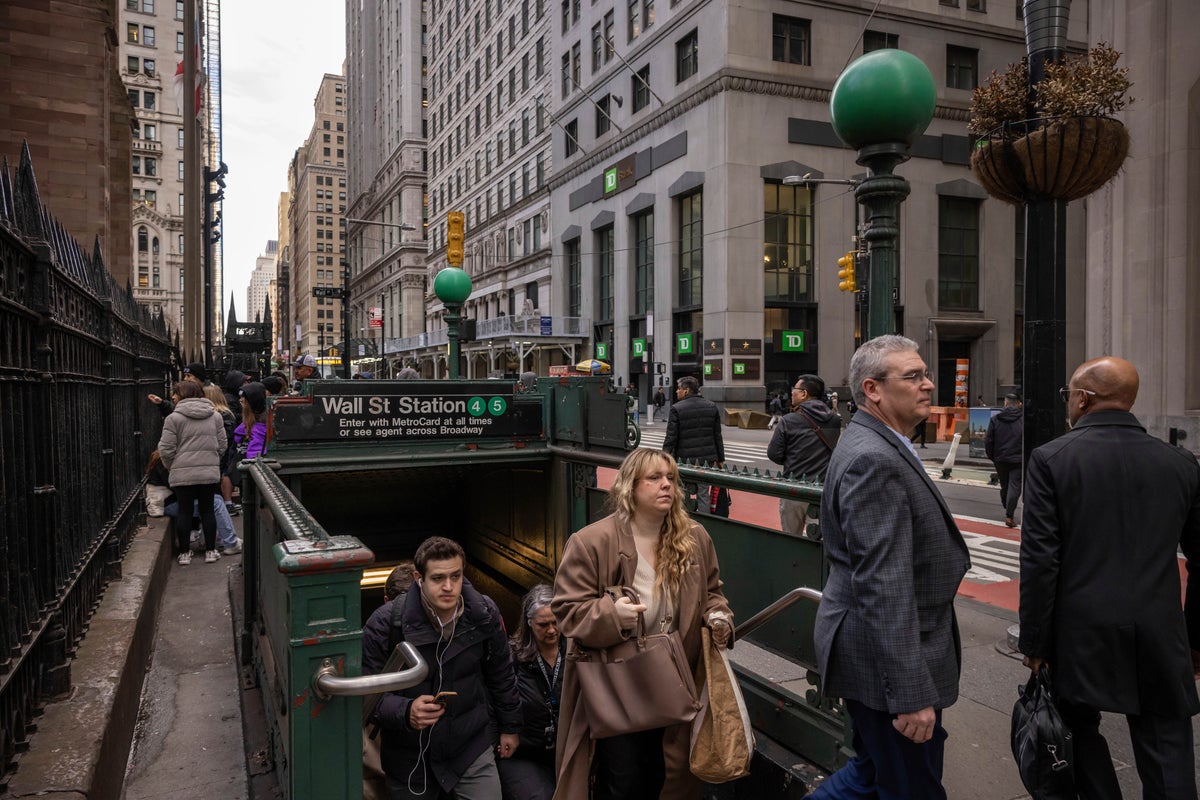
During a gathering of CEOs in Midtown Manhattan this month, 66 percent of the leaders surveyed said they planned to either reduce their workforce or maintain the size of their existing teams in 2026, according to the Wall Street Journal.
Only about a third of those surveyed suggested that they would hire in the new year, highlighting worries over the economy. Meanwhile, some companies have hit pause as they determine how to implement artificial intelligence into their workforce.
“We’re close to zero job growth. That’s not a healthy labor market,” Federal Reserve governor Christopher Waller said during the CEO gathering, organized by Yale. “When I go around and talk to CEOs around the country, everybody’s telling me, ‘Look, we’re not hiring because we’re waiting to try to figure out what happens with AI. What jobs can we replace?”
While the pause in hiring may be temporary, Waller noted, “Everybody’s afraid for their jobs. I’m dead serious.”
Those fears are not unfounded. The unemployment rate rose to 4.6 percent in November – the highest it's been in four years.
Given those fears, employees are clinging to their jobs. At International Business Machines (IBM), employees are leaving their jobs at the lowest rate in 30 years, CEO Arvind Krishna said.
“People aren’t looking to change jobs,” Krishna told the Journal. “That then leads to less hiring because people aren’t leaving.”
Meanwhile, large companies like Shopify, an e-commerce platform, and Chime Financial, say they plan to keep their companies about the same size rolling into the new year, according to the report.
“I don’t see us next year needing to increase head count in any way,” Shopify’s Chief Financial Officer Jeff Hoffmeister said during a recent conference. “It has been over two years we’ve been at this head count. As I look to next year, I think we can continue to be disciplined on head count.”
At Wells Fargo, CEO Charlie Scharf said this month that the bank anticipates fewer workers as it heads into the new year. The company has about 210,000 employees, down from roughly 275,000 in 2019, as it grapples with cutting costs, according to the report.
Scharf said he expects AI’s impact on staffing levels to be “extremely significant,” even though it may take years to see the full impacts.
“No one wants to stand up and say that we should have – we’re going to have lower head count in the future,” Scharf said. “It’s a difficult thing to say.”
While Wells Fargo doesn’t plan to use AI to replace humans, Scharf noted that “it does create an opportunity to do things significantly different.”
Forecasters at Indeed expect more of the same in the new year, with the unemployment rate expected to stay around 4.6 percent for 2026.
“We’re not expecting things to change a whole lot in 2026,” Laura Ullrich, the director of economic research at Indeed, told the Journal.
Meanwhile, corporate bankruptcies soared to a 15-year high in 2025 as companies struggled to cope with President Donald Trump’s trade wars, according to a new report.
No fewer than 717 companies filed for Chapter 7 or Chapter 11 bankruptcy between January and November, according to S&P data reviewed by The Washington Post. This marks a 14 percent increase from the same period in 2024 and the highest rate since 2010, when the country was recovering from the Great Recession.
Firms that were forced to shut blamed inflation, interest rates and Trump’s trade policies, which have hindered supply chains and ramped up costs for many businesses.
New jobs report shows over 100k jobs lost in October primarily due to federal layoffs
Considering student loans? Here’s how borrowers paid theirs off in less than a decade
Women know they are being left behind at work, new report finds
Average mortgage rate drops below 6.2 percent for first time since October 2024
Over 40% of consumers are still in debt from last year’s holiday purchases
Raccoons steal booze and bite diners – will insurance cover it?