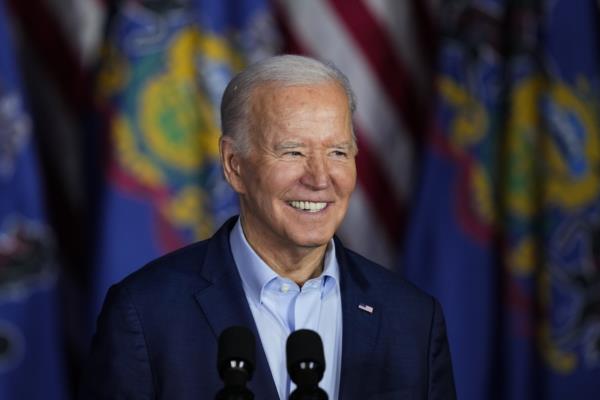
President Joe Biden has unveiled a significant environmental initiative on Earth Day, announcing $7 billion in federal grants for residential solar projects aimed at serving over 900,000 households in low- and middle-income communities. The grants, awarded by the Environmental Protection Agency, are set to benefit 60 recipients and are expected to reduce emissions by 30 million metric tons of carbon dioxide annually, saving households $350 million.
The move comes as part of Biden's efforts to engage young voters and bolster his climate agenda. The American Climate Corps green jobs training program is also set to be expanded to further support these initiatives.
Solar energy is increasingly recognized as a key renewable energy source that can help reduce the nation's reliance on fossil fuels and lower greenhouse gas emissions. While solar energy offers clean and reliable power, high installation costs have made it inaccessible to many Americans.
The grants, distributed across states, Native American tribes, and multi-state projects, will support investments in rooftop solar and community solar gardens. Biden's announcement was made at Prince William Forest Park in Virginia, a site with historical significance dating back to President Franklin D. Roosevelt's Civilian Conservation Corps.
The American Climate Corps, modeled after Roosevelt's New Deal, will offer nearly 2,000 positions across 36 states, providing job opportunities in partnership with the North American Building Trades Unions.
Biden has consistently used Earth Day to advance his administration's climate initiatives, including the creation of the White House Office of Environmental Justice last year. The president aims to contrast his approach with GOP leaders who advocate for less regulation in the oil industry.
The grants are part of the Solar for All program under a $27 billion 'green bank' established to address climate and air pollution, particularly in disadvantaged and low-income communities disproportionately affected by climate change. The funds will support various projects, including solar-equipped roofs, community solar initiatives, and workforce training programs.
The EPA Deputy Administrator expressed enthusiasm for the positive impact of these funds, emphasizing the benefits for local communities, job creation, and energy cost savings.
Despite facing opposition, the green bank has allocated funds for clean energy projects such as residential heat pumps, energy-efficient home improvements, and electric vehicle charging stations.
President Biden's visit to Virginia highlighted the importance of addressing the climate crisis as an opportunity for economic growth and community resilience.