The Biden administration is proposing a new rule aimed at reducing bank overdraft fees, with estimates suggesting it could save American families up to $3.5 billion annually. The proposed rule has garnered attention and criticism from the banking lobby, who are concerned about the potential impact on credit unions and smaller community banks.
The new action seeks to address the issue of hidden fees that companies add to families' bills, making it increasingly difficult for them to make ends meet. The focus is on closing a current loophole that allows major banks with assets over $10 billion to charge excessive fees on overdraft loans. These fees often far exceed the actual amount of the overdraft itself, resulting in exorbitant charges. For example, a seemingly small debit card purchase of $4 could end up costing as much as $40.
By closing this loophole, the average fee for overdrafts could be reduced by half, resulting in potential savings of approximately $150 per year for an average affected household. The accumulated savings across all families could reach $3.5 billion. This reduction in fees is seen as a crucial step towards helping families financially.
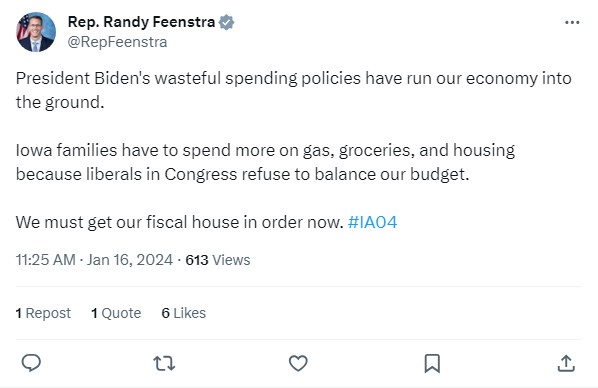
Twitter Post On Biden administration tackles bank overdraft fees, saving families billions
Critics argue that some banks have already taken steps to address the issue by reducing their overdraft fees. For example, Bank of America has decreased their fee from $35 to $10, and J.P. Morgan has implemented changes such as only charging fees for overdrafts above $50 and providing a grace period for rectification before charges are applied. However, the administration believes these changes are not sufficient, highlighting that numerous banks have yet to address the problem.
The proposed rule specifically targets approximately 175 banks with assets exceeding $10 billion. It is worth noting that the administration emphasizes that profitable banks, even after making changes to their overdraft fees, prove that it is possible to operate without exploiting customers. The implication is that if banks rely on such fees to generate profits, they should reconsider their business practices.
While the proposed rule has sparked opposition from the banking lobby, the Biden administration is determined to address the issue of excessive bank overdraft fees. The focus is on providing relief to families and ensuring they can manage their finances without being burdened by unreasonable charges. As the proposal moves forward, it remains to be seen how the situation will unfold and whether adjustments will be made to address concerns from banking institutions.