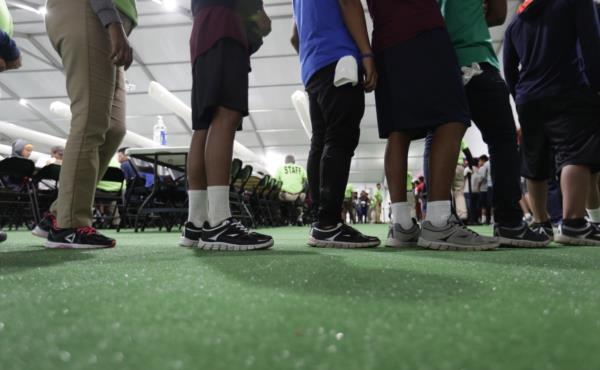
The Biden administration is expected to seek partial termination of the 27-year-old Flores agreement, which oversees the care of migrant children in federal custody. This move follows the recent implementation of new rules by the Health and Human Services Department aimed at enhancing the treatment of unaccompanied migrant children.
Understanding the Flores Agreement
The Flores agreement, established in 1997 after years of legal battles, sets standards for the detention, treatment, and release of minors in government custody. It mandates prompt release to family or appropriate guardians and outlines conditions for licensed shelters to ensure the well-being of children.
Potential Changes and Rationale
The government plans to end court supervision for unaccompanied minors under Health and Human Services, citing the need to streamline operations and improve compliance. Advocates for child migrants express concerns about the lack of third-party oversight in facilities housing children.
Future Implications
The proposed changes require approval from the overseeing judge, with opposition expected from child migrant advocates. The move could impact President Biden's immigration policies during an election year, with transparency and child welfare at the forefront of concerns.
While efforts are being made to align with Flores standards, questions remain about the potential risks to children in government custody. The evolving landscape of regulations governing migrant children's care underscores the complexities of balancing legal requirements with humanitarian considerations.