Queensland's royalty regime has made new investments in the state unfeasible, the boss of the world's biggest mining company says.
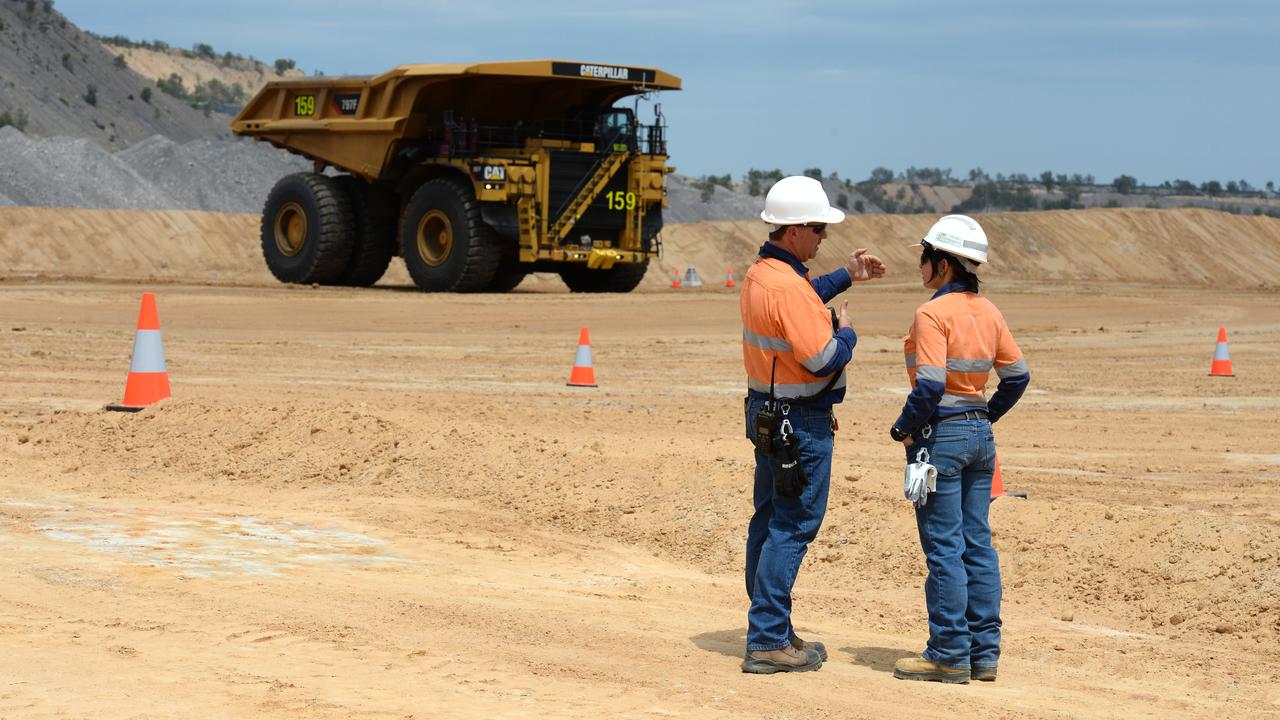
BHP on Tuesday disclosed it had paid $1.8 billion in state royalties on its five coking coalmines in central Queensland, a joint venture with Japan's Mitsubishi Corp.
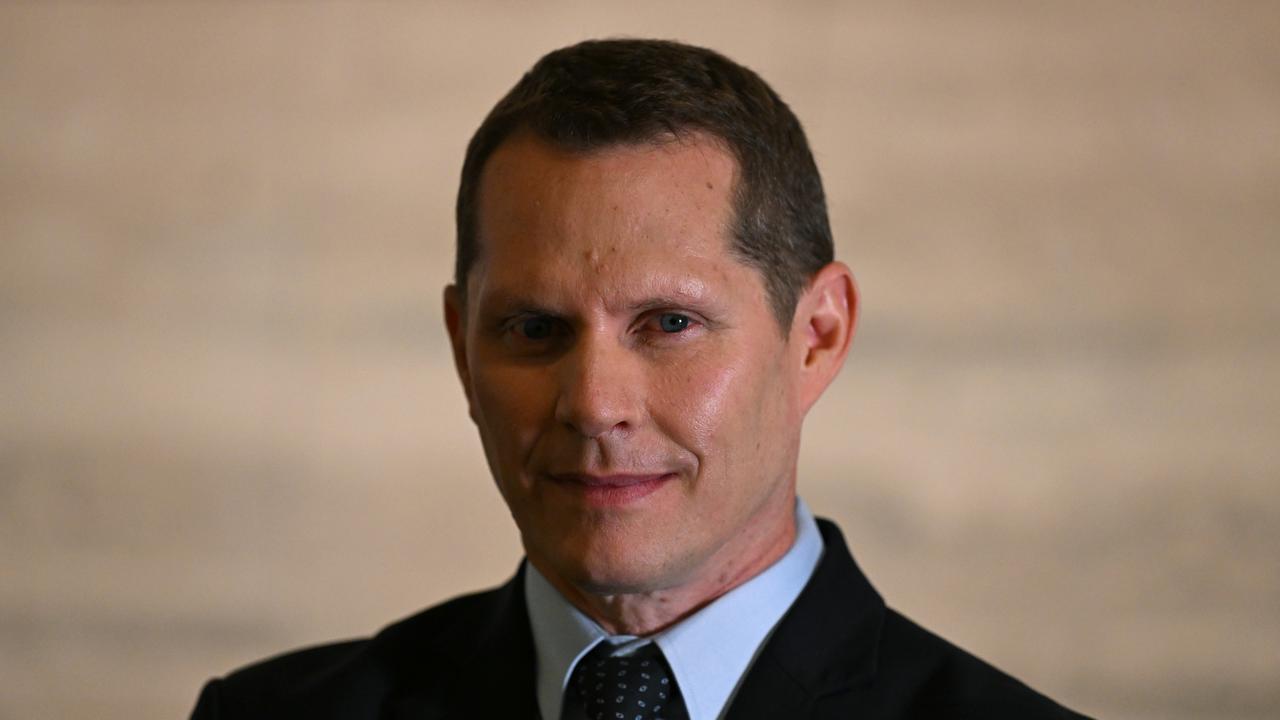
But Queensland's sliding-scale royalty regime, introduced by the former Labor state government in 2022, has made new investment in the state unsustainable, according to BHP chief executive Brandon Craig.
The regime meant that when coking coal prices were high, BHP would pay the equivalent of a 67 per cent tax rate on its business, Mr Craig said.
"That makes the long-term economics of actually investing major capital quite problematic," he told reporters.
"The current royalty rates, particularly at the highest pricing levels, are not sustainable for ongoing investments in growth."
In September 2025, BHP blamed the royalty regime for a decision to cut 750 jobs across its Queensland coal operations.
However, Mr Craig, who became CEO on July 1, told analysts that its Queensland coalmine operation, officially called the BHP Mitsubishi Alliance, was an "exceptional business" and he believed its best years were ahead of it.
"We have a plan to improve performance and returns, and that plan doesn't include selling the business," he said.
Also on Tuesday, BHP released its 2026 Economic Contribution Report, which says the company made a nearly $46 billion contribution to Australia's economy in 2025/26.
BHP calculated the figure by combining the amount it paid to Australian suppliers, shareholders, employees and the federal and state governments, as well as its social investment.
BHP paid $9.7 billion in royalties and taxes in Australia, for an effective tax rate of 32.4 per cent, or 44.7 per cent when including royalties.
It paid $3.7 billion in corporate income taxes on its Western Australia iron ore operations, along with another $2.7 billion in state royalties and other payments to governments.
It paid $1 billion in tax and other payments to governments on its copper projects in South Australia, including Olympic Dam.
BHP also paid $20.7 billion to its Australian suppliers, $9.3 billion to shareholders and $6.1 billion to its 44,000 Australian employees and contractors.
The company further invested $108 million in social projects in Australia, including the construction of new housing projects in remote Pilbara communities.
BHP was also a significant taxpayer in Chile, paying $US5.5 billion ($7.8 billion) in taxes and royalties there.
It paid a total of $US12.4 billion ($17.5 billion) to governments globally in 2025/26, or $US106.7 billion ($150.3 billion) over the past 10 years.
"We are proud of the contribution our team makes to the world around us," chief financial officer Vandita Pant said in the report.