Sustainability is rapidly becoming part of mainstream debates but there are doubts about its efficacy to tackle some of the most acute global problems.
One reason is that, as the following examples illustrate, the sustainability discourse often seems doomed to only scratch the surface.
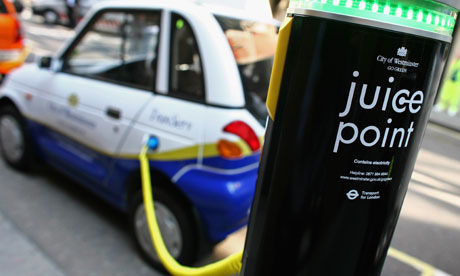
For example, the electric car is often cited as the solution to low carbon personal transport. However, many of the world's cities lack the infrastructure to support thousands of electric car but the industry rarely asks this crucial question.
Oil and gas reserves continue to be exploited, despite the fact that this is irresponsible in terms of strategies to deal with climate change. And, conversations about cattle raising in Brazil tend to focus on the industrialisation of the sector, rather than whether or not it makes sense for Brazil to continue to produce the amount of beef it does currently.
In a nutshell, the question of systemic change is rarely raised. I wonder if the sustainability community needs to take a more radical position in rethinking its position from a goal oriented perspective. Sustainability should go beyond shared value and incorporate additional approaches that can foster transformative change with highly desirable outcomes, such as:
• If companies include sustainability as part of their core business strategy, there would not be any need for calling it sustainability. It becomes simply saving costs, earning money and creating value – in short, making business sense.
• More effective ways of directing financial recourses to the poorest are emerging and this is having an effect on economic development where it is most needed.
• Non-material business approaches are gaining ground with IT service technologies, such as cloud computing and e-books.
We are witnessing the natural evolution of the economy, sometimes with brilliantly easy ideas, sometimes with highly technological solutions. The benefit and appeal of ideas like impact investing or non-materialistic business approaches are increased social inclusion along with decreased environmental impact. If this becomes prevalent it will finally close the cycle of John Elkington's basic assumption of sustainability – the triple bottom line – and beyond that it will challenge the root of the problem of the fair distribution of increasingly scarce resources.
Martin Studte is a sustainability consultant at Keyassociados in São Paulo, Brazil
This content is brought to you by Guardian Professional. Become a GSB member to get more stories like this direct to your inbox