Although the Chao Mae Thapthim Shrine remains standing, aggressive redevelopment has cleared out surrounding communities to make way for condominiums and shopping malls in the name of urban progress.
But what if the city chose to preserve rather than displace?
In this alternative vision, the entire area transforms into a "civic landscape" -- an urban setting where the general public can exercise their rights.
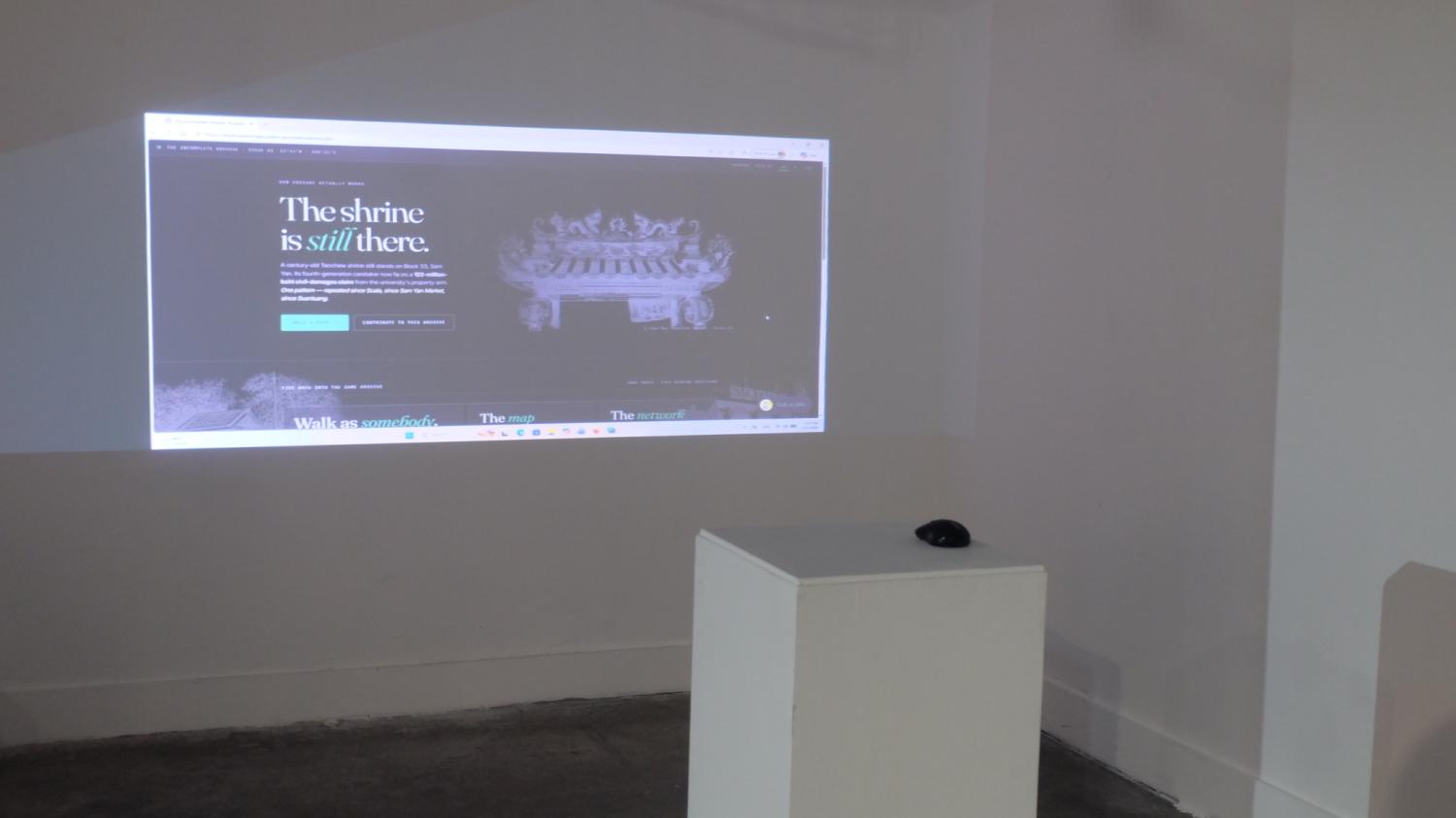
Anchored by the Chao Mae Thapthim Shrine, the ground level becomes a public space that brings together heritage, commerce and everyday life. Located on the edge of Chulalongkorn University's Centenary Park, a new shrine has been converted into a memory pavilion to document the neighbourhood's history.
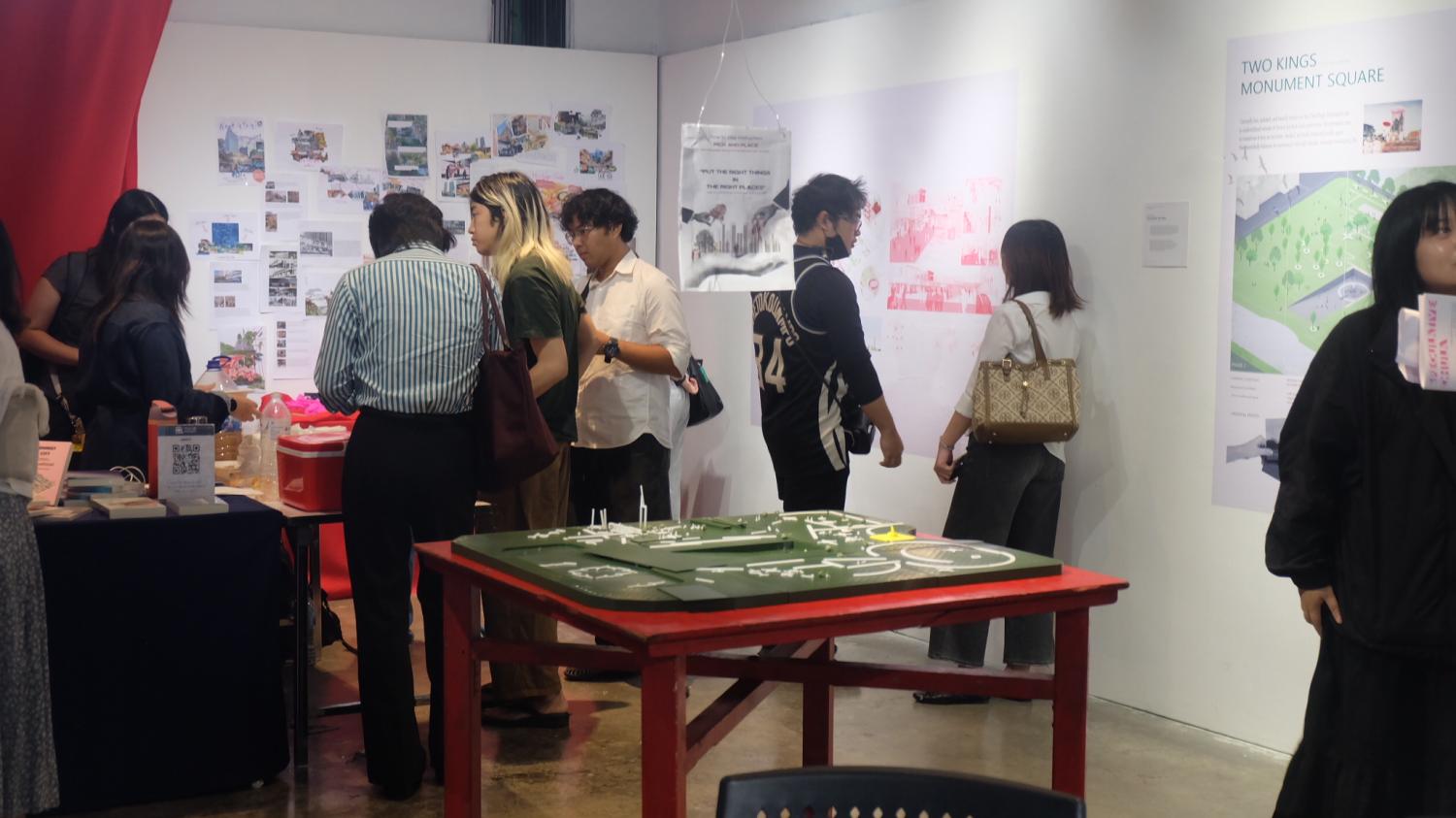
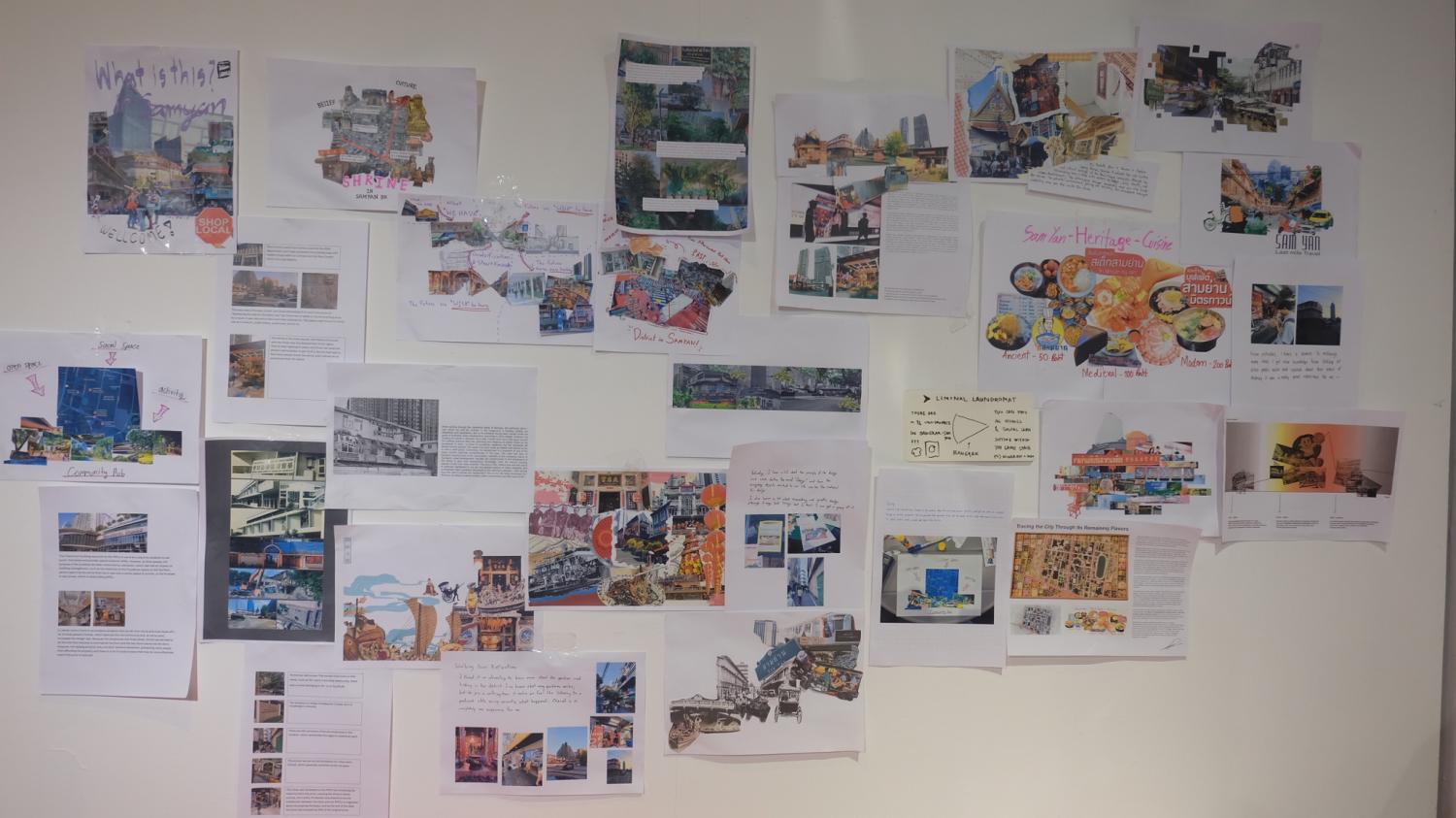
Shrine.shine.share is one of five alternative redevelopment scenarios for the Sam Yan neighbourhood currently featured at the exhibition "Speculative Chula: Not Yet Built" at the Bangkok Art and Culture Centre (BACC).
Organised by Sam Yan Press and Sam Yan Civic Design Lab, the event gathered students from the Harvard Graduate School of Design and Thailand to present their 10-week design research bootcamp. The five scenarios are displayed alongside essays by invited scholars and voices of community residents.
"It is part of our campaign to protect the community," said Netiwit Chotiphatphaisal, co-organiser of the event.
"Sam Yan is often seen as something obsolete or a cultural heritage that will eventually vanish. But if you look around Chula, it is worth asking if redevelopment should proceed in this manner. Many shopping malls are not quite successful.
"A low booking rate has also suspended construction in Block 33. Is this real progress? Or do we lack the ability to imagine new alternatives? If you ask community residents, they will share a lot of ideas of what they want. However, the university dictates only one kind of future."
King Rama VI established Chulalongkorn University in 1916 when 1,153 rai of land was allocated for educational and commercial purposes. Overseen by the Property Management of Chulalongkorn University, a smart city plan outlines redevelopment of three areas by 2037.
First, Suan Luang-Sam Yan is touted as a heri-tech city. Second, Siam Square is set to become the best shopping street in Asia and last, National Stadium will be upgraded into a recreational hub.
During last year's fellowship at the Harvard Divinity School, Netiwit met Sophia Xiao, a student at the Harvard Graduate School of Design. When she took a study trip to Thailand in January, he offered to take her on a tour of the neighbourhood.
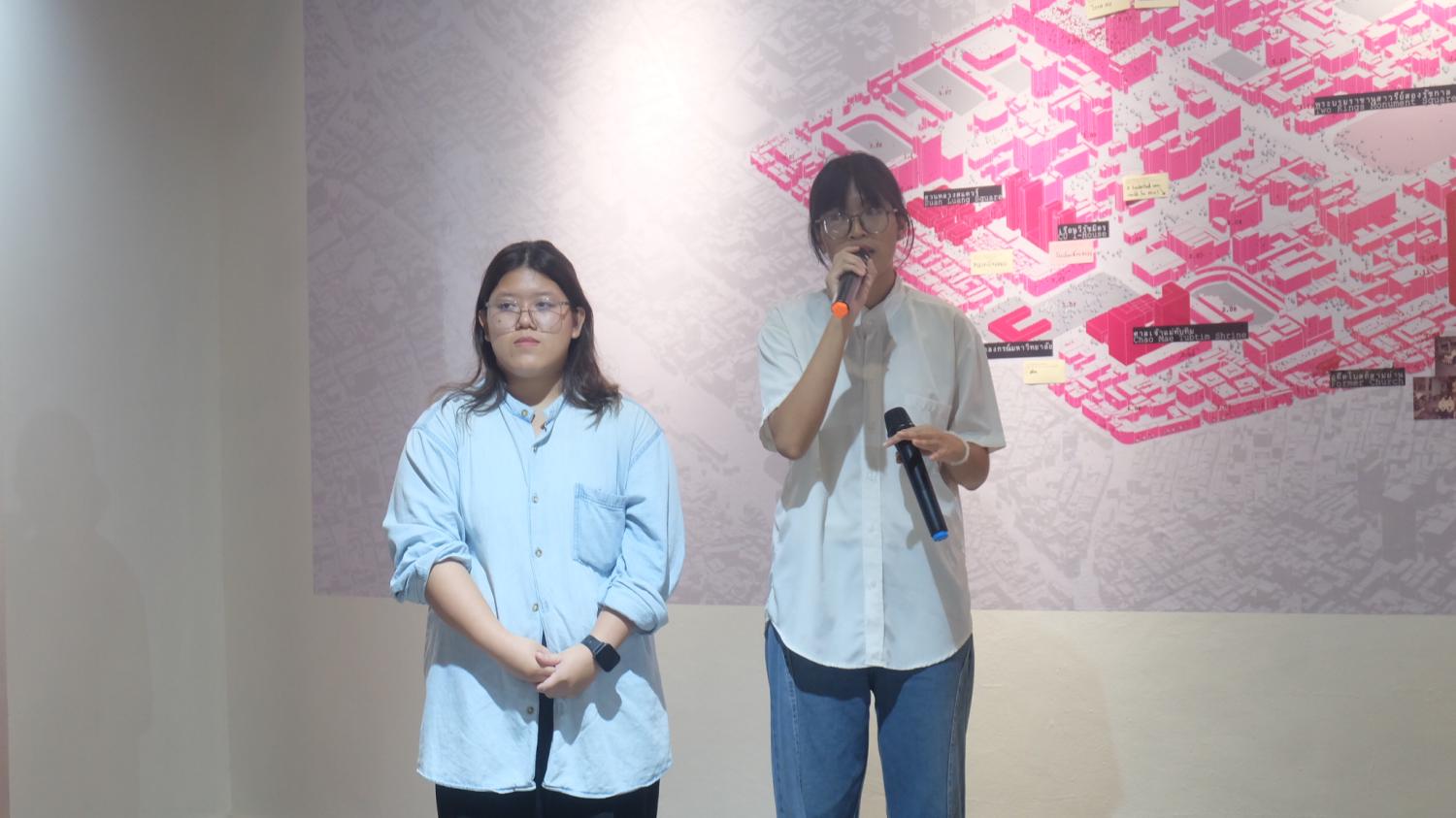
She was struck by how the Chao Mae Thapthim Shrine is withstanding pressure and how its survival is sustained by public attention. For this reason, she joined hands in organising the 10-week bootcamp.
"We see these speculative futures as invitations, shaped to provoke real conversation and open to absorbing the perspectives we have not yet heard," she wrote in the booklet.
Running from March to May, the project culminated with five proposals.
Freeplay Urban Synthetic Morphology, for example, proposes an alternative model to revive the informal economy in Suan Luang Square.
While Chula Next Verse balances the university's development goal with affordable housing and a learning centre, Reimagining Chamchuri Square transforms the failing shopping mall into an experimental hub to meet local needs.
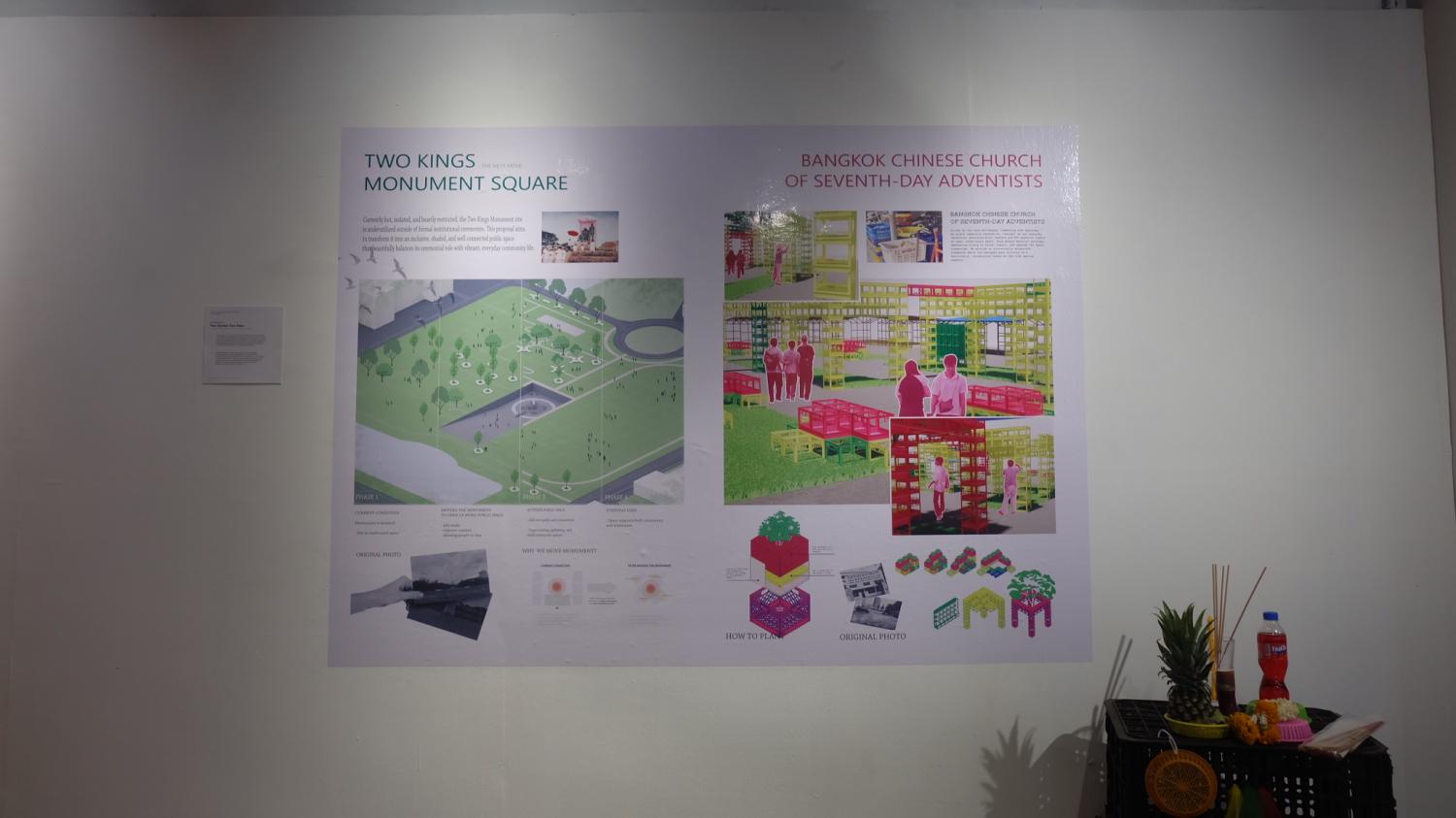
Presented by two students, Nateapson Kakkaew and Sirikanya Kaerahan, the third scenario Two Sacred, Two Fates ensures co-existence between history and everyday life.
Because Chulalongkorn University's Two Kings Monument is limited to institutional ceremonies, the statue will be relocated to the centre of an open plaza to create a public space.
When it comes to the neglected site of the Bangkok Chinese Church of Seventh-day Adventist, the area will be retrofitted with urban farming.
Besides, students from the US and Thailand recently organised a two-day summer camp for local students to explore the neighbourhood.
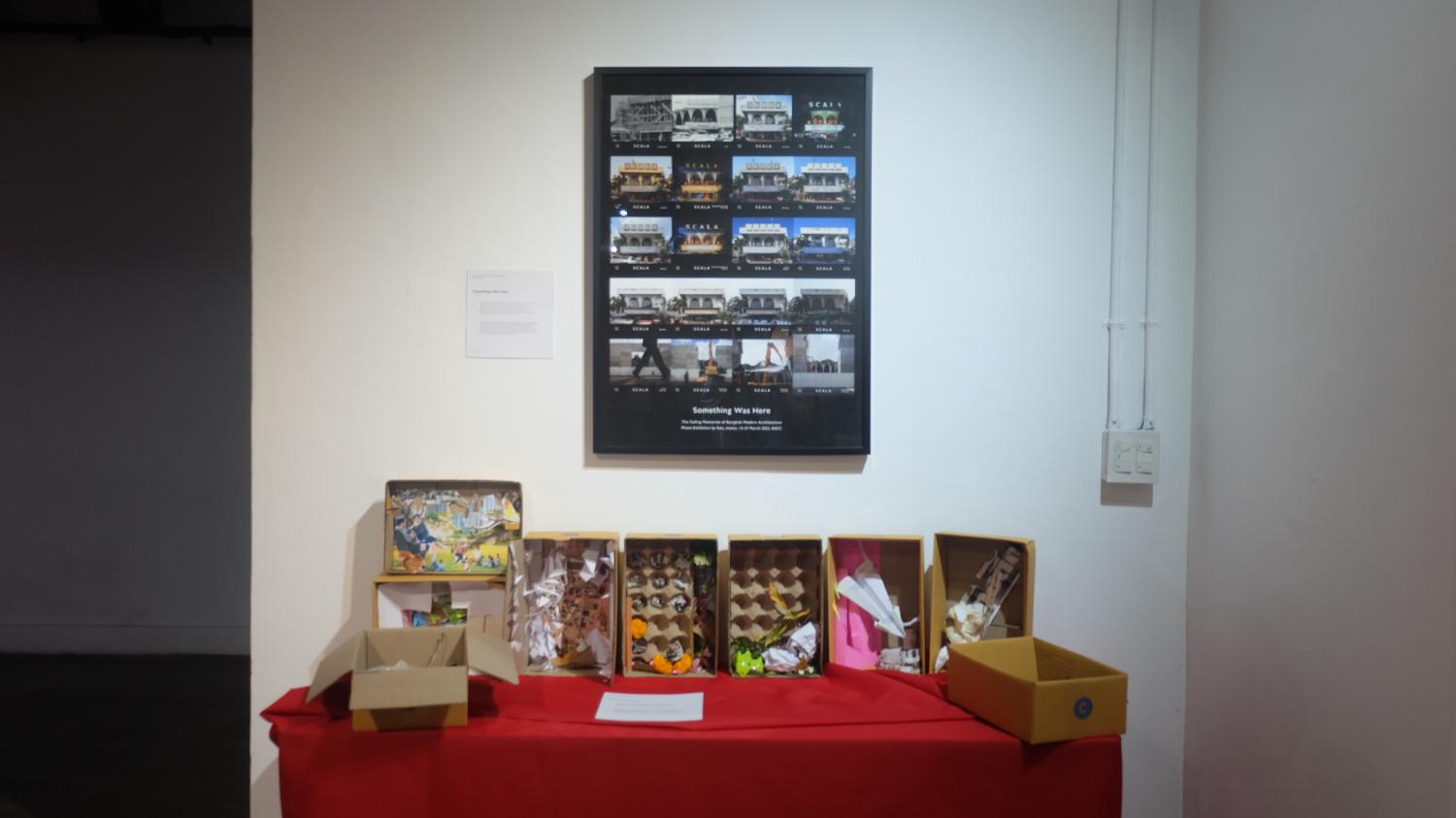
In Cornell Box Art, participants present their own worlds through a collage of memory fragments of Sam Yan. On the wall, personal reflections of the community highlight that Sam Yan is more than a commercial opportunity, but part of everyday life.
The exhibition also brought together critical voices. Artit Gowitwarangkul, an economic commentator and translator of David Harvey's Rebel Cities: From The Right To The City To The Urban Revolution, said although the university distinguishes between education and business, it should be more committed to the public good.
"When it fails to do so, it is important for us to imagine new possibilities to uphold the right to a city," he said.
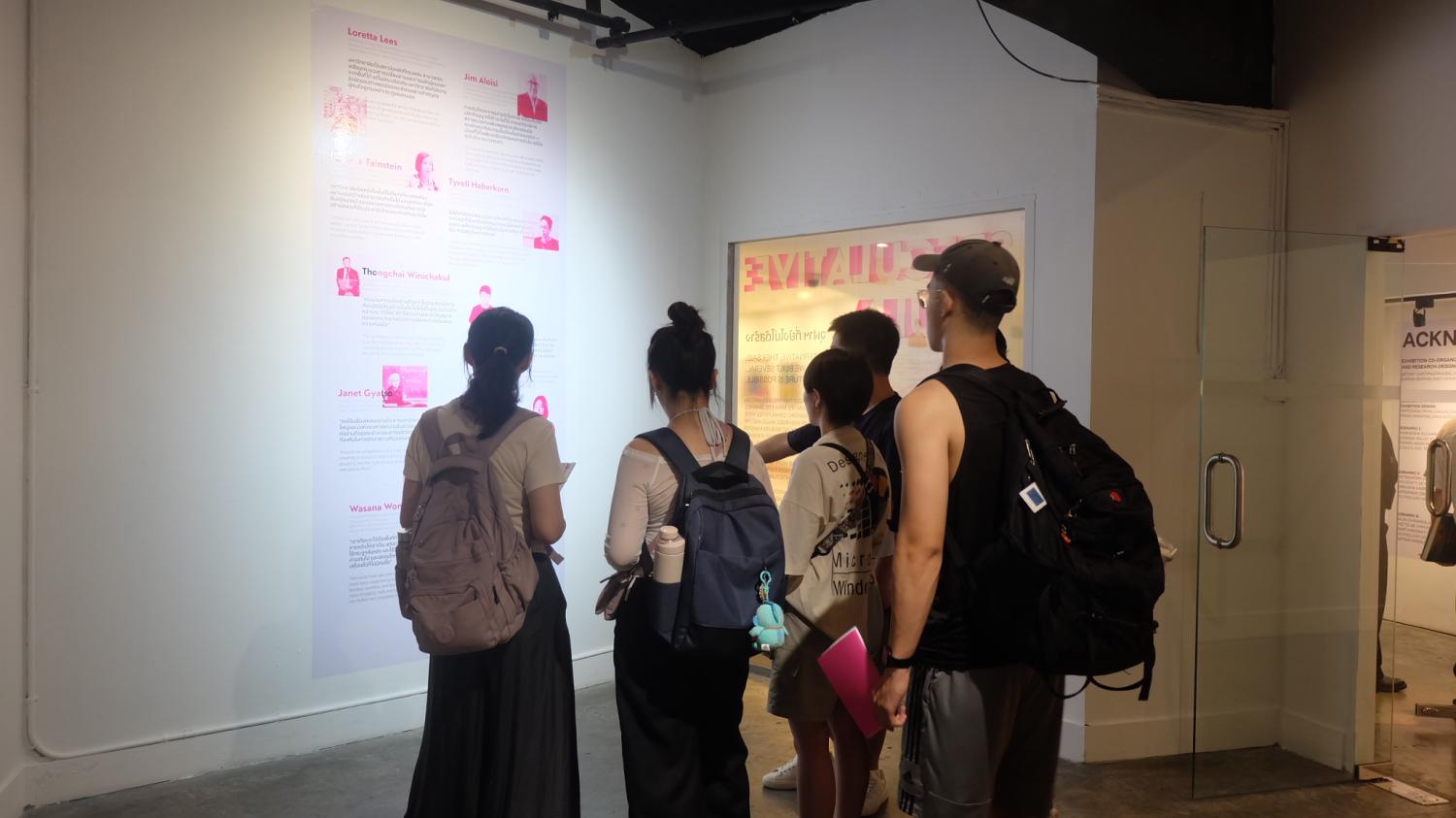
When asked if the method of speculation is adopted in other places, Assoc Prof Wasana Wongsurawat, a history lecturer at Chulalongkorn University's Faculty of Arts, said this is a special case.
"Chula happens to be a major landlord that owns prime property in the centre of the capital city. There are very few such universities in the world," she said. "But I think it can be compared to state organisations that own and develop properties."
In his book In The Shadow Of The Ivory Tower, Prof Davarian L. Baldwin, a historian and founder of the Smart Cities Research Lab at Trinity College in the US, highlighted the transformation of universities into urban developers. Due to the decline of state subsidies, higher education institutions are increasingly compelled to make a profit from land development at the expense of surrounding communities.
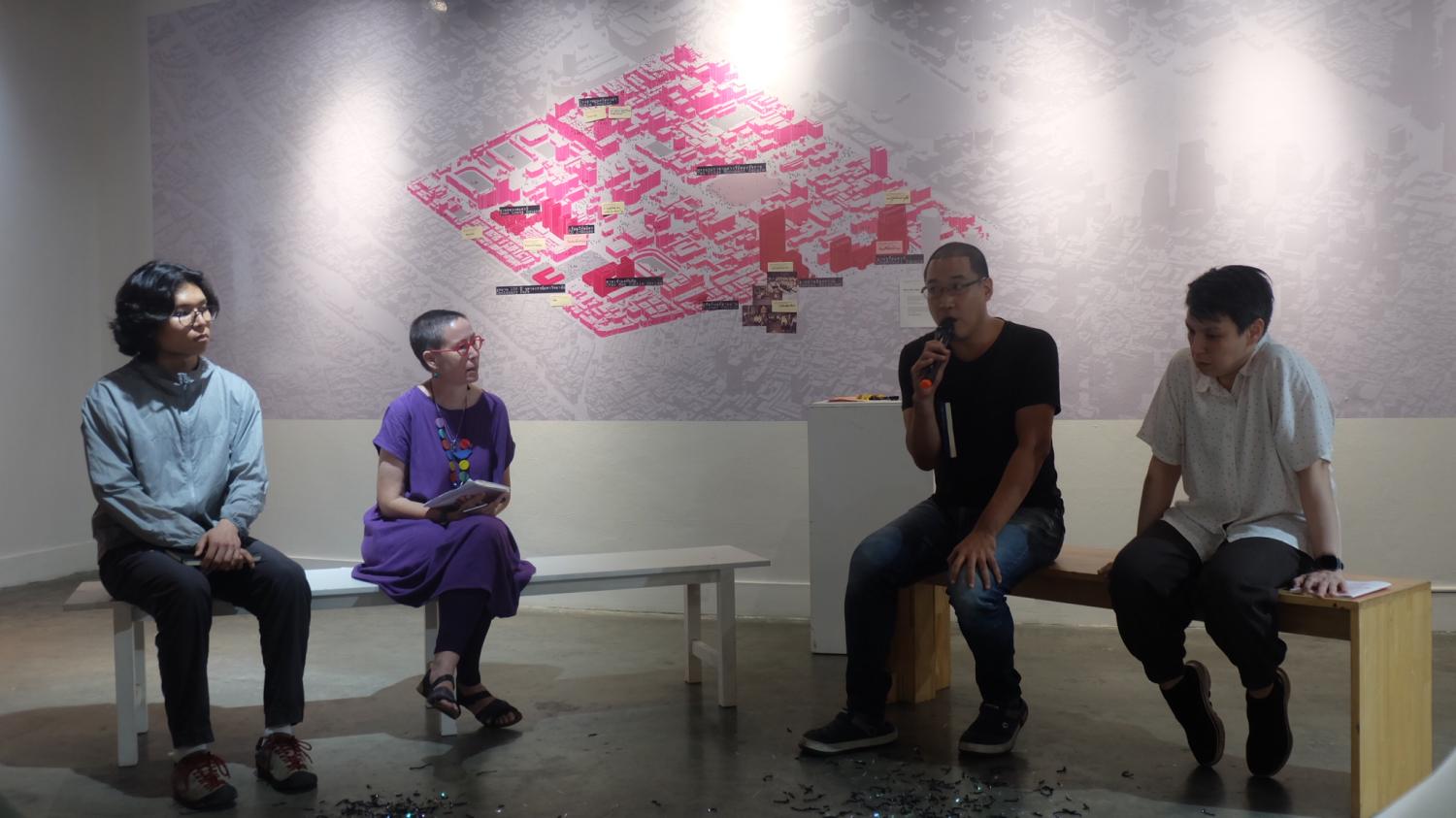
Tyrell Haberkorn, professor at the University of Wisconsin-Madison, said the question of who universities are for is universal. Junho Sohun Kang, architectural designer and researcher, shared an example of negotiation. Harvard mitigates the impact of land development with public spaces and access to its facilities.
"University developers are fairly common, but the question is how they serve their vision even when development results in gentrification," he said.
"Speculative Chula: Not Yet Built" is running on the 3rd floor of the Bangkok Art and Culture Centre until Sunday. It is open from 10am to 7pm, Tuesday-Sunday. Admission is free.