Flamingos are among the world's most recognizable birds, thanks to their striking pink feathers. But they are not born that way. Scientists discovered that their famous color develops over time and has everything to do with what they eat, making flamingos one of nature's best examples of the saying, "You are what you eat."
Mystery of why flamingos turn pink
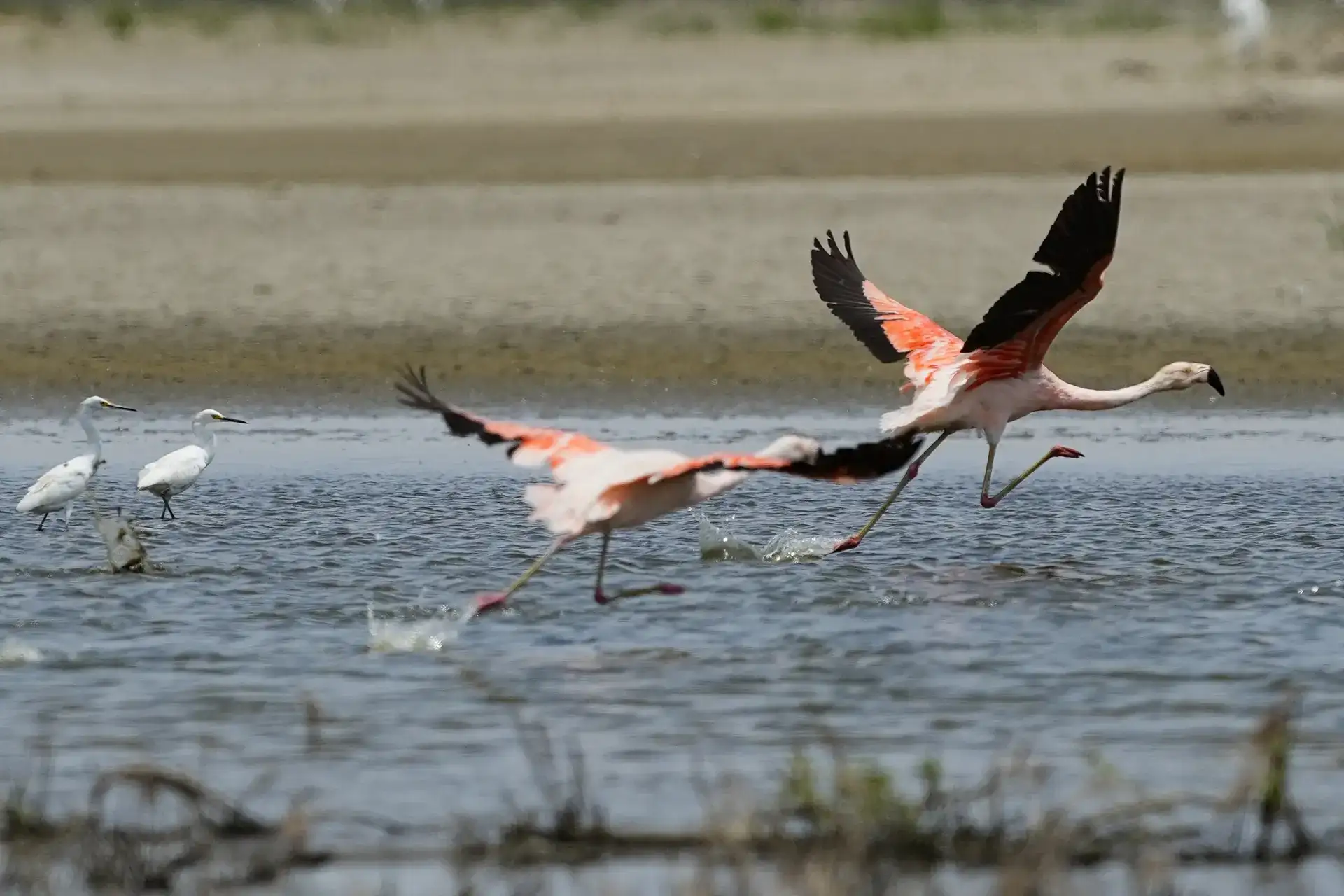
Few birds are as instantly recognizable as the flamingo. Their long legs, elegant posture and bright pink feathers have made them one of nature's most familiar sights. But despite their colorful appearance, flamingos begin life looking very different, as per Live Science and Britannica.
When flamingos hatch, their feathers are actually a dull light gray. The bright shades people associate with these birds develop gradually as they grow, and scientists discovered that the secret lies entirely in their diet.
The flamingo's famous pink feathers are not inherited. Instead, they develop because of pigments found in the food the birds eat throughout their lives.
Why aren't flamingos born pink?
Flamingos spend most of their lives around lakes, wetlands, swamps and similar watery habitats. These environments provide the food they depend on every day. Their diet mainly includes algae, insect larvae and small crustaceans such as shrimp and mollusks, as per Live Science and Britannica.
Although young flamingos hatch with gray feathers, that begins to change once they regularly consume foods rich in natural pigments called carotenoids.
The color transformation happens slowly as new feathers grow, replacing the gray plumage with shades of pink.
How does their diet change their color?
The algae flamingos eat contain high amounts of beta-carotene, an organic chemical that carries a reddish-orange pigment. Beta-carotene is also found in many plants, especially tomatoes, spinach, pumpkins, sweet potatoes and carrots.
The shrimp, mollusks and other small crustaceans that flamingos feed on also contain similar carotenoid pigments.
Inside the bird's digestive system, enzymes break down these carotenoids into pigments. Those pigments dissolve into fats, which are later deposited into new feathers and skin as they develop, as per Live Science and Britannica.
As more pigment accumulates over time, the flamingo gradually changes from gray to pink.
The process requires a steady diet rich in carotenoids. Because flamingos feed almost entirely on foods packed with these pigments, they naturally develop their distinctive appearance.
Why do some flamingos look brighter than others?
Not every flamingo has the same shade of pink. Their colors can range from pale pink to deep crimson depending on how much pigment is available in their food.
Carotenoid levels differ in algae and crustaceans found around the world, so flamingos living in different habitats often display different colors.
According to the information provided, Caribbean flamingos are usually bright red or orange because of their pigment-rich diet. Flamingos living around Lake Nakuru in central Kenya, where drought affects food availability, generally appear much paler.
The color can also fade if their diet changes. If a flamingo stops eating foods containing carotenoids, new feathers will begin growing in much lighter shades. As older reddish feathers molt and are replaced, the bird gradually loses its bright color.
There are six species of flamingos living in different regions of the world, and differences in habitat and available food mean some appear darker, others lighter, and some may even look almost white.
The story behind their feathers serves as one of nature's simplest reminders that, for flamingos, the saying "You are what you eat" is more than just an expression—it is reflected in every new feather they grow.
FAQs
Are flamingos born pink?
No. They hatch with dull gray feathers that gradually change color.
Why do flamingos turn pink?
Their diet is rich in carotenoid pigments that become stored in their growing feathers.