Visibility still matters in 2015. Whether it applies to racial diversity on television screens or female authors on bookshelves, visibility continues to be one of the greatest hindrances to success for struggling artists. And as we continue to grow into an increasingly fractured society, visibility will continue to rise as the primary method of obtaining a semblance of success in the artistic and entertainment fields.
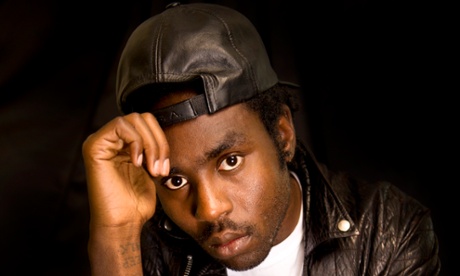
It comes as no surprise then that many musicians and fans were upset yesterday upon the announcement of the nominees for the latest edition of the BET awards. For the disgruntled, the nominations were just further affirmation of the status quo. Although the BET awards began 14 years ago, the list of nominees has largely been the same. Beyoncé and Jay Z (deservedly) have earned the most nominations, at 46 and 42 respectively. But surprisingly, Chris Brown, who is typically derided, has won the most awards for any man, at 12. Other repeat winners include the biggest names regardless of genre: Kanye West, Nicki Minaj, Drake and Lil Wayne. This is not a diversity of nominees for an award show aimed at a more diverse musical audience. Dev Hynes, who has worked with artists like Solange and creates music under the name Blood Orange, was particularly upset.
“Why isn’t BET awards just called the ‘Mainstream Rap/RnB/Pop with black people’ awards?” Hynes tweeted yesterday morning. Hynes was upset by the award show’s narrow focus on the above music categories, neglecting artists who don’t fit squarely in that one box.
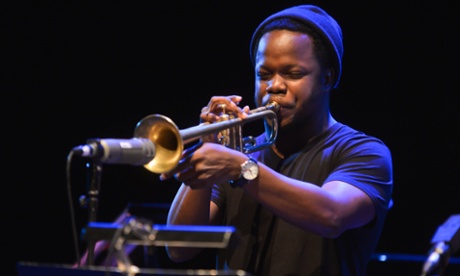
“Lol my point is we are more than just ‘rappers’ and ‘RnB’ singers. Where’s Ambrose Akinmusire’s award?” he later added. Akinmusire, a 32-year-old jazz trumpeter from Oakland, released the critically acclaimed The Imagined Savior Is Far Easier to Paint in early 2014. Despite the heft and singular brilliance of Akinmusire’s album, he – like many other artists not working within narrowly defined mainstream music – was left out of the awards.
Later that day Azealia Banks, who is also nominated for best female hip-hop artist, criticized the award because it caters to and honors the same artists year after year.
“I really hate getting nominated for @BET awards. They’re so bogus,” Banks began. “The female rap award at the bet awards goes to nicki every year, it’s not even a real award anymore lol it’s a bit of a running joke.”
But what artists and fans fail to realize is that despite representing output created by black artists or artists working within black genres (a major, important distinction from the blatant racism of most award shows), the BET awards are like any other mainstream award show. Airing on a still-popular cable channel, the BET awards cater to the broadest audience possible and therefore choose the most mainstream artists year after year. The awards are less recognition for talent over the past year and more a method of ensuring as many eyes as possible are watching the screen to create higher ratings and more buzz. The bottom line wins again.
Consider the Grammys, which never airs the less-mainstream categories in their long list of nominees and instead focuses on artists who top the Billboard 200. What distinguishes the Billboard music awards from any other award show? Very little, only that by outlining their intentions from the start (these are the Billboard awards and not, say, the Pitchfork awards) artists and fans are aware that what you hear on Top 40 radio is what you’ll see and hear on the screen.
Rather than use the built-in audience of a well-known award show to highlight less mainstream artists, the BET awards and other subsequent award shows push the same agenda and artists, creating a circle of the same acts again and again. The new artists who break through to our screens are the same artists who have already broken through to where it matters most for award show producers: on the radio and in other people’s bank accounts. This isn’t a matter of talent or drive or vision, because really, when is it ever when it comes to most of the mainstream? It is unfortunate and frustrating, especially in an era when it is more difficult for smaller artists to garner those larger audiences, but one thing is certain: it won’t change anytime soon.
So who missed out?
Here’s our alternative list of nominees who have been unfairly overlooked.
Best Female R&B/Pop Artist
In an alternate world, Dawn Richard would be nominated and win for the lyrically and instrumentally audacious Blackheart. It is without a doubt one of the best records of the year and a progressive and necessary step forward in R&B.
Best Male R&B/Pop Artist
It’s rather ludicrous to look at the nominees and see D’Angelo and the Vanguard’s Black Messiah not included. Is it a typo? Why else would the most political and one of the most successful R&B records of 2014 be missing?
Best Female Hip-Hop Artist
Compared with other categories, the women in this list minus Iggy Azalea deserve their nominations. One of the best and only wild cards of the year came with Tink’s nomination. If they looked deeper in Chicago, they would find other killer acts like Dreezy, who dropped her Schizo mixtape in 2014 after a long wait.
Best Group
How about Run the Jewels, whose confrontational and political new album was a much-needed breath of fresh air in today’s political climate?