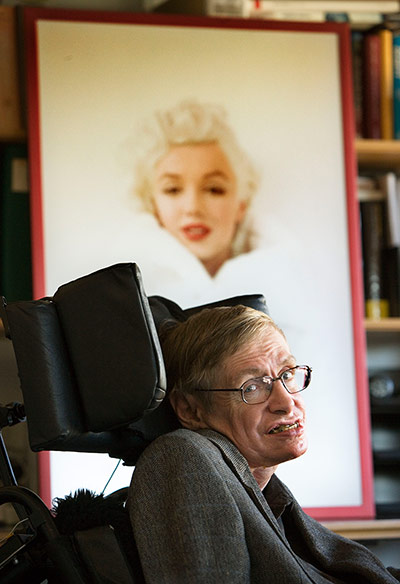
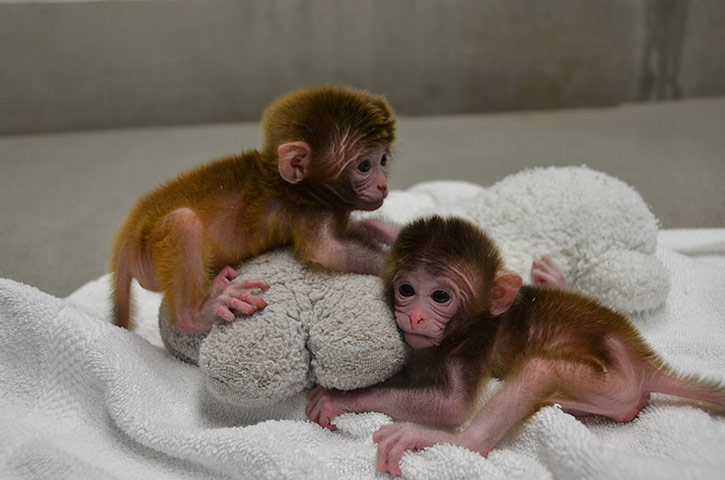
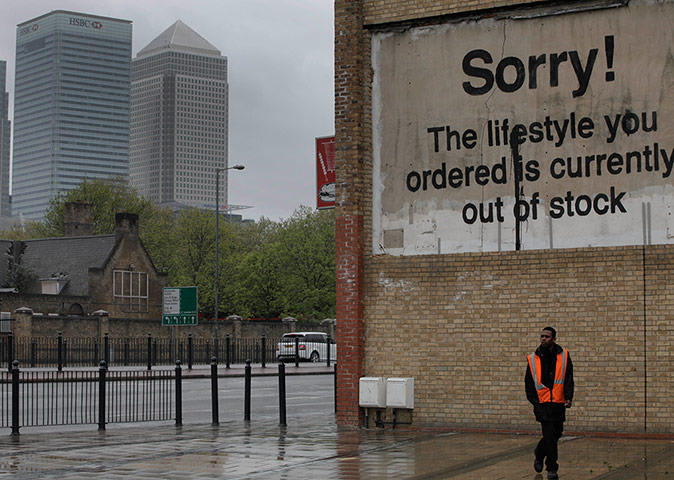
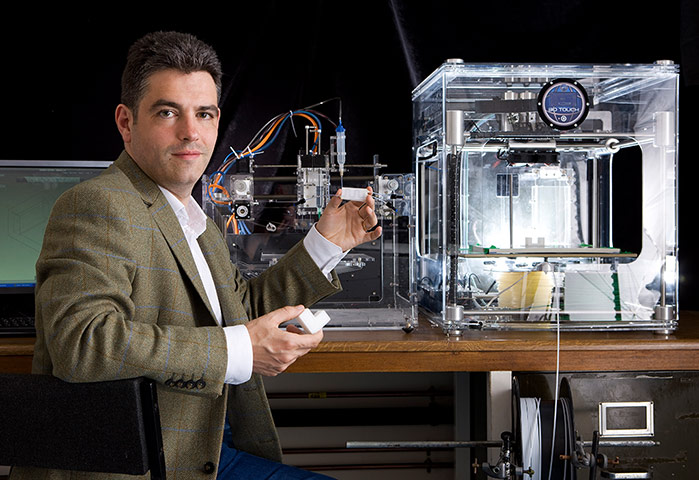
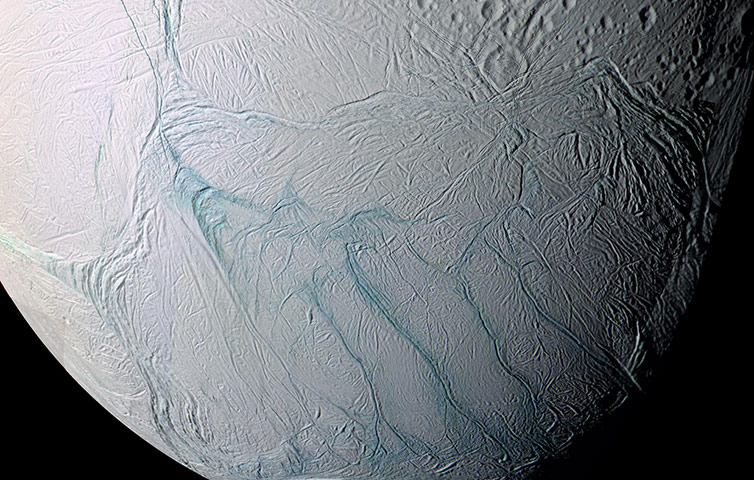
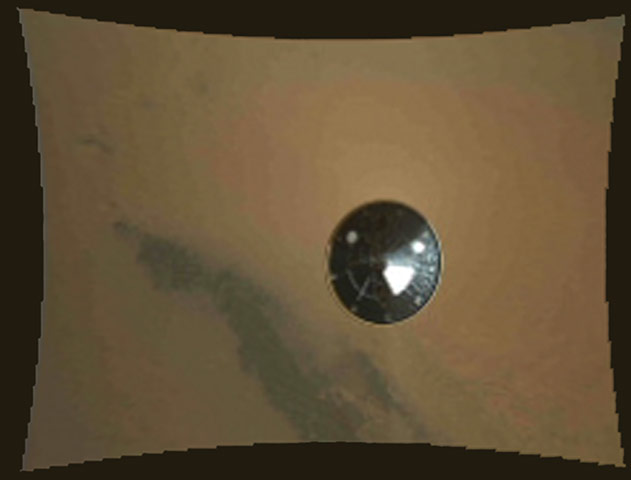
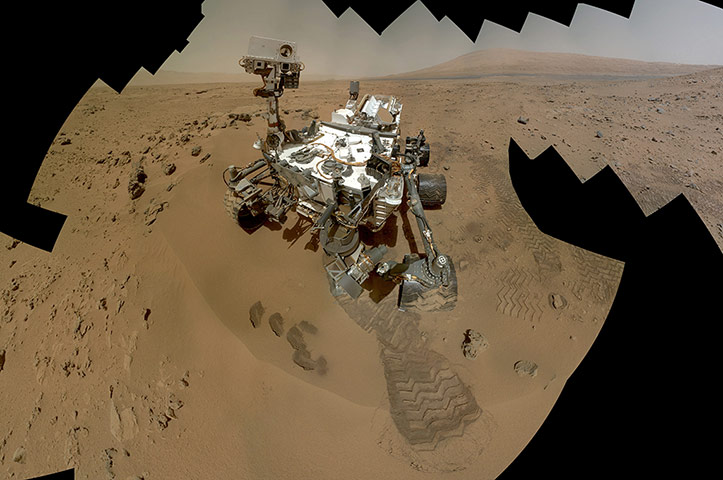
It was a good year for Stephen Hawking. An international conference was held in his honour as he celebrated his 70th birthday on 8 January. In an interview with New Scientist ahead of the meeting, the man who has grappled with cosmic inflation and a quantum theory of gravity admitted finding women 'a complete mystery'. At the end of the year, on 11 December, $3m (£1.8m) landed in his bank account after he won the most lucrative science prize ever establishedPhotograph: Murdo Macleod/GuardianResearchers at the Oregon National Primate Research Centre revealed that they had created the world's first primate 'chimeras' – three rhesus macaques each created by combining between three and six embryos in the early stages of their developmentPhotograph: Oregon National Primate Research CentreMathematician and author Ian Stewart explained how a Nobel prizewinning equation underpinned massive economic growth – before causing the credit crunch and meltdown of the banking systemPhotograph: Lefteris Pitarakis/AP
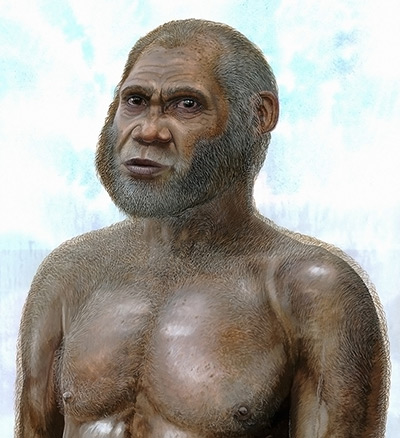
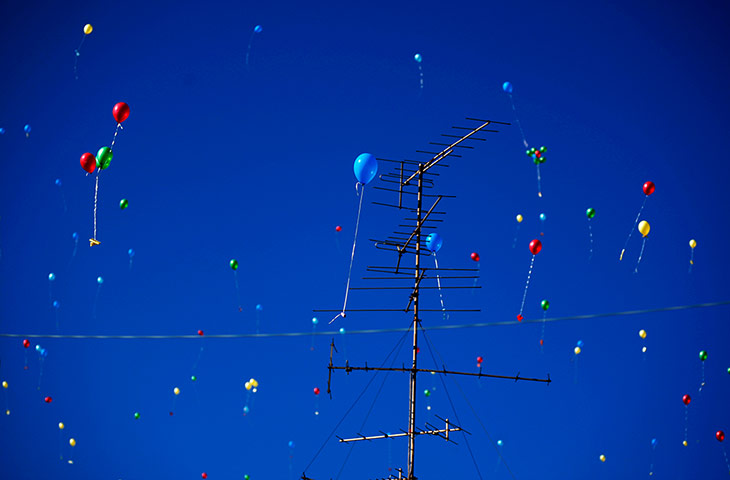
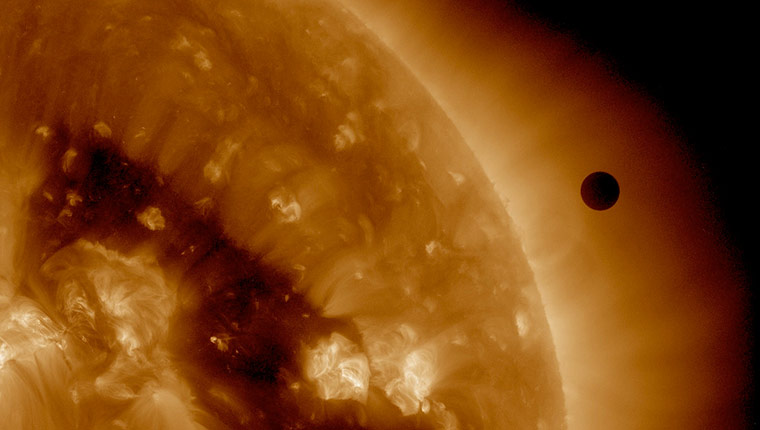
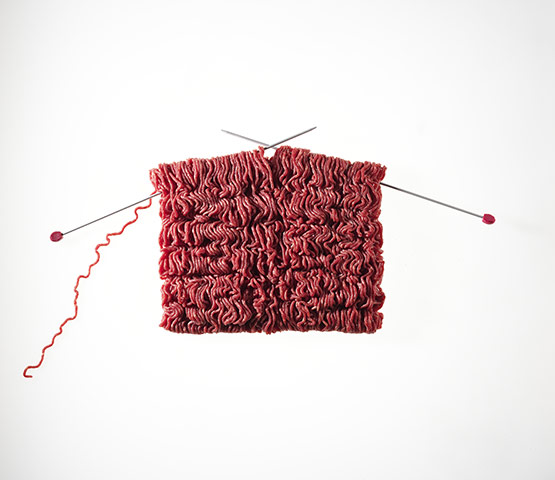
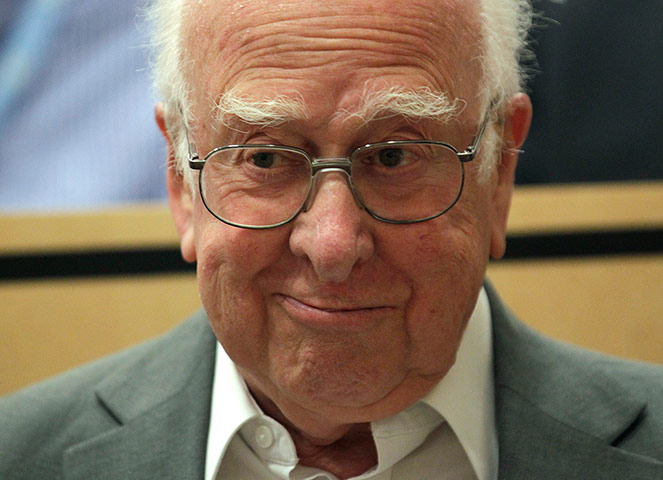
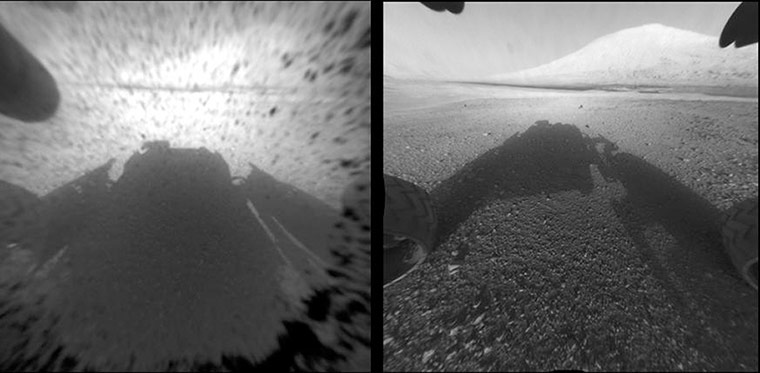
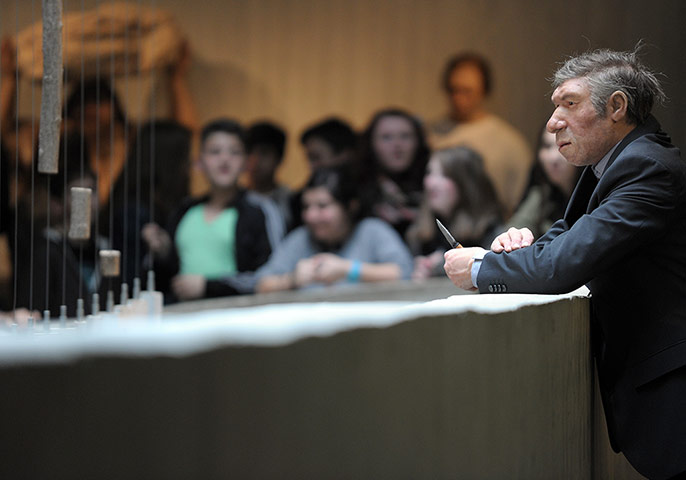
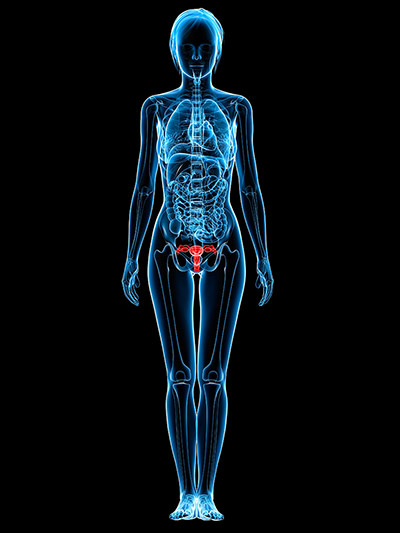
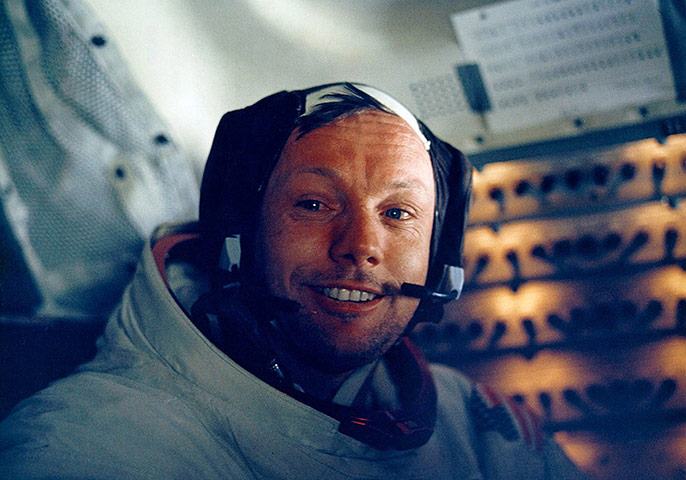
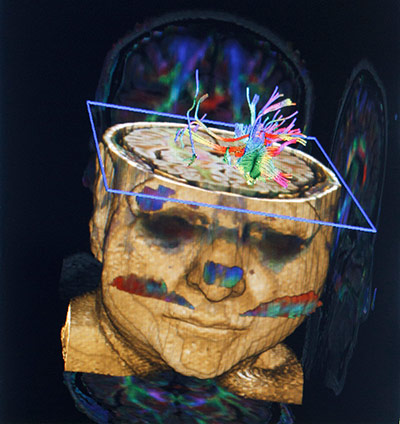
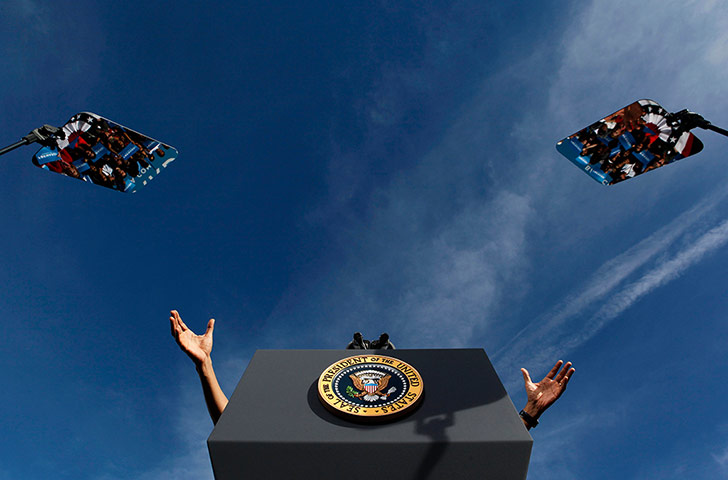
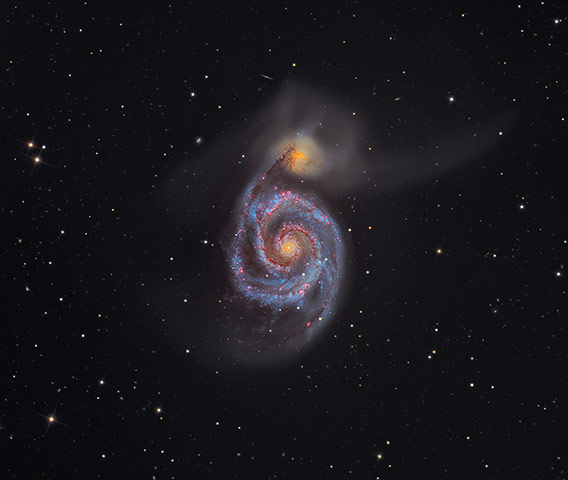
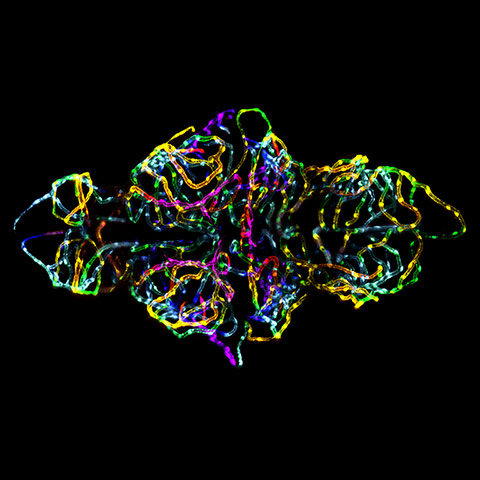
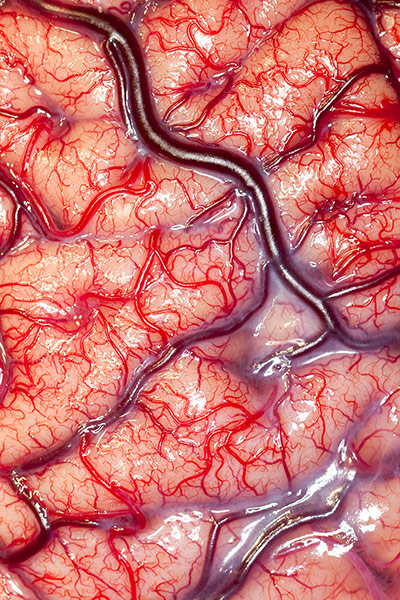
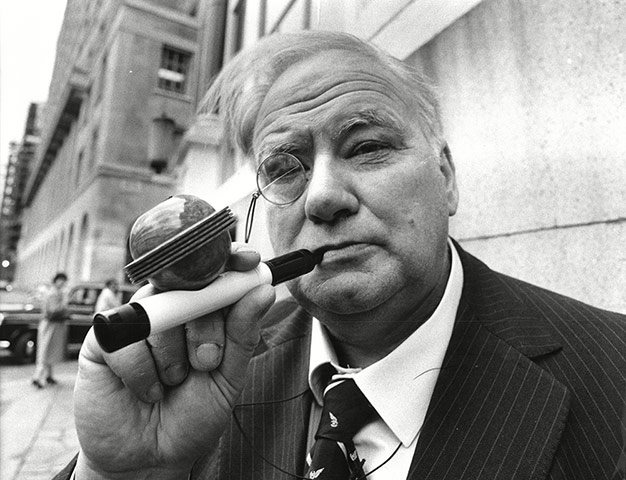
An artist's impression of the potential new human species, dubbed the Red Deer Cave people, whose remains were found in China. The species differs from modern humans and could add another branch to the evolutionary tree of hominids Photograph: Peter Schouten)More helium is going up in the air – mostly in balloons, and scientists and researchers are not happy. Helium is essential in research and medicine and the global stock is running lowPhotograph: Muhammed Muheisen/APA Nasa image captures the transit of Venus across the sun – one of the rarest predictable solar events that happens in pairs eight years apart that are separated from each other by 105 or 121 years. The last transit was in 2004 and the next will not happen until 2117 Photograph: SDO/NASASpaghetti anyone? Freshly made from lab-grown meatPhotograph: liz mcburney/GuardianScientists at Cern in Geneva succeeded in finding the long-sought and elusive Higgs-like particle – probably the biggest breakthrough in science this year. British physicist Peter Higgs, whose work on the origin of mass of elementary particles predicted the existence of the eponymous boson, arrives beaming to deliver a seminar at CernPhotograph: Denis Balibouse/APWikipedia blacked out its opening page in January to protest against proposed EU legislation on online piracy. The year also saw a greater momentum towards open access scientific publishing with the UK announcing free access to British scientific research within two years and the Wellcome Trust backing a campaign to allow academic papers to be shared free online Photograph: Yves Herman/ReutersLee Cronin with his chemputer. Cronin is the Gardiner professor of Chemistry at the University of Glasgow who presented a TED talk on a 3D printer that, instead of printing objects, prints moleculesPhotograph: Murdo MacLeod/GuardianCould Saturn's icy moon Enceladus harbour alien life? Evidence from the Cassini spacecraft suggests a deep salty ocean beneath the frozen surface that periodically spews out icy particles giving the moon its 'tiger stripes'. Many scientists believe it offers the best hope of discovering life on another world inside our solar system Photograph: Cassini Imaging Team/SSI/JPL/ESA/NASACuriosity's heat shield in one of the first images to be sent back to Earth, obtained by the rover during its descent to the surface of Mars. The rover has already discovered evidence of liquid water in the planet's distant past Photograph: MSSS/JPL-Caltech/NASAThe Mars rover Curiosity sent multiple pictures of its landing site allowing Nasa to create this mosaic. The image shows the rover at 'Rocknest', the spot in Gale Crater where the mission's first scoop sampling took place. Four scoop scars can be seen in the regolith in front of the rover. A fifth scoop was collected later Photograph: MSSS/JPL-Caltech/NasaThis image comparison shows a view through a hazard-avoidance camera on Nasa's Curiosity rover before and after the clear dust cover was removed. Mount Sharp, the mission's ultimate destination, can be seen in the image on the right Photograph: NasaA replica of a Neanderthal man, dressed in modern clothes at the Neanderthal Museum in Mettmann, Germany. The life-like replica is called 'Mr 4 Per Cent' as all humans share up to 4% of Neanderthal DNA, according to scientists. Studies published this year, however, suggested the interbreeding theory may not be accuratePhotograph: Federico Gambarini/CorbisComputer artwork showing internal organs of the female body with the uterus highlighted in red. A Belgian gynaecologist's study suggests the human uterus's dimensions obey the golden ratioPhotograph: Sciepro/CorbisNeil Armstrong smiles in his lunar suit in this picture taken on 20 July 1969. Armstrong, the first man to step on the moon, seldom gave interviews until he opened up to an accounting firm in Australia and talked about the Apollo 11 mission for an hour. He died aged 82 after hear bypass surgery Photograph: NASA/Getty ImagesA two-decade-long research project found that childhood stimulation is key to brain development. An early childhood surrounded by books and educational toys leaves positive fingerprints on a person's brain well into the late teensPhotograph: Astier/CorbisThe hands of US President Barack Obama are seen with his teleprompters at a campaign event at Cheyenne Sports Complex in Las Vegas, Nevada. Blogger Nate Silver used data analysis to accurately predict the outcome of the US election right down to each statePhotograph: Larry Downing/ReutersThis image of the Whirlpool galaxy won the Astronomy Photographer of the Year 2012 competition. It combines the fine detail in the spiral arms with the faint tails of light that show its small companion galaxy being gradually torn apart by the gravity of its giant neighbour. A closer look shows even more distant galaxies visible in the background Photograph: Martin PughAnd from the very big to the very small. This image of the blood-brain barrier in a live zebrafish embryo won the Nikon Small World 2012 photomicrography competitionPhotograph: Dr. Jennifer L. Peters and Dr. Michael R. TaylorA microscopic image of the surface of the human brain of an epileptic patient taken before major surgery. The image marks the first step in a process of analysis required to identify the area of the brain that needs to be removed. It was taken by Robert Ludlow of the UCL Institute of Neurology in London and was chosen as the winning image of the 2012 Wellcome Image Awards competitionPhotograph: Wellcome ImagesSir Patrick Moore, the late legendary presenter of BBC's the Sky at Night seen here with a pipe in the shape of a telescope presented to him in 1983 after he was named Pipeman of the Year. Moore, truly a master of the universe, was an amateur but distinguished astronomer who played a leading role in popularising science. He died aged 89 on 9 December 2012Photograph: Bill Cross/Rex Features
Sign up to read this article
Read news from 100’s of titles, curated specifically for you.