Black Beauty (Black Beauty, Anna Sewell)
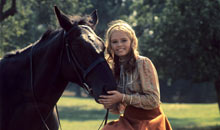
It's very difficult to resist a horse, noblest of literary beasts. It's very, very difficult to resist a handsome black horse with a white star and one white foot who remains pure of heart despite being subjected to every cruelty and injustice in Victorian Britain. But it's near impossible to resist a talking horse, with a Yorkshire accent to boot. Black Beauty is the ultimate prepubescent girl's wet dream, combining the strong yet sensitive characteristics of the ideal man with the form of a big shining asexual equine. You still love him deep down, you know you do. Vote here.
Buck (The Call of the Wild, Jack London)
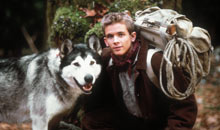
In our troubled corporate times, Jack London's novel proves an unexpectedly useful read. As we watch pampered Californian pooch Buck take on the Alaskan wilderness, we learn that the only way to survive a vicious working pack is to assert oneself as an alpha male, to ingratiate oneself with the boss, and to develop the heart of a wolf under a disarmingly fluffy hide. For Buck, "the salient thing of this other world seemed fear" and in a frightened world, projecting confidence makes you top dog. Honour the ultimate Apprentice of the canine world and back Buck to win.
Moby Dick (Moby Dick, Herman Melville)
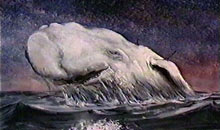
It's rare that you see a marine mammal put in a performance of true emotional range, but that veteran Moby Dick pulls it off. Always to be found lurking at the centre of Melville's book, Moby Dick is not just a whale but an obsession, a nemesis, a philosophy, a prize. This beast has some serious symbolic weight to bear – under all that biblical, psychological, social, racial and political allegory you fear he might sink – but, despite Melville's interminable academic asides, Moby remains a real, dangerous and exciting force of nature. Big beluga, we salute you.
The Bear (A Winter's Tale, William Shakespeare)
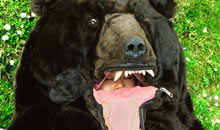
God bless the Winter's Tale bear. Many a cocky director has seen his otherwise earnest and moving production of Shakespeare's late romance turned into a pantomime by this problematic ursine intruder, who murders Antigonus in act two with the infamous 'Exit, pursued by a bear.' The bear has been recreated on stage in a hundred different ways, from impressionistic light effects and offstage growls to the full 7ft Bungle suit. Usually ridiculous, regularly hilarious, and often the most memorable thing in this rather whimsical play, audiences wait for his infamous entrance/exit with baited breath. Big up the bear.
Jip (David Copperfield, Charles Dickens)
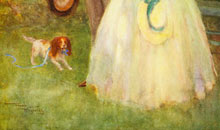
Dickens owned seven dogs, and his all-too-realistic portrayal of Jip, the lapdog of David's love interest Dora Spenlow, bears this out. Like so many spoiled spaniels, Jip is a little dog with big aspirations. Constantly vying for attention when he's on the page, Jip repeatedly foils his rival's romantic plans, threatens mutts in the street from his cosy balcony, and "must have a mutton-chop every day at twelve, or he'll die". Despite this, his casual abuse at the hands of the childish Dora, and his sheer malicious inventiveness, secure our sympathy. On behalf of all tyrannical canine rats, click here.