Shopping for a non-toxic coffee maker is a smart move, but it can be surprisingly complex. Experts have reassured me that most quality brewers are safe when used correctly. However, as soon as durable materials like glass or stainless steel are replaced with lighter, cheaper plastics, there’s reason for concern.
Medical toxicologist, Kelly Johnson-Arbor, explains, 'Plastics in even the best coffee makers can contain potentially dangerous chemicals, including BPA and PFAS.' These substances can leach when exposed to heat and have been linked to long-term health effects such as reduced fertility (you can read more about this on the FDA website).
To find the best BPA-free and PFAS-free coffee makers, I followed toxicologists' guidance. Alongside my team of coffee experts, we looked for brew paths that avoid contact with plastic, prioritizing high-quality stainless steel and borosilicate glass instead. We also refused to compromise on taste or ease of use.
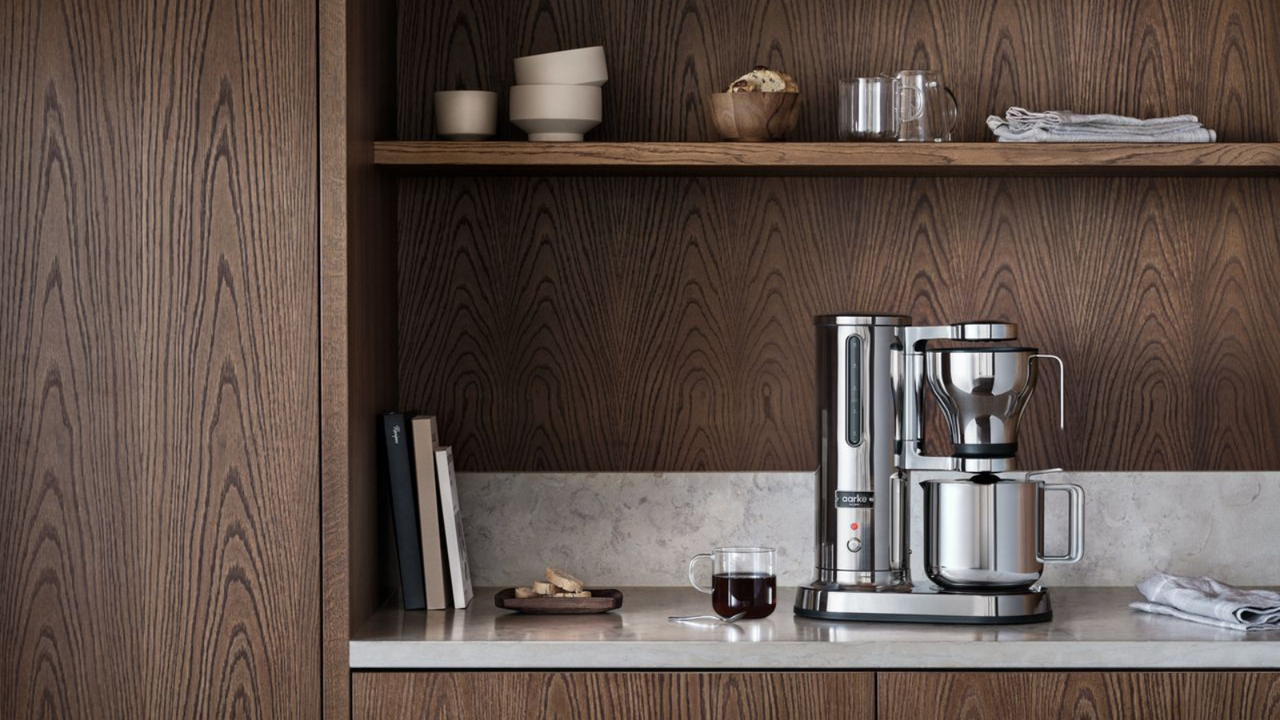
We had more luck with manual brewers – such as French presses and pour-overs – which are often made from just one or two clean materials. We also had success with BPA-free drip coffee machines – and the Aarke Drip Coffee Maker came out top, with a five-star rating that's hard to argue with.
The Quick List
These were the best non-toxic coffee makers from our team tests. If you would like more information, we also have an article where medical experts answered our question, ‘Are coffee makers toxic?'
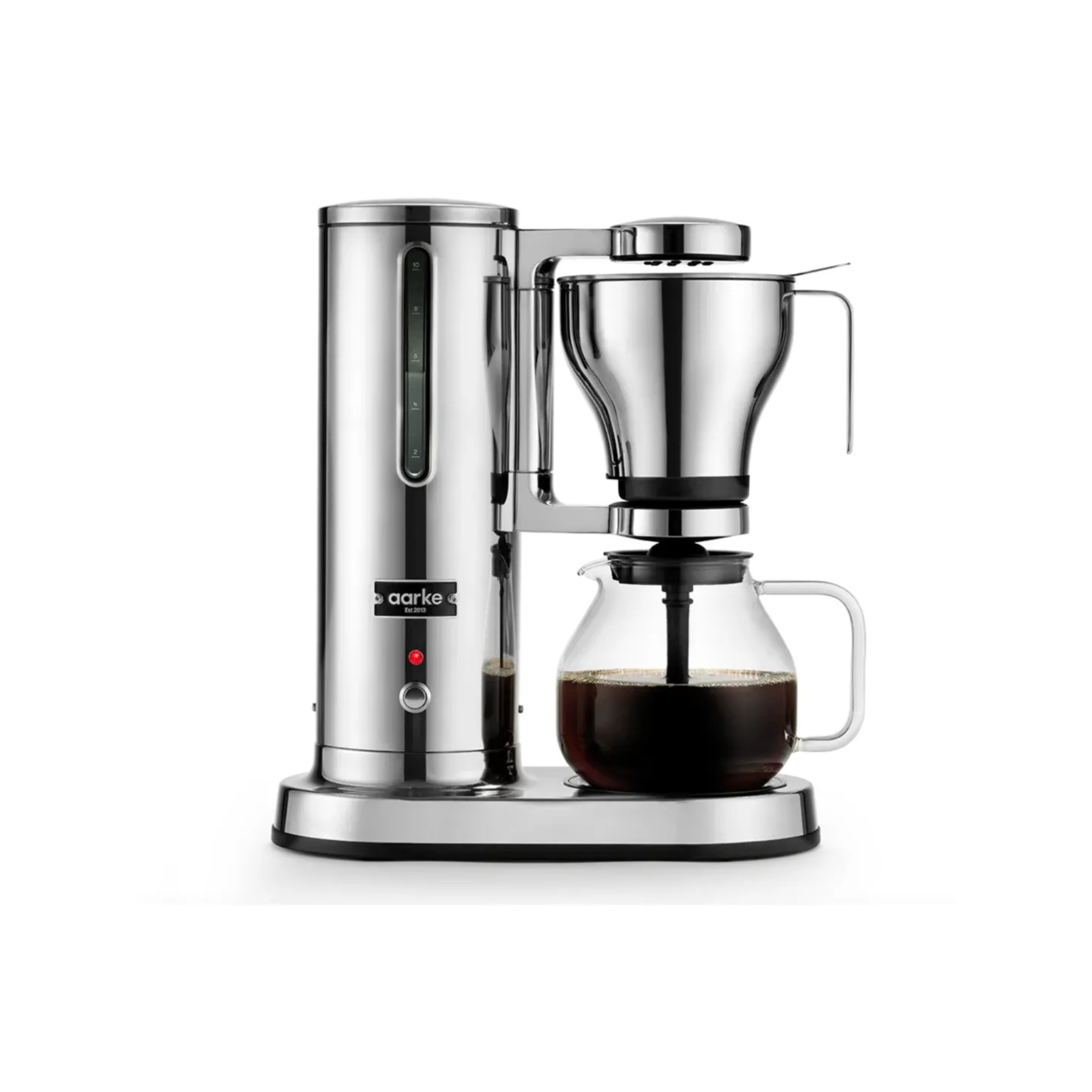
With 10-cup capacity, this is a sleek machine made of stainless steel and glass. Ideal for serving quality drip coffee for the whole family or guests. It is large and luxurious.
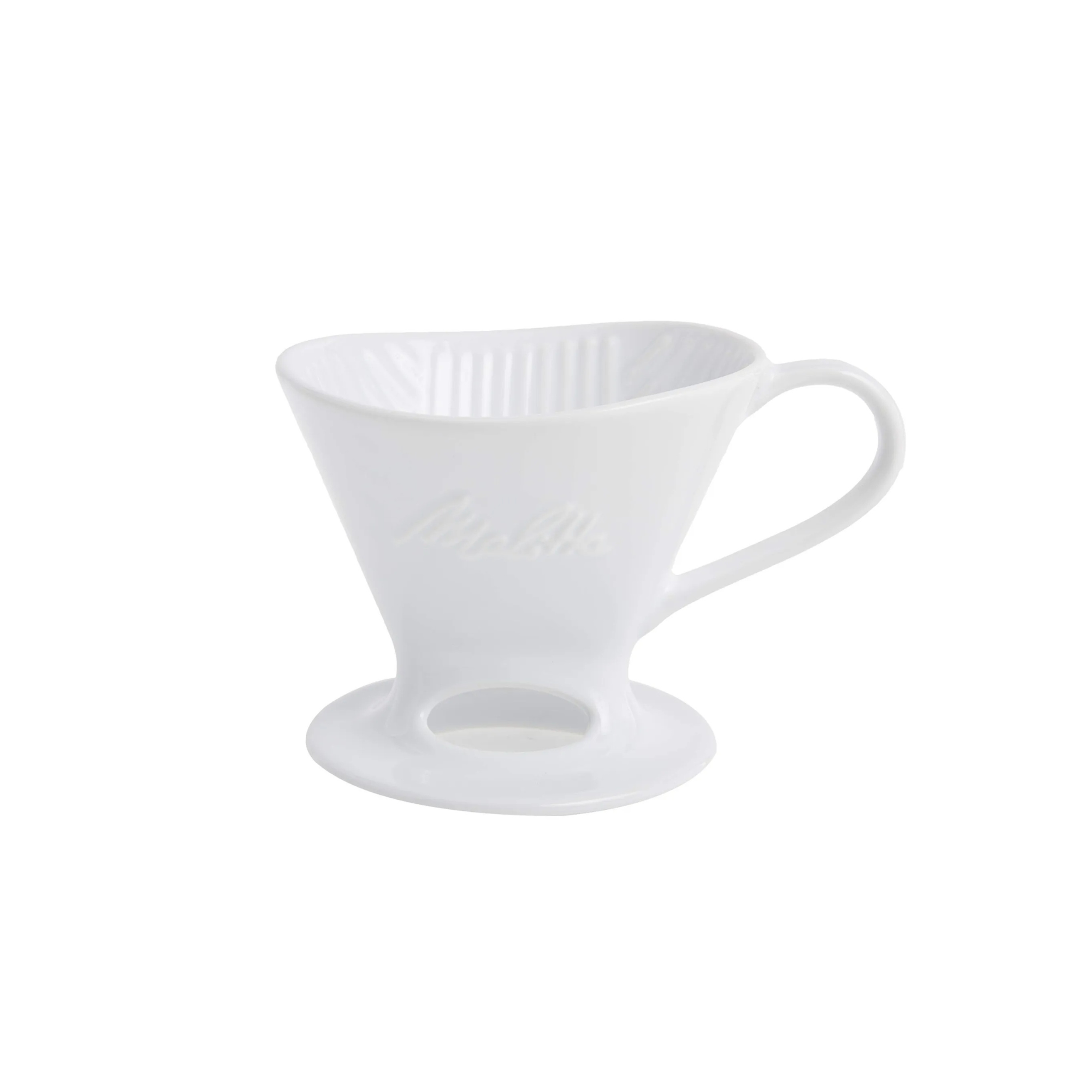
This pour-over is around $20, yet it is made from high-quality porcelain and no plastics. You're limited to making one cup at a time, but it's easy to use and makes a smooth coffee.
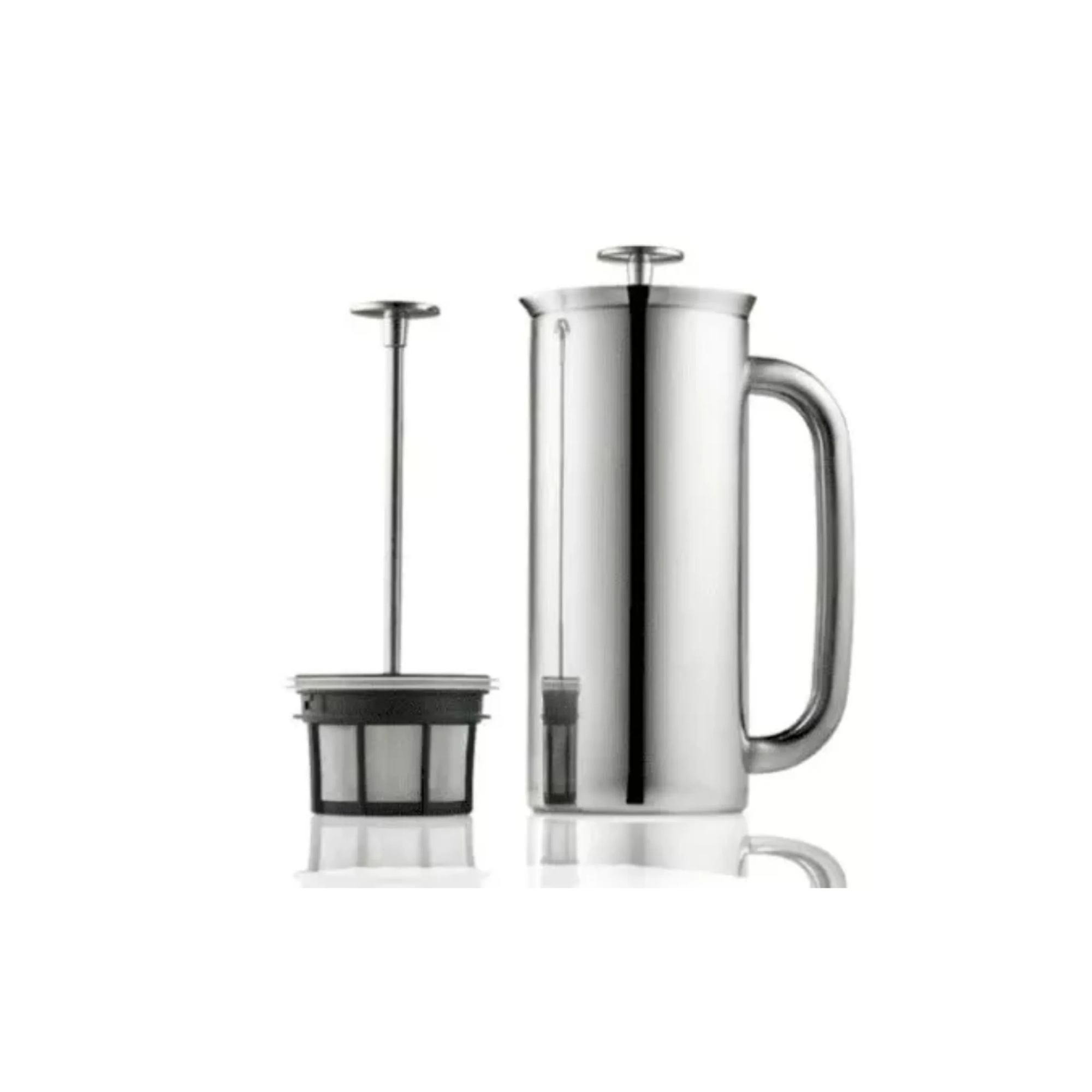
This is the best stainless steel coffee maker money can buy. It is crafted from premium, durable, double-walled steel that keeps your coffee warm for hours
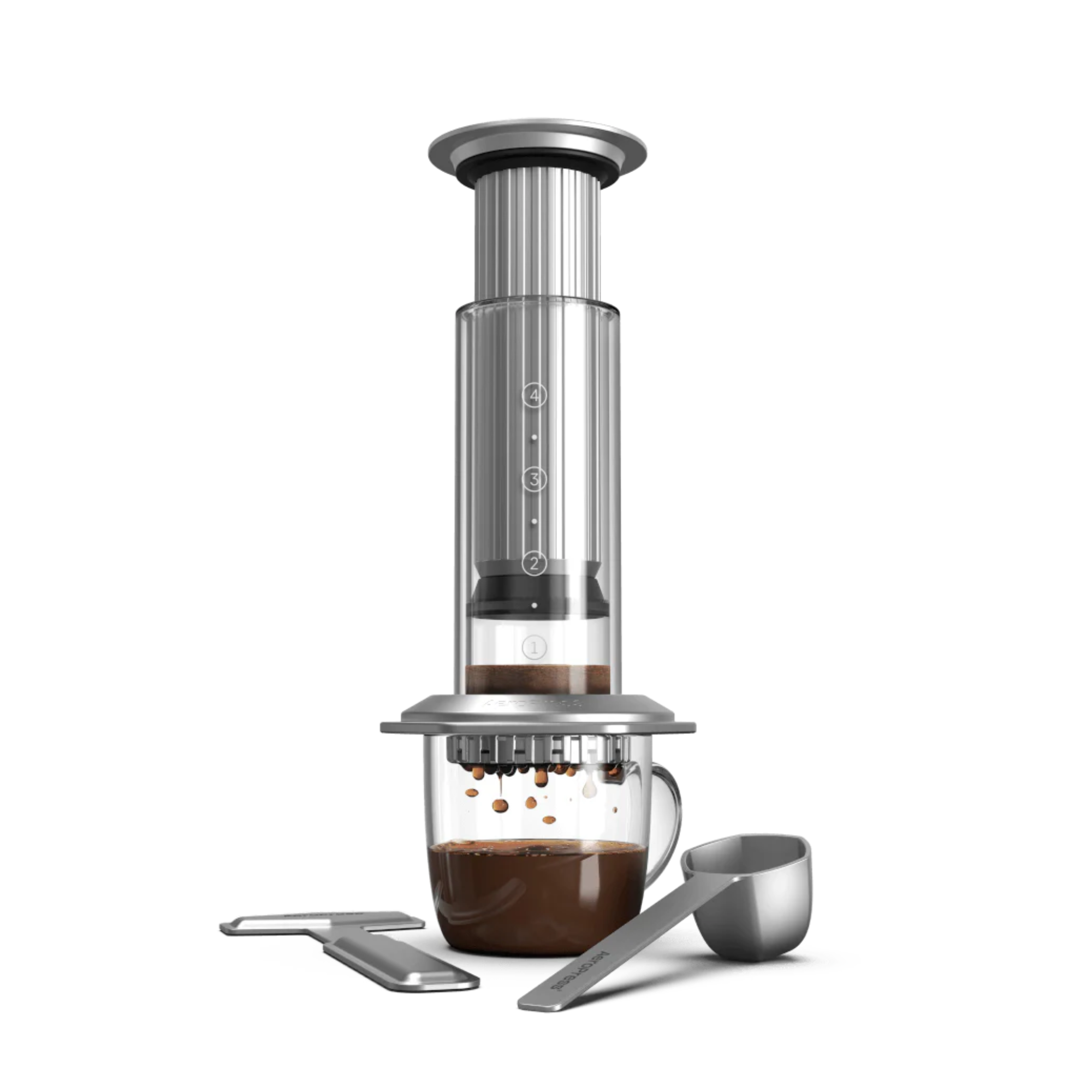
My personal favorite. The Aeropress Premium is made of high-quality borosilicate glass, with a stainless steel filter. It is easy to use and even simpler to clean, but it only makes enough coffee for one person.
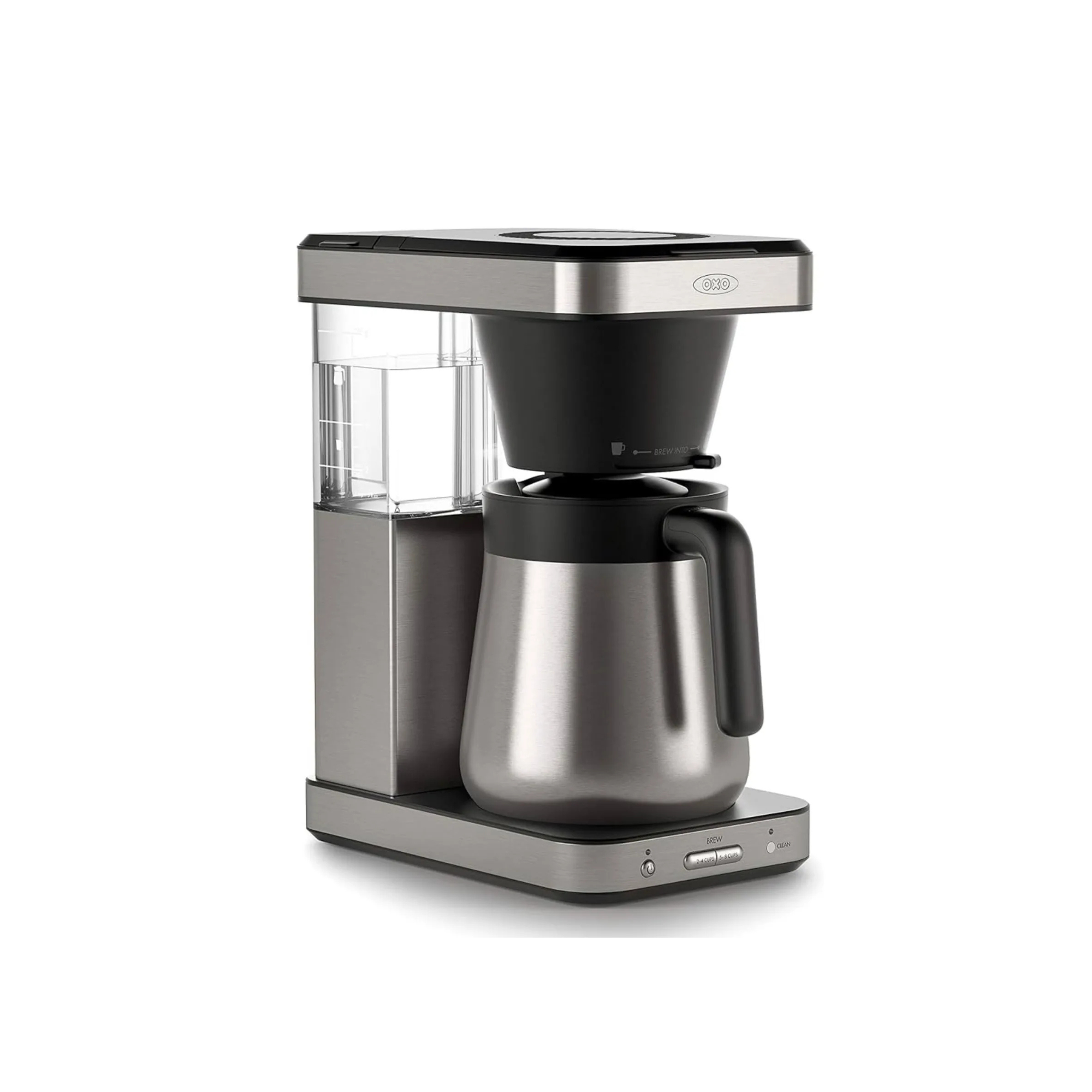
A balance of high-quality coffee, affordability, and non-toxic materials (stainless steel and BPA-free plastic). It's SCA-certified for brewing great-tasting coffee in under six minutes.
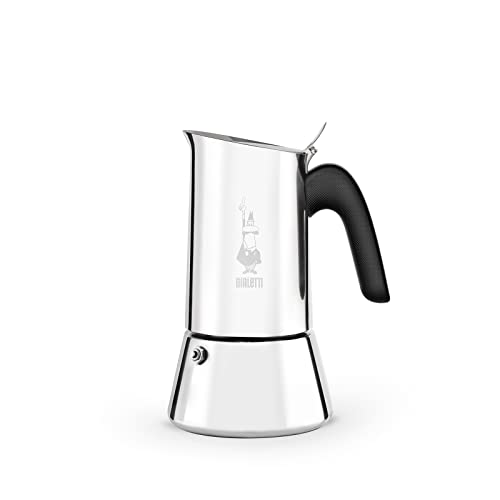
If you love rich, velvety coffee, go for this chic Moka pot. Crafted from stainless steel (instead of the traditional aluminum), this Italian brewer works on both gas and induction stoves.
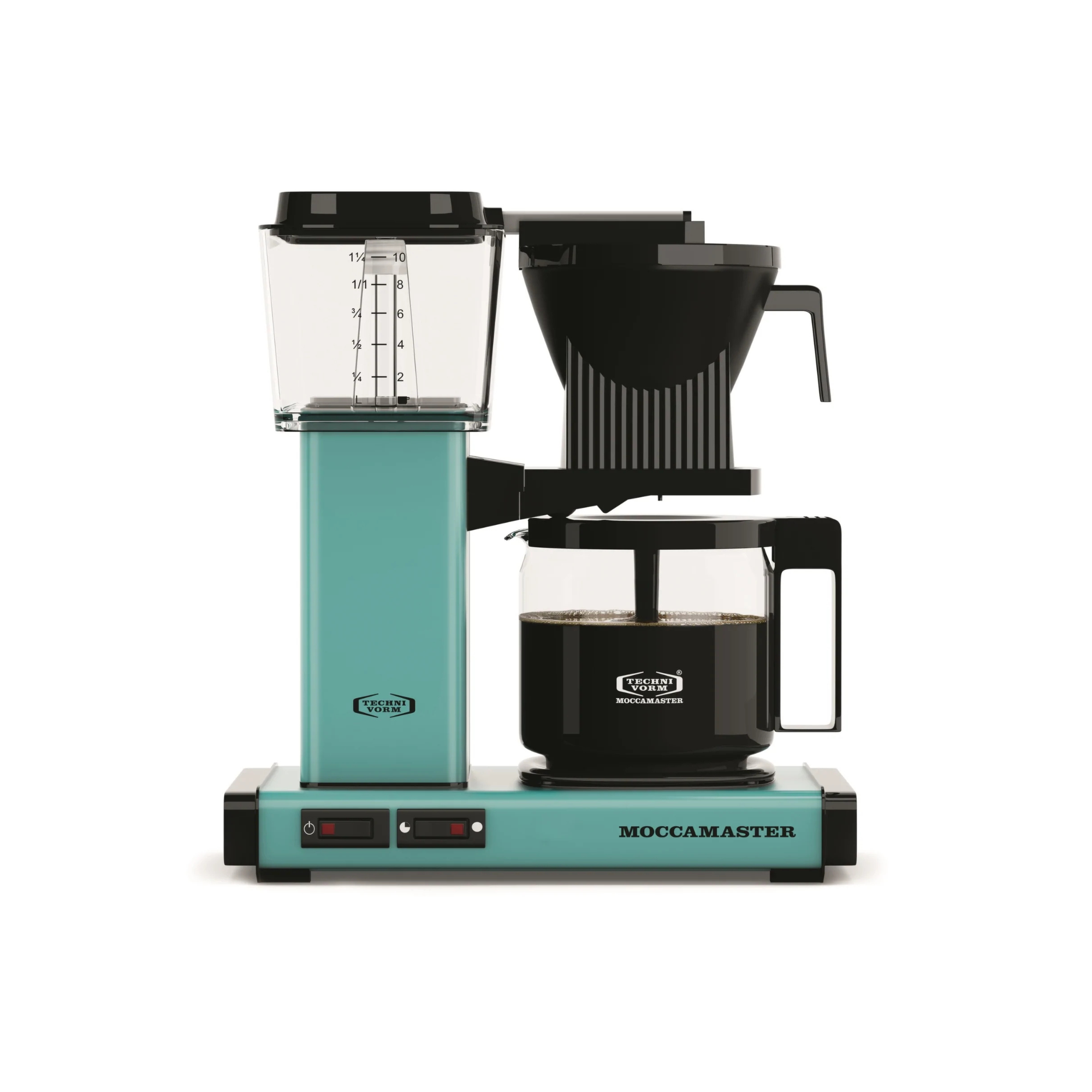
This fun, retro design is handmade in the Netherlands with stainless steel and high-quality plastics that are free from BPA and PFAS. The modular design incorporates recyclable parts, making it easy to repair rather than replace. It has a five-year warranty.
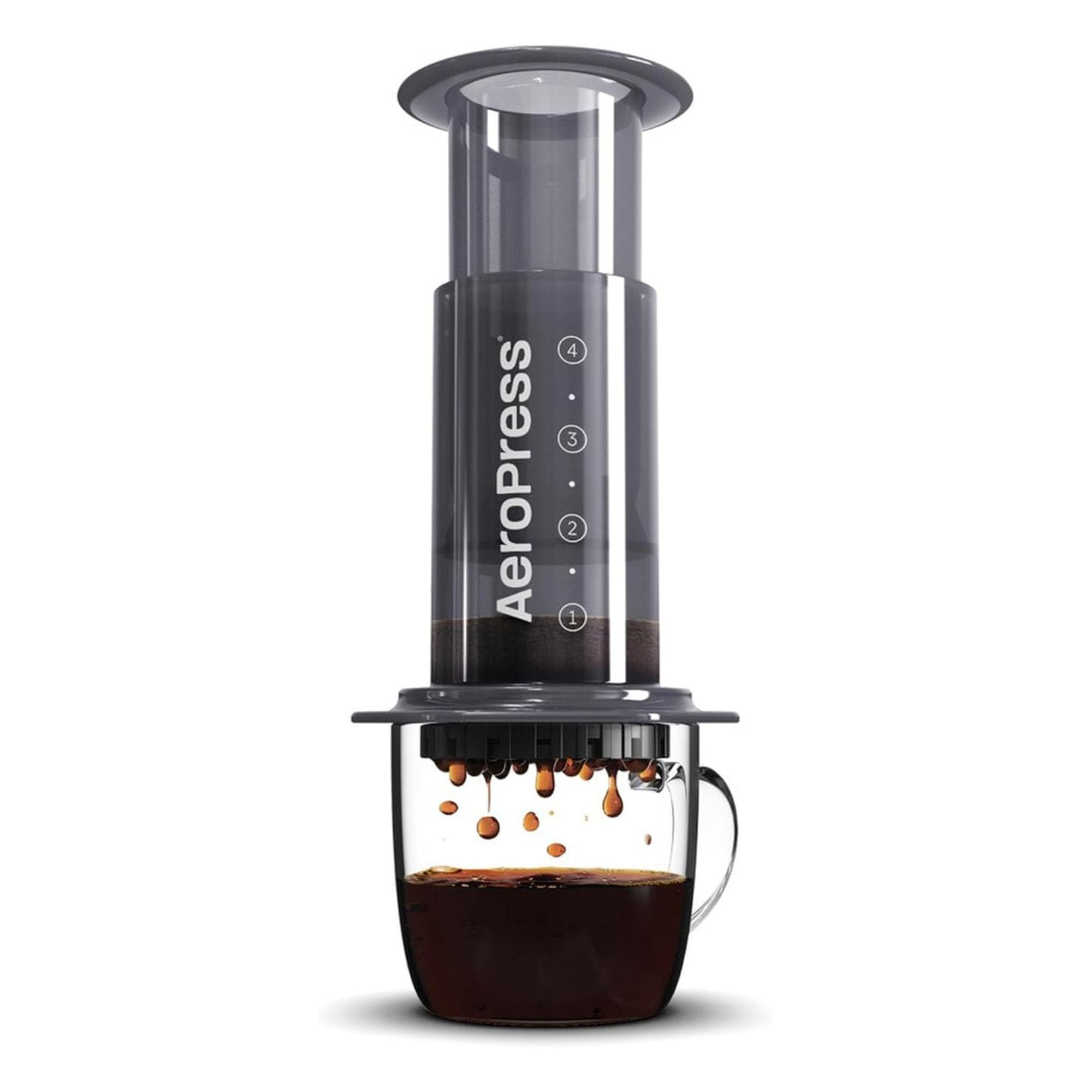
The Aeropress is made from BPA-free plastic, which is hardy and lightweight. It only makes a single serving, but you can take it anywhere – from the office to the airport.
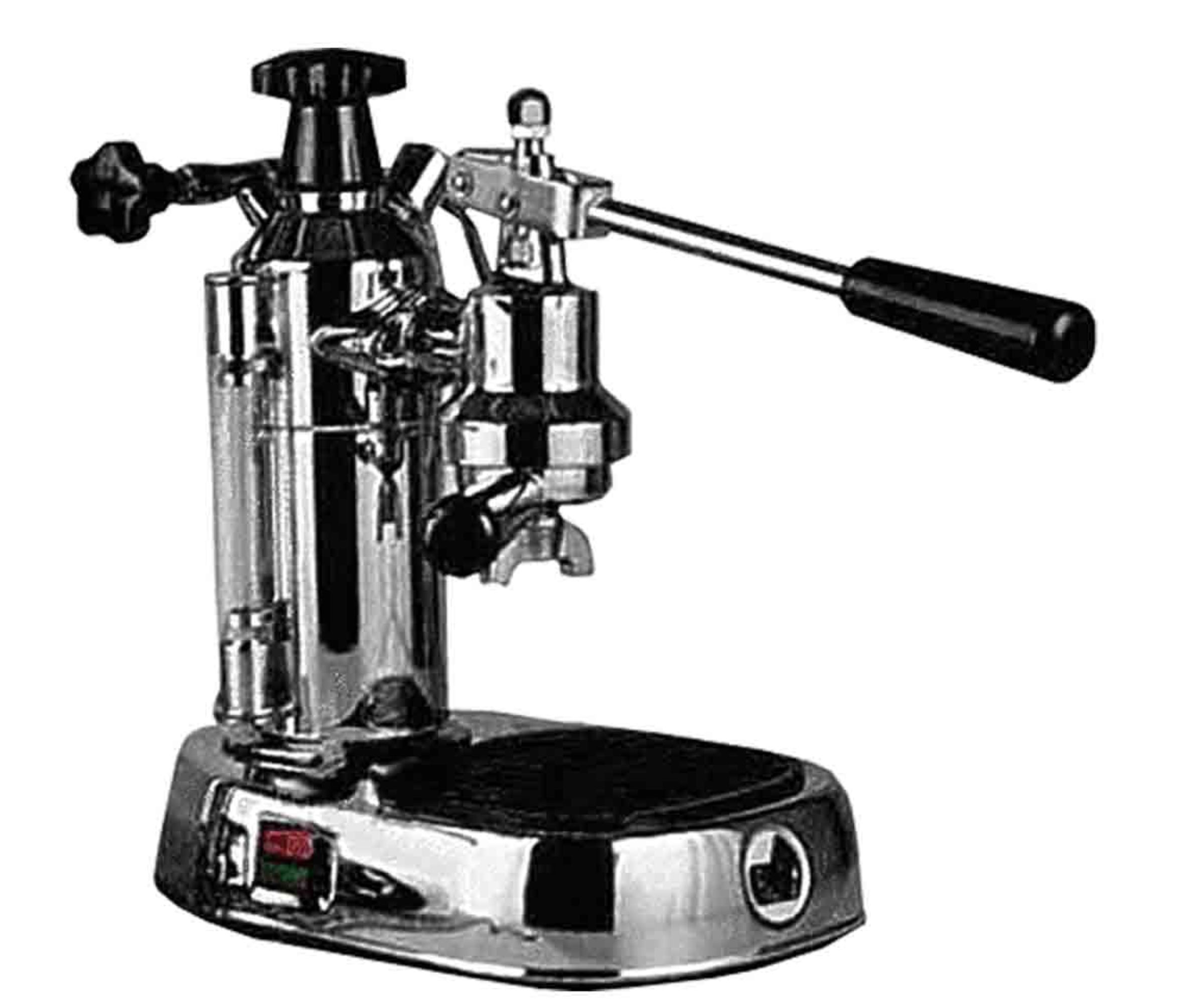
It has proven impossible to find a 100% plastic-free espresso machine, but this comes very close. The heating elements are made of stainless steel; there are a few small non-metallic O-rings and gaskets that hold the parts in place, but the risk of leaching should be minimal.
Comparison At a Glance: Non-Toxic Coffee Makers
Model |
Capacity |
Materials |
Approx. Price |
Best for |
Aarke Drip Coffee Maker |
2-10 cups |
Stainless steel, glass, BPA-free food-grade plastic |
~$400 |
Families who want coffee on tap |
Melitta Pour Over |
1 cup |
Porcelain |
~$25 |
Budget shoppers |
Espro P7 |
4 cups |
Stainless steel |
~$120 |
French press lovers |
Aeropress Premium |
1 cup |
Glass, stainless steel, BPA-free silicone, anodized aluminum |
~$200 |
Plastic haters who want single-serve |
OXO 8-Cup Drip Coffee Maker |
8 cups (larger models available) |
Stainless steel, BPA-free plastic |
~$220 |
Everyday drip coffee drinkers |
Bialetti Venus |
4-10 cup models available |
Stainless steel, food-safe silicone gasket |
~$55 |
Italian-style coffee enthusiasts |
Aeropress Original |
1 cup |
BPA-free plastic |
~$35 |
Office / college / airport coffee drinkers |
Technivorm Moccamaster KBGV Select |
10 cups |
Glass, stainless steel, BPA-free plastics, copper |
~$360 |
Retro design lovers |
La Pavoni Professional |
1 -2 cups |
Brass & stainless steel |
$1,500 |
Espresso purists |
Best non-toxic coffee makers 2025
Best overall
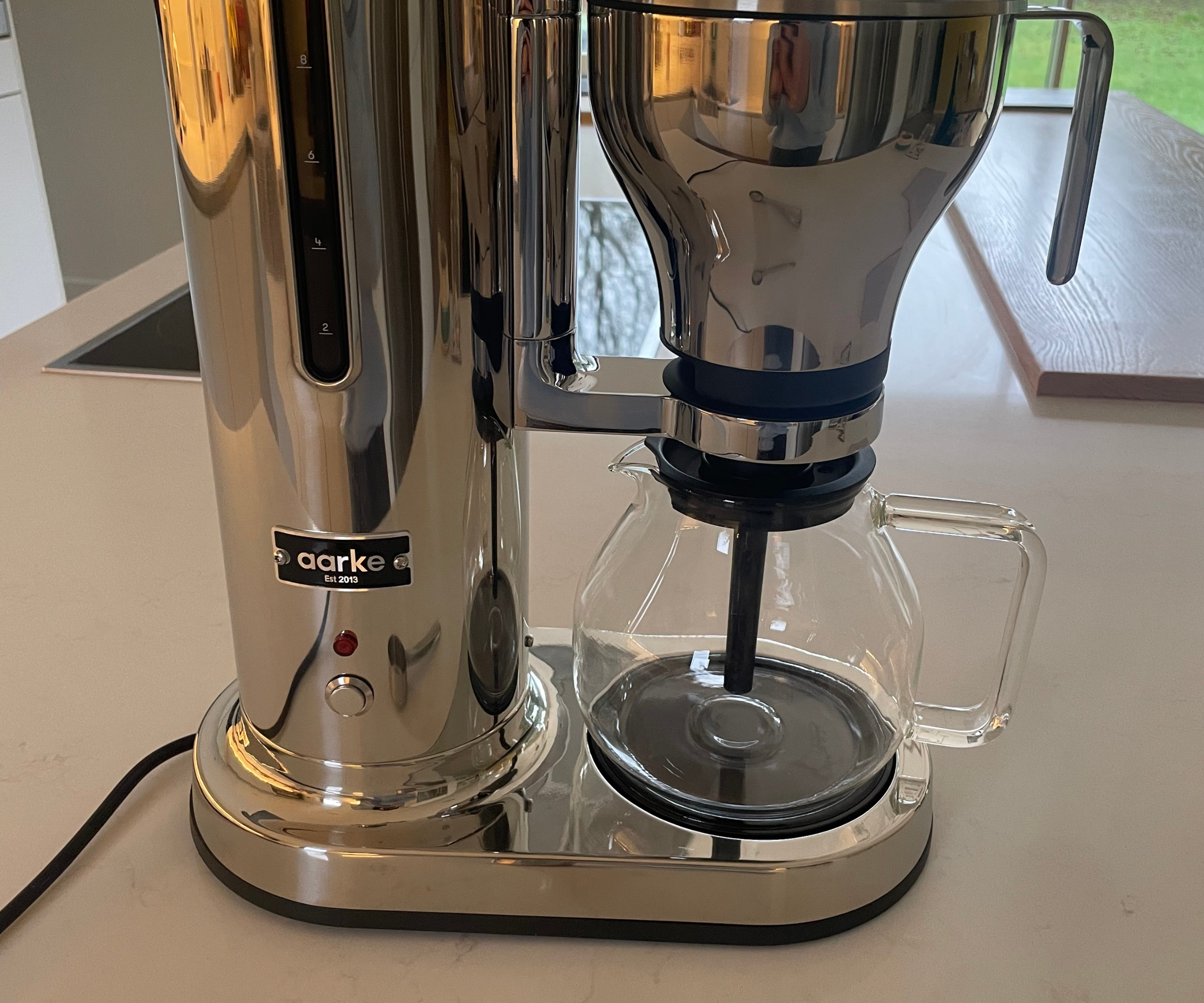
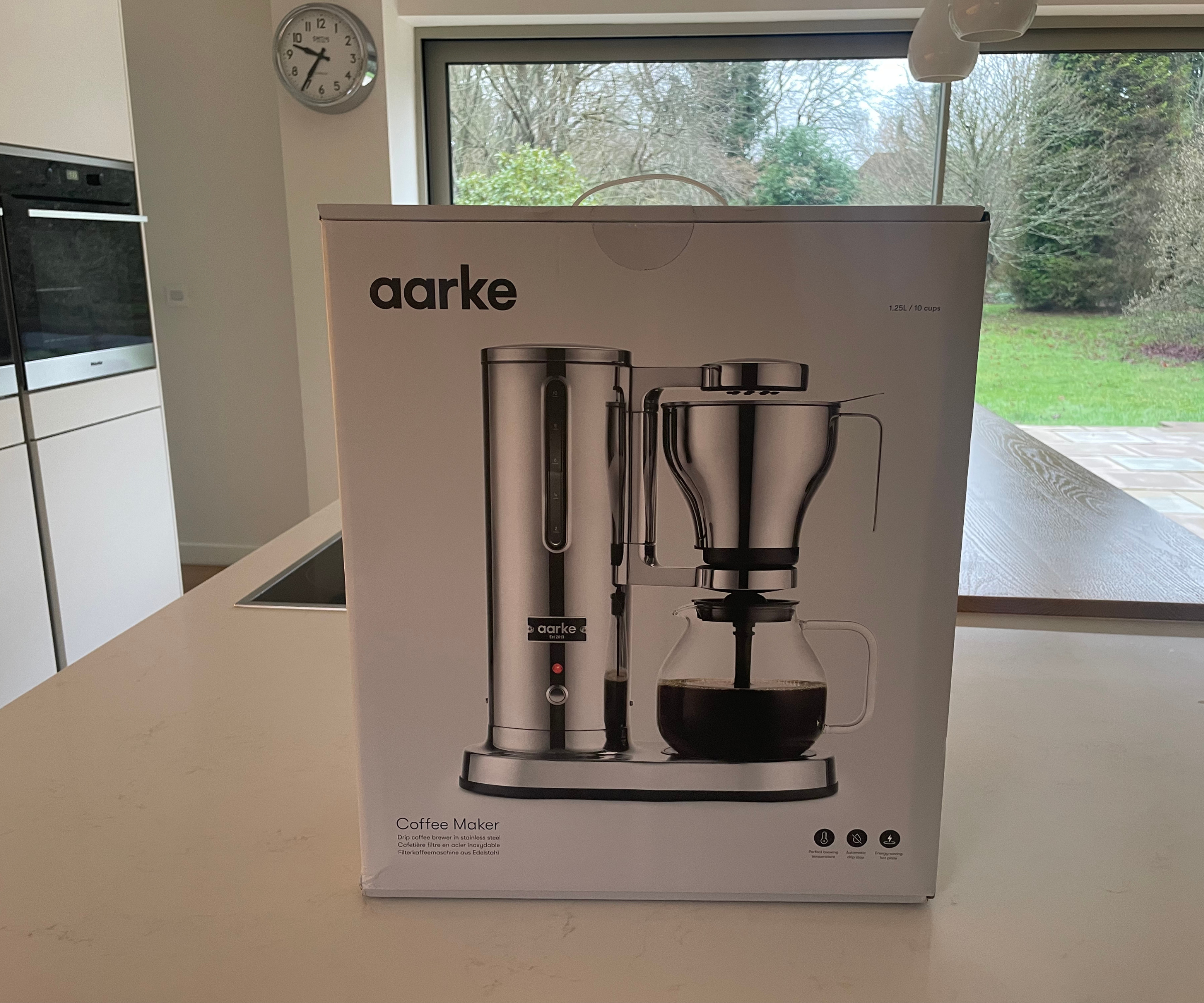
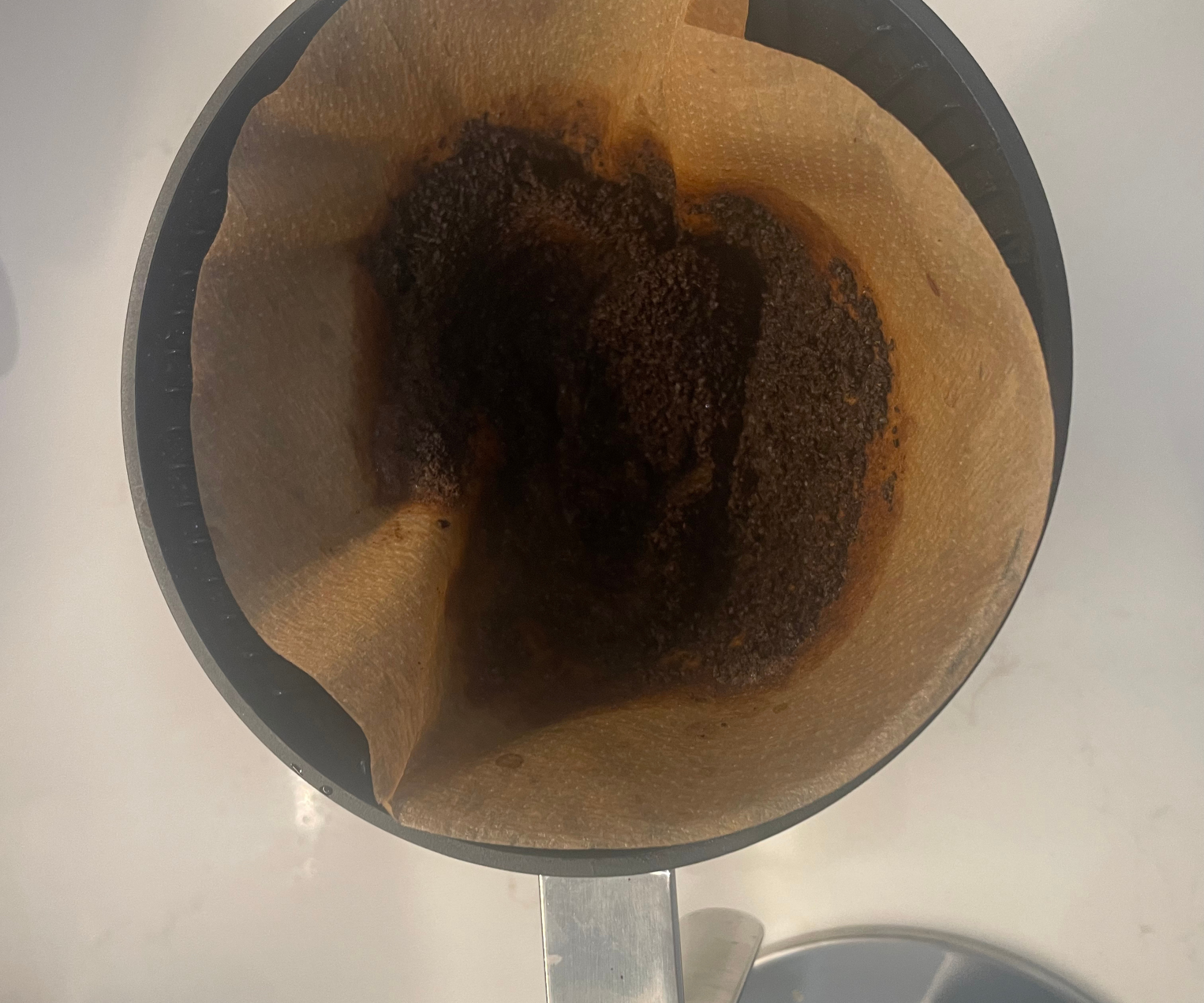
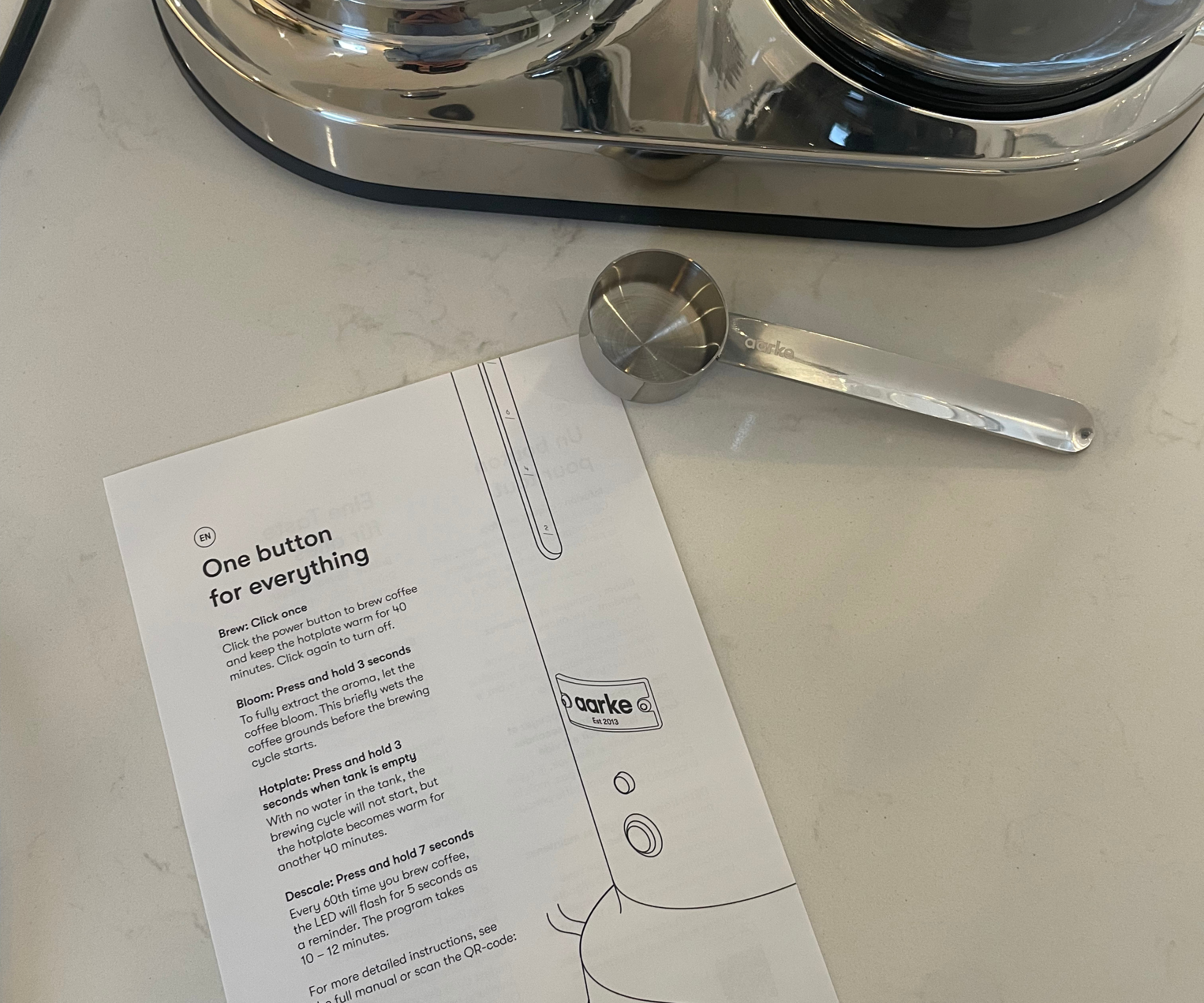
What makes it non-toxic? With a brew journey crafted from premium stainless steel and glass, the Aarke Coffee Maker exudes elegance and durability.
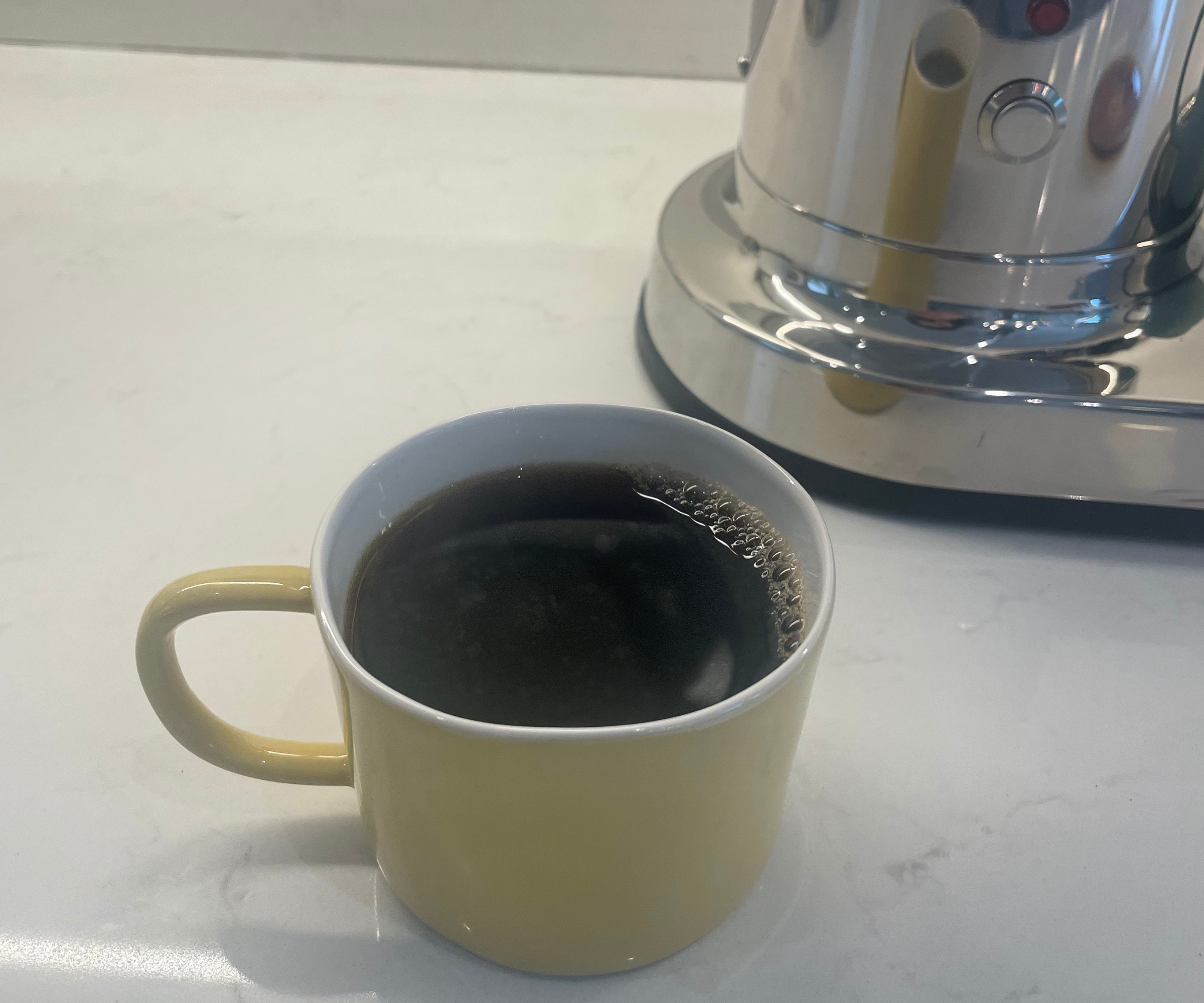
Why we like it: The Aarke offers a serene, almost meditative brewing experience – and the taste is spot-on. There's a professional-grade boiler that adjusts the brewing temperature based on the number of cups being made, so you'll receive optimal flavor extraction no matter how much you're brewing.
When testing, I made a full carafe in under six minutes. It serves ten people at once, and the hot plate keeps the coffee warm, so you can drink multiple cups throughout the day. These factors combined mean that this model achieves the SCA's Golden Cup standard.
Cleaning this coffee maker is also very simple. The filter is easy to remove, so you can rinse the cone. The glass carafe is actually dishwasher-safe, but it's easy to hand-wash and dry as well.
What we didn't like: One drawback is the sheer size of this machine – it’s a statement piece that will need to remain on the countertop year-round. You should also consider the high price tag. It's certainly beautiful, premium, and designed for longevity, but if you're looking for coffee on a budget, you should look to the other models in this guide.
Ideal for: Family kitchens, design lovers, and frequent hosts.
Read more in our Aarke Drip Coffee Maker review
Best Budget
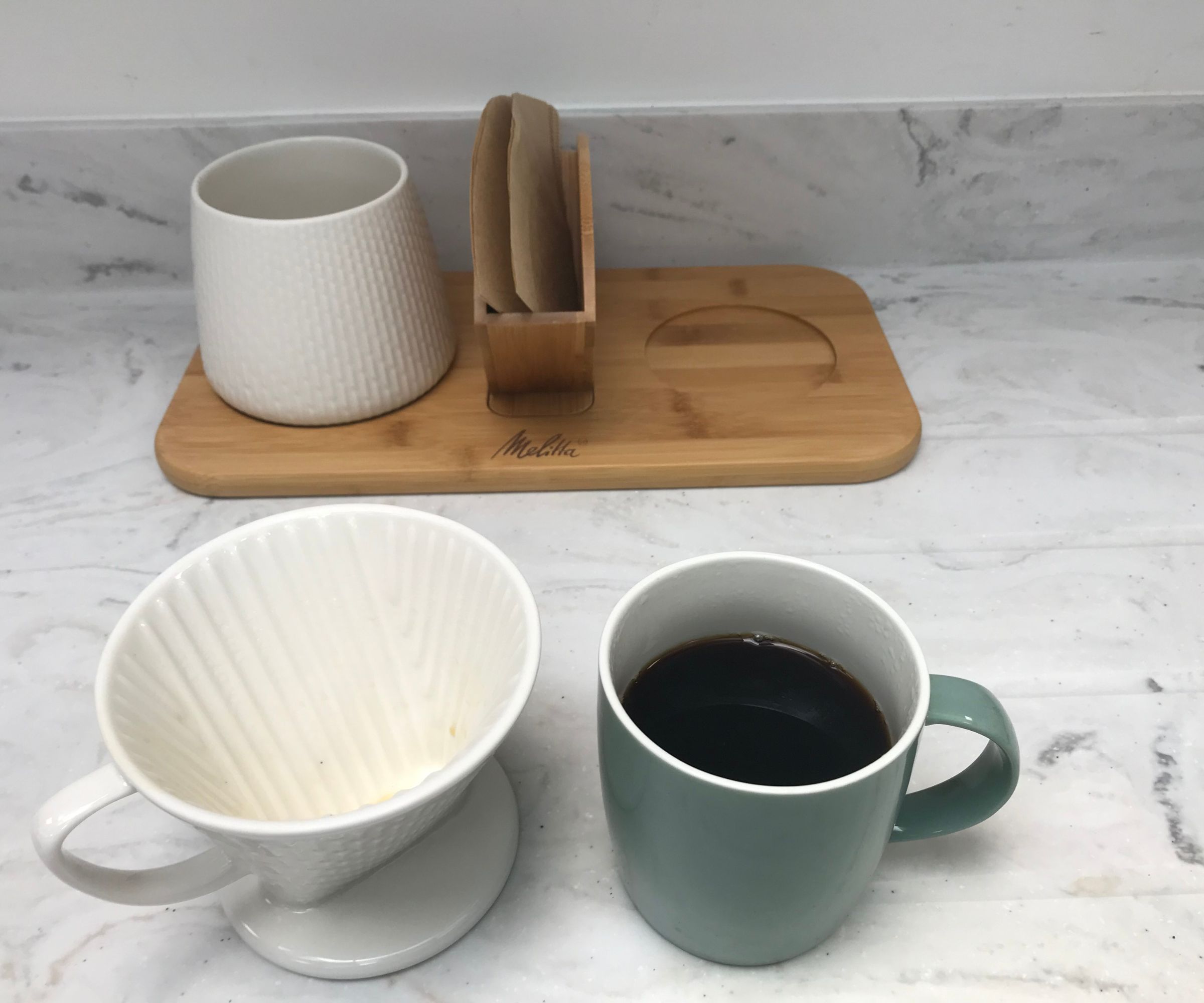
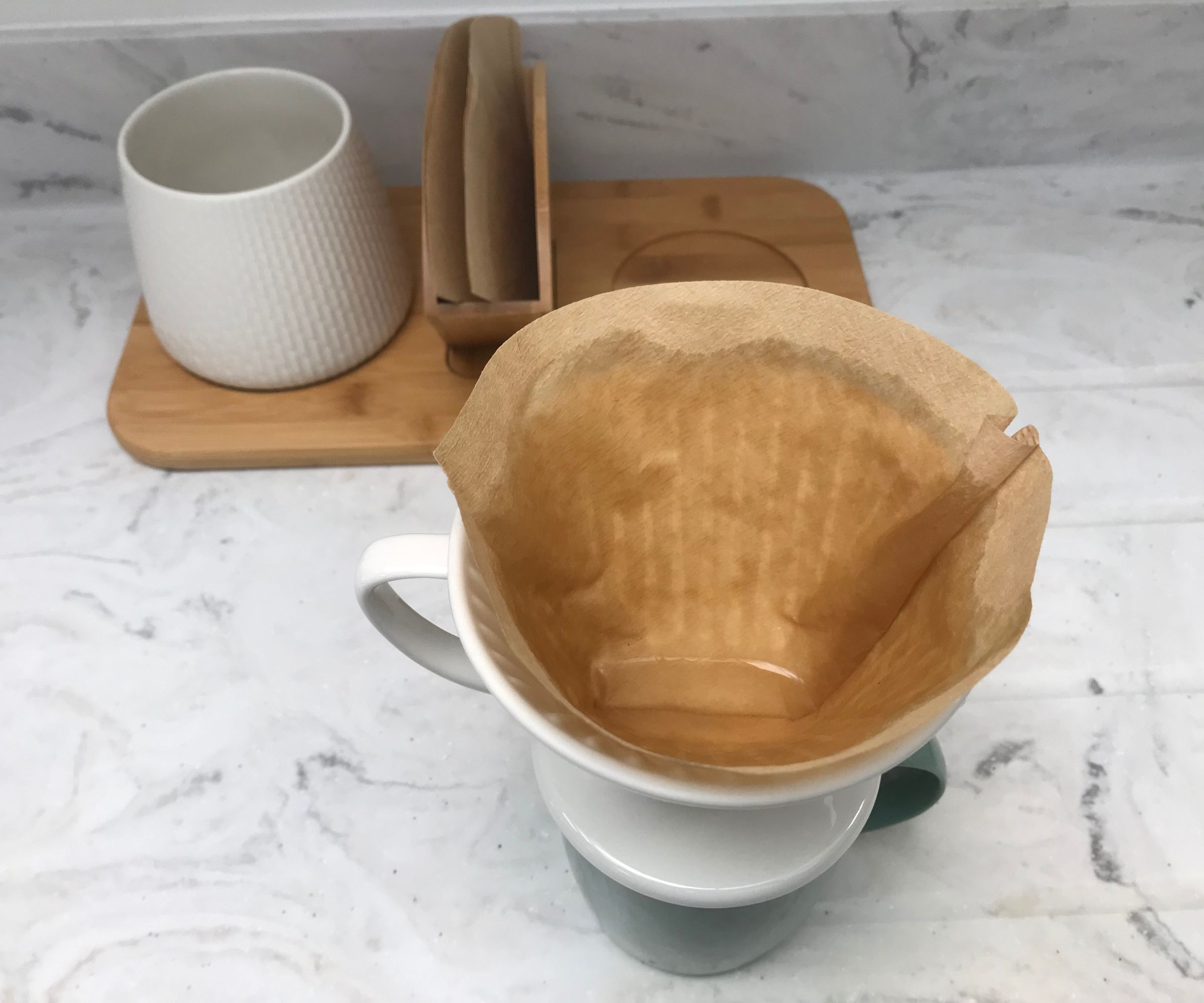
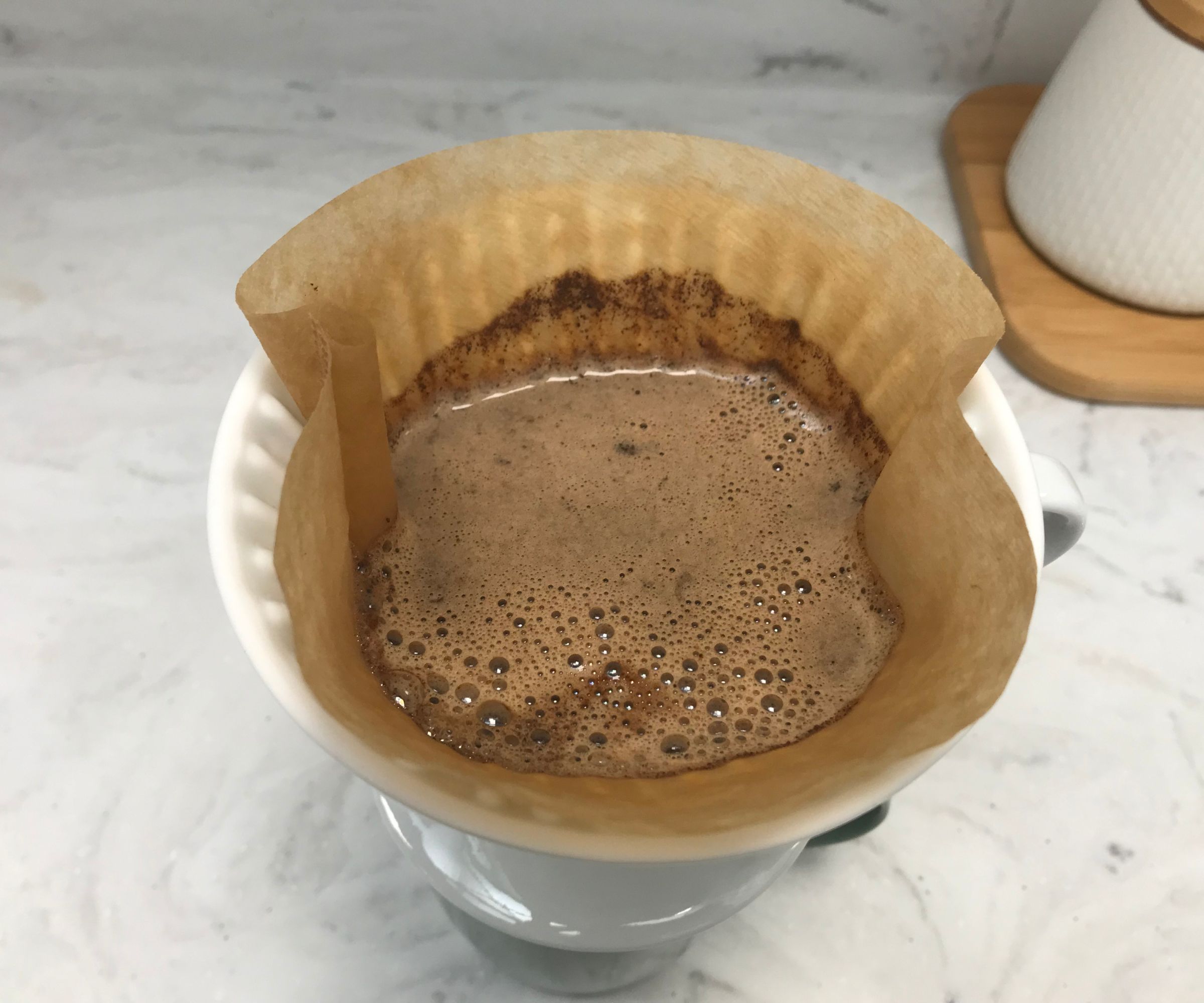
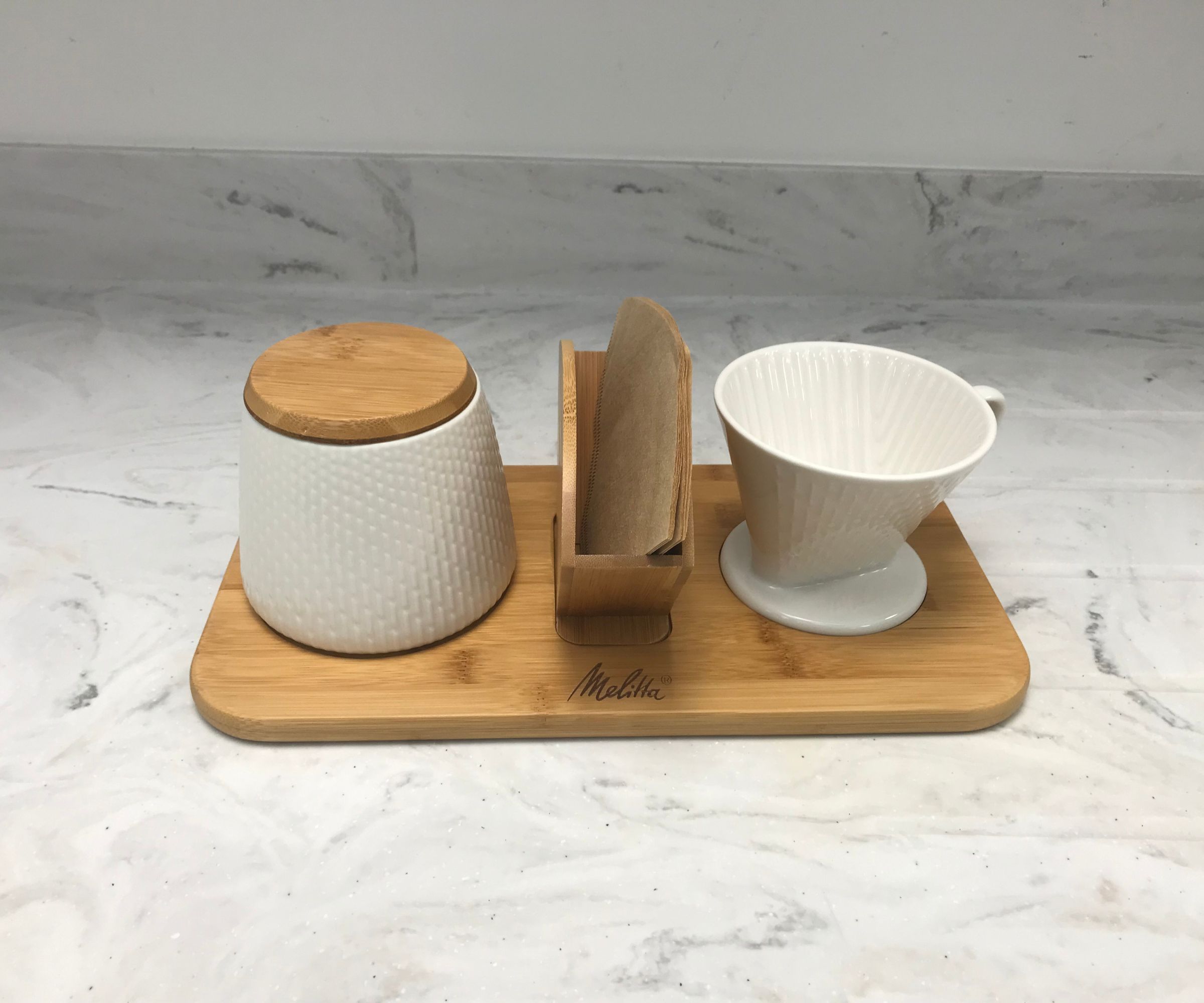
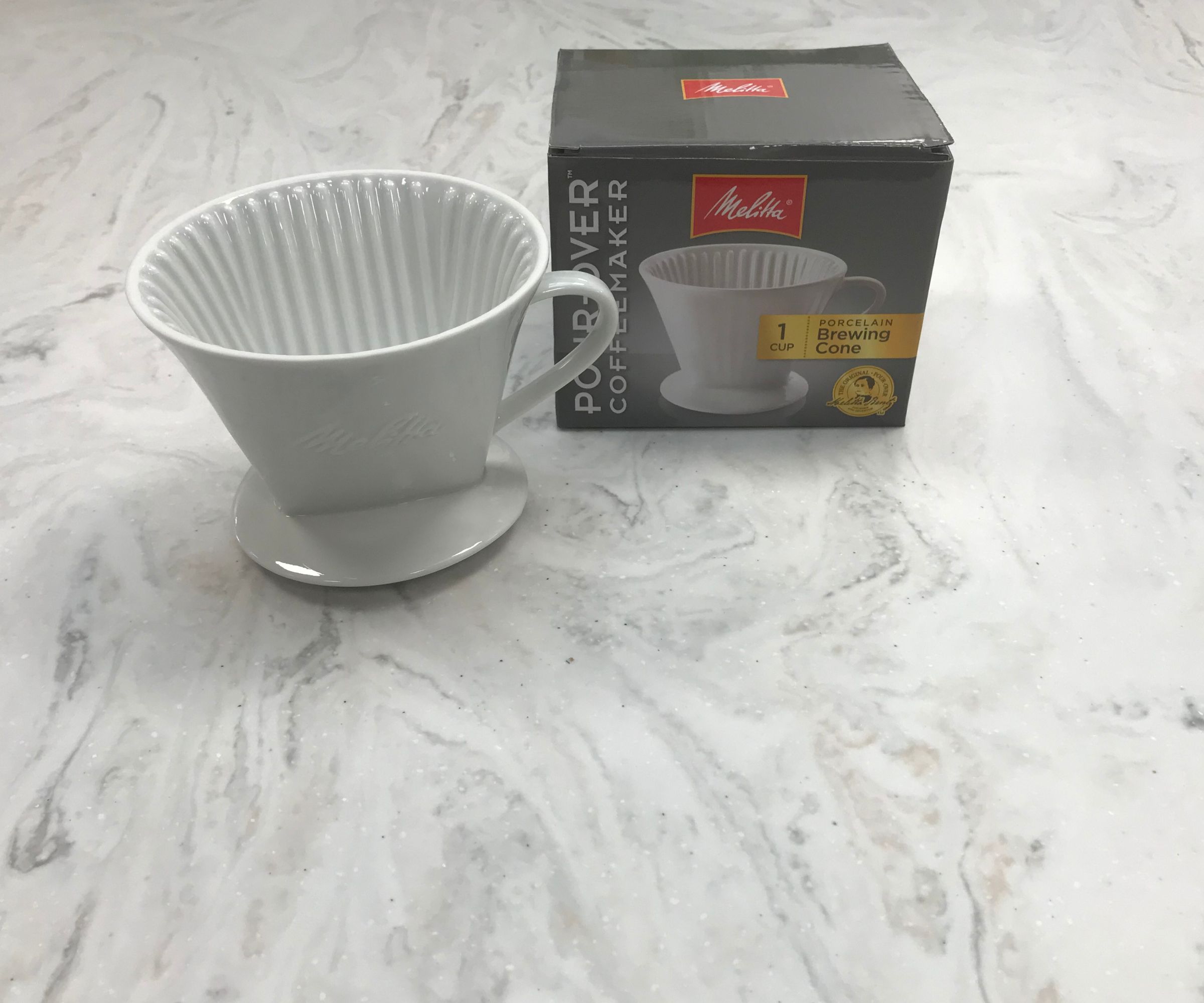
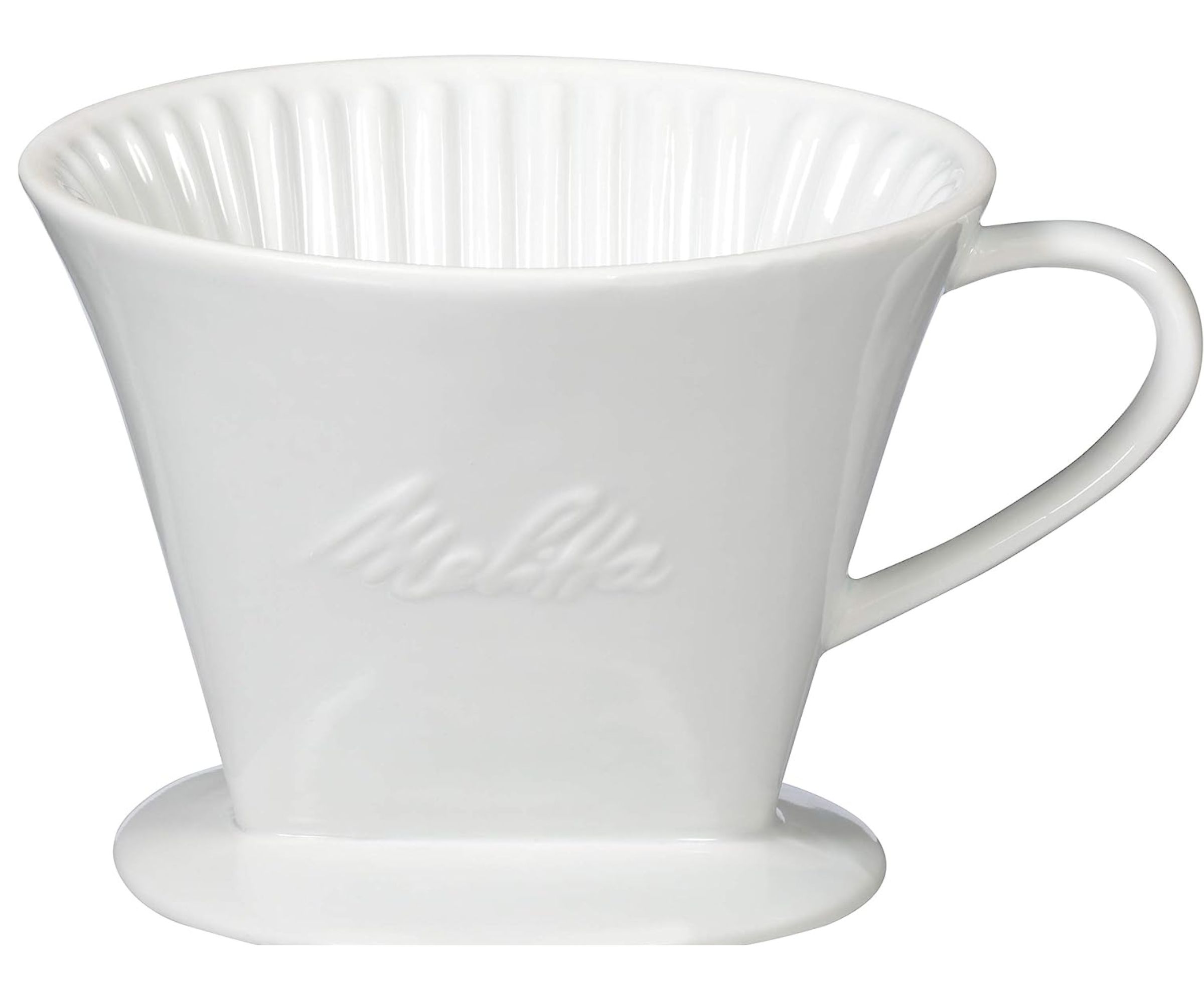
What makes it non-toxic? Unlike plastic pour-overs, the Melitta is made from high-quality porcelain.
Why we like it: Retailing for around $15-20, we're not surprised that this is a popular pour-over. It's inexpensive, but our team agrees that it feels like a premium product.
The Melitta suits a wide range of coffee drinkers, since it makes clean, crisp, and light coffee which suits most tastes. If you tend to make one coffee at a time, a single-cup pour over is perfect. Plus, it doesn't dominate your kitchen, since it's pretty tiny.
What we didn't like: The Melitta only has one drain hole, as opposed to three, so if you aren't a careful pourer, you might over-brew your coffee. Also, if you're in a hurry and you need to batch brew more coffee, this will take too long, because you need to pour your water over the coffee very specifically – and of course, you can only brew one cup at a time.
If you need to brew a batch for a crowd, I think you'll prefer the drip coffee options on this list, like the OXO 8-Cup or the more premium Aarke. However, if you simply don't want to spend a fortune on a non-toxic coffee maker, the Melitta is a winner.
Ideal for: People who enjoy slow, mindful brewing and want an affordable, non-toxic solution.
Best Stainless Steel
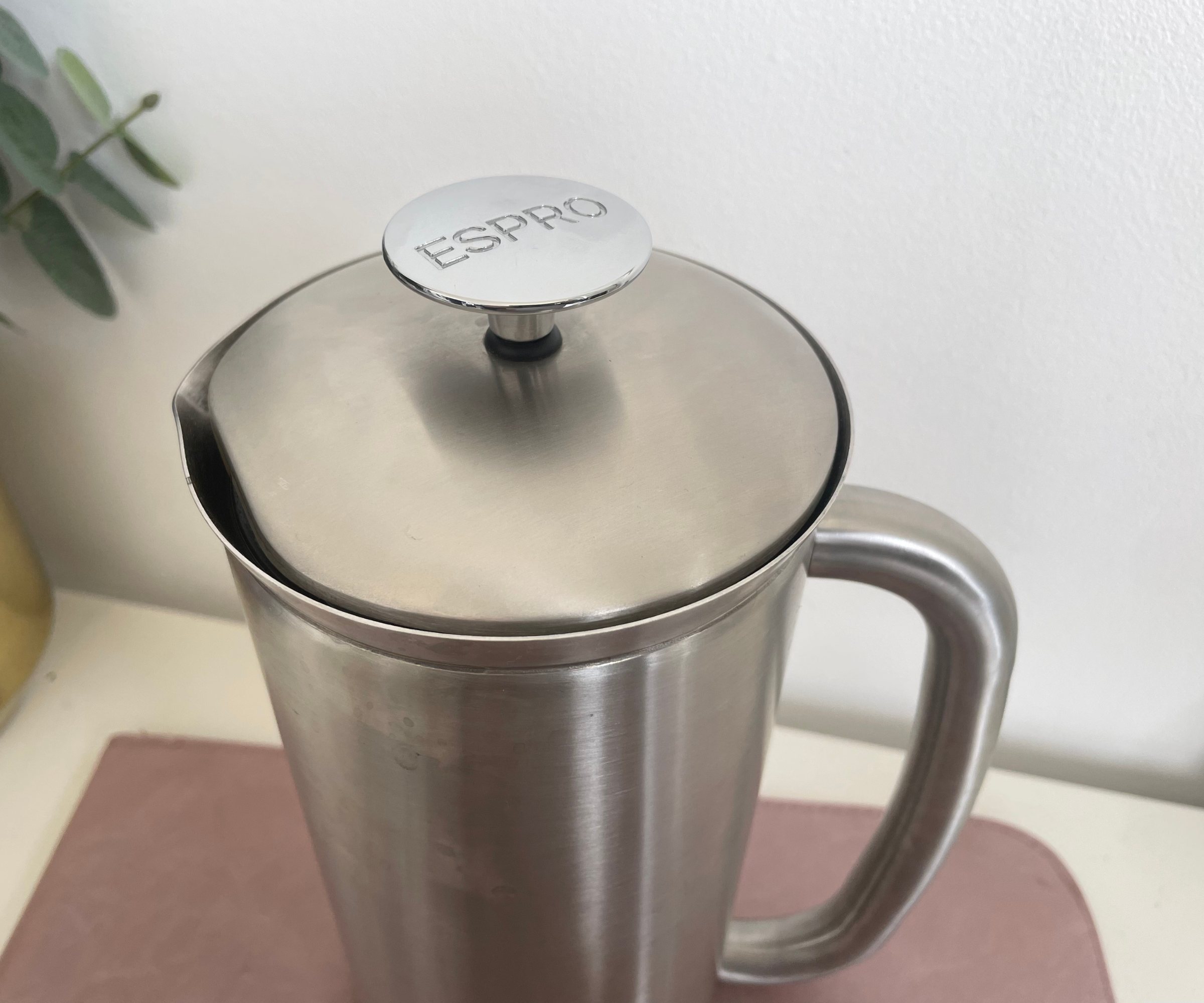
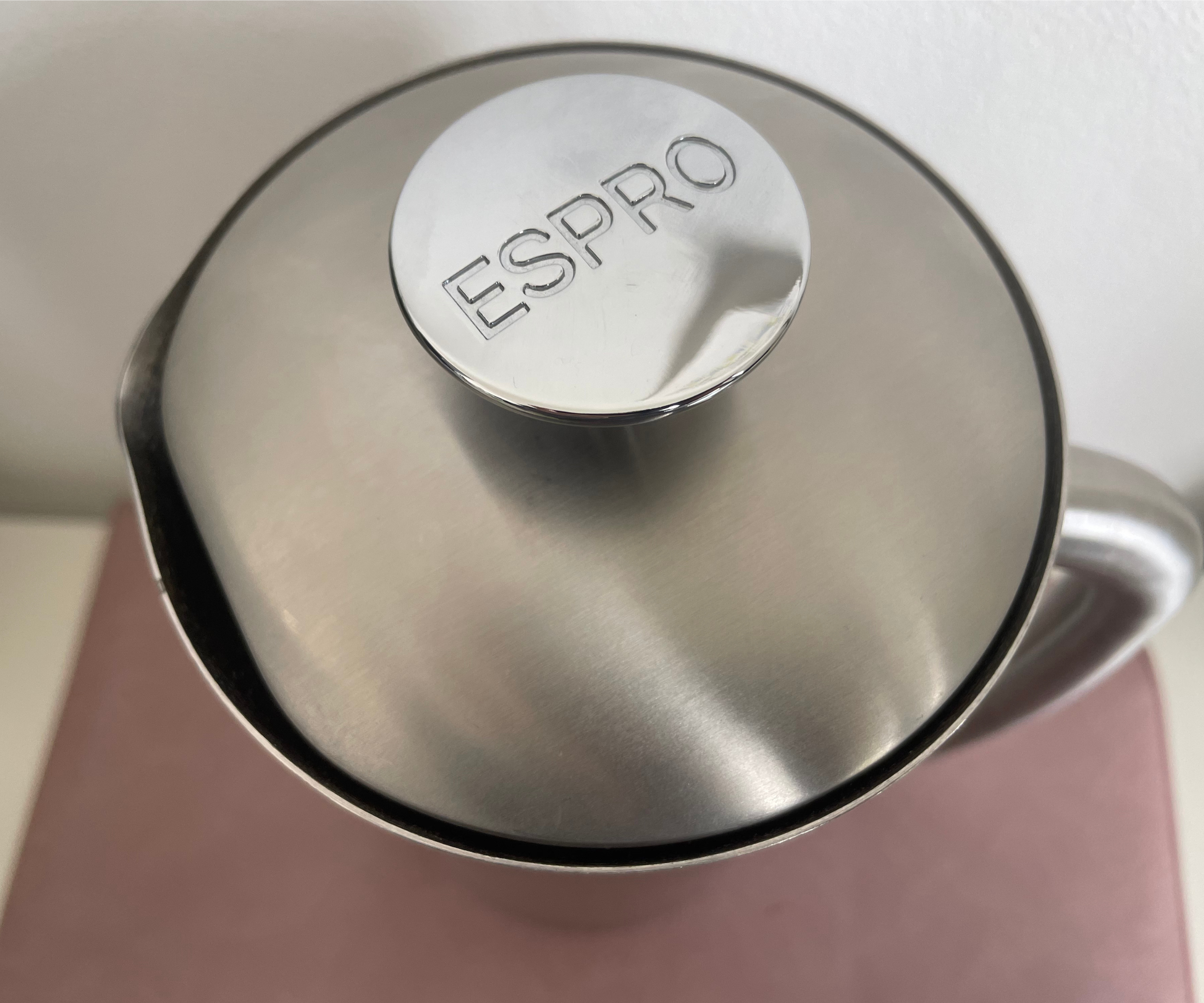
What makes it non-toxic? The Espro P7 is crafted from high-quality, safe and durable stainless steel. On the brand website, it is marked as: BPA, BPS, Phthalate-free.
Why we like it: There’s no question: Espro makes the best French press on the market. As a team, we’ve tested dozens of models, and the Espro consistently delivered a deliciously rich, grit-free cup every time. The two-stage filtration system and ultra-tight seal stood out to us in the tests. It completely eliminates sediment, giving you nothing but smooth, full-bodied coffee with every pour. We also made an amazing cold brew and homemade fruit teas, too.
We tested the large 32 oz. version, which brews enough to serve a family of four. I actually loved the Espro so much, I took it home from the test kitchen, and now use when I'm working from home. Thanks to its double-wall insulation, the coffee stays warm for hours. If you’re busy or just a bit forgetful, you’ll never come back to a cold carafe.
What we didn't like: The only downside is that the body is stainless steel, not transparent, so you can’t watch the brewing process. But the heat retention and non-toxic credentials are a worthwhile trade-off. It is well worth the investment.
Ideal for: Coffee lovers seeking a premium, durable French press that brews rich, safer coffee and keeps it warm longer.
Best Glass Coffee Maker

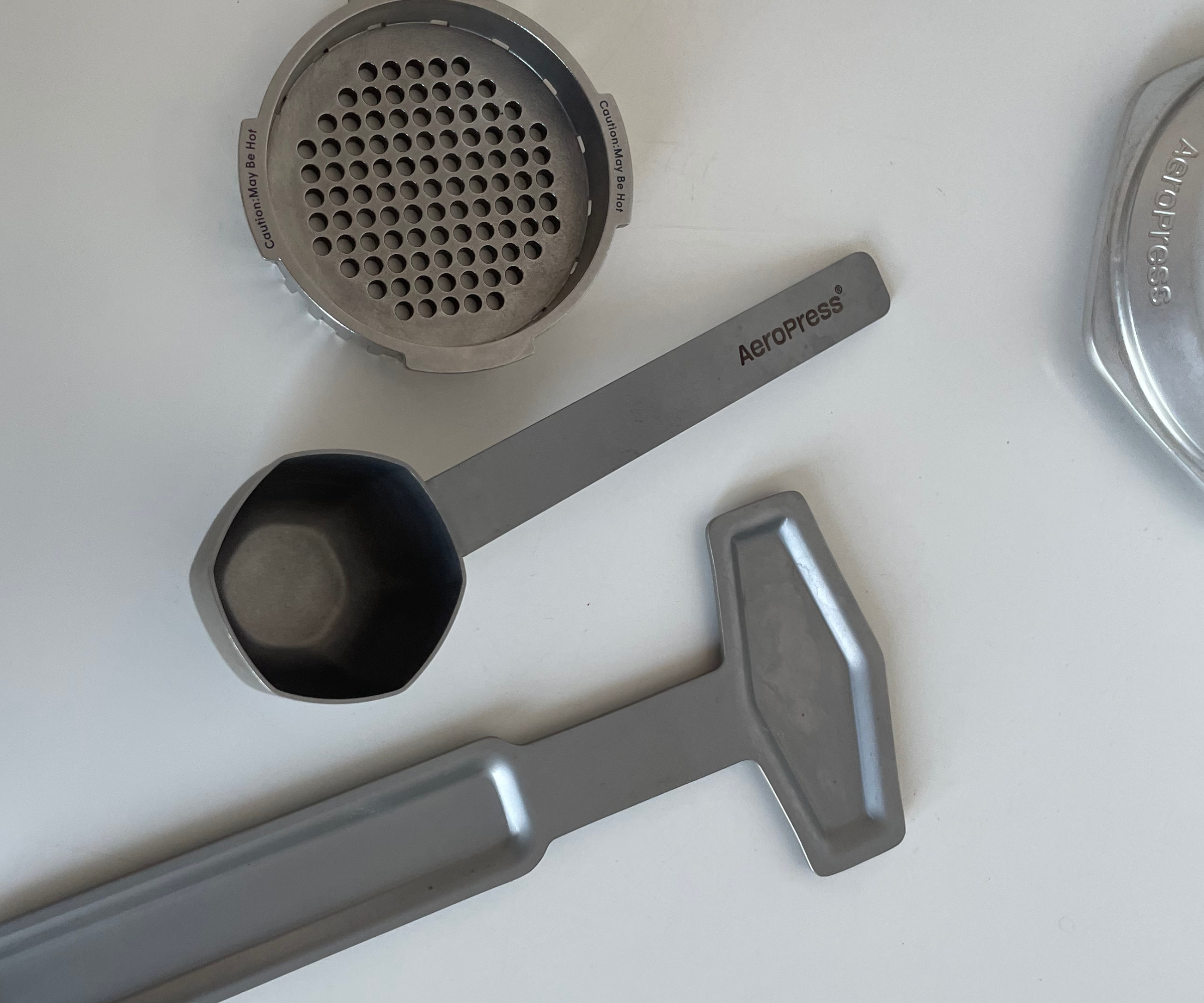
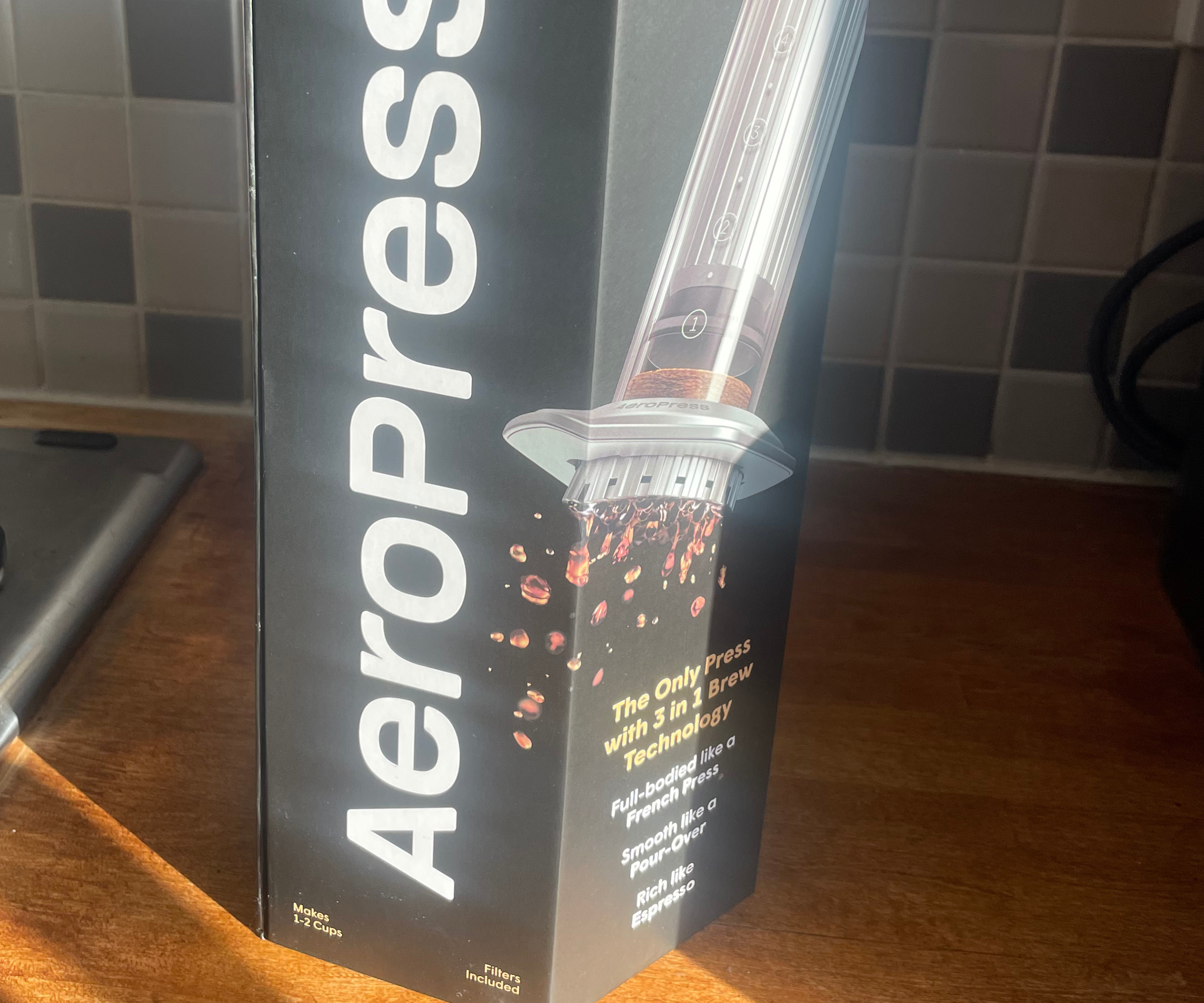
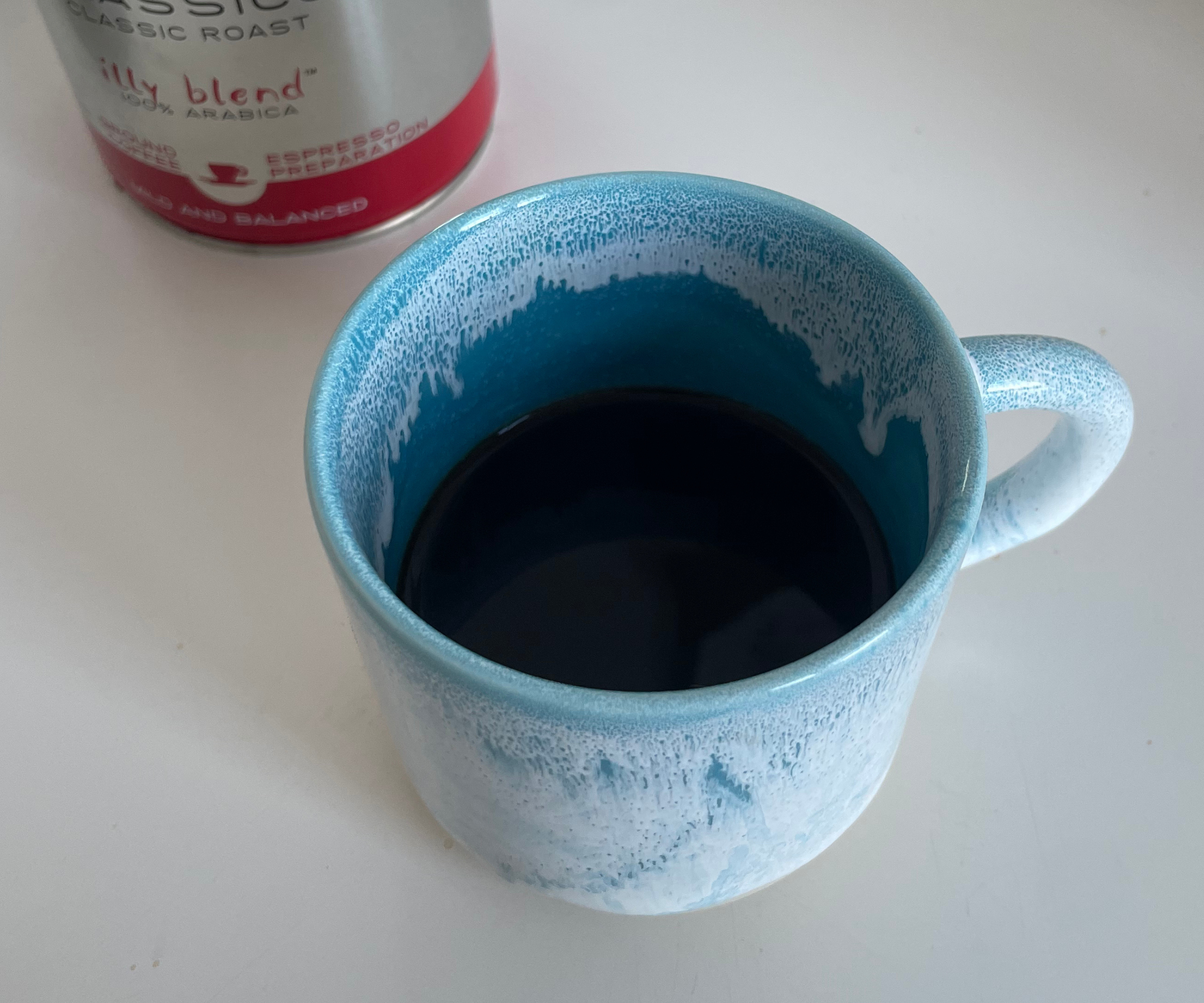
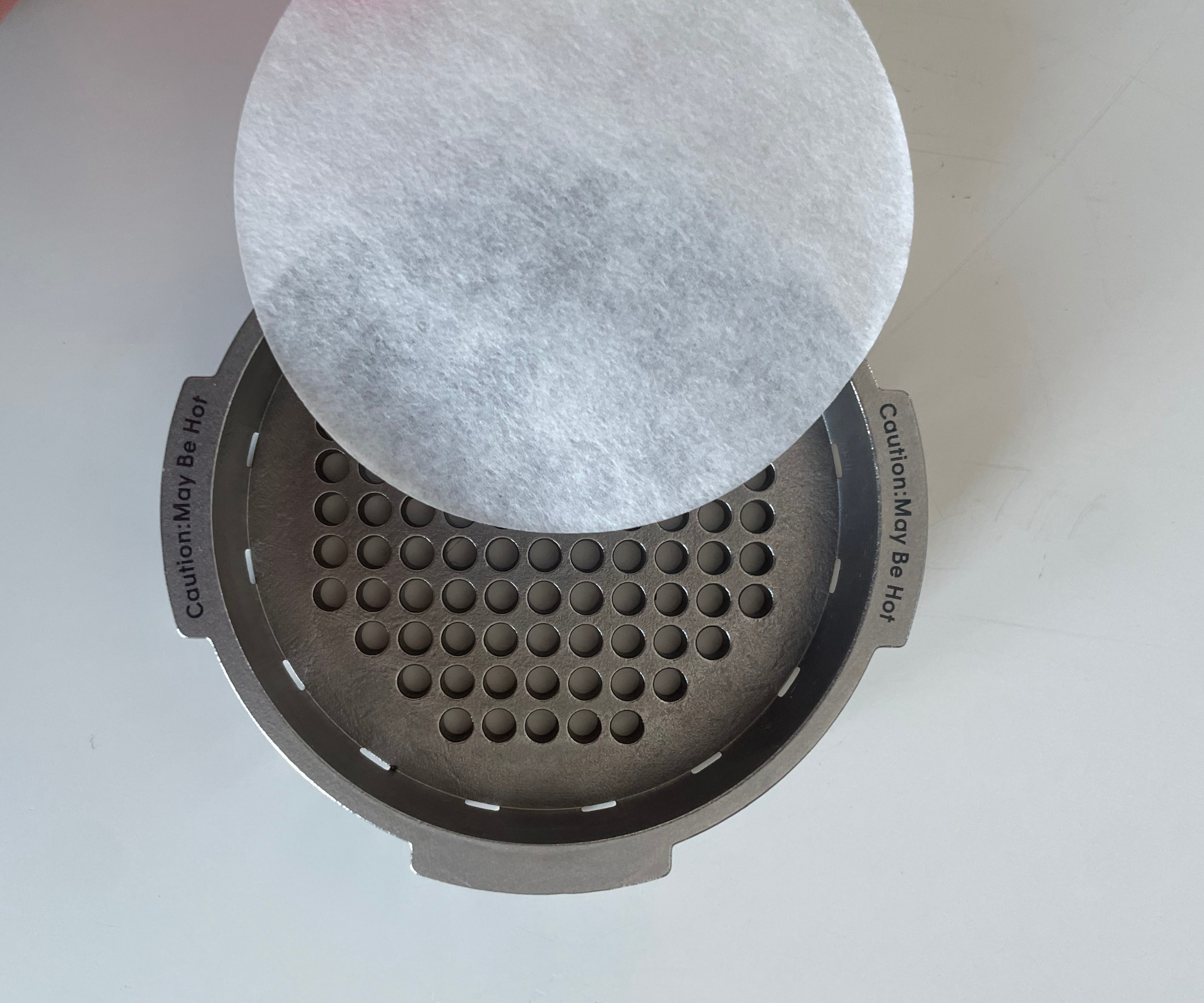
What makes it non-toxic? The chamber is made from glass, while the filter cap and stirrer that come into contact with hot water are made from quality stainless steel. The gaskets are silicone. Even the coffee scoop is stainless steel.
Why we like it: The glass and stainless steel components are sleek and elegant; I was expecting them to feel fragile, but they are sturdy and strong. It’s also incredibly quick. I timed the process to be under three minutes from start to finish, including the time it took to boil the kettle. After brewing, a quick rinse under cold water cools the stainless steel filter, and popping out the coffee puck is a breeze. A rinse and air dry are all that’s needed to have it ready for your next cup.
What we didn't like: In terms of taste, it brews very smooth, full-bodied coffee, but it only makes espresso-style shots and Americanos for one person. If you want to serve more people, look to the larger OXO 8-cup or Aarke 10-cup models on this list.
Plus, it's pretty expensive. If you want to try the brand for around $30, the Original Aeropress is still a great choice. Instead of glass, it uses BPA-free plastic, which is FDA and EU-approved for coffee contact.
Ideal for: If speed and health are your priority, you'll love the whole experience.
Best non-toxic drip coffee maker
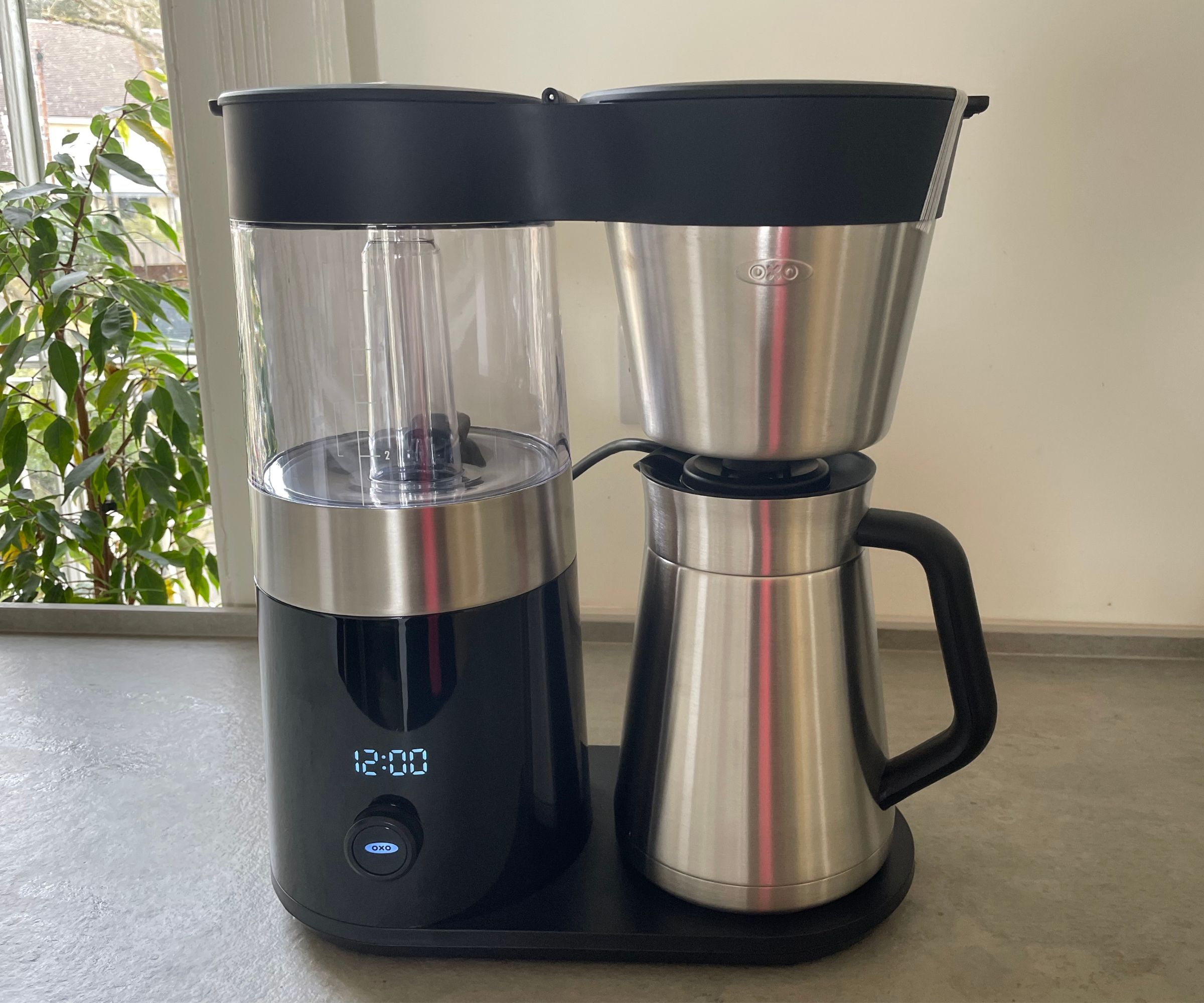
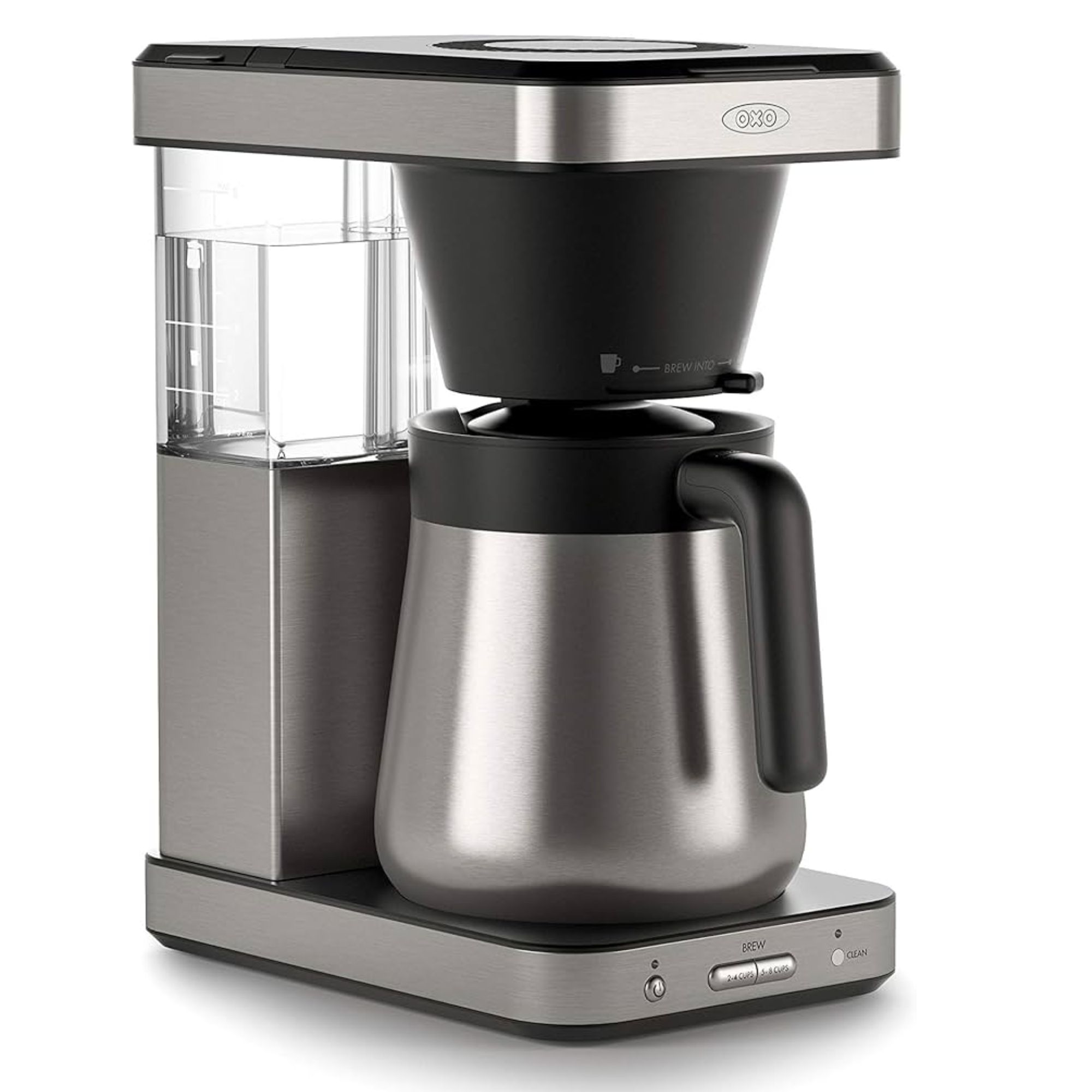
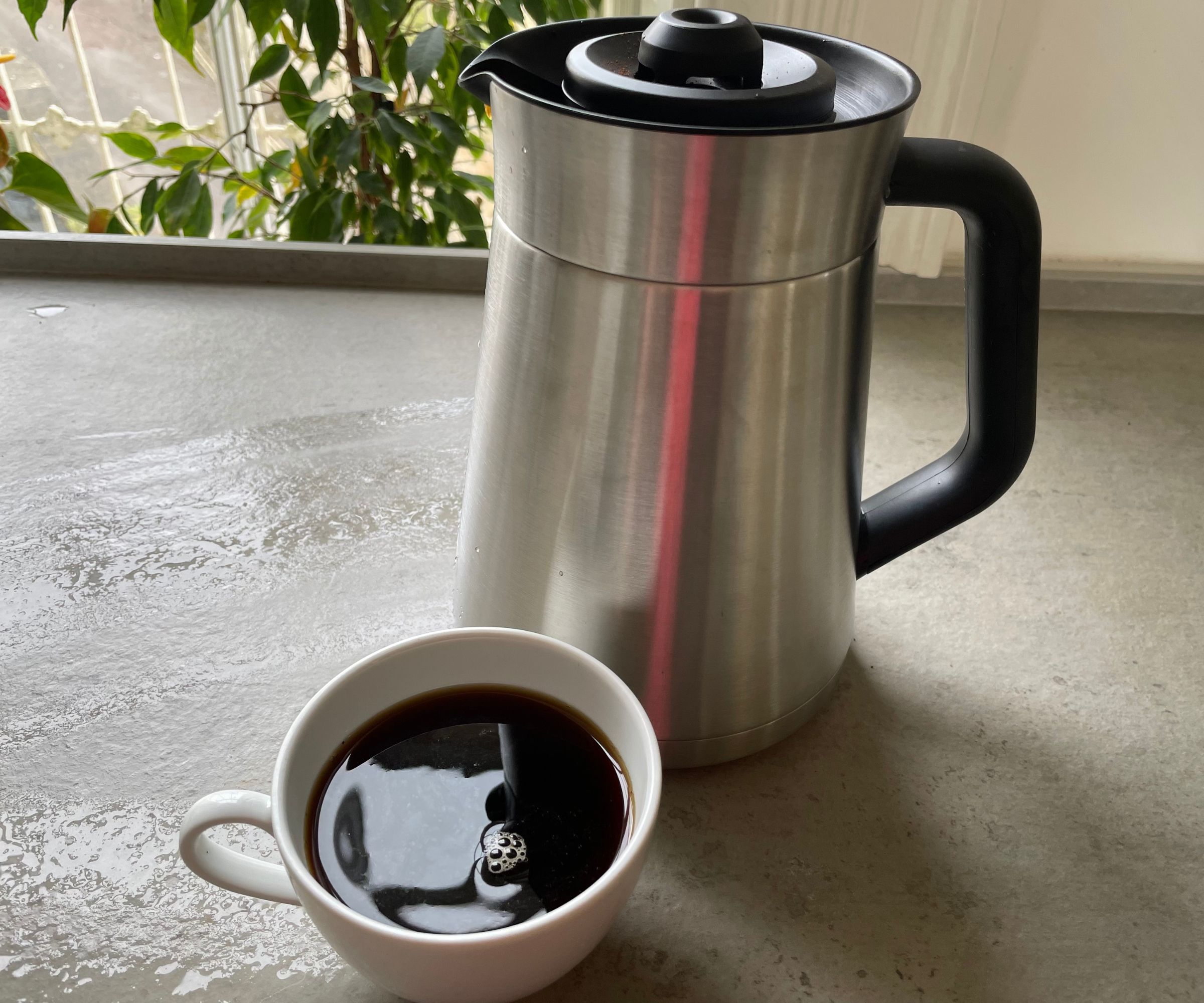
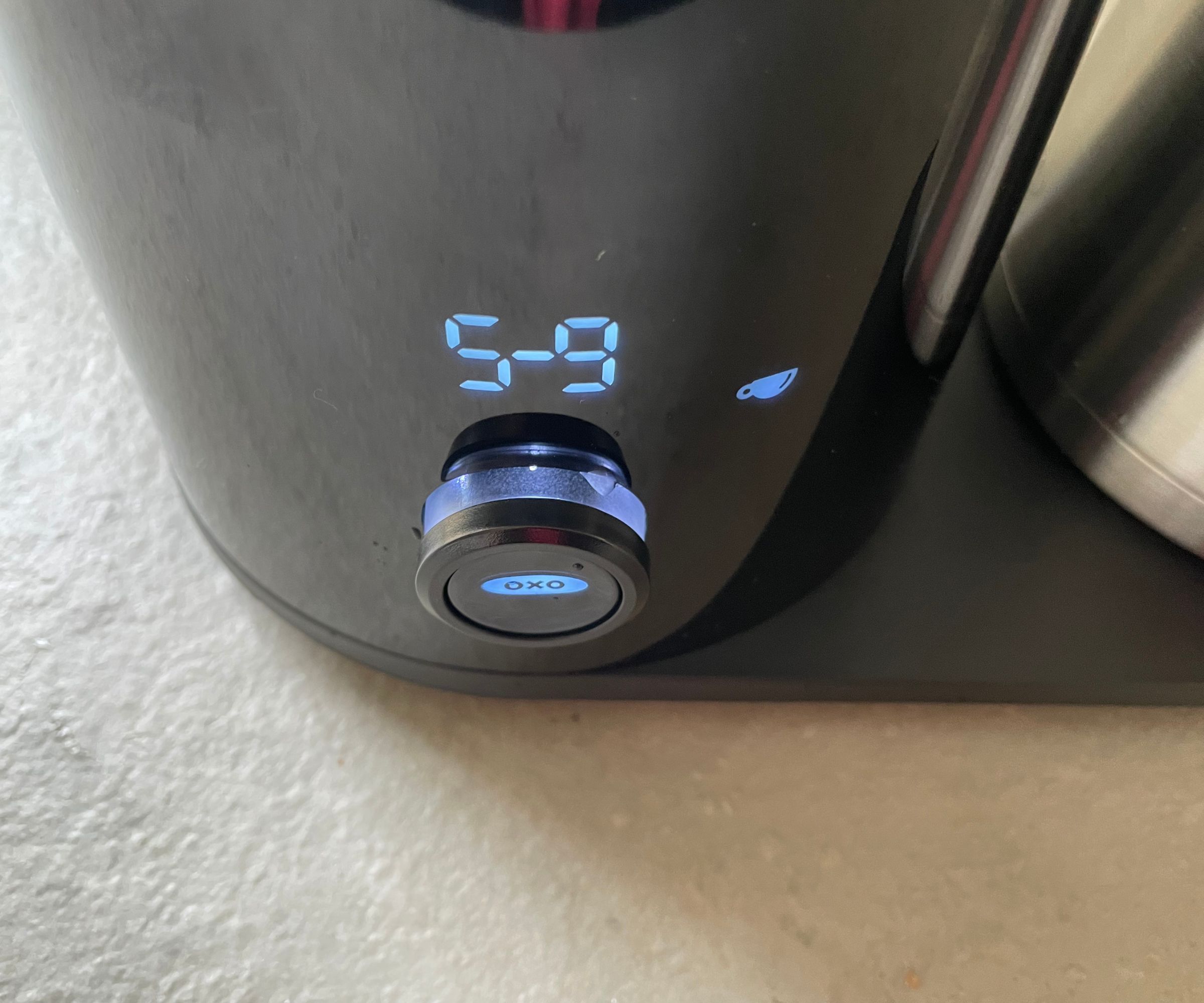
What makes it non-toxic? The carafe and most of the housing is made from stainless steel. The OXO website states: 'All parts that contact coffee or water are BPA-free.'
Why we like it: Our tester, Aleenah, awarded this non-toxic drip coffee maker five stars, saying: 'The coffee was delicious and flavorful every time.' She also timed the OXO, and it took less than six minutes to brew a full eight-cup carafe of coffee. 'The double-walled steel carafe keeps coffee warm and is easy to pour from, ' Aleenah continues. If you still need convincing, OXO's 8-Cup Coffee Maker is certified by the Specialty Coffee Association (SCA) for meeting its rigorous home brewing standards. Even after years of testing, the OXO has stayed reliable.
What we didn't like: The main drawback is that it isn’t programmable or customizable. There isn't a built-in clock or automatic mode if you want to brew your coffee at a certain time. Plus, Aleenah said: 'The carafe doesn’t keep the coffee hot for hours, since it has a small hole at the top where steam escapes after brewing.' If that's a priority, you should look at the Aarke model above, which has an excellent hot plate.
Ideal for: Every day coffee drinkers who don't want to spend over $200.
Best Sustainable Option
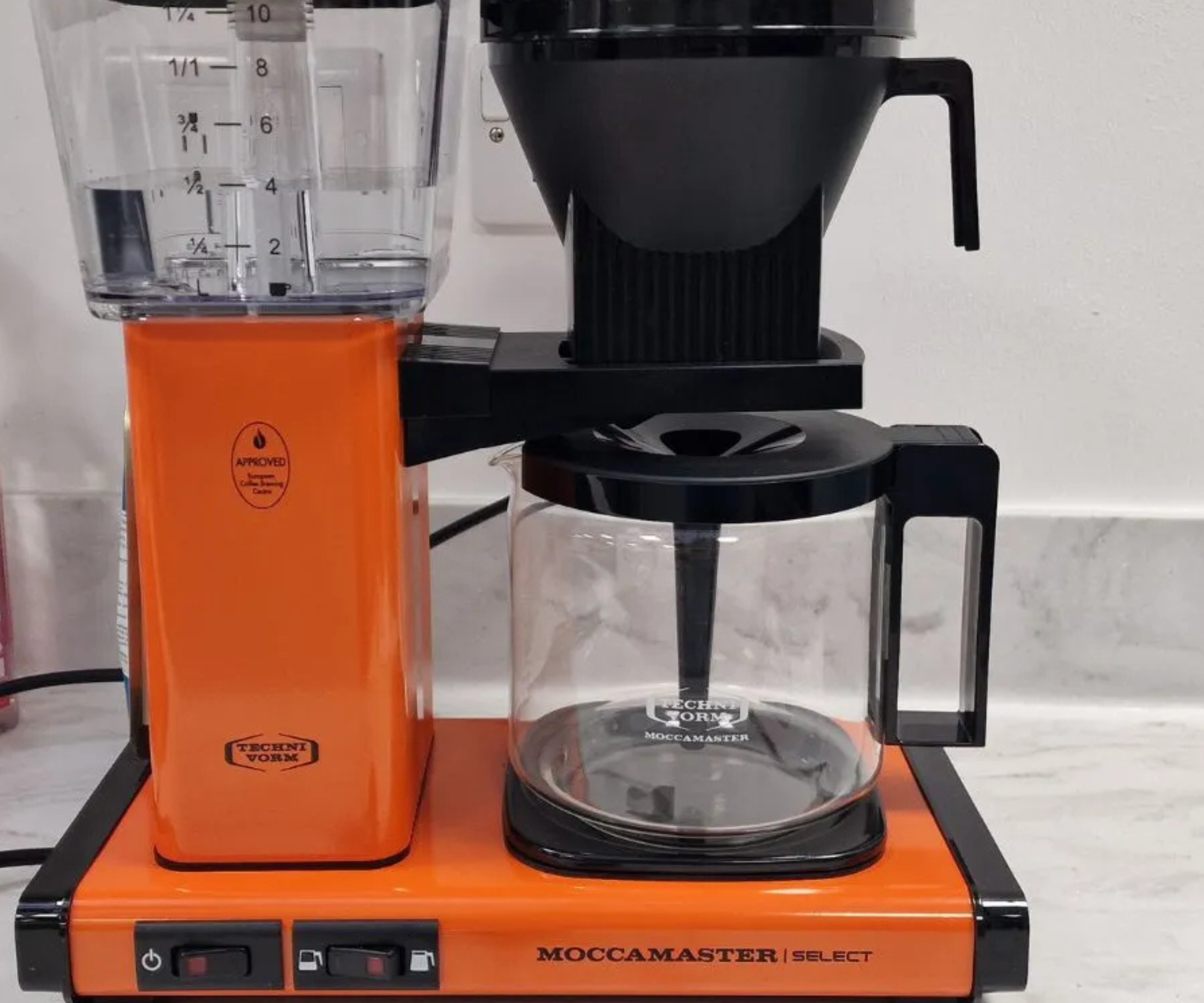
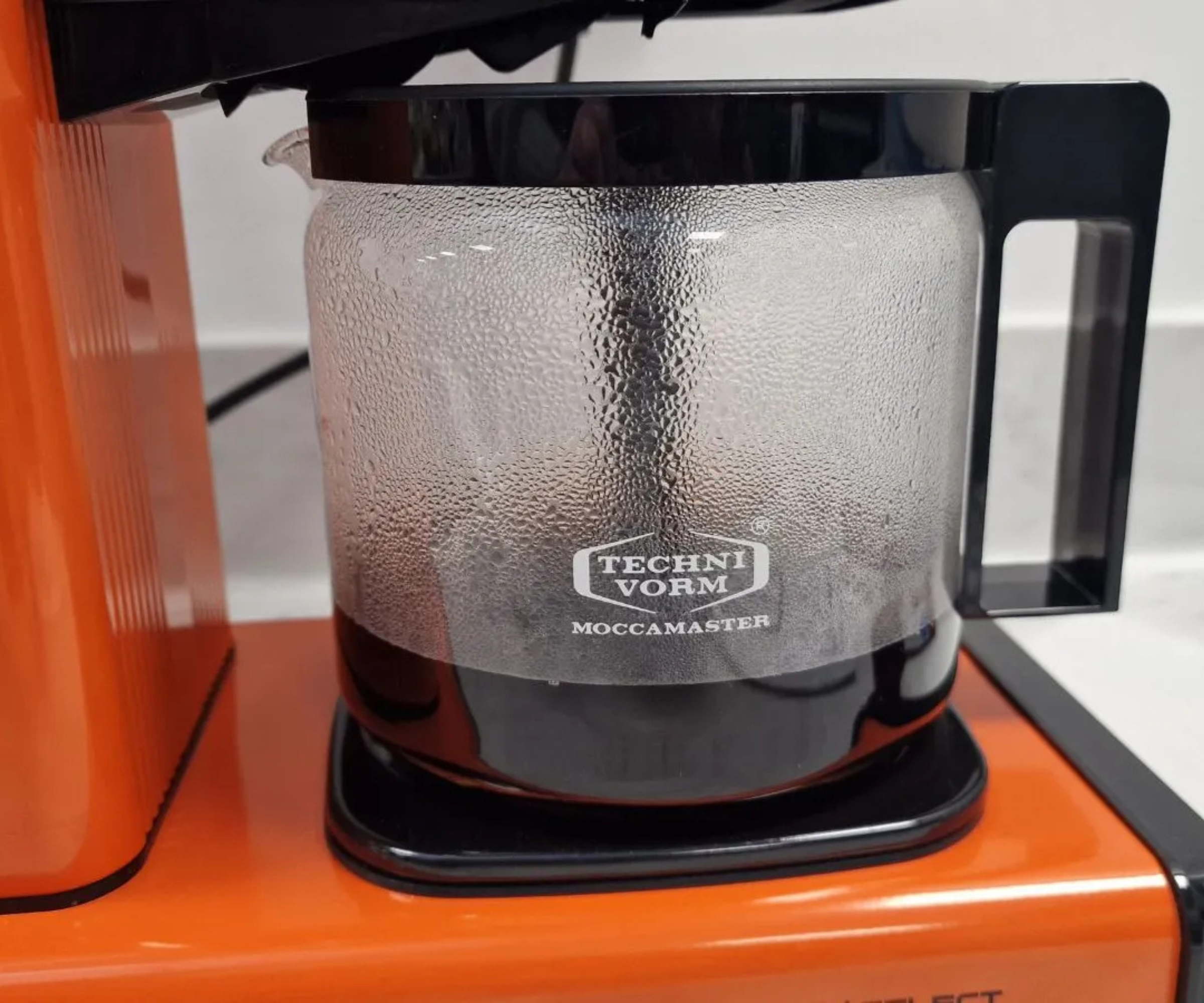
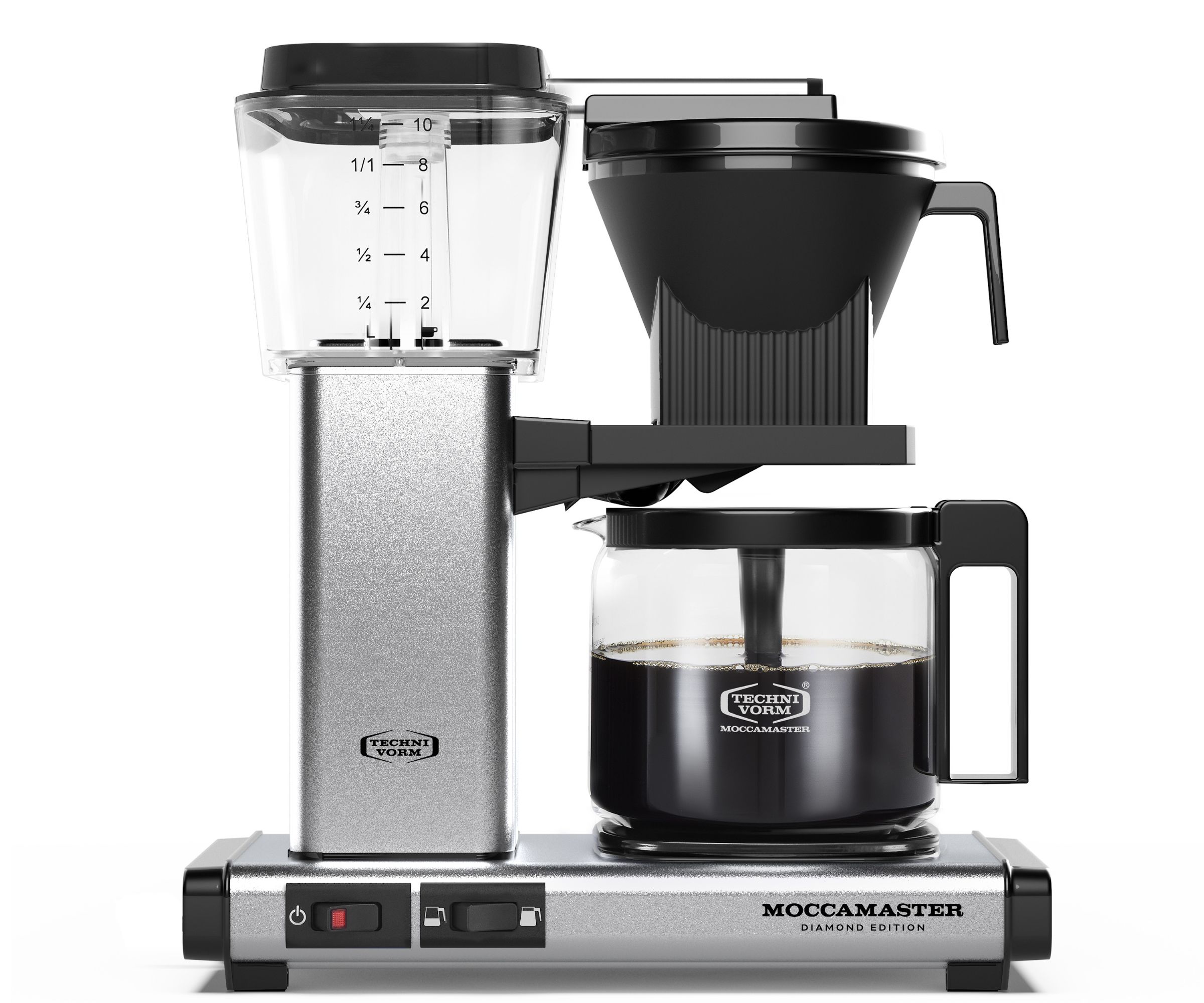
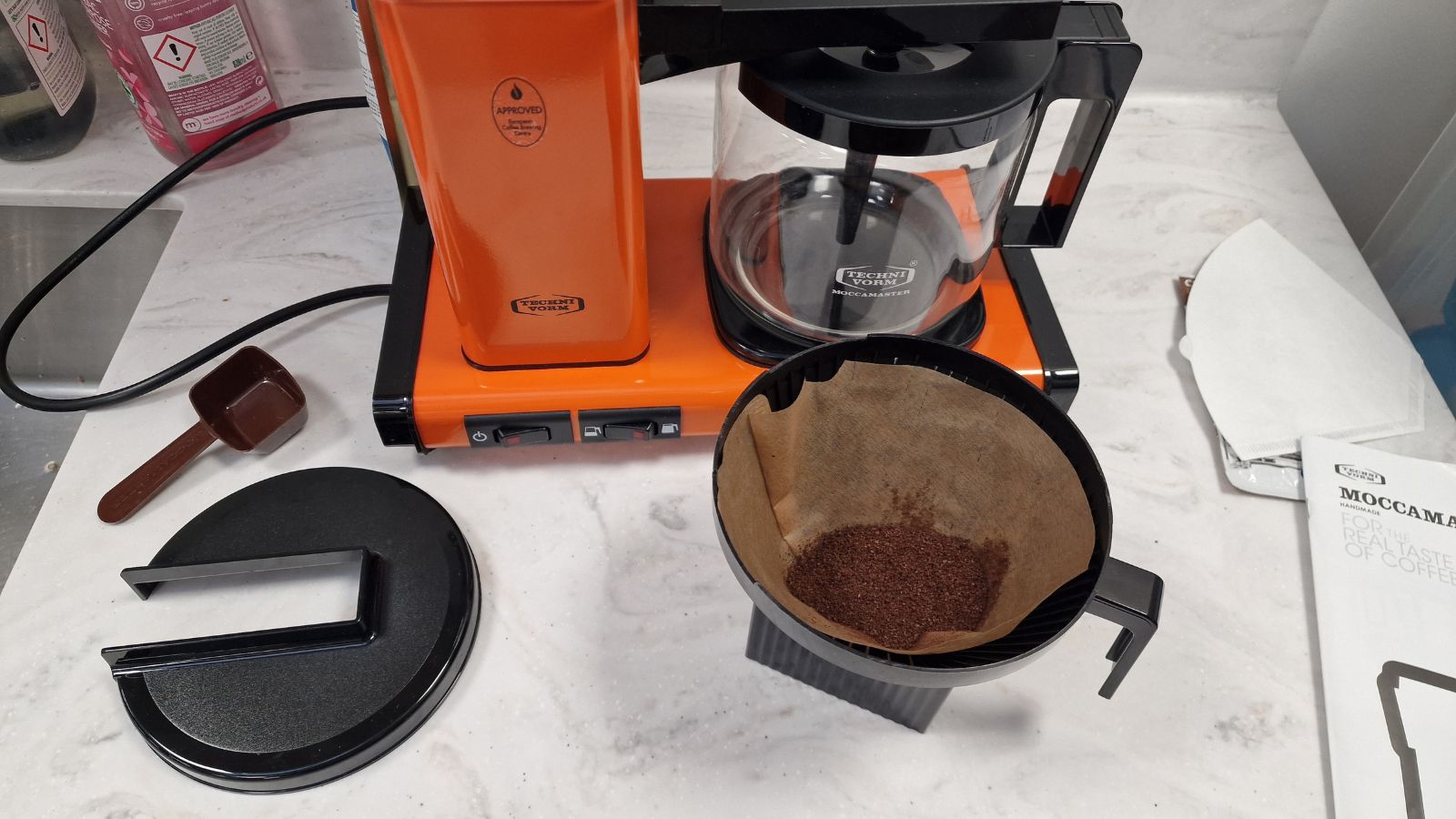
What makes it non-toxic? The Moccamaster is handmade in the Netherlands with stainless steel, BPA-free, and PFAS-free materials.
Why we like it: It's cute, colorful, and sustainably designed. The Moccamaster features a modular design made with some recyclable parts, meaning it’s easy to repair rather than replace. It has a five-year warranty.
The retro, boxy design looks great in a wide range of shades, with an option to complement any kitchen color palette. There are bold primary hues to pop against white walls, as well as softer greens, pinks, and blues.
Looks aside, the Technivorm Moccamaster works quickly and quietly to brew a 10-cup carafe in six minutes. Our product tester and ex-barista, Laura Honey, was impressed. As were the Specialty Coffee Association and the European Coffee Brewing Center; this machine is certified gold by both organizations.
What we didn't like: This coffee maker is a little high-maintenance. Moccamaster recommends descaling your machine after every 100 cycles and washing each component by hand.
Another downside is that you pay a lot of money for basic functions. We loved the unique aesthetic, but were disappointed that we didn’t get more coffee customizability or automation. If you don't mind simplicity but would like to pay less, look to the OXO at the top of this list. It's not a design centrepiece like the Moccamaster, but it does a very good job for a better price.
Ideal for: Retro design lovers and sustainably minded shoppers.
Best Design
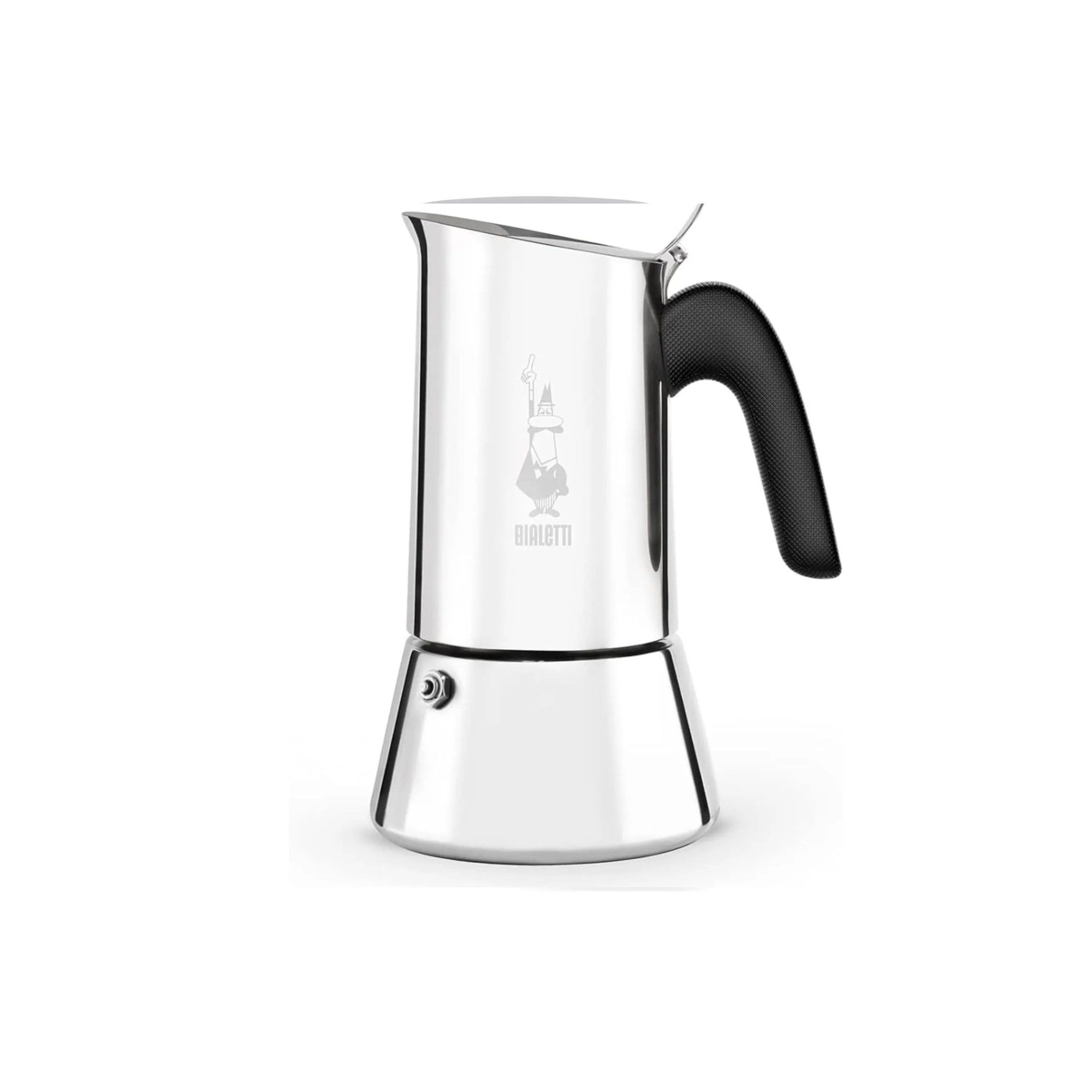
What makes it non-toxic: The Bialetti Venus is crafted entirely from stainless steel, with a food-safe silicone gasket that keeps the brew path free from aluminum or plastic contact.
Why we like it: I’ve searched high and low for the world’s best moka pots, and few come close to Bialetti’s performance. The Venus may trade the brand’s iconic hexagonal shape for a sleeker, rounded design, but it still delivers that unmistakable Bialetti flavor – rich, full-bodied, Italian-style coffee.
While stainless steel is heavier than traditional aluminum moka pots, it’s far more durable, induction-stove compatible, and easy to keep shiny with a regular polish. In our tests, the stainless steel body also retained heat impressively well, keeping the coffee warm for several minutes after brewing.
What we didn’t like: I can't fault the sleek design, and the delicious, rich-tasting coffee. However, unlike Bialetti’s aluminum models, the Venus uses a silicone gasket, which our in-house barista recommends replacing every 12 months to maintain a tight, safe seal. Still, for moka lovers, this is one of the safest and most reliable options available.
Ideal for: Traditional espresso-style coffee drinkers.
Best Single-Serve Non-Toxic Coffee Maker
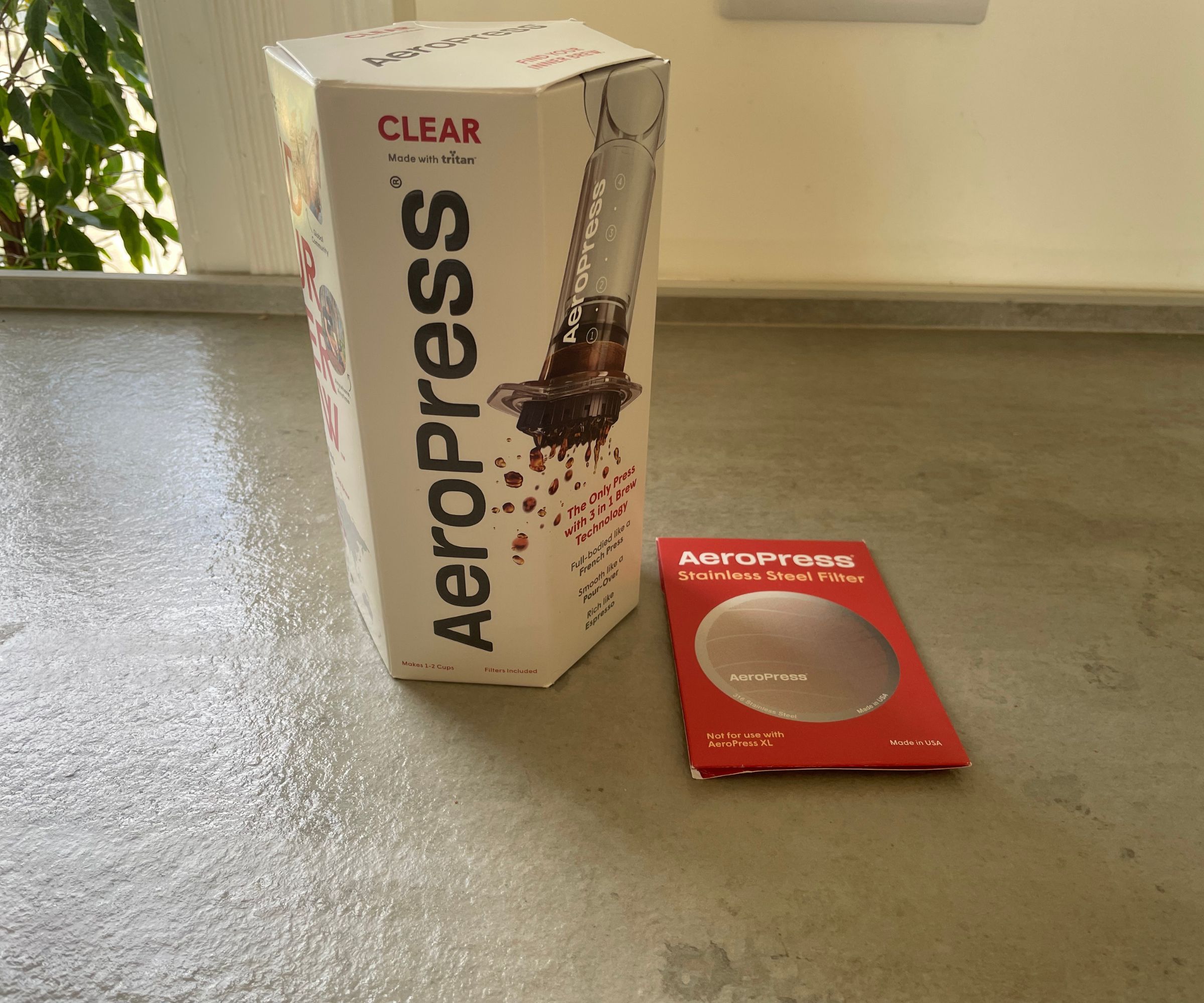
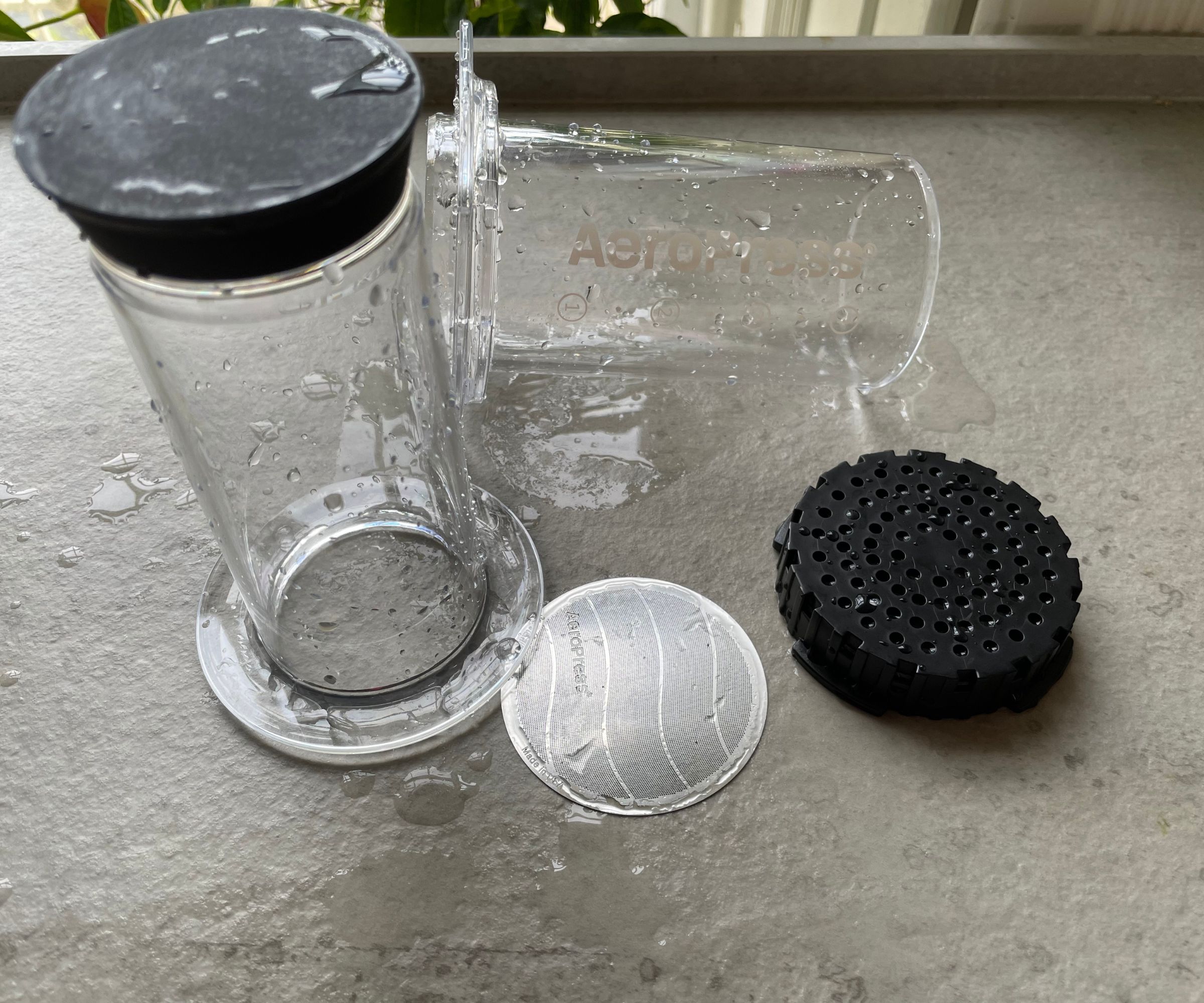
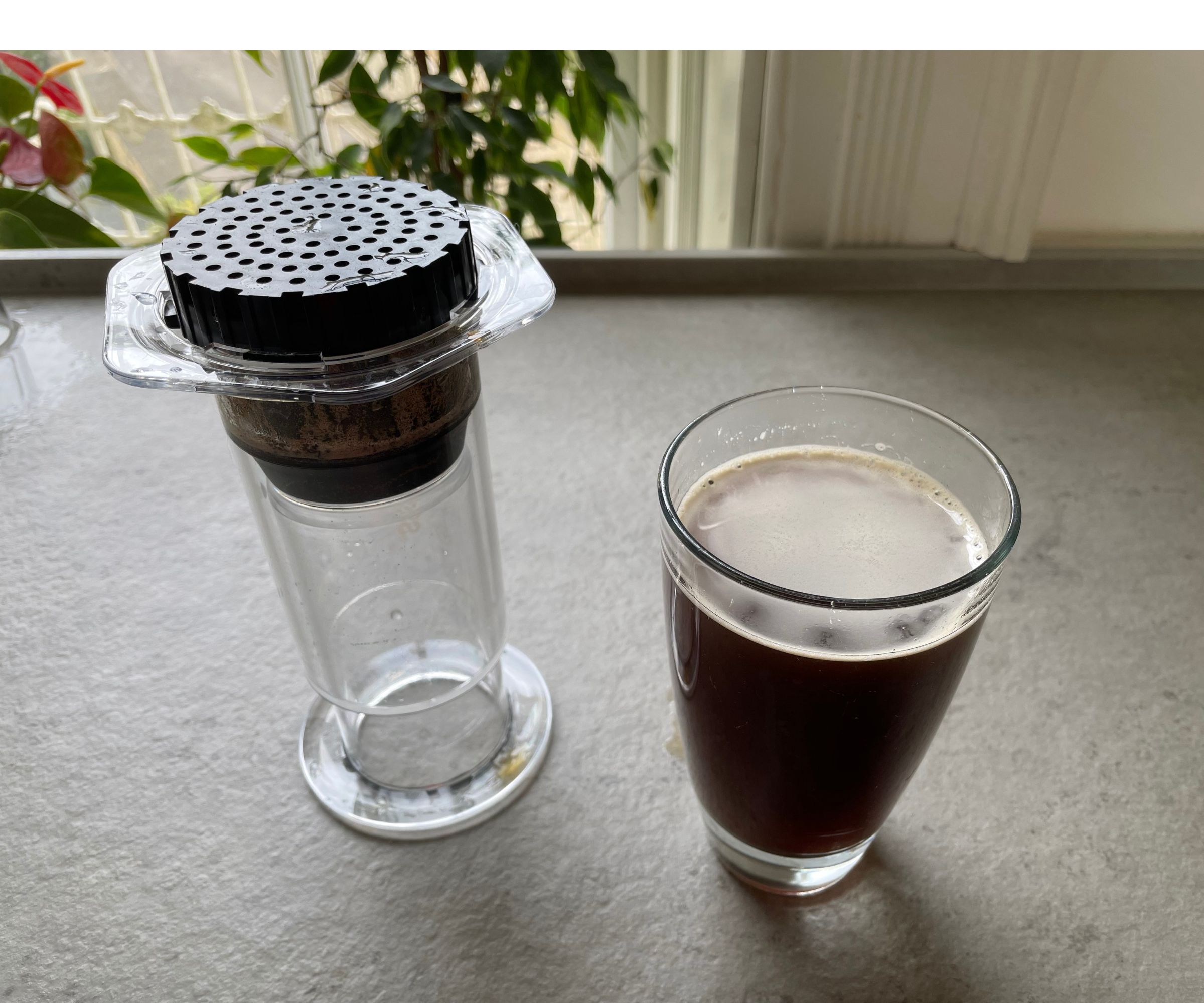

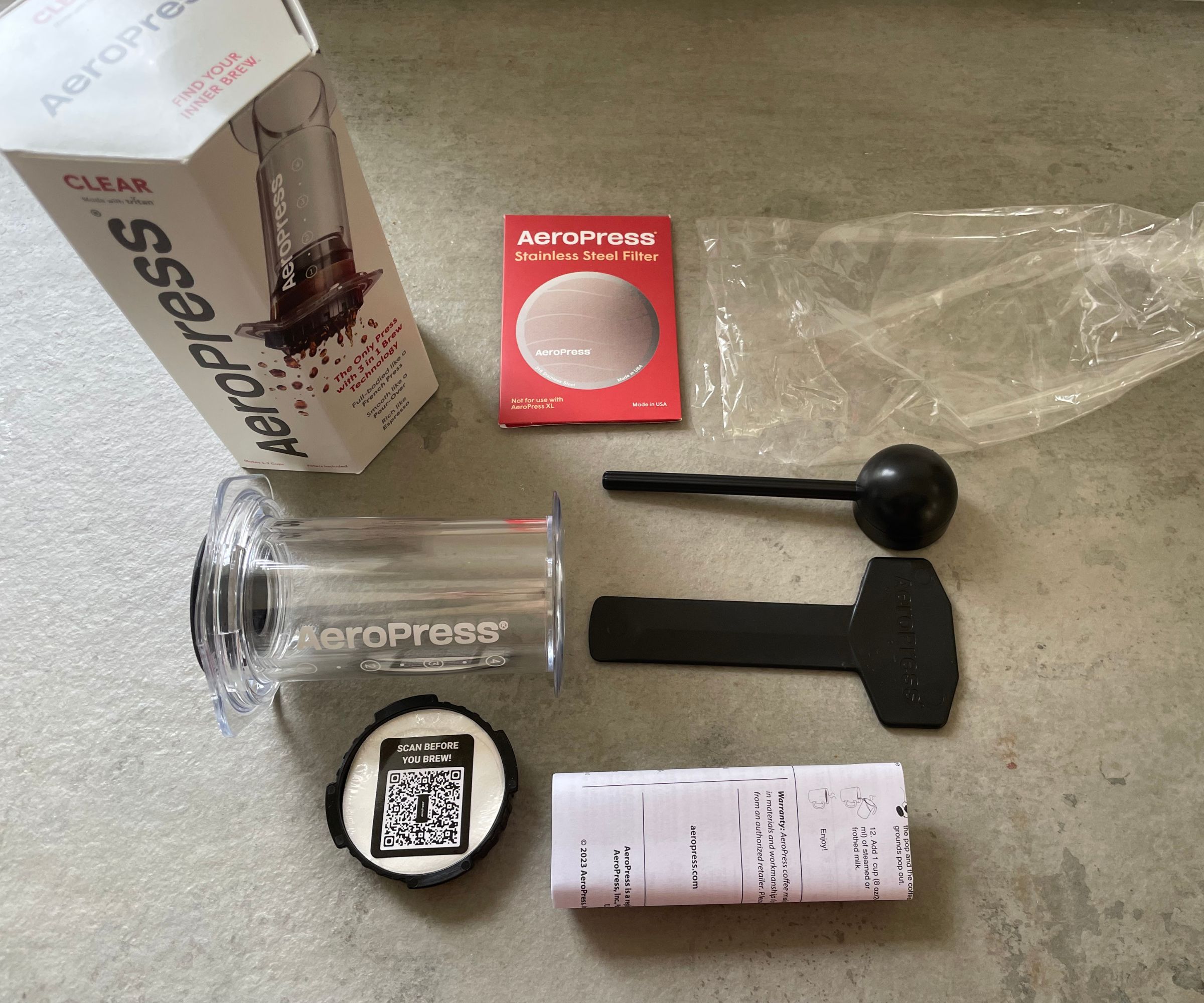
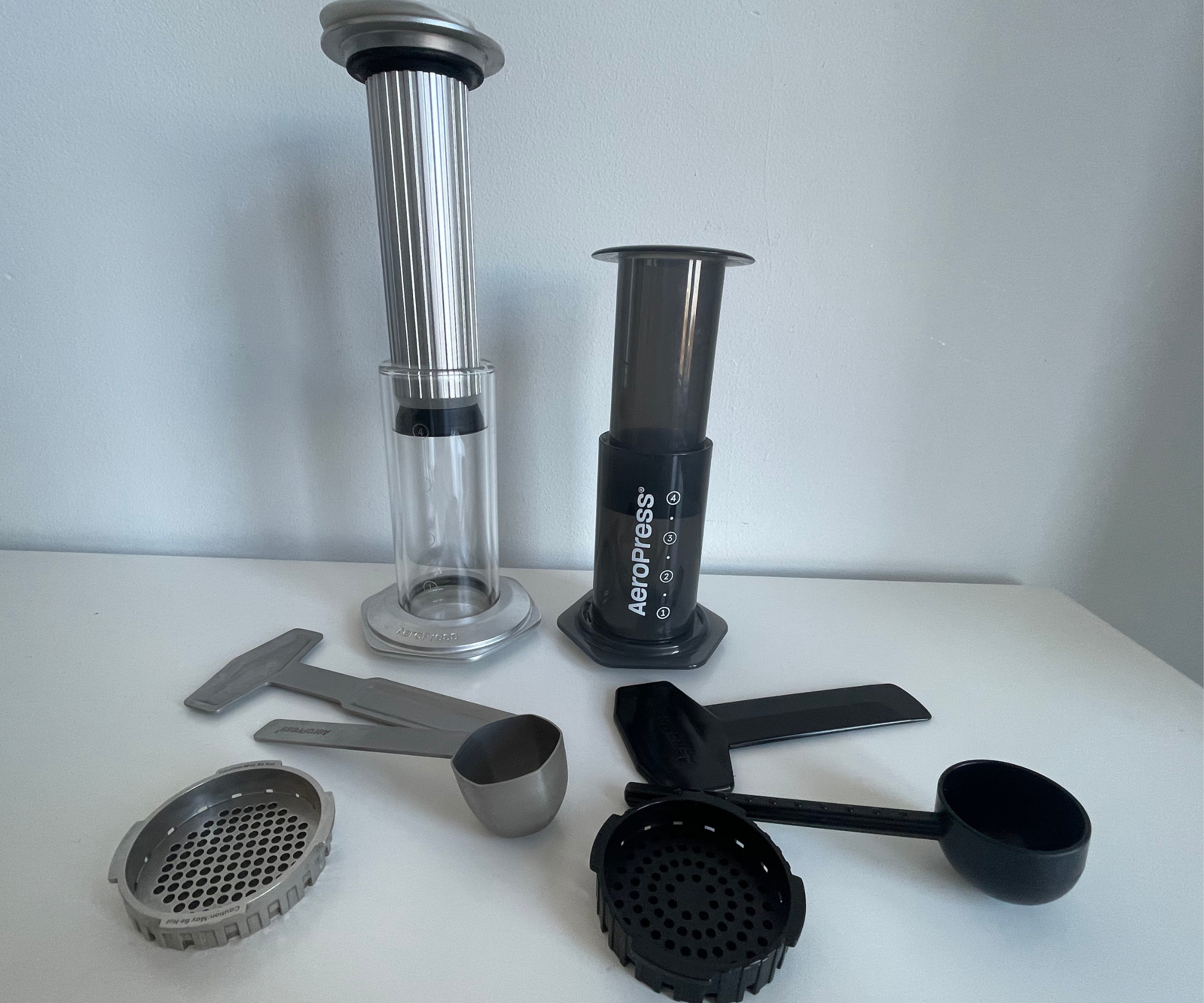
What makes it non-toxic? This AeroPress is made from Tritan, which does feel a little plasticky, but it's BPA-free, thick, and certainly won't break if you drop it. AeroPress says: 'All materials used in AeroPress coffee makers are FDA and EU approved for use in contact with food, and are free of BPA and phthalates.'
Why we like it: Not every office, hotel, or resort you go to will have a non-toxic coffee maker. If you're looking to take your healthy routine on the go, you won't find better than the AeroPress. It's very speedy, easy to use, and a cinch to handwash.
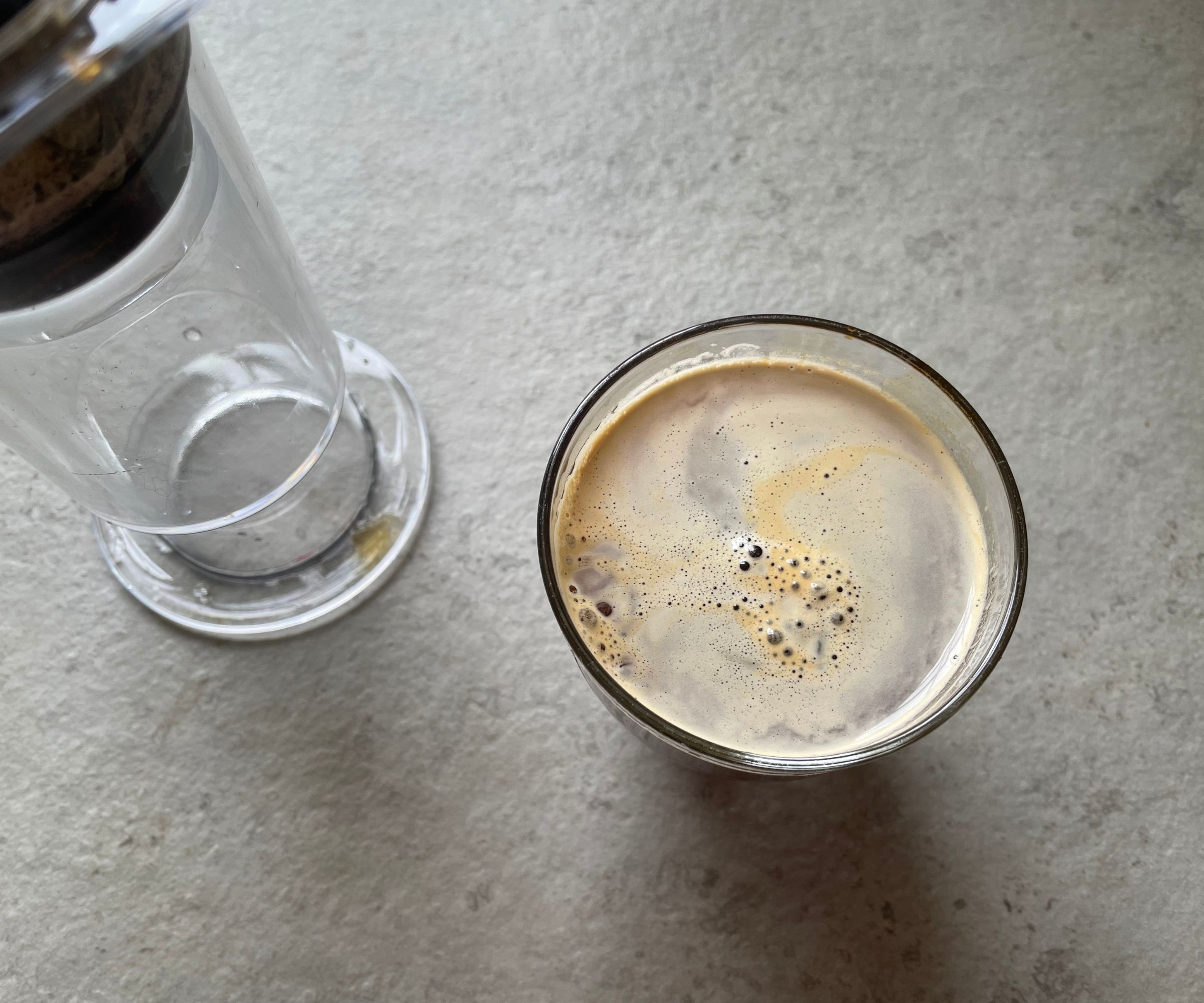
I was thoroughly impressed with the taste tests. Ready in under two minutes, the coffee shots were delicious, with the rich intensity of a proper espresso. I could even see a light crema on top, which even the best coffee makers struggle to achieve. The Americano also brought out the specialty notes of the beans.
What we didn't like: After testing the Premium model above, the original felt a little cheap, as it's plastic (although it is BPA-free). But if you'll be brewing from the hotel, office, Airbnb, ski lodge, or tent, this lightweight model makes much more sense.
Ideal for: Coffee lovers who want a quick, single-serve, and travel-friendly brew.
Best For Espresso
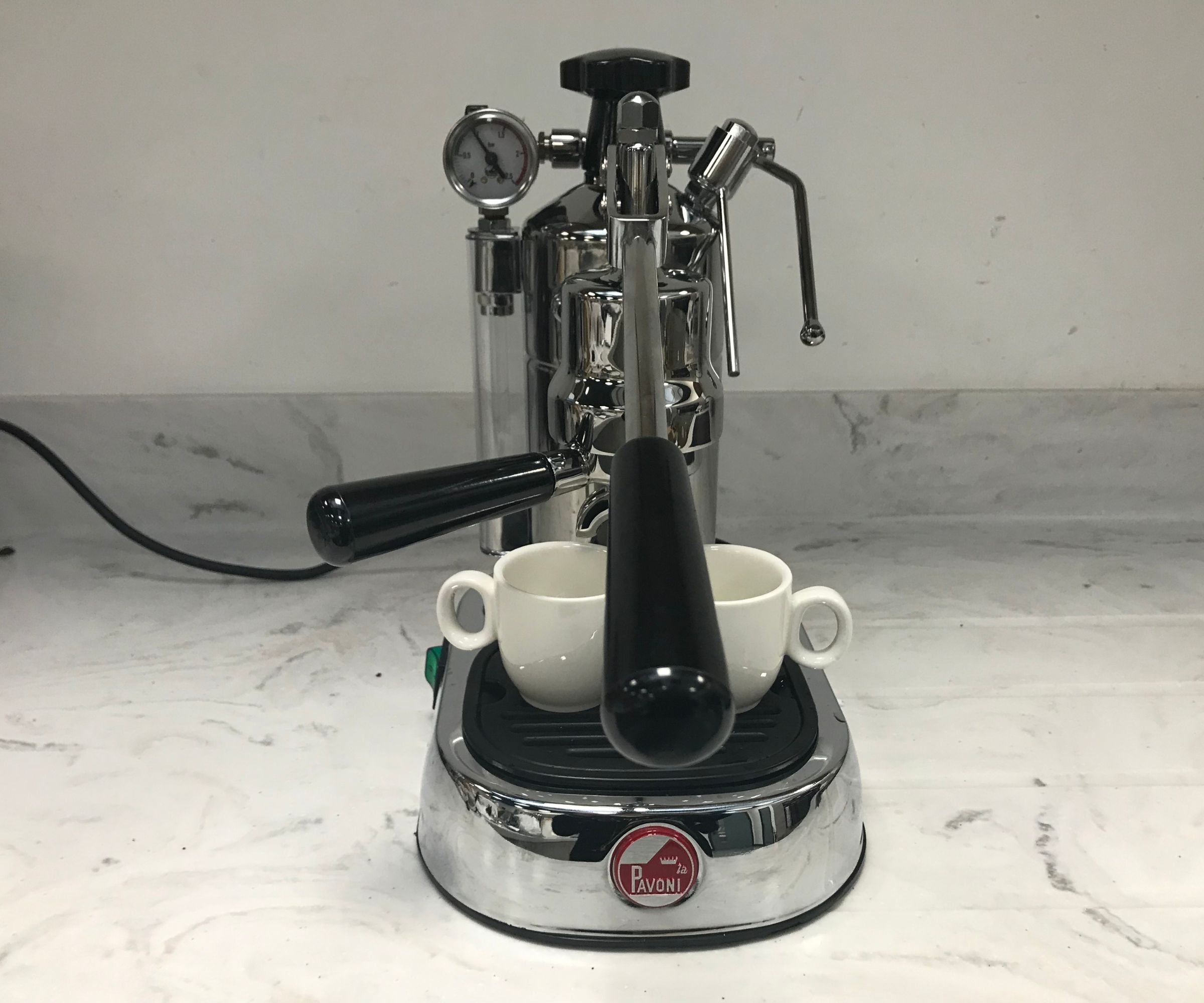
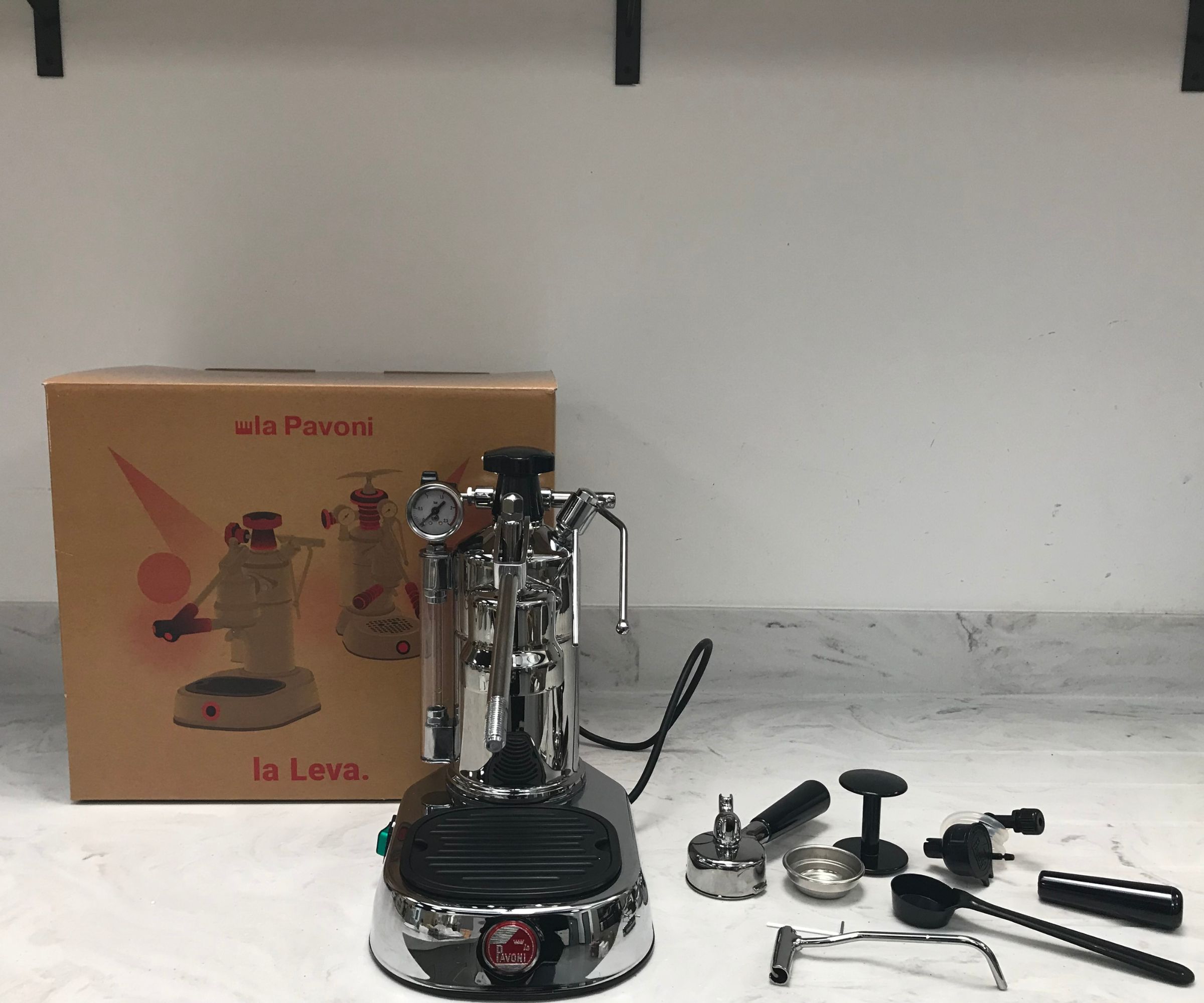
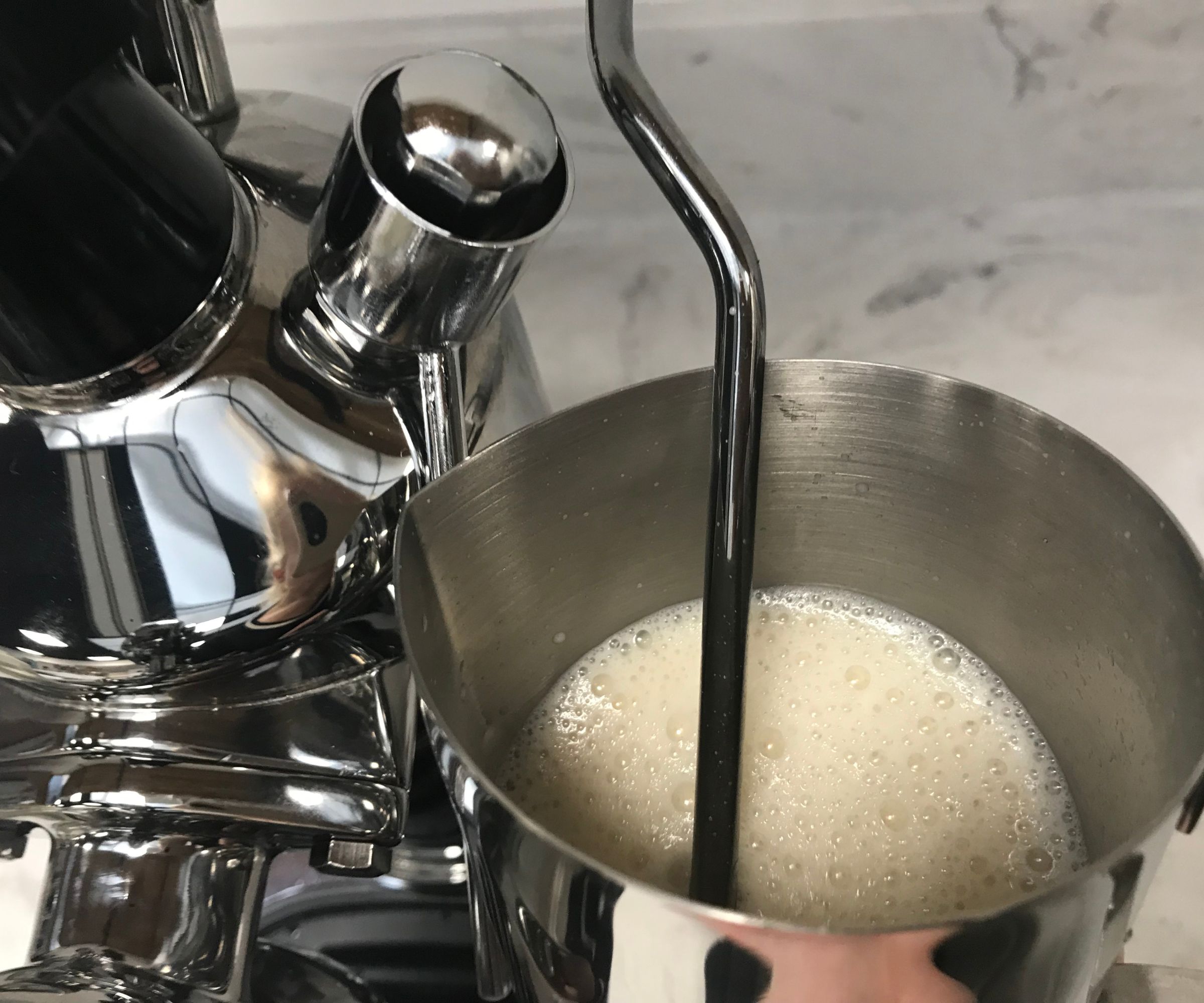
What makes it non-toxic: The La Pavoni Professional is crafted with food-safe stainless steel heating elements and a brass brew tank. While a few small components – like the drip tray, gasket, and handles –may still contain minor plastic or silicone elements, the overall construction is far safer than typical lower-end espresso machines.
Why we like it: Our pro-barista, Laura, tested tons of the best espresso makers – and this was the one with the least plastic. She says, 'This machine feels luxurious from the moment you see it. Kitted out with all the bells and whistles, the polished stainless steel looks incredible on the counter and is surprisingly low-maintenance to clean. Brewing with it is a truly technical experience – I got total control over every shot, crafting faultless espresso with rich, nutty, chocolatey flavours.
What we didn’t like: This is definitely not a machine for the casual coffee drinker. It’s expensive, heavy, and requires a learning curve to master the lever. If you’re used to quick, push-button espresso, this might test your patience. Also, while it’s mostly stainless steel, it isn’t completely plastic-free, so perfectionists should keep that in mind.
Ideal for: Coffee enthusiasts and home baristas who love the craft of espresso, and don’t mind investing the time and money to get each shot just right.
Read more in our La Pavoni Professional Manual Coffee Maker review
Honorable Mentions
These options are worth considering if you haven't found a coffee maker that suits your taste on the top list. I've outlined the pros and cons below.
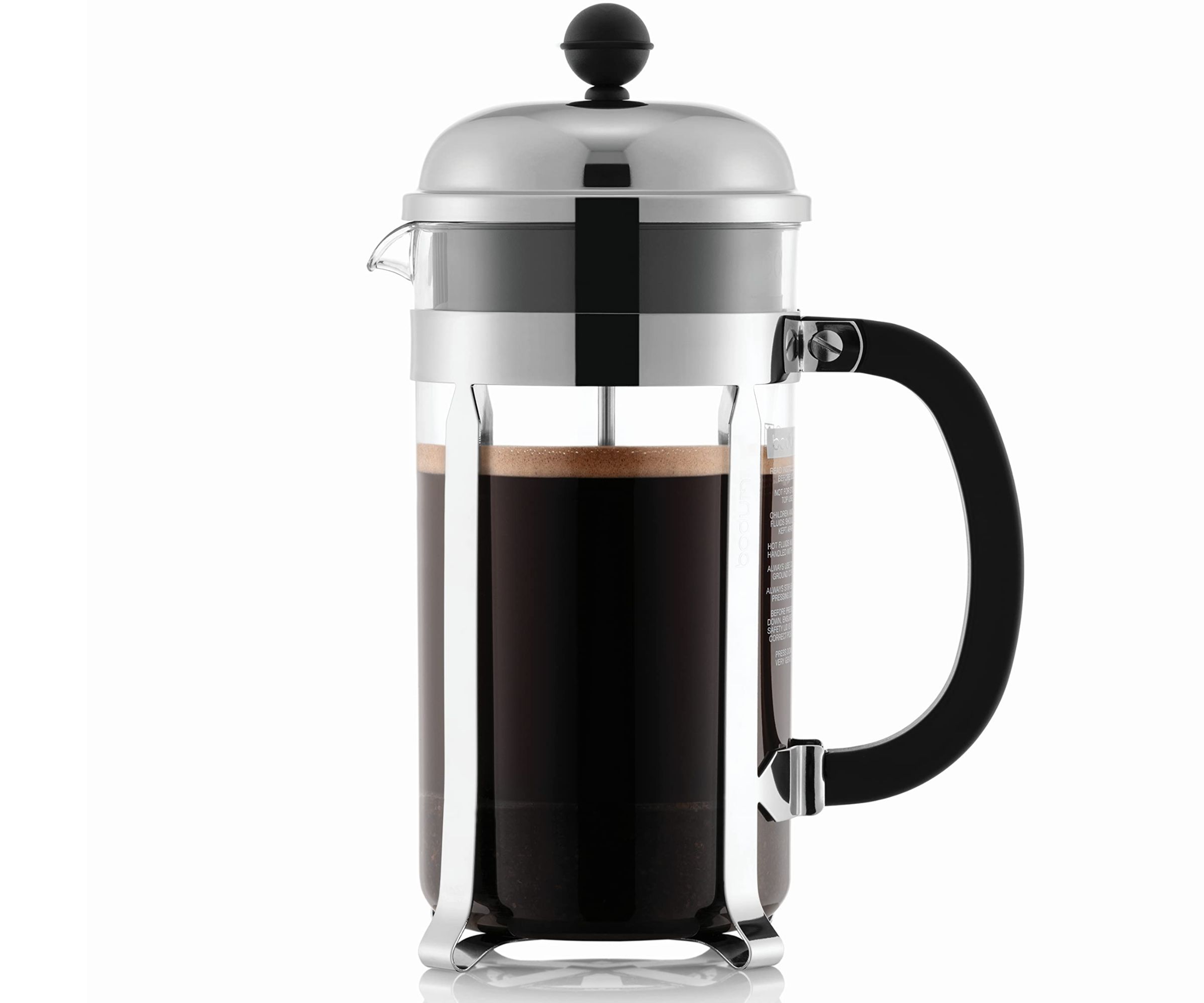
This model just missed our hot list, as it doesn't keep your coffee warm and double-filtered like the Espro P7. The Bodum is over $100 cheaper though. The carafe is glass, with a stainless steel plunger and lid. The retro style is gorgeous too; I even spotted one in Meghan Markle's kitchen.
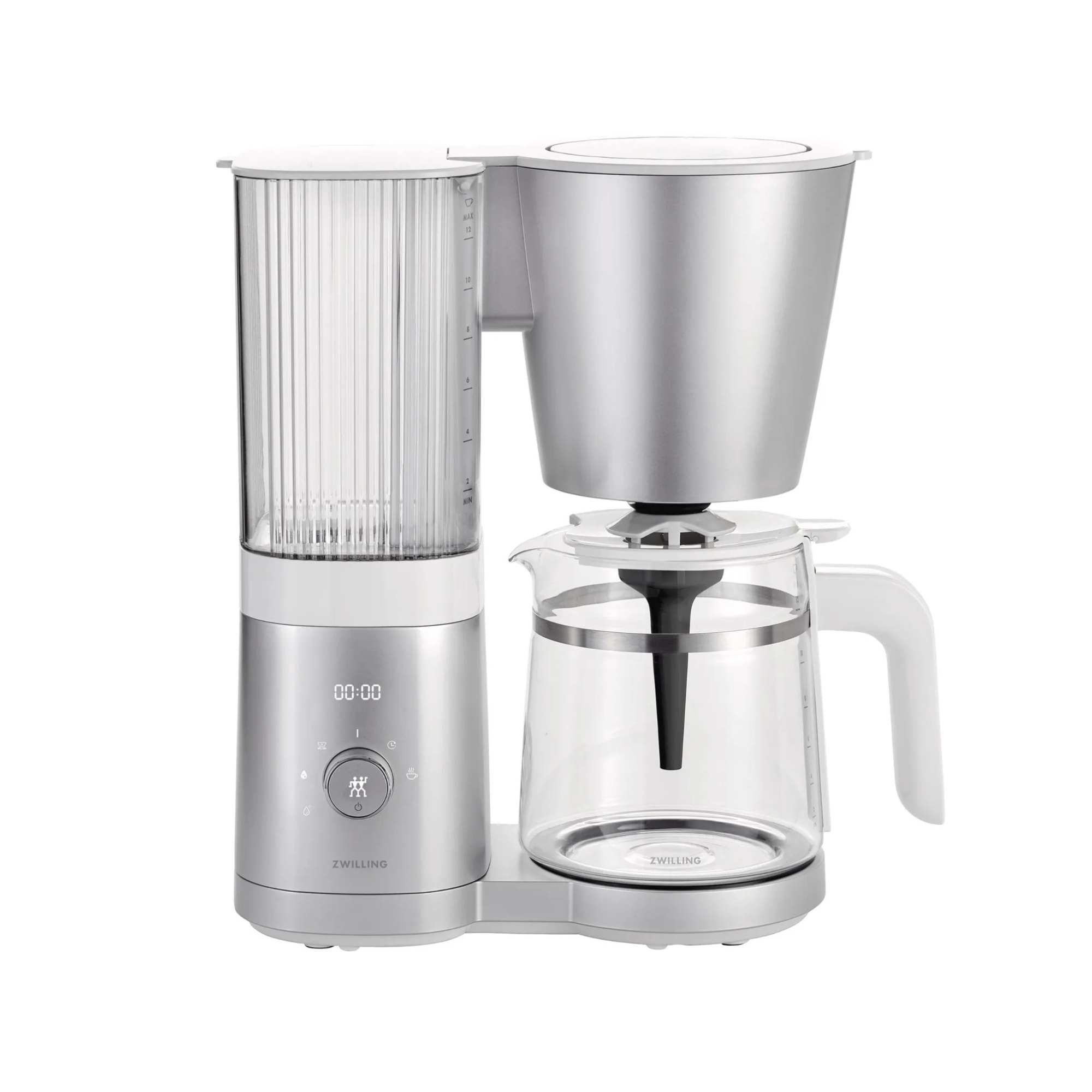
The Zwilling 12-cup coffee maker uses a borosilicate glass carafe and BPA-free plastic components, but it doesn't match up to the OXO or Aarke models on our hot list. Speaking of 'hot', that was the main issue – the 'hot plate' only stays warm for 30 minutes after brewing, which doesn't quite cut it for us.
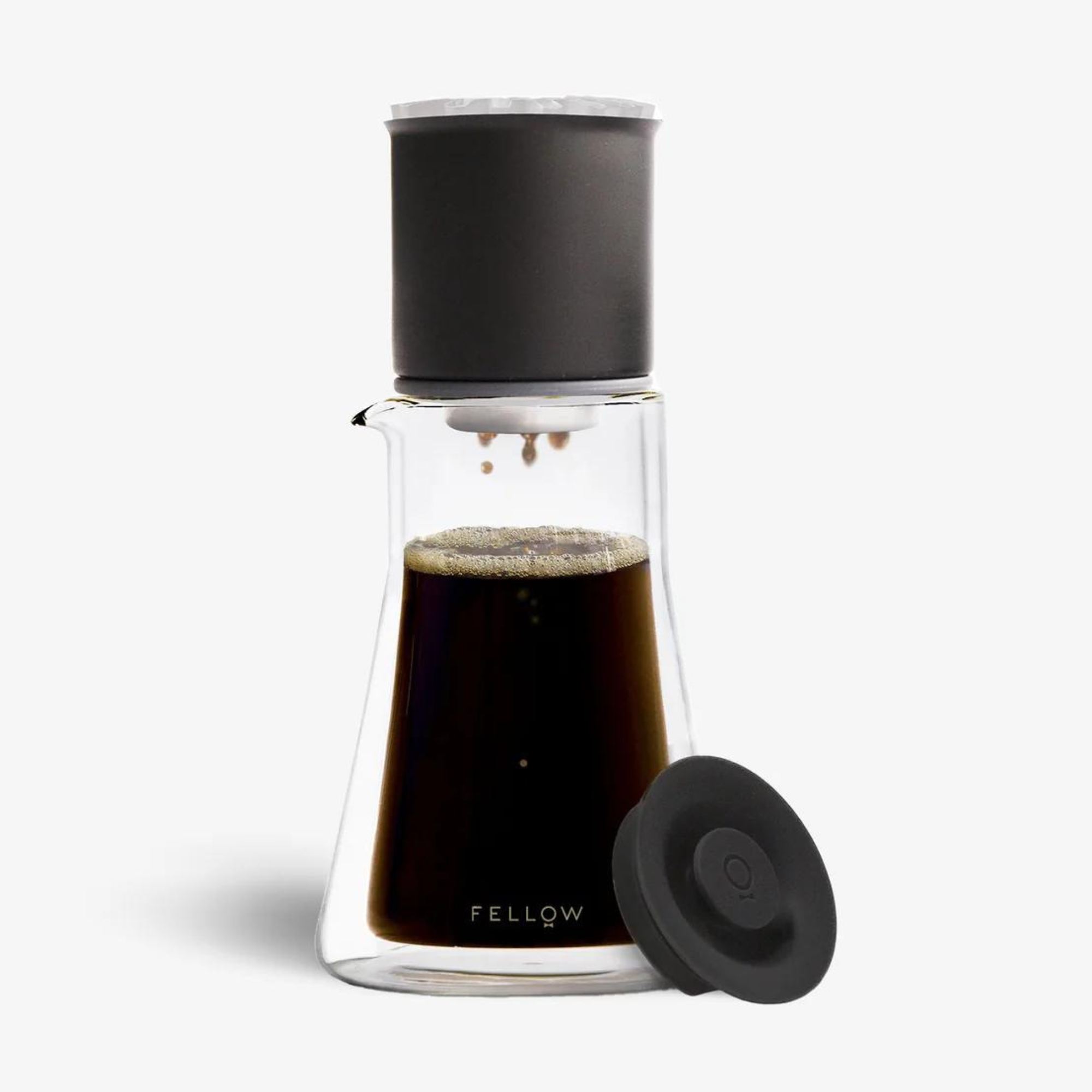
I'm still testing this pour-over, which has a borosilicate glass carafe, a stainless steel dripper, with a food-safe silicone gasket for stability. It’s a thing of beauty on the counter, but the glass felt a little fragile to me. I prefer the AeroPress Premium, which felt sturdier and more durable in my tests.
How We Test
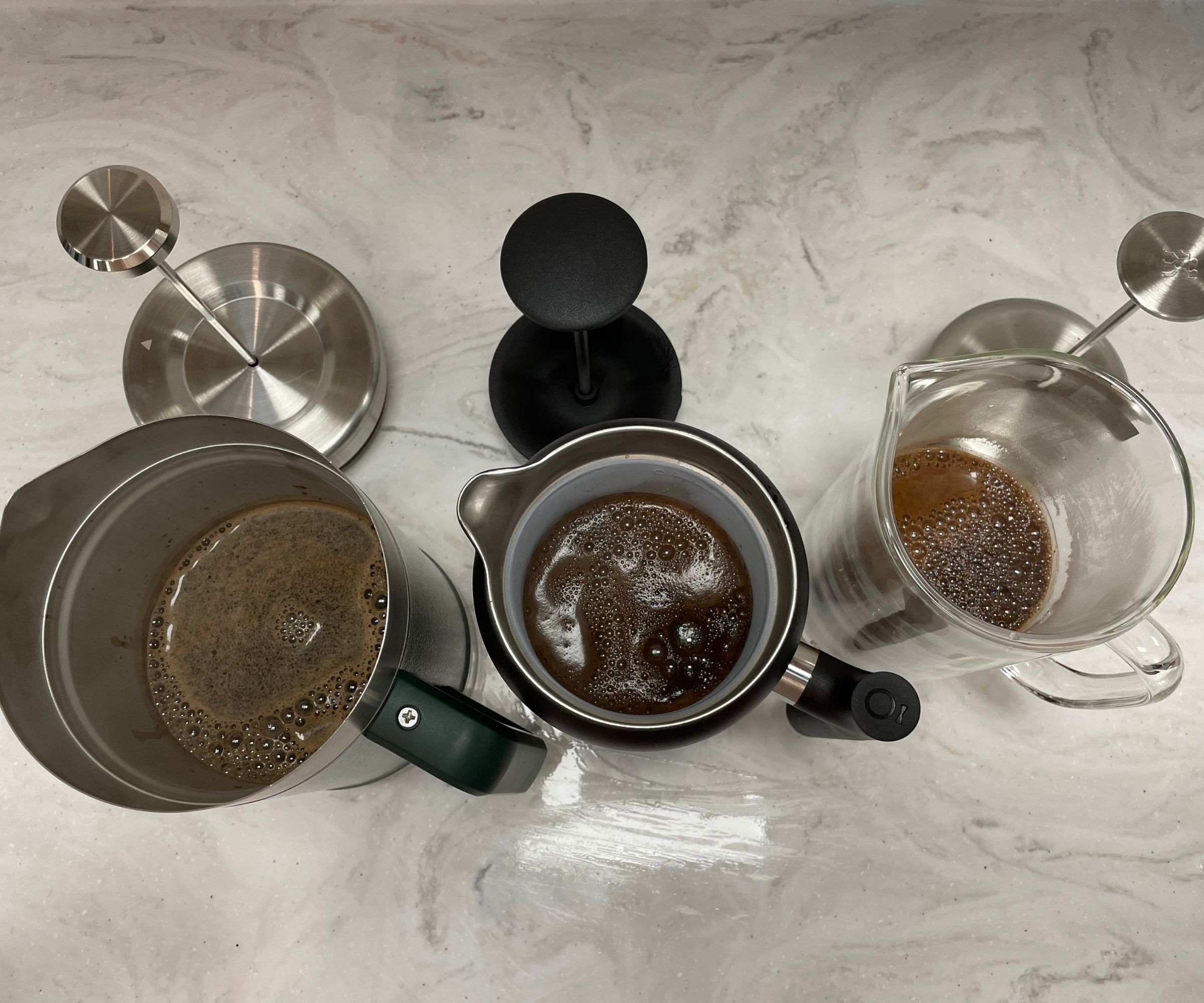
At Homes & Gardens, we have a rigorous testing process specifically for how we test coffee makers, and specifically non-toxic coffee makers. This allows us to evaluate each machine on its own merits, as well as in comparison to other models on the market.
What We Look For In a Non-Toxic Coffee Maker:
Safer Materials: Our process begins with careful research. We’re always on the lookout for coffee makers that prioritize toxicologist-approved materials – mainly stainless steel, glass, and BPA-free or PFAS-free plastics.
We also consider certifications like NSF or SCA approval, which usually signal safer, more reliable construction. Once we identify a promising model, we send it to our test kitchen or to one of our expert testers at home for hands-on evaluation.
Design & Quality: Once we have the coffee maker in our hands, we get testing. This begins with unboxing, which might sound small, but it's an important tell of a brand's attention to detail. We'll let you know whether we get any extra accessories and what our first impressions are of the coffee maker. Here's where we'll talk about the size, style, build quality, and anything else that jumps out at us aesthetically or in terms of safety.
Brilliant Brewing: Next comes the most exciting part for us caffeine addicts. We assess:
- Brew times for single cups and full capacity
- Flavor profile and consistency of each cup
- Heat retention / hot plate performance
- Ease of cleaning without harsh chemicals or scrubbers that could damage safe materials
We also make sure to try out any extra features, like integrated grinders or milk frothers, and assess whether or not they also maintain non-toxic standards
Comparison: After testing, we compare the product to the best coffee makers – we believe you shouldn't have to compromise if you're looking for a non-toxic coffee maker. We also consult online reviews, customer feedback, and warranty info to evaluate durability and ease of maintenance.
Our goal is to ensure that the coffee makers we recommend are not only enjoyable and convenient to use but also give you more peace of mind for daily use.
If you’re interested and want to find out more, you can read all about the process in our how we test coffee makers page.
Meet The Testing Team
What to Consider When Buying a Non-Toxic Coffee Maker
Espresso machines and unavoidable plastics: If you’re looking for a high-pressure espresso maker, it’s important to know that some plastic components are almost impossible to avoid entirely – believe me, I've spend hours and hours researching. Even the highest quality machines often have small gaskets, drip trays, or water reservoirs made from BPA-free plastics. The key is to focus on find a model that uses as little plastic as possible and keeps it away from the brew path.
Price vs longevity: You may have noticed some fairly expensive models in this guide. Non-toxic coffee makers may indeed cost more upfront, but stainless steel and glass designs are built to last. Think of it as a health investment that pays off over years of good brewing.
FAQs
Are Coffee Makers Toxic?
Some coffee makers stray into 'toxic' territory when they use cheap plastics where they should use stainless steel or glass. When heated to higher temperatures, these materials can release chemicals into your brew. Over time, these can be harmful. We have an article where medical experts and toxicologists answered our question, ‘Are coffee makers toxic?’ in great detail, if you would like more information.
What Are Toxins Anyway?
When kitchenware brands talk about ‘toxins’, they’re usually referring to PFAS or BPA.
First used in the 1940s, PFAS are chemicals that resist grease, oil, water, and heat. These chemicals are super stubborn, so they’re often found in products designed to be stain-resistant, clean, and dry (like cookware, cleaning products, and carpets). You may know them as 'forever chemicals.'
The FDA says, 'Exposure to certain PFAS types has been linked to significant health issues, such as increased cholesterol, high blood pressure, developmental effects, reduced immune response, altered liver function, and increased cancer risk.'
Similarly, BPA is an industrial chemical used to make polycarbonate, a hard, clear plastic, which is used in many consumer products. When heated to high temperatures, it can leach into your food or drink and affect hormonal balance.
Put simply, non-toxic kitchenware is designed to be safe to cook, eat and drink from. You can find more information in my guide to non-toxic cookware.
Are Coffee Beans Toxic?
There has been lots of debate around the question 'are coffee beans toxic?', but experts say not to worry. Coffee beans have recently been praised for their health benefits by the gut-health community, namely Tim Spector. The biggest residual concern is that when coffee beans are roasted, some reach temperatures high enough to burn them, forming acrylamides, which can have negative health effects. Buying premium beans and lighter roasts can help to avoid this concern.
How do You Find the Best Non-Toxic Coffee Maker Deals?
It's actually my full-time job to find the best coffee maker deals. All year round, I research the best coffee makers, exploring the newest models, rigorously testing popular machines, and tracking price trends to identify the best coffee makers with standout features, value, good design, and reliability.
I note down the prices of the top models in this guide, as well as the ones that just missed the list, so we can document price drops and compare prices – so we always known when the biggest discounts hit.
With years of experience, I know that Amazon Prime Day and Black Friday are the best times to shop premium, non-toxic appliances for less. Amazon is unbeatable for its vast selection, while Walmart, Best Buy, Target, Williams Sonoma and Wayfairexcel in rival sales. ’m always on the lookout for value-packed bundles that include extras like quality milk frothers or extended warranties, so you get the most out of every purchase.
If you haven't found your dream coffee machine on this list, I found this shopping filter at Sur La Table that provides more stainless steel and plastic-free options. You'll see some familiar designs from this list, as well as lesser-known brands that we haven't tested or rated that may be on sale.
Making Non-Toxic Coffee: Where to Shop Coffee Beans and Safer Accessories
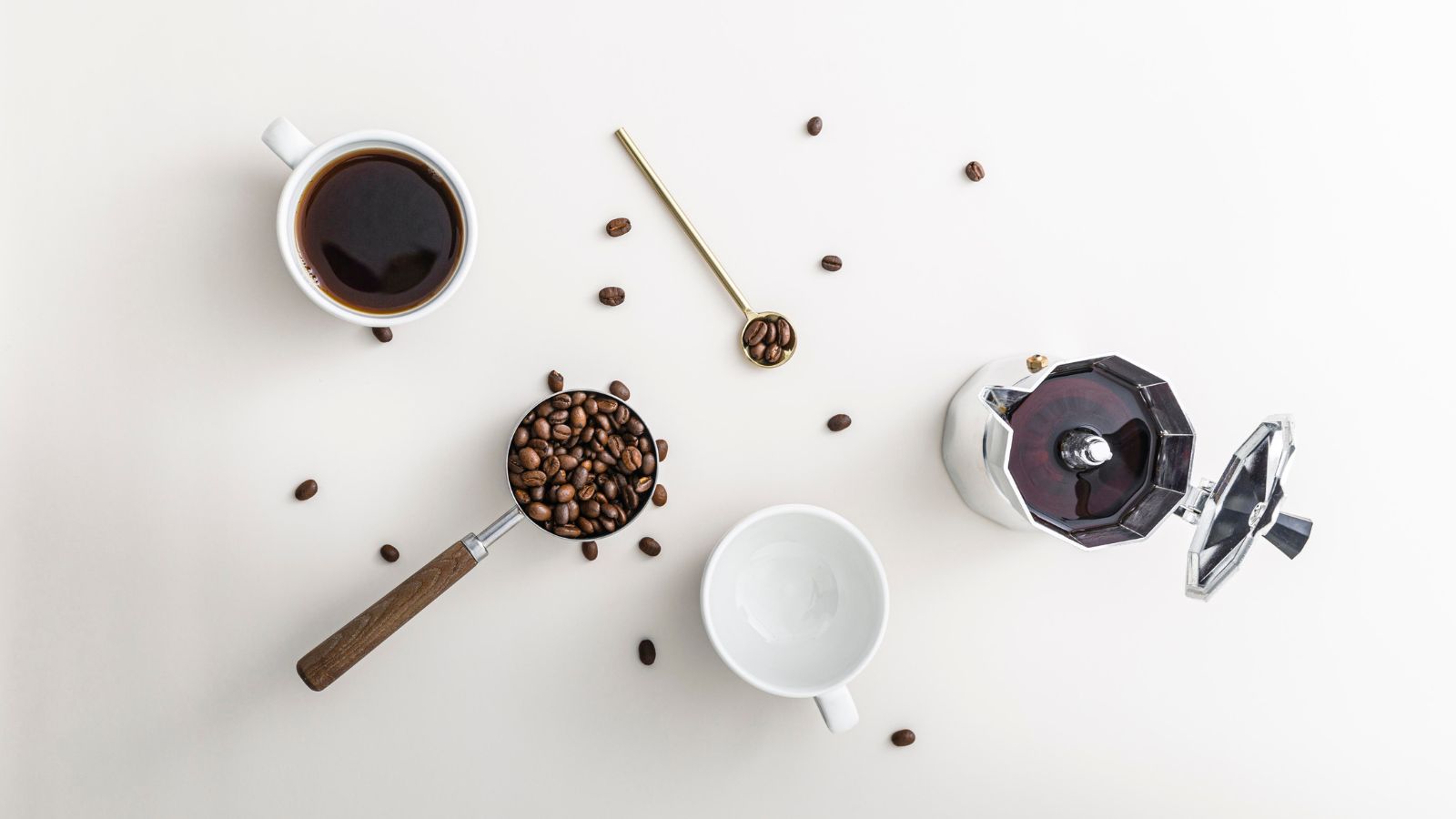
Buying a great non-toxic coffee maker is only the first chapter in the story. The rest of your coffee routine matters, too. Here’s how to shop smart to keep your brew safe from bean to cup:
- Coffee Beans: Our expert barista, Laura, has put together an interesting guide on how to choose coffee beans. She recommends opting for high-quality, fresh beans from trusted roasters and grinding them yourself. Organic and fair-trade beans are often grown without harmful pesticides. You might be surprised to know you can pick up organic beans in bulk at Target.
- Paper Filters: If you opt for a pour-over or Aeropress coffee maker, you'll need to use paper filters. Look for unbleached, chemical-free options to avoid leaching – Amazon always has an array of options that are clearly marked.
- Tools: There is no point investing in a great stainless steel coffee maker, then stirring your brew with a black plastic kitchen utensil. You can find bamboo scoops and steel stirrers at many retailers, like Crate & Barrel, for example. I've written a guide to my favorite plastic-free coffee accessories, too.
- Travel Cups & Mugs: Similarly, don't risk pouring your coffee into a PFAS-filled flask. Avoid black plastic coffee cups and opt for steel-lined, ceramic, or BPA-free options wherever possible (you can shop reliable options in our guide to the best travel mugs). Even when I'm drinking takeout coffee, I remove the black plastic lids.
If you're on a health kick in your kitchen, I've rounded up more guidance on how to find safer appliances and which buzzwords to trust in a short guide to the best non-toxic kitchen appliances.