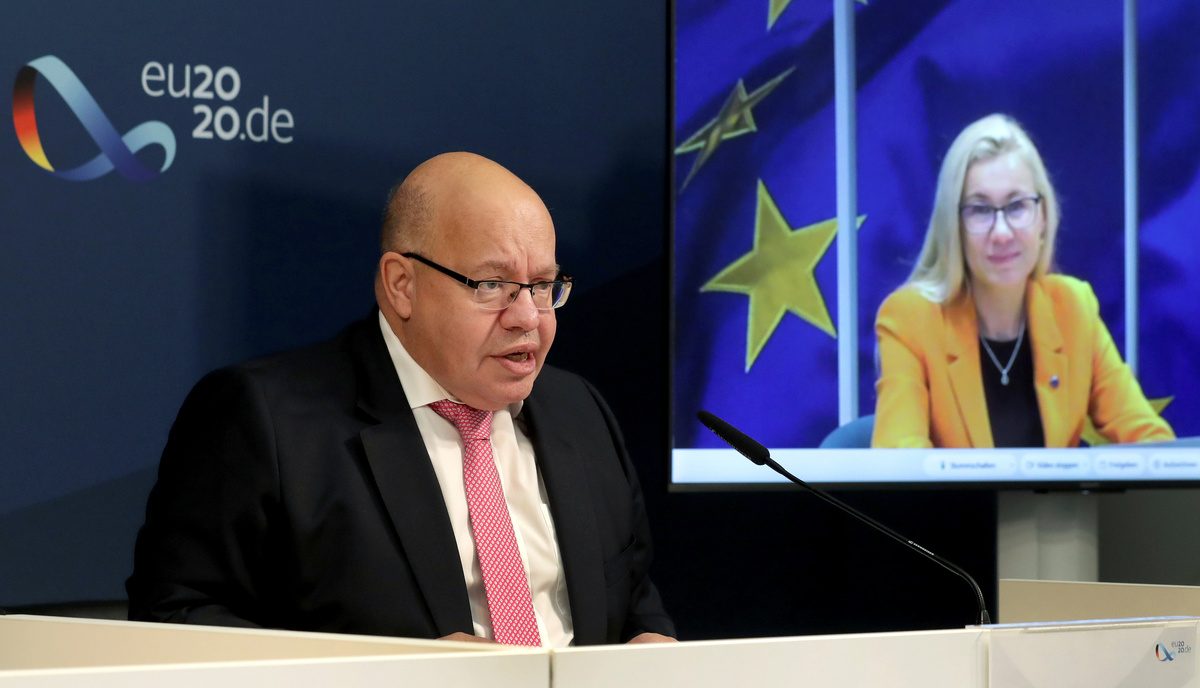
A proposal being voted on in the European Parliament (EP) on Tuesday to cut the EU bloc's greenhouse gases emissions by 60% over 1990 levels by 2030, will be discussed within the German coalition government's cabinet, Germany's economy minister said.
"I won't judge it," Peter Altmaier said in response to a question ahead of an EU energy ministers' meeting.
"It also needs input from the environment minister," he said, referring to Svenja Schulze, his colleague in the Berlin ruling coalition government which currently holds the EU presidency.
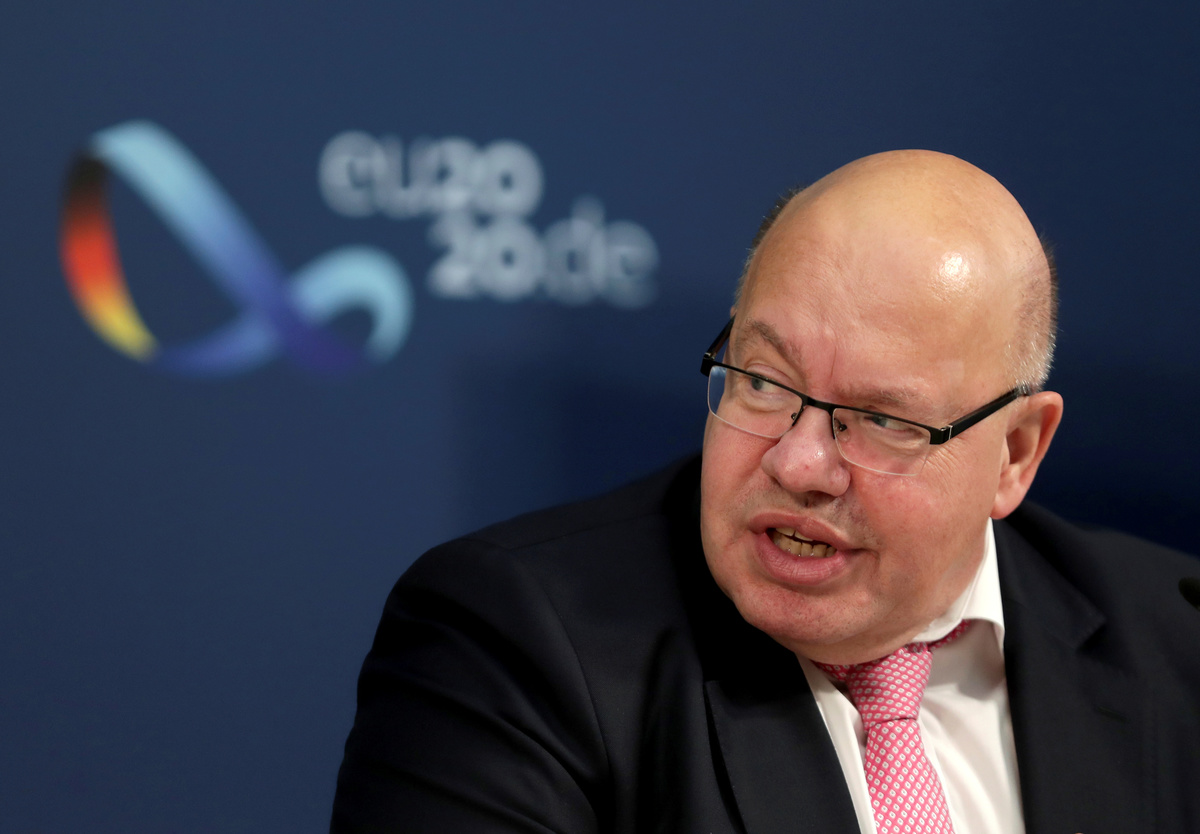
The EU is in the process of setting a new, more ambitious 2030 emissions target, a step in its long-term plan to become climate neutral by 2050.
But member states and the EP, who together need to strike a deal on the target, are split over how ambitious it should be.
Some lawmakers are pushing for a 60% emissions cut that would go beyond the reduction of "at least 55%" proposed by the EU's executive Commission. But that will face resistance from some eastern and central member states who say a goal of 55% is already too ambitious.
Germany's Schulze, of the Social Democratic party that is the junior partner in a government led by Chancellor Angela Merkel's conservatives, is leading negotiations between EU environment ministers and aims to bring countries around to supporting the "at least 55%" target by the end of the year.
But the political sensitivity of the target means the decision will likely be handed to the heads of EU governments - who take decisions by unanimity, meaning one country could block the target.
The current goal is a 40% emissions cut by 2030, and raising it will have huge implications for all industrial sectors, the expansion of renewable energy, the build-up of a hydrogen market and the future use of coal, gas and oil.
(Reporting by Vera Eckert and Kate Abnett, editing by Riham Alkousaa and Kirsten Donovan)