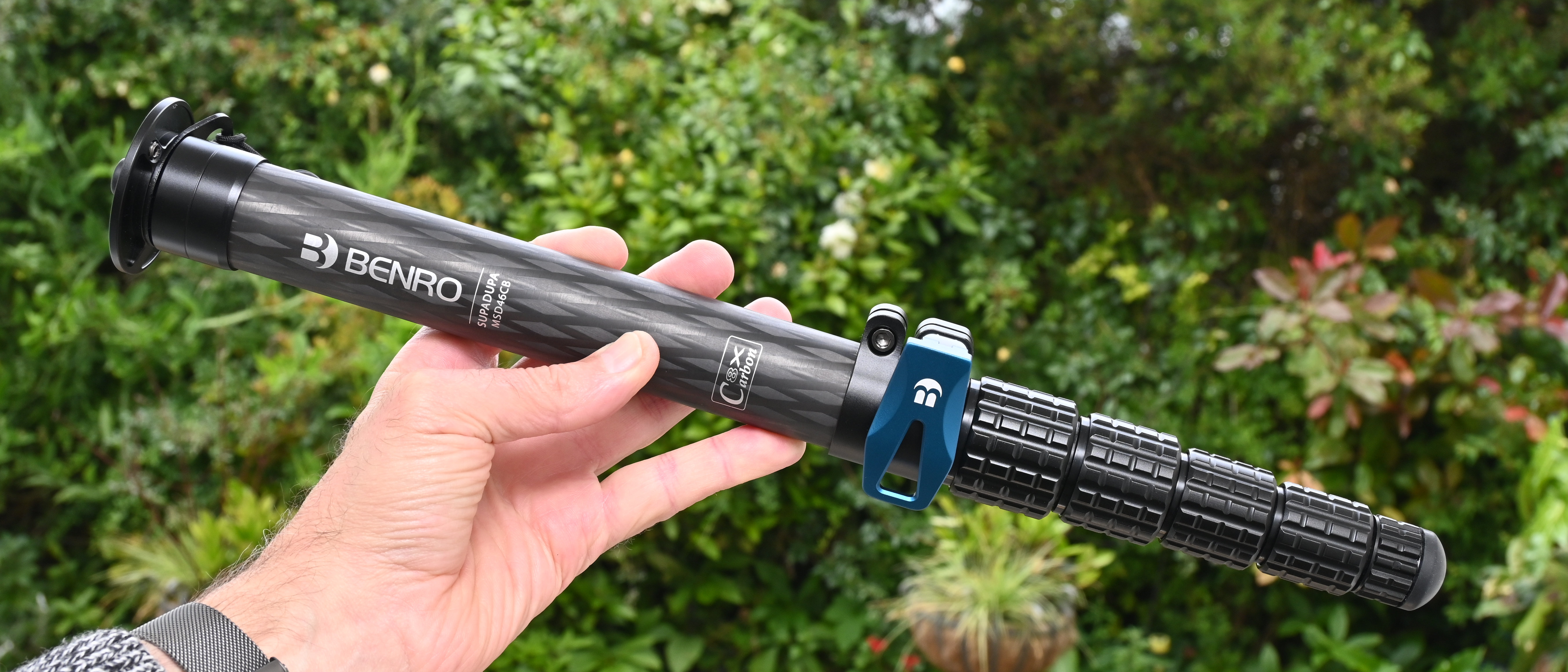
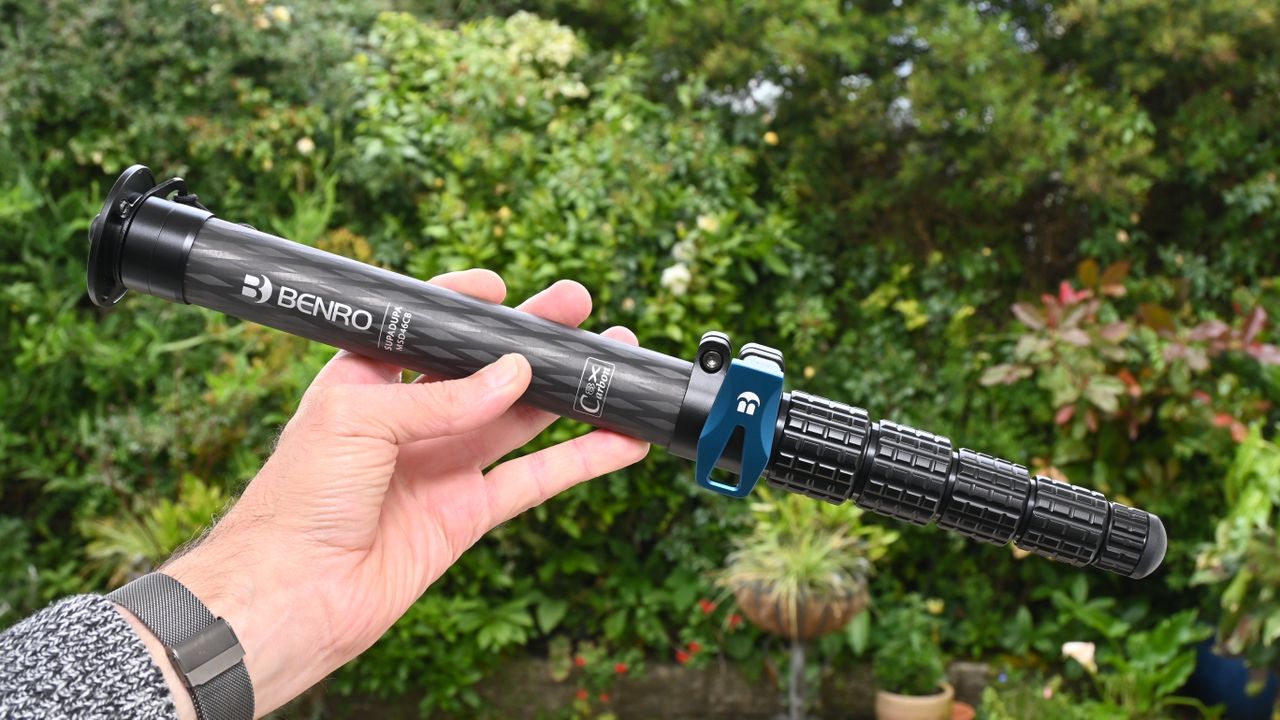
When it comes to tripod manufacturers, Benro might not be as famous as a couple of its Italian cousins, but this Chinese company has been up and running for more than 30 years and has manufactured some of my personal favorite professional-grade tripods, monopods, and support accessories during that time. I’ve tested and reviewed quite a few of them over the last decade and bought a couple as a result, subsequently being completely happy with them over long periods of time.
The monopod that I’m reviewing here is from the SupaDupa line-up. Typical of Benro products in general and SupaDupa monopods in particular, it’s cleverly designed with innovative features, expertly engineered, and immaculately finished. As such, it aims to be one of the best monopods for photographers on the market today. Whether you need to support the heavy load of a big telephoto lens or just beat the shakes when using slow shutter speeds, this Benro should prove well up to the task.
Benro MSD46CB SupaDupa: Specifications
Material |
Carbon fiber |
Folded height |
43.5cm / 17.1in |
Maximum operating height |
177cm / 69.7in |
Weight |
0.58kg / 1.3lb |
Load rating |
40kg / 88lb |
Leg sections |
6 |
Top plate |
60mm / 2.4in |
Feet |
Spinning foot, metal spike |
Case/bag included |
Padded bag |
Benro MSD46CB SupaDupa: Price
What price a monopod? The Benro MSD46CB Black Diamond SupaDupa costs $170 / £180, which is pretty much at the upper end of the scale, especially for a Chinese-manufactured monopod, although you can expect to pay more for a top-of-the-range Manfrotto or Gitzo, both of which are made in Italy. For comparison, we reviewed the similar Benro SupaDupa Pro MSDPL46C, which lists at an even pricier $209 / £209 and is shorter but heavier, though it does come complete with a useful leveling pan head, which is absent from the MSD46CB I’m reviewing here.
Benro MSD46CB SupaDupa: Design & Handling
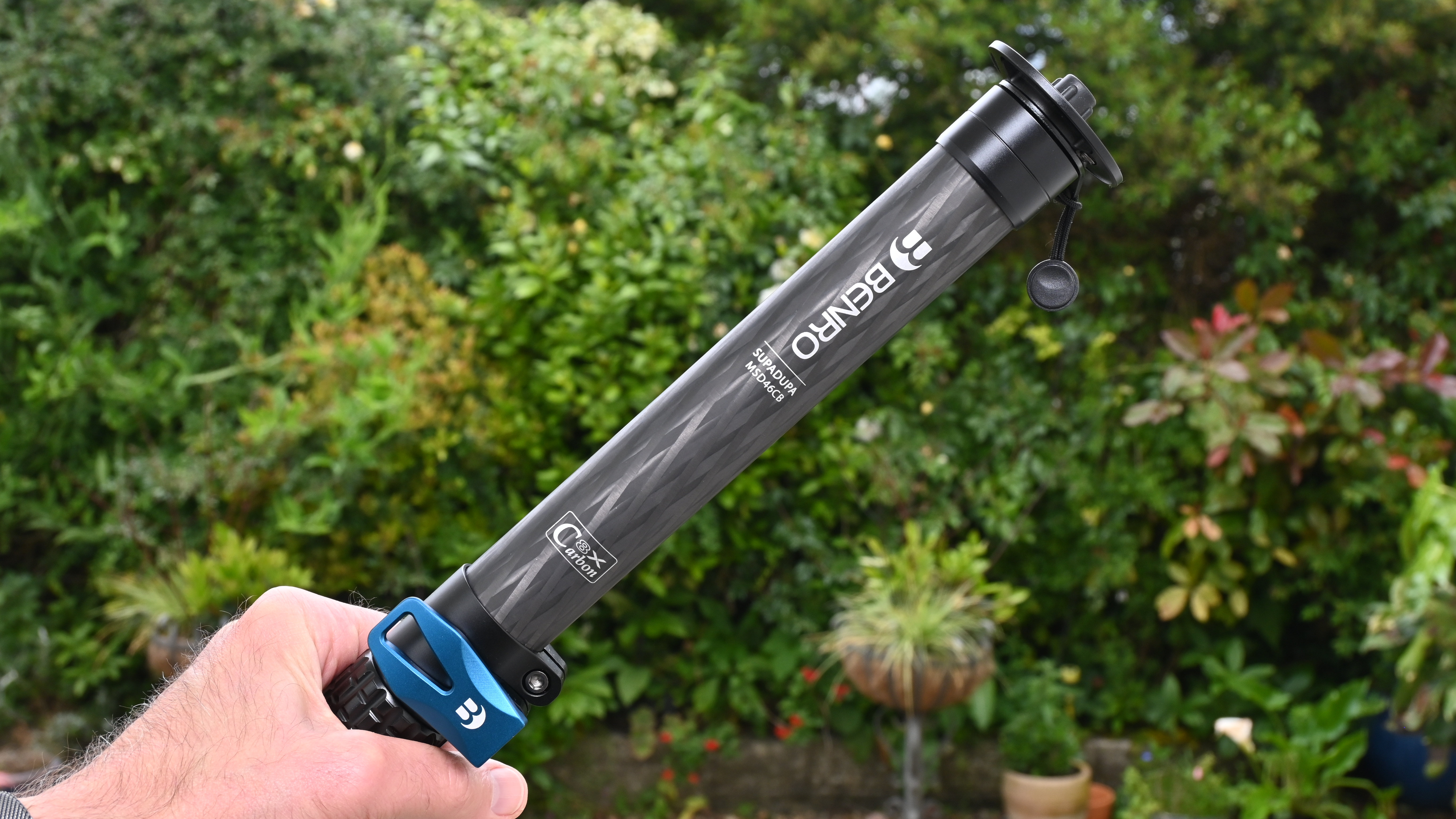
There are a lot of things I like about this Benro monopod, but top of the list is the 8-layer carbon fiber from which it’s made. The look and finish of the carbon fiber absolutely scream ‘quality’, and as I’ll come to later, that translates into superb performance. And although impressively rigid even at full stretch, the carbon build helps to keep the weight down to an easily manageable 0.58kg or 1.3lb. That’s despite the monopod having a mighty maximum payload rating of 40kg / 88lb.
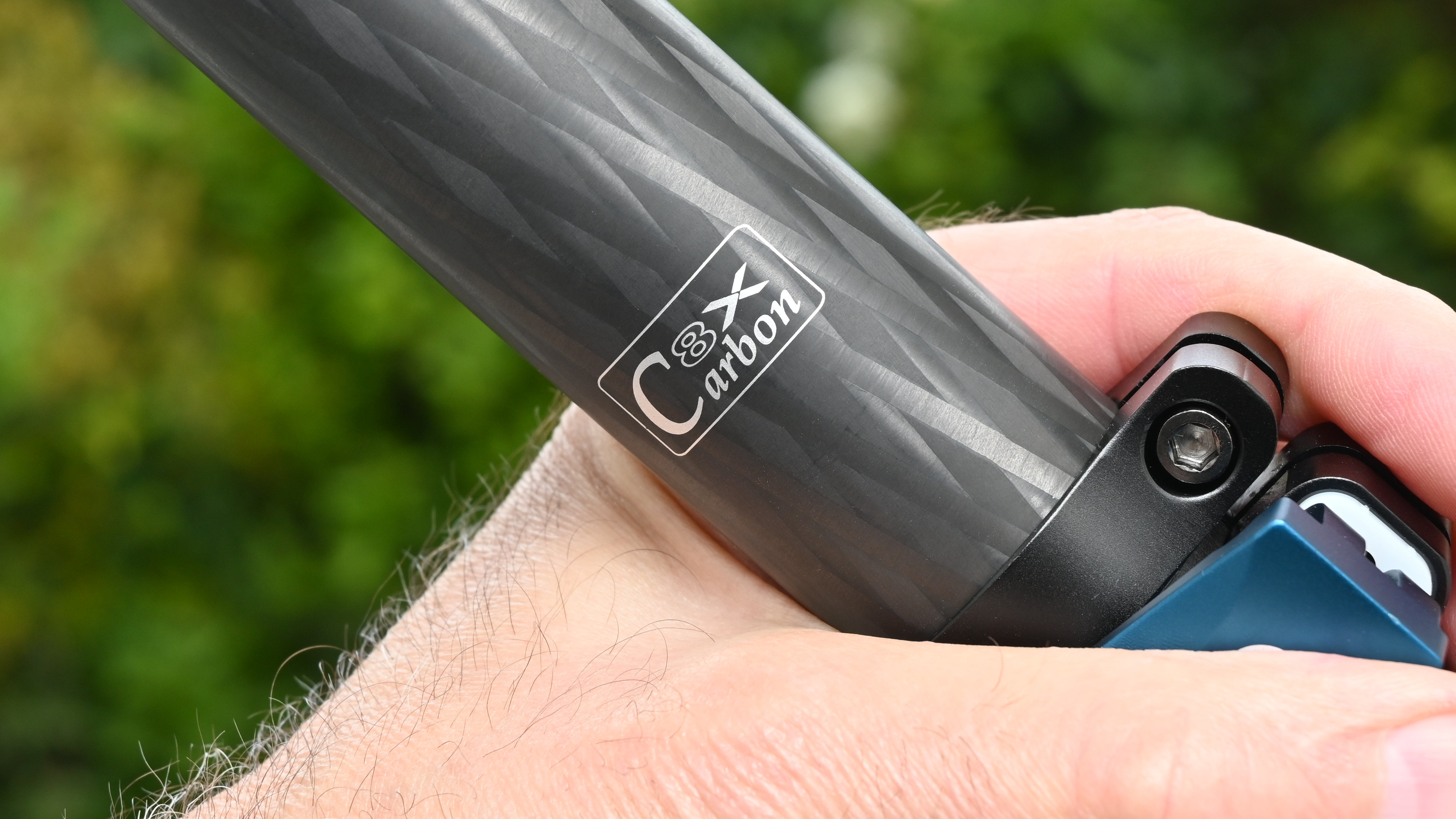
Speaking of full stretch, I’m a tall guy and have often been disappointed that even some of the best monopods on the market are simply too short for me to use without stooping. That’s definitely not a problem with this Benro, as it extends to a relatively towering 177cm, or 5ft 10in. Just like with the huge payload rating being delivered by a lightweight construction, the lofty maximum operating height comes with a surprisingly small stowage length of just 43.5cm or 17.1in. That’s made possible by no less than six telescoping leg sections.
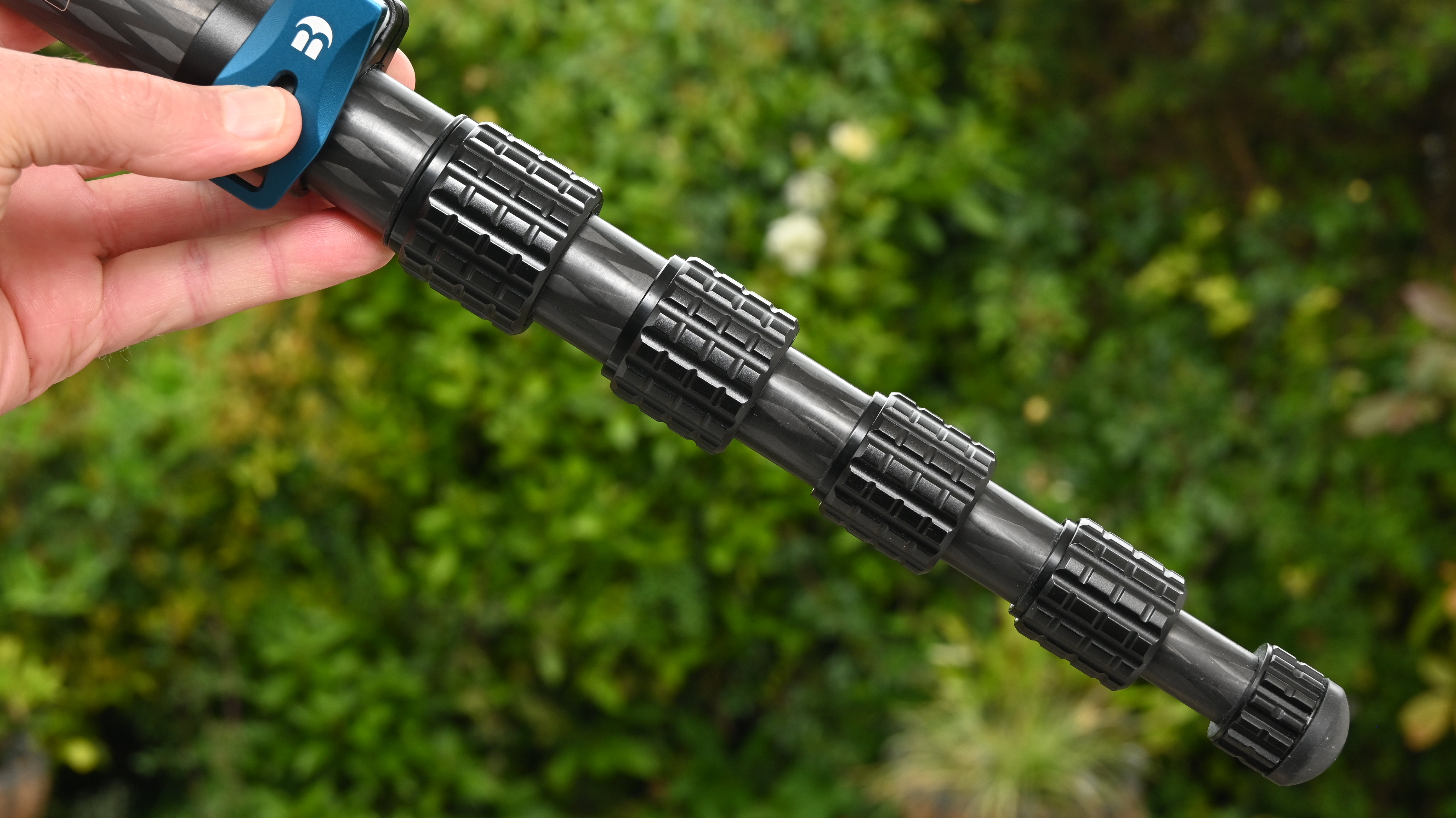
Okay, I’d be the first to admit that such a large number of leg sections would normally equate to a couple of compromises. First up, as I’ve experienced with many travel tripods, the bottom sections often tend to be very thin and spindly, and therefore lacking in strength and rigidity. That’s not the case here, as even the bottom section has a generous diameter of 21.8mm (0.9in), with a robust and rigid feel to it.
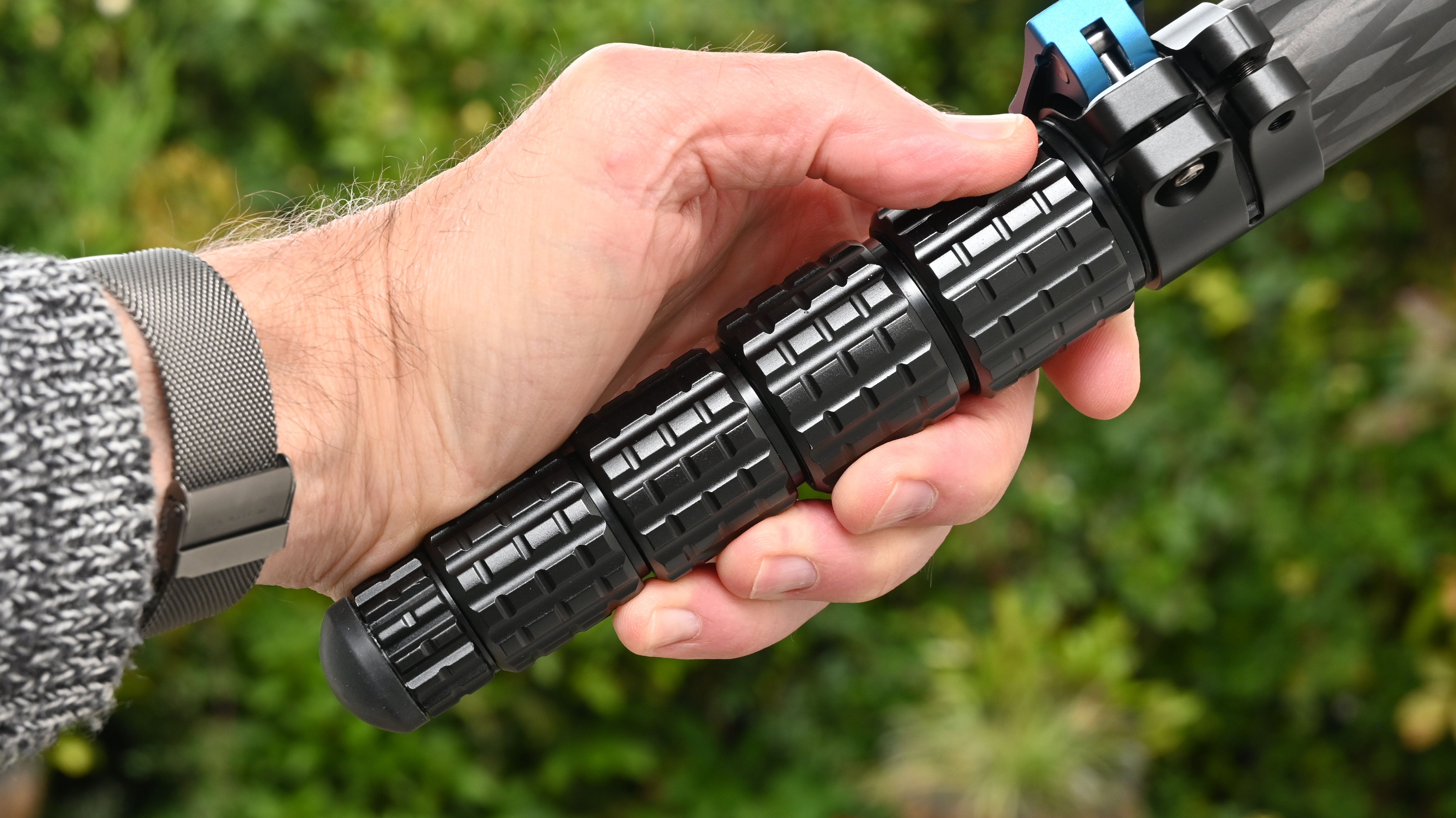
The second compromise is that six leg sections require five separate clamps to release and lock them, which brings the prospect of the monopod being a time-consuming chore to use. As it turns out, the bottom four telescoping sections each have a twist-action lock. They’re pretty quick and easy to use, partly because when the monopod is contracted, you can grab all of the twist clamps in one handful and loosen or tighten them in a single gesture.
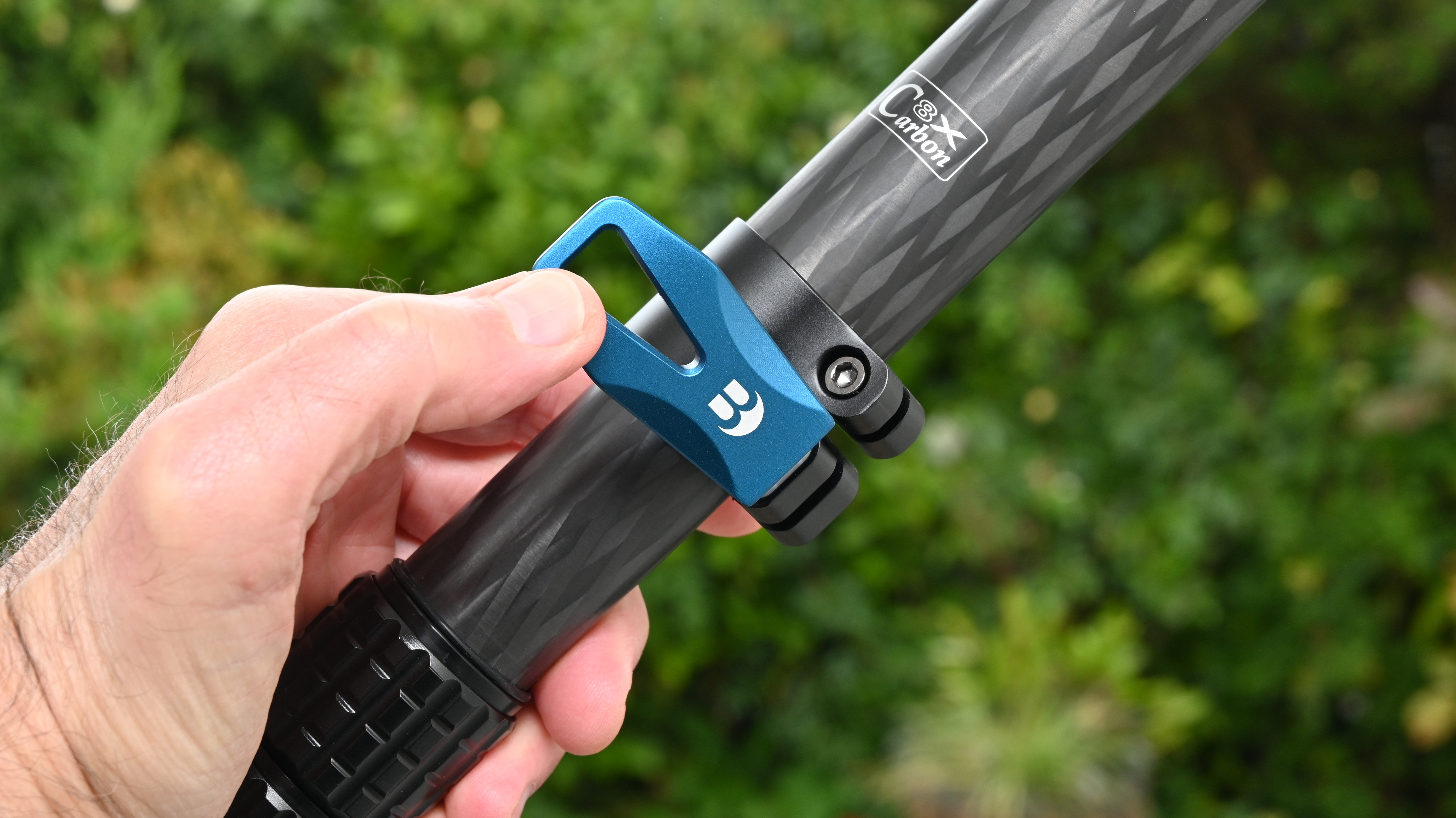
The top telescoping section is different from all of the rest, as it has a quick-release flip-action lock. Not only is it easy to locate by feel when your eye is to the viewfinder of your camera, but it’s super-speedy to operate. When using the monopod, I find that I generally tend to extend all of the lower sections and just rely on the top section with its flip lock for making any height adjustments. That makes using the Benro speedy and simple.
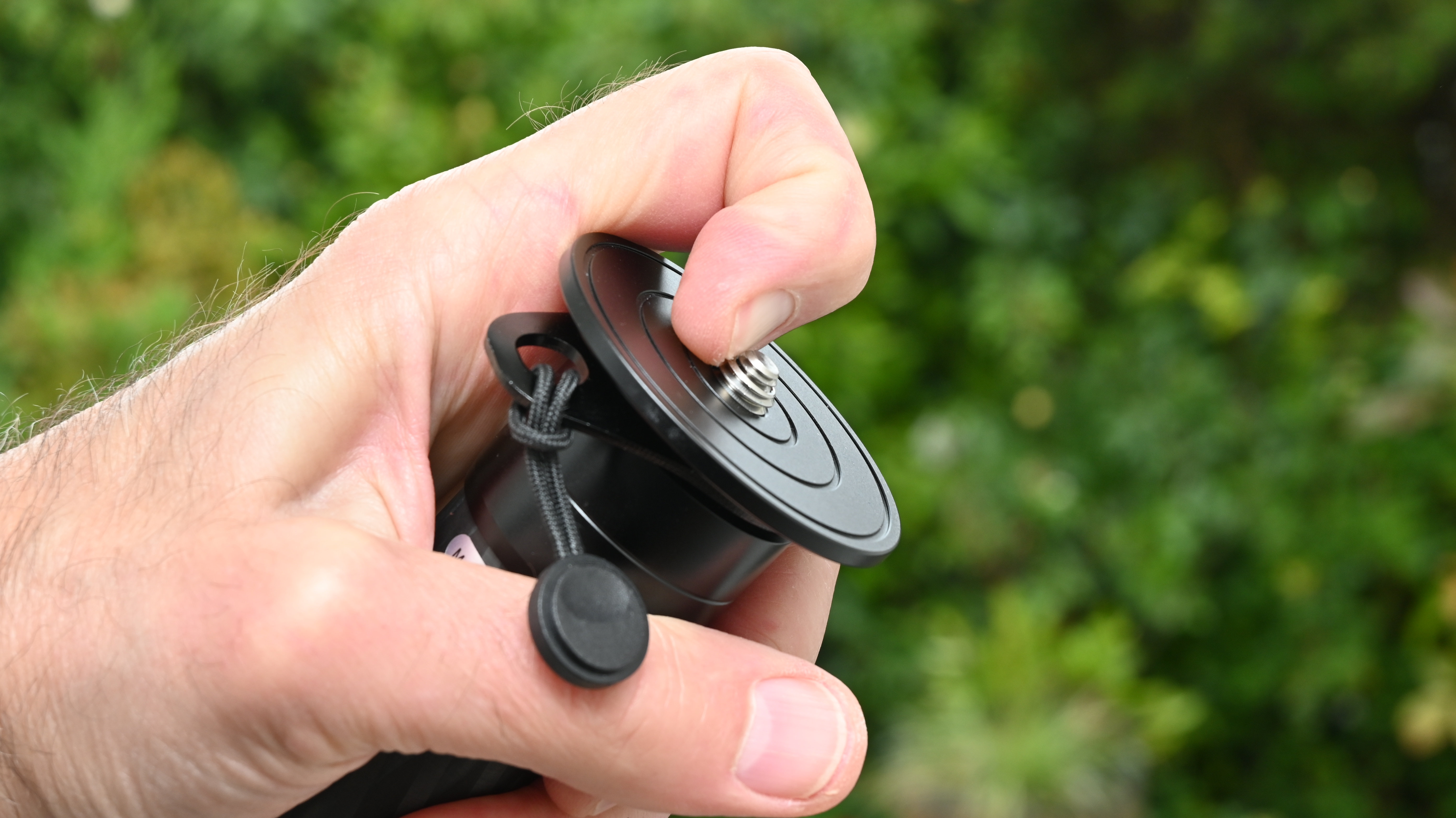
I’m a little disappointed that the monopod doesn’t come with a head, but I know a lot of photographers who find it unnecessary to use a head with a monopod. And at least if you do want to use a head, you can buy one of your choosing. Either way, the monopod has a 60mm / 2.4in diameter circular platform up top, which should prove ideal for mounting a camera or the mounting ring of a big, heavy lens, or indeed a head.
A crafty bit of design is that the securing screw for any of these has a dual-diameter spring-loaded arrangement, so the larger 3/8in thread automatically retracts to reveal a 1/4in thread if you need the smaller size. If you’re fitting a head on the monopod, there’s also a grub screw in the platform to ensure that it doesn’t work loose.
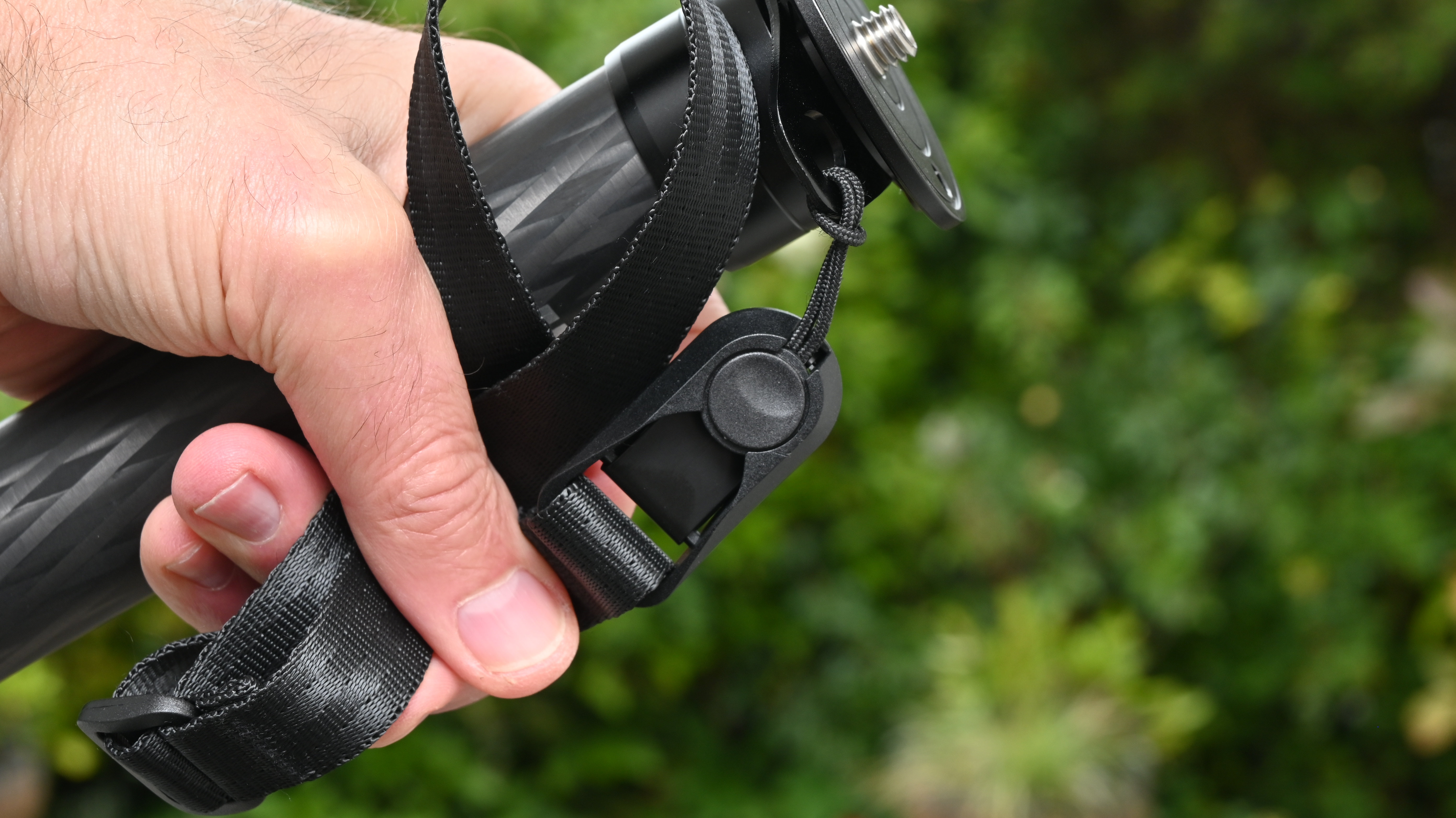
Another thing that you don’t want to be working loose is your grip on the monopod, sending your camera and attached lens crashing to the ground. I’m reassured that the monopod features a wrist strap, and it’s a particularly good one at that. Not only does it have an adjustable diameter to securely fasten around any size of wrist, but it also has a push-button, quick-release clip so that you can quickly and easily remove the wrist strap if you feel the need. The quick-release clip can also be easily removed from the securing lug to which it’s tethered.
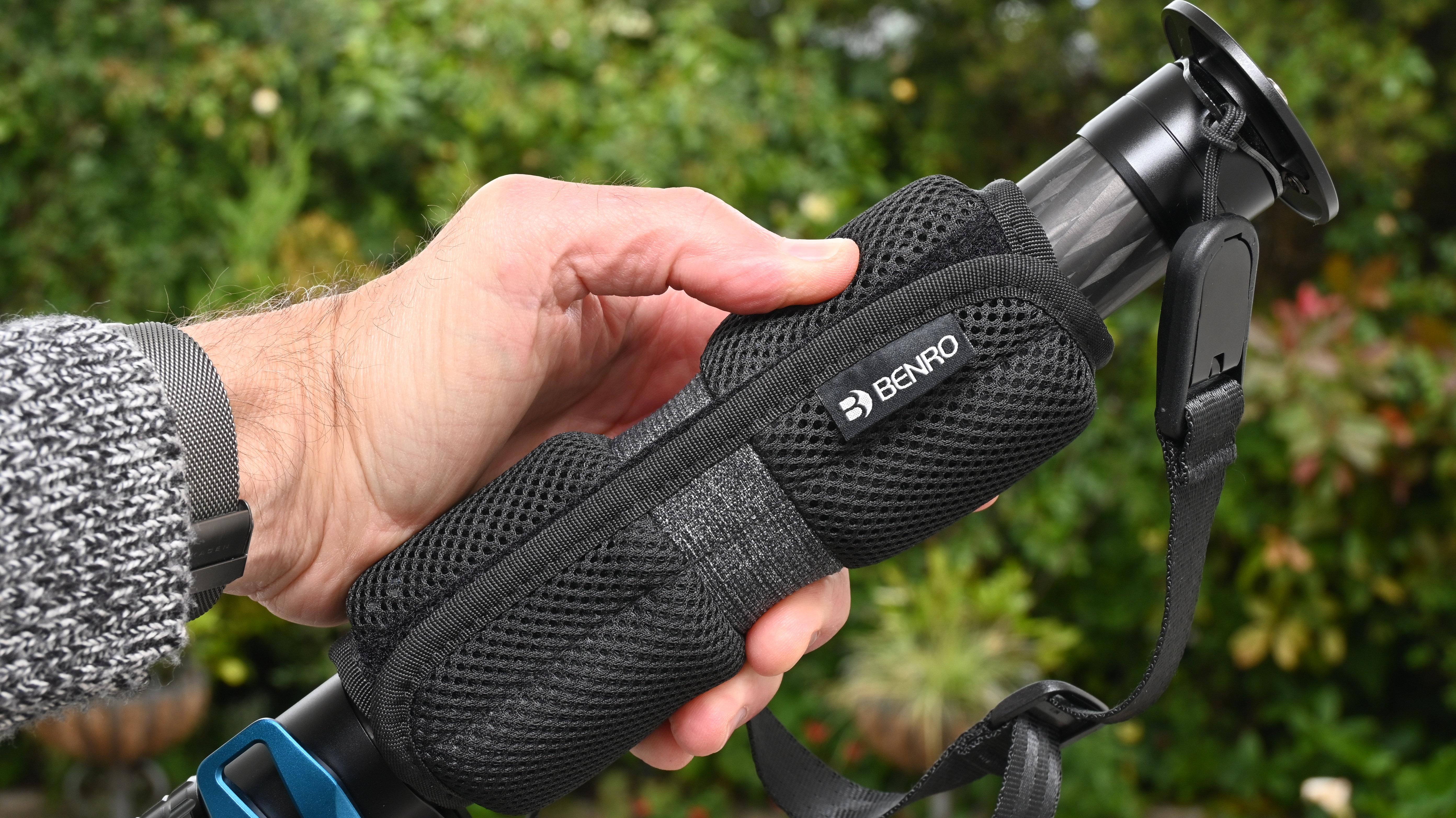
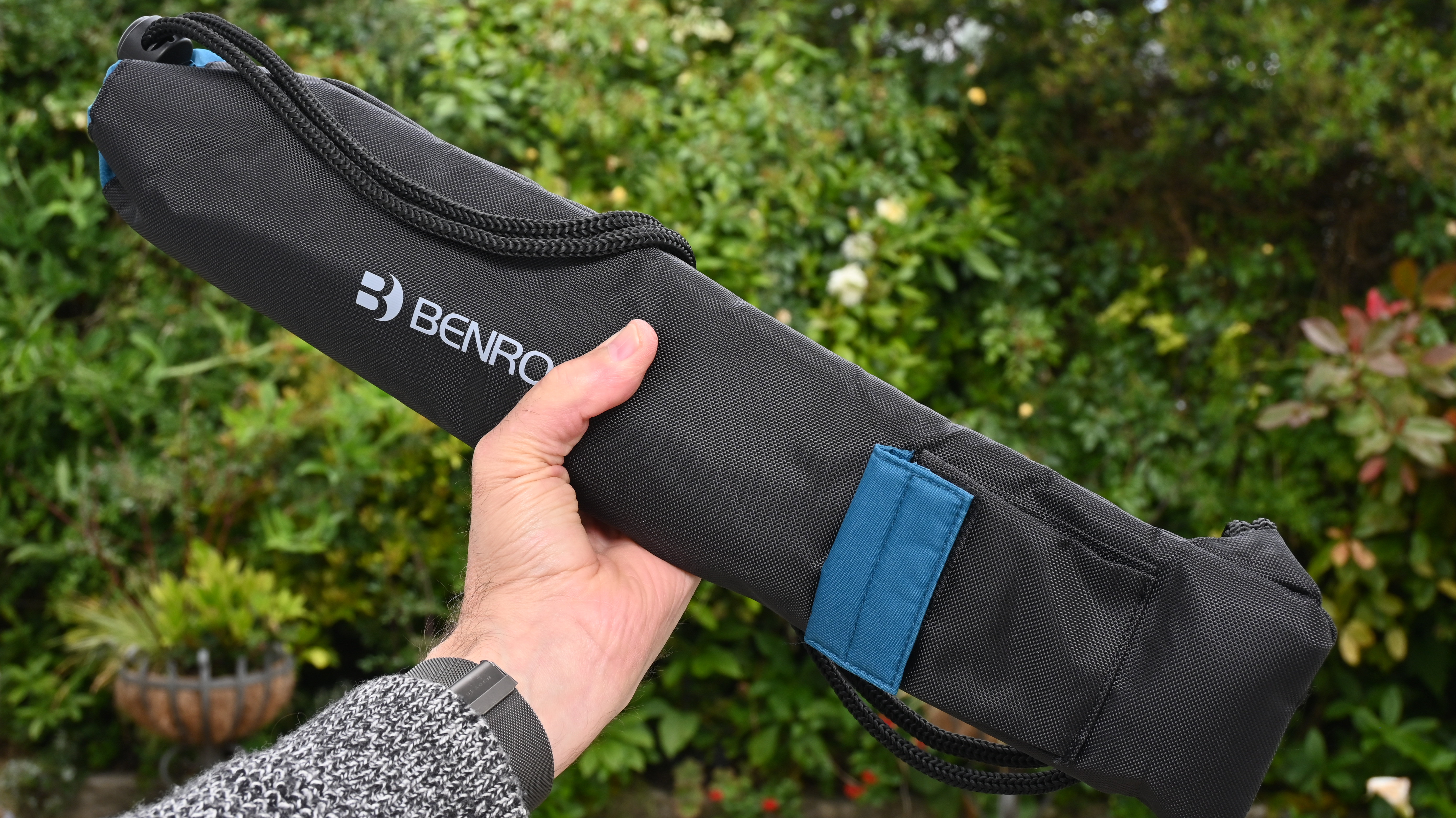
Keeping a secure hold on the monopod is also aided by the inclusion of a Benro SupaDupa Shoulder Pad in the kit, a standalone version being available on its own for $20 / £15. It’s a really neat comfort pad that you can wrap around the monopod, with a rubberized, anti-slip inner surface, a padded mesh exterior, and a Velcro strip to keep it in place. You can actually use it with any monopod or tripod leg that has a diameter of between 32mm and 37mm (1.3in and 1.5in).
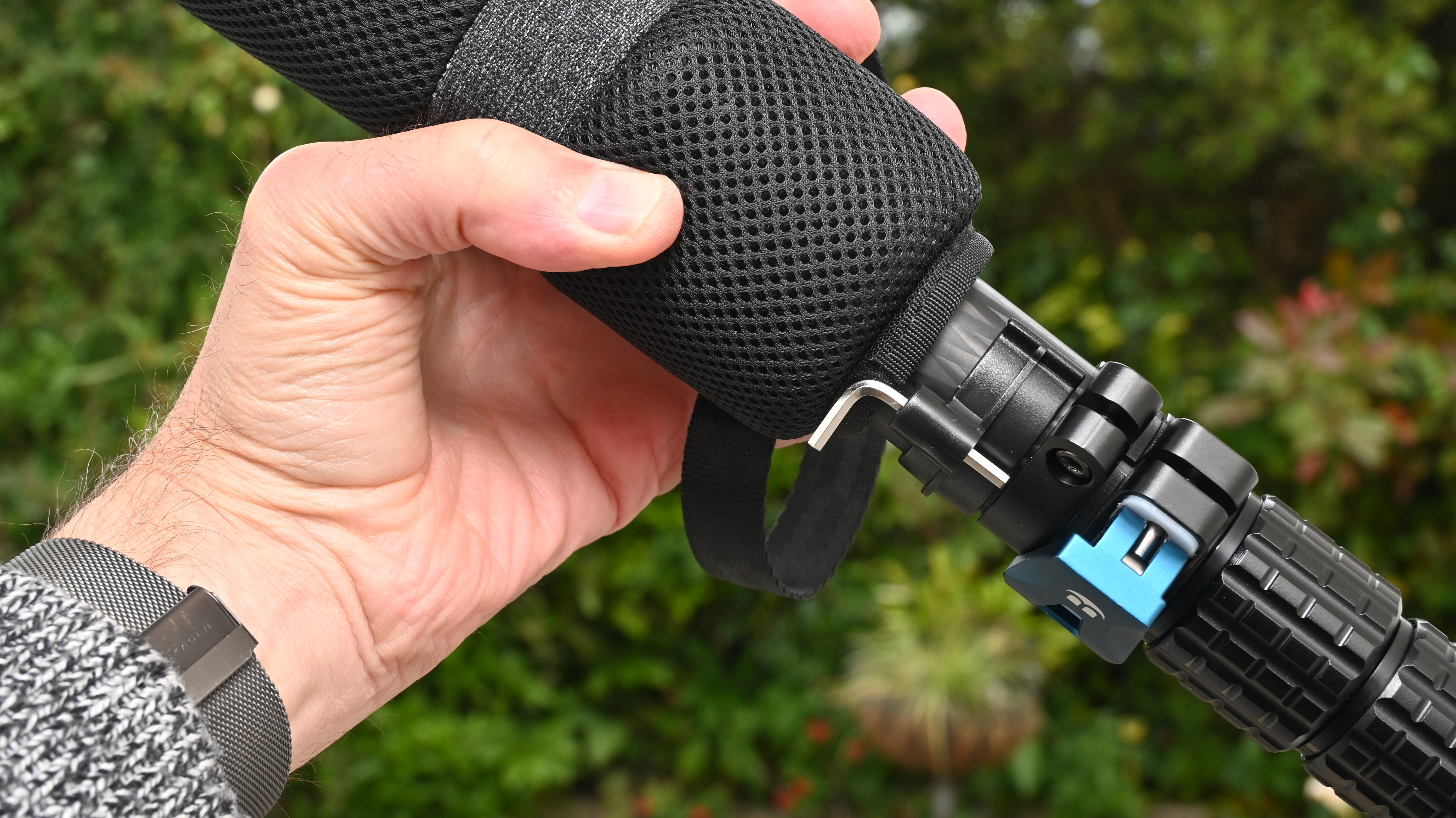
Neat extras include a couple of hex keys for making adjustments if and when needed, and there’s a clip for attaching one of them to the monopod if you feel you might need to use it when you’re out and about.
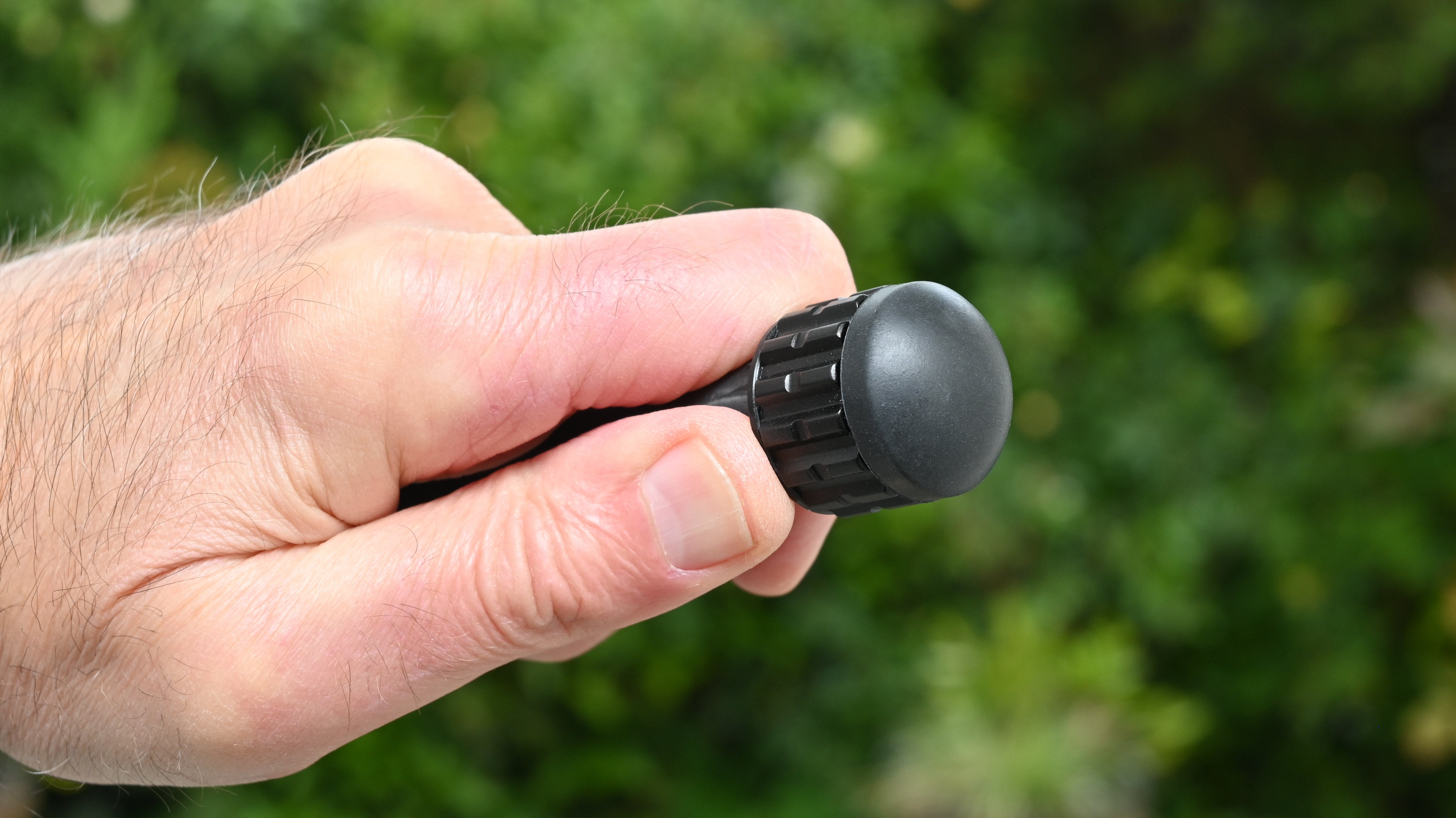
Even the foot of the monopod is pretty smart. I find that I’m often given to panning when using a monopod, as I use them with heavy telephoto lenses while tracking wildlife and sports subjects in motion. The fixed foot of most monopods tends to try to drill a hole in the ground during the process, and can make panning feel stiff and jerky. This Benro monopod features a spinning foot, which glides on its own V-profile roller bearing cage, making panning actions silky smooth.
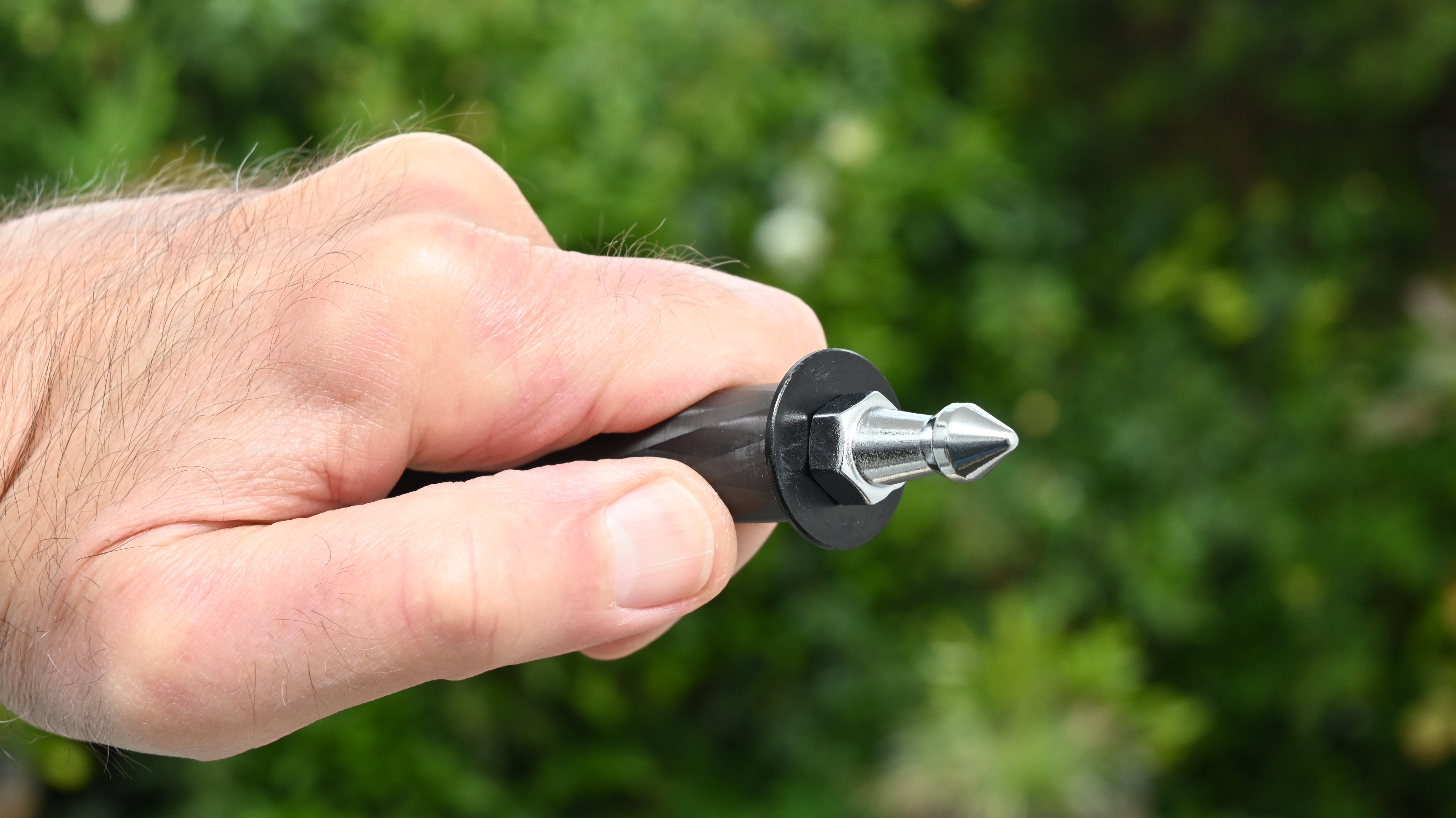
If panning’s not your thing and you feel the urge to ram the bottom of your monopod into soft ground for a more assured footing, you can swap out the spinning foot with its rubber pad for a metal spike that’s supplied as part of the kit. You simply unscrew one and screw in the other, which takes minimal time and effort.
Benro MSD46CB SupaDupa: Performance
If I had to sum up the performance of the Benro MSD46CB Black Diamond SupaDupa Monopod in two words, they’d be ‘speedy’ and ‘sturdy’, but allow me to embellish. I like that, with no fewer than six telescopic sections, the monopod folds down small, but has a really tall maximum operating height.
That would usually come with the pain of setup and take-down being time-consuming chores. However, the provision of a flip-action clamp for the top section and twist-action clamps for the lower sections actually makes the monopod quick to extend and fold down again. It also makes any required height adjustments fast and effortless while the monopod is actually in use.
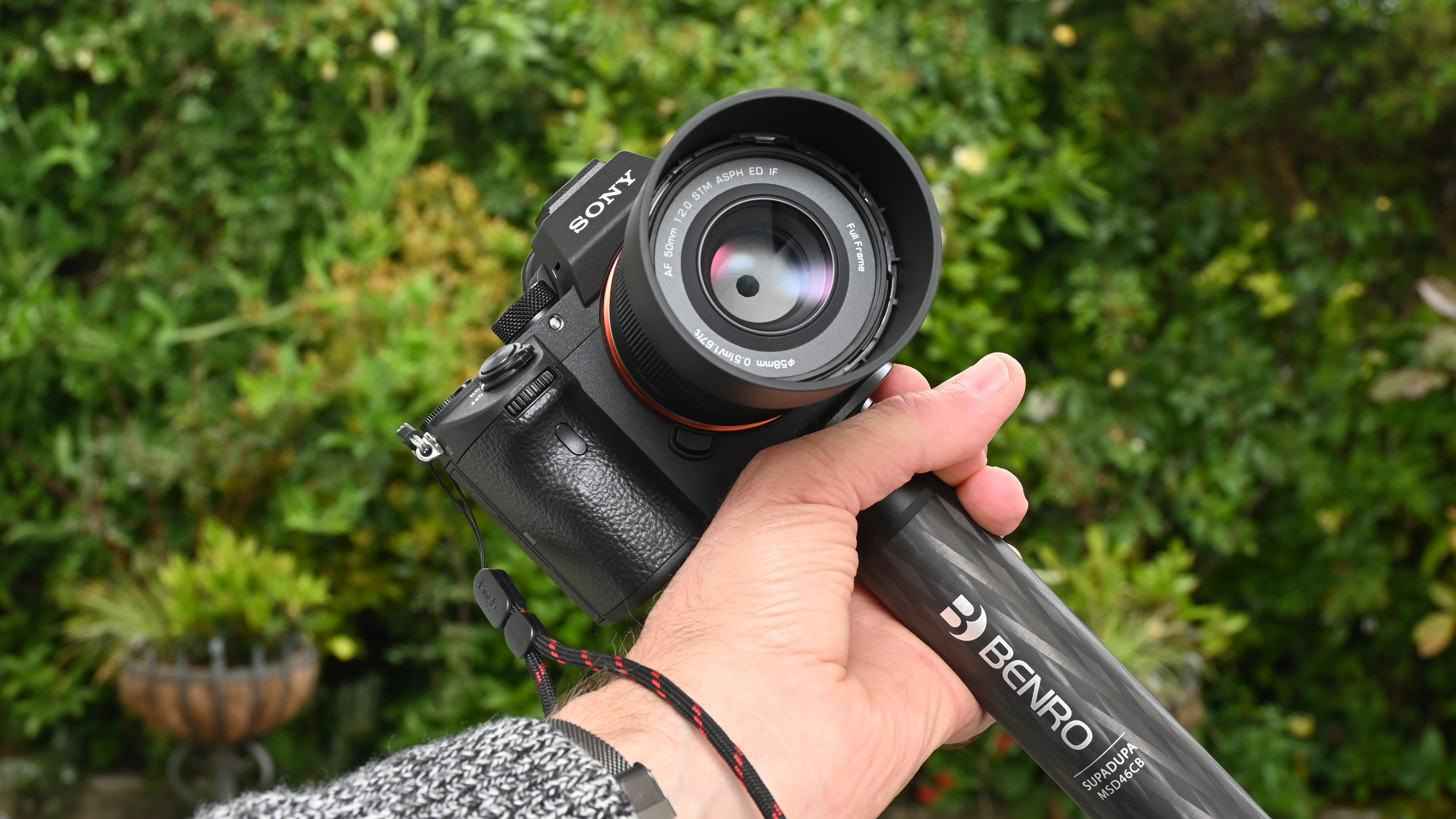
Then there’s the stability. I’m of the ‘fat legs first’ school of monopod and tripod use, in that I generally extend the larger-diameter top legs first and only deploy the relatively thin bottom ones if I really need to. I use this Benro rather differently, extending all of the lower sections, all of the time, and then extending or contracting the fattest top section with its flip-action clamp to apply any necessary height adjustments. In practice, that works really well, and the monopod remains rigid and extremely resistant to any unwanted flexing, even at its maximum operating height with everything fully extended.
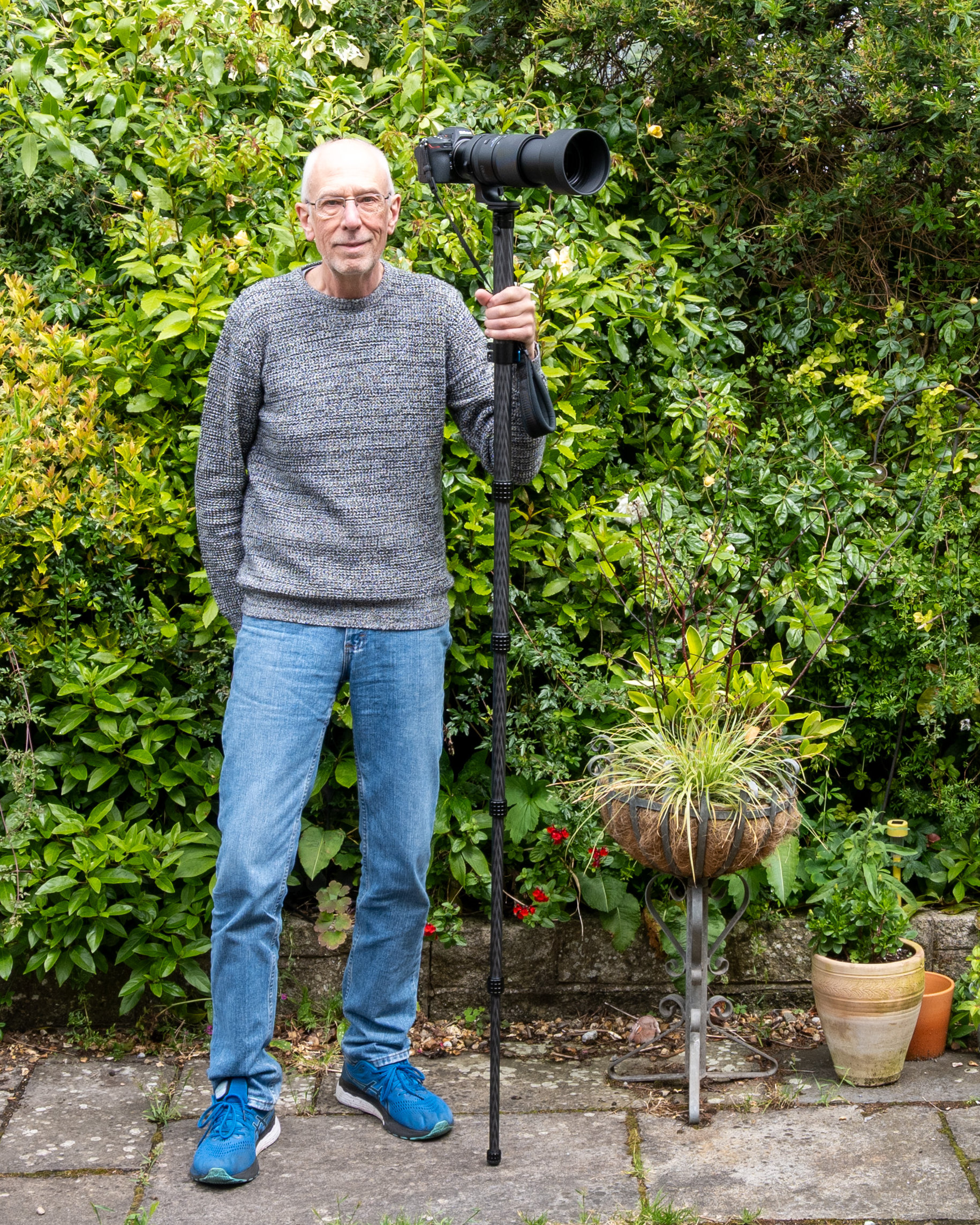
And to finish with just a little thing, that spinning pad on the foot with its roller bearings gives a huge performance boost when you’re panning or just tracking subjects in motion.
Benro MSD46CB SupaDupa: Verdict
The Benro MSD46CB Black Diamond SupaDupa is definitely one of the best monopods I’ve ever used. It’s cleverly designed, superbly well-engineered, immaculately finished, and performs flawlessly. I really like that it folds down nice and small, and is really lightweight for the journey, yet stretches to a very generous maximum operating height and has a mighty payload rating.
The carbon fiber is of particularly good quality, and the clamps all work with smooth precision. I like the mix of twist-locks and a flip-action lock up top, which work brilliantly well together, enabling speed and ease of use. The spinning foot makes the Benro an absolute joy to use for panning shots. My only gripe is that Benro’s rather excellent leveling pan head isn’t supplied as part of the kit, despite the monopod being particularly pricey to buy.
|
Features ★★★★★ |
From the clever quick-release wrist strap and dual concentric securing screws up top, through the different types of section clamps, right down to the spinning foot at the bottom, the monopod is rich in useful features. |
|
Design ★★★★★ |
The design is a bit of a masterclass in how a monopod should be made, and the build quality is epic, featuring top-grade carbon fiber. |
|
Performance ★★★★★ |
Even when using the monopod at its maximum height to support heavy camera and lens combinations, it gives rock-solid support with no unwanted flexing or vibrations. |
|
Value ★★★★☆ |
This Benro is very pricey for a monopod bet well worth the money, even if you do need to buy a head separately (if you want to use one). |