Channel 4’s controversial documentary series Benefits Street will return next month with a man shown taking and dealing drugs and the press being hounded off the estate by residents angry at their portrayal in the media.
The show’s second series was filmed on the Kingston Road on the Tilery estate in Stockton-on-Tees against the wishes of many community leaders who accused it of demonising people on benefits.
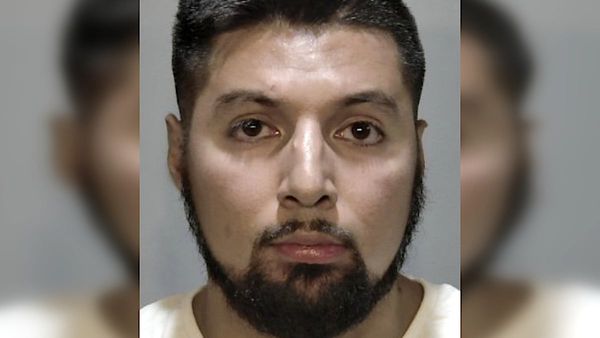
It will feature Neil Maxwell, 35, an unemployed drug dealer with a string of convictions who is shown taking and dealing in cannabis and claims £700 a month in benefits.
Maxwell, one of the central figures of the first episode, has been convicted for fraud, resisting arrest, dealing drugs and shining laser pens at police helicopters.
He is now in prison, for unlawful wounding. The programme follows him to the post office to collect his benefits, where he says he collects £300 once a month and £200 every fortnight in income support and disability living allowance for memory loss.
A former fork lift truck driver who has been on benefits for around eight years, he is shown taking and dealing drugs and turning up late for a court appearance after smoking cannabis and taking 10 diazepam.
Producer Kieran Smith of programme maker Love Productions, said: “We are never suggesting to Maxwell that he does this on camera, we don’t encourage him in any way shape or form.
“There are very strict guidelines we have to adhere to. We make people very aware if we film what they are doing and it is an illegal activity and we broadcast it, there is a likelihood it will be followed up by police.”
Smith added: “He is now in prison. You will discover throughout the series what happens to him. We are not glorifying his behaviour, it is an honest account of what his life is like.”
The first series of Benefits Street was the most controversial show of 2014 generating more than 2,000 complaints, but was cleared of breaching broadcasting rules by media regulator Ofcom.
It was also hugely popular, watched by a peak of around 7 million viewers, Channel 4’s biggest ratings since the 2012 Paralympics.
Few shows in recent years have been so divisive, splitting opinion between those who said it shone a light on an otherwise hidden part of Britain and the reality of life on benefits, and others who labelled it “poverty porn”.
The new series, which begins on Channel 4 on 11 May, is likely to be just as divisive.
Julie Young, the matriarch of the street in the new series, said “nobody was forced or pestered” to take part in the film. Channel 4 said only a handful of homes on the street, which has 26 houses, refused to take part.
Young, 53, the closest the programme has to a “White Dee” figure in the first series, is shown caring for her 15-year-old son Reagan, who was left severely brain damaged after a stroke aged just nine months, and later died during the course of the series being made.
A single mother of six who left her council job as a community support liaison to look after her son, Young said: “We formed a good relationship with the film crew.
“We haven’t gone on it because we want to be famous. I wanted to tell the story of a caring community that I would not have been able to cope without.”
Much of the first episode is taken up with residents’ reaction to press coverage of the filming of the second series.
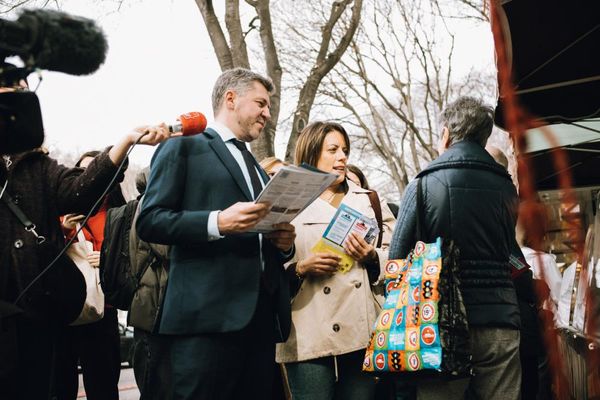
Journalists and photographers who turn up on the street are warned off and on one occasion chased away by a resident with a bucket of water and an egg thrown at a photographer.
In what is likely to be seen as the programme makers and Channel 4 hitting back at negative media coverage of the first series, residents are frequently shown criticising reports in the press and on one occasion setting fire to a newspaper. At the same time they make clear they had welcomed the TV cameras.
Channel 4 head of documentaries Nick Mirsky said it was a “very fair and honest account of what life is like on benefits in Britain today. That story is even more important at a time of even more benefit cuts and benefit sanctions”.
Mirsky said it was also a depiction of a closeknit community where people supported each other during hard times.
Another resident Lee Nutley, 32, who features with his mother Chrissy, is filmed showing programme makers around his home.
“Fucked, fucked, fucked, fucked,” he says of the various appliances in his kitchen. “The microwave, that does work,” he said.
Nutley, who has been claiming job seekers allowance for a year after being laid off by a construction company, has his £90 a fortnight benefit temporarily suspended.
None of the five contributors who attended Channel 4’s first screening of the documentary on Wednesday said they took part on the show because they wanted to be famous.
But Dot Taylor, 48, a mother of five who is shown dealing with short term loan companies, said she would happily go on Channel 5’s Big Brother if asked, following in the footsteps of the first series’ White Dee.
Stockton was chosen because it has one of the highest rates of unemployment in the country.
Alex Cunningham, then the Labour MP for Stockton North who is standing for re-election and was a prominent critic of the decision to film in the area, is shown in the first episode talking to residents about their decision to take part.
Houses in the street have since been given all-new windows, which residents said the council had told them was unrelated to the decision to allow Benefits Street to film there.