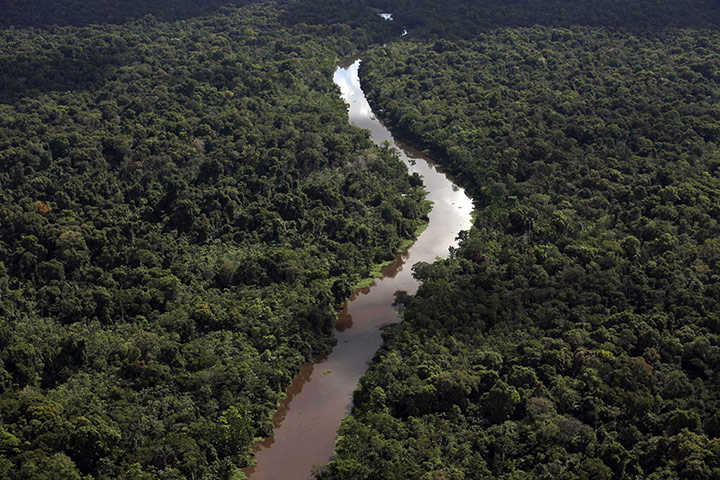
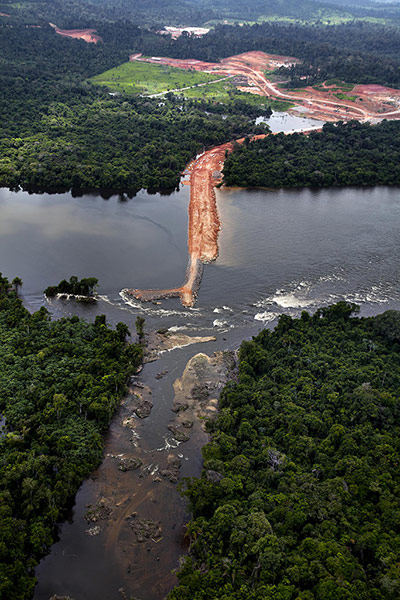
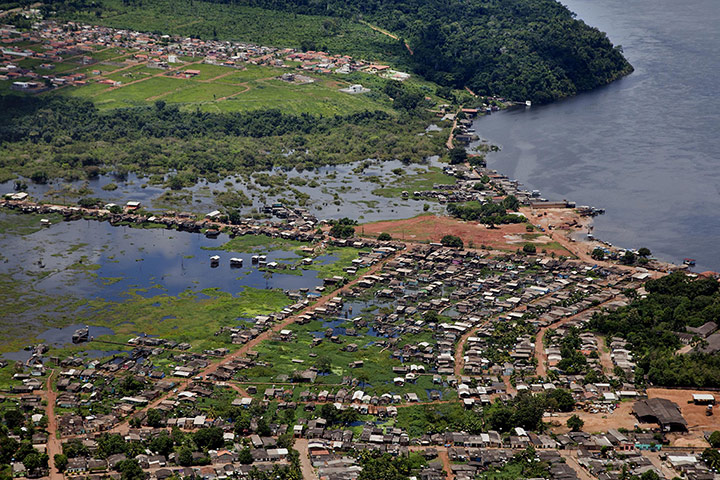
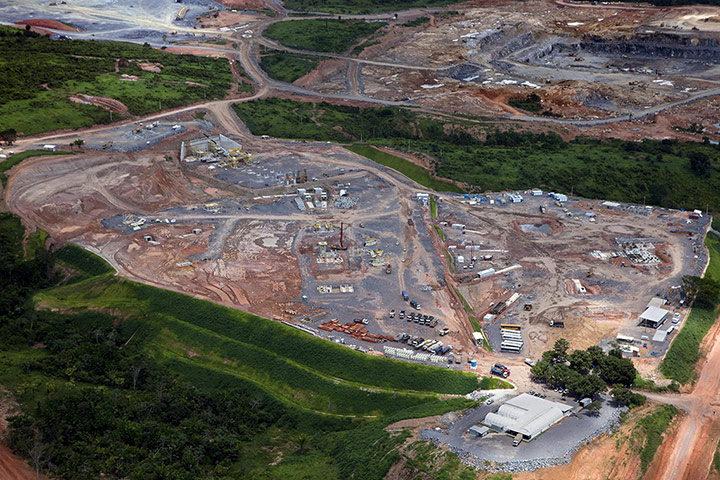
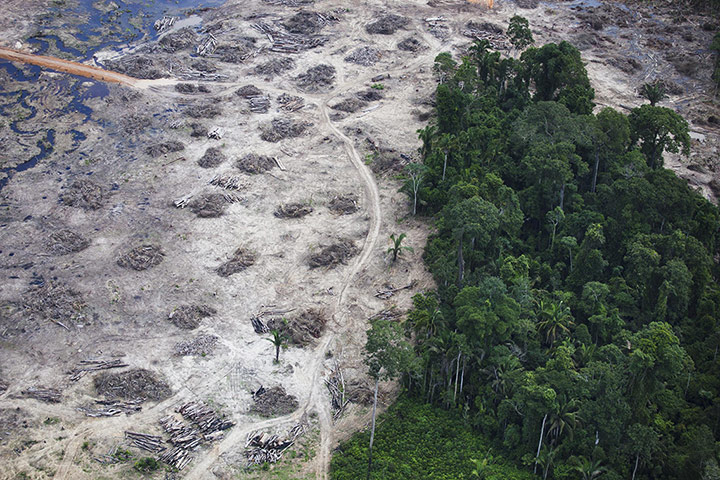
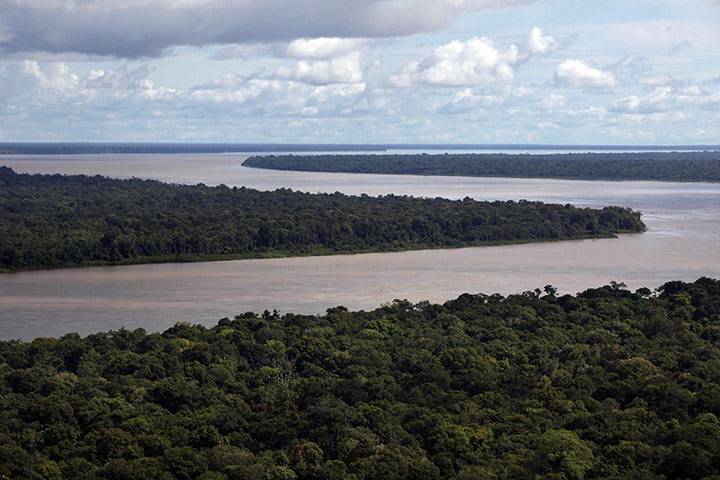
The Xingu River, where the Belo Monte dam is being built, is one of the largest rivers in the Amazon basinPhotograph: Karla Gachet/GreenpeaceThe Belo Monte would be the third largest dam in the world, and the second largest in Brazil. It is expected to submerge as much as 400,000 hectares and could displace an estimated 20,000 peoplePhotograph: Marizilda Cruppe/GreenpeaceCritics of the project argue that neighbourhoods such as Invasão dos Padres, in the Brazilian city of Altamira near the dam site, would suffer greatly from its constructionPhotograph: Marizilda Cruppe/Greenpeace
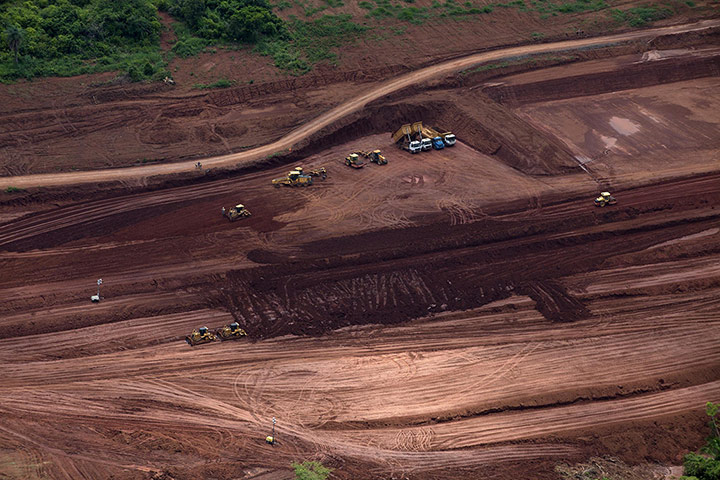
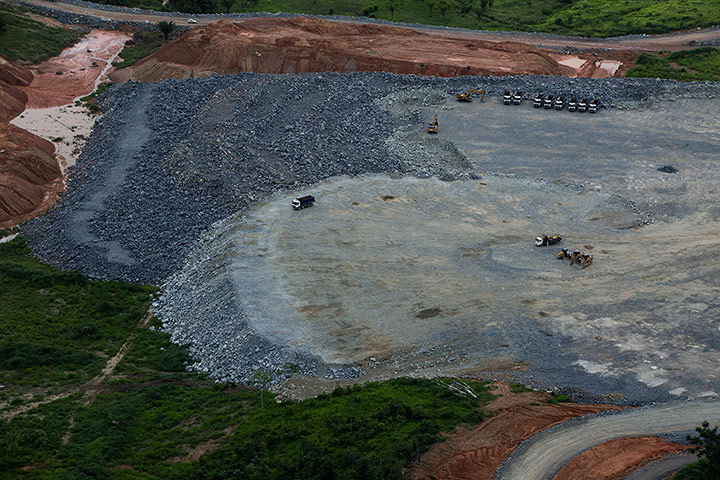
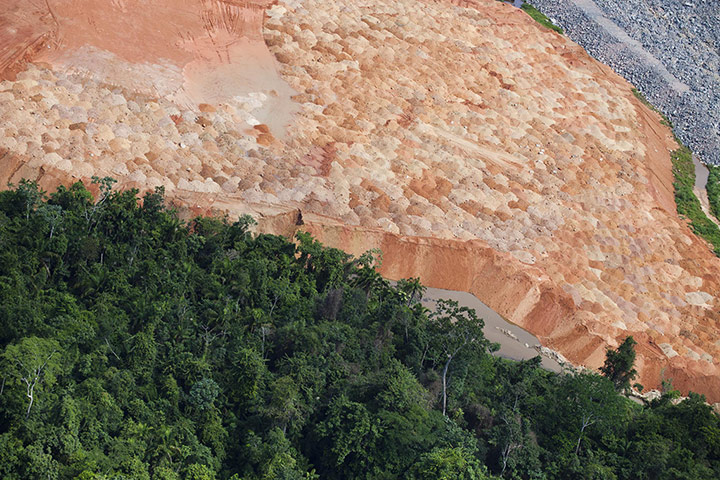
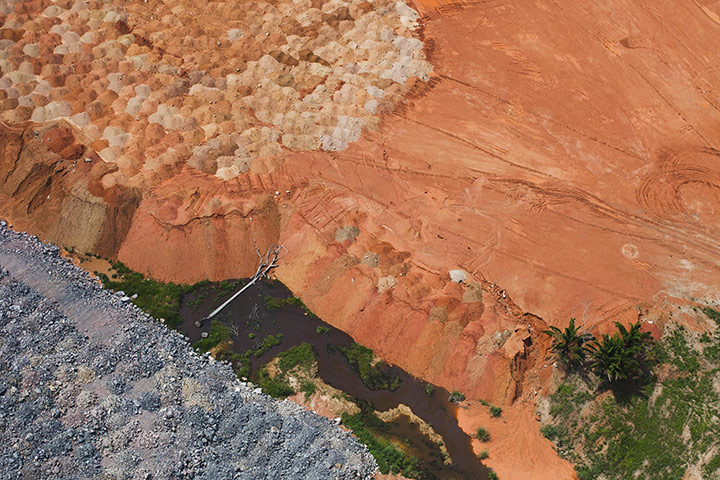
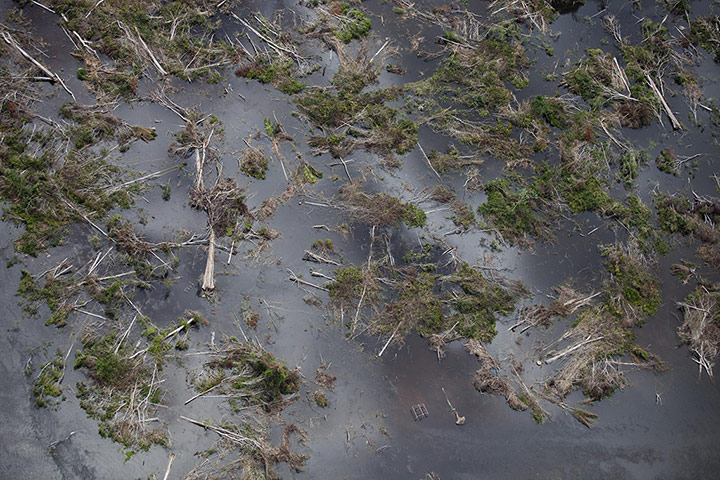
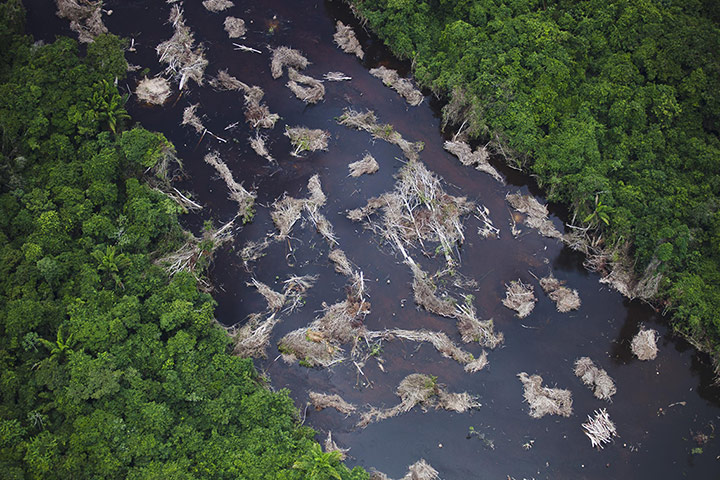
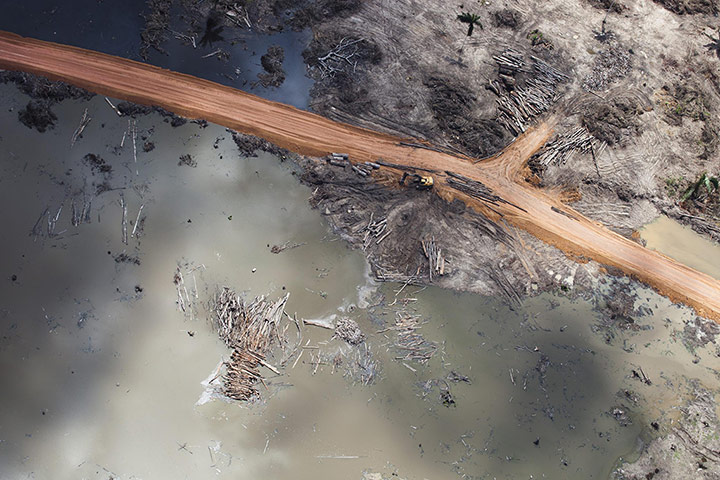
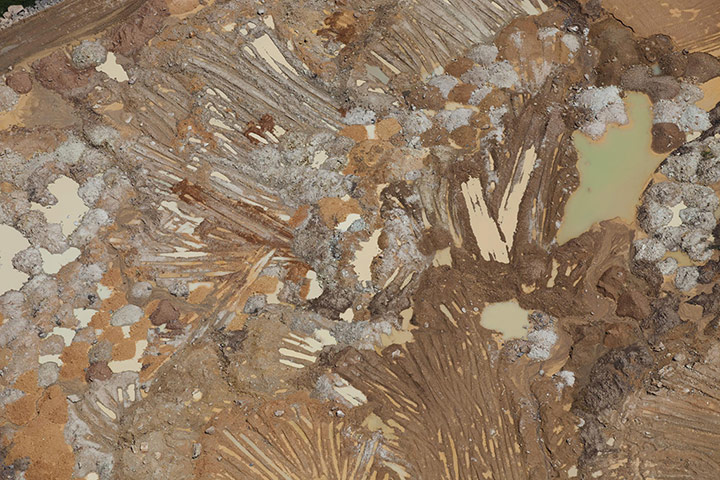
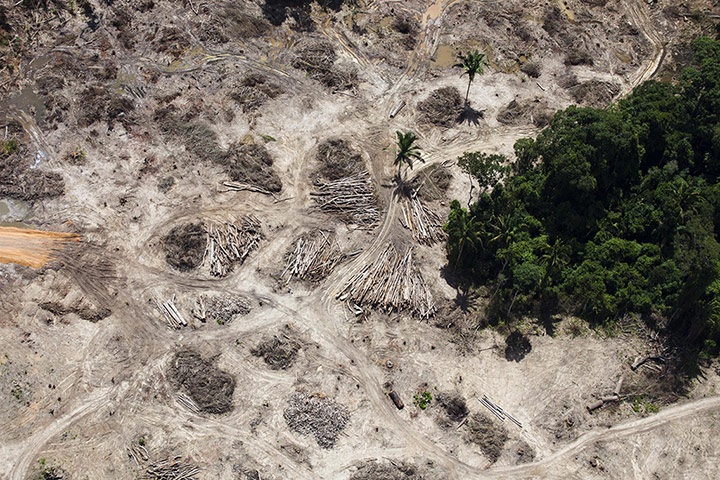
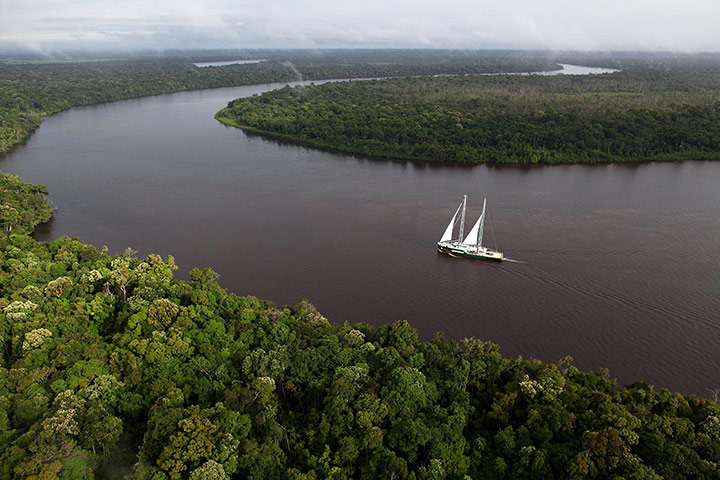
Early work has already started at the project site, despite ongoing legal battles over environmental licencesPhotograph: Marizilda Cruppe/GreenpeaceThe £7bn project is led by Norte Energias SA, and is scheduled to start producing energy on 31 December 2014Photograph: Marizilda Cruppe/GreenpeaceThe government, led by president Dilma Rousseff, says the dam is necessary if Brazilian energy production is to keep pace with its economy. This grew 7.5% in 2010, but dropped off significantly to 2.7% last yearPhotograph: Marizilda Cruppe/GreenpeaceBut indigenous and environmental groups, among others, counter that Belo Monte will displace tens of thousands of river-dwellers and bring violence, social chaos and environmental destruction – including deforestation – to the Amazon state of ParáPhotograph: Daniel Beltrá/GreenpeaceAerial photographs taken by Greenpeace reveal that considerable clearing of land has already begunPhotograph: Daniel Beltrá/GreenpeaceJames Cameron, the Oscar-winning director, visited the area last year to lend his support to the anti-dam campaign. "If this goes forward then every other hydroelectric project in the Amazon basin gets a blank cheque," Cameron said. "It's now a global issue. The Amazon rainforest is so big and so powerful a piece of the overall climate picture that its destruction will affect everyone"Photograph: Daniel Beltrá/GreenpeaceSupporters say hydropower is Brazil's best clean-energy option, but reservoirs have high emissions of CO2 and methane (with a warming effect 25 times stronger than CO2), because of decaying matter underwaterPhotograph: Daniel Beltrá/GreenpeaceA further concern is that much of Belo Monte's energy output seems destined to power energy-intensive industries in the region, mostly mining and aluminium, meaning more deforestation and community displacement in the futurePhotograph: Daniel Beltrá/GreenpeaceRiver communities are uneasy. "I do not accept the Belo Monte dam," said Mokuka Kayapó, an indigenous leader. "The forest is our butcher. The river, with its fish, is our market. This is how we survive"Photograph: Daniel Beltrá/GreenpeaceThe licence obtained by Norte Energia SA, a consortium almost entirely funded by state money, allows 238 hectares of forest to be cut down in order to open roads and basic infrastructure for the workersPhotograph: Daniel Beltrá/GreenpeaceRousseff's administration is now the one responsible for targets set by the previous administration, led by the more environmentally minded Lula, to reduce deforestation in the Amazon by a further 300,000 hectaresPhotograph: Daniel Beltrá/GreenpeaceThe Amazon rainforest is a major global carbon sink. Its survival is threatened not only by deforestation but by climate change, which could kill trees and thus create feedback loops that increase global warmingPhotograph: Karla Gachet/GreenpeaceGreenpeace's newest Rainbow Warrior vessel sails through the Amazon. The campaign group is lobbying for a zero deforestation lawPhotograph: Rodrigo Baléia/Greenpeace
Sign up to read this article
Read news from 100’s of titles, curated specifically for you.