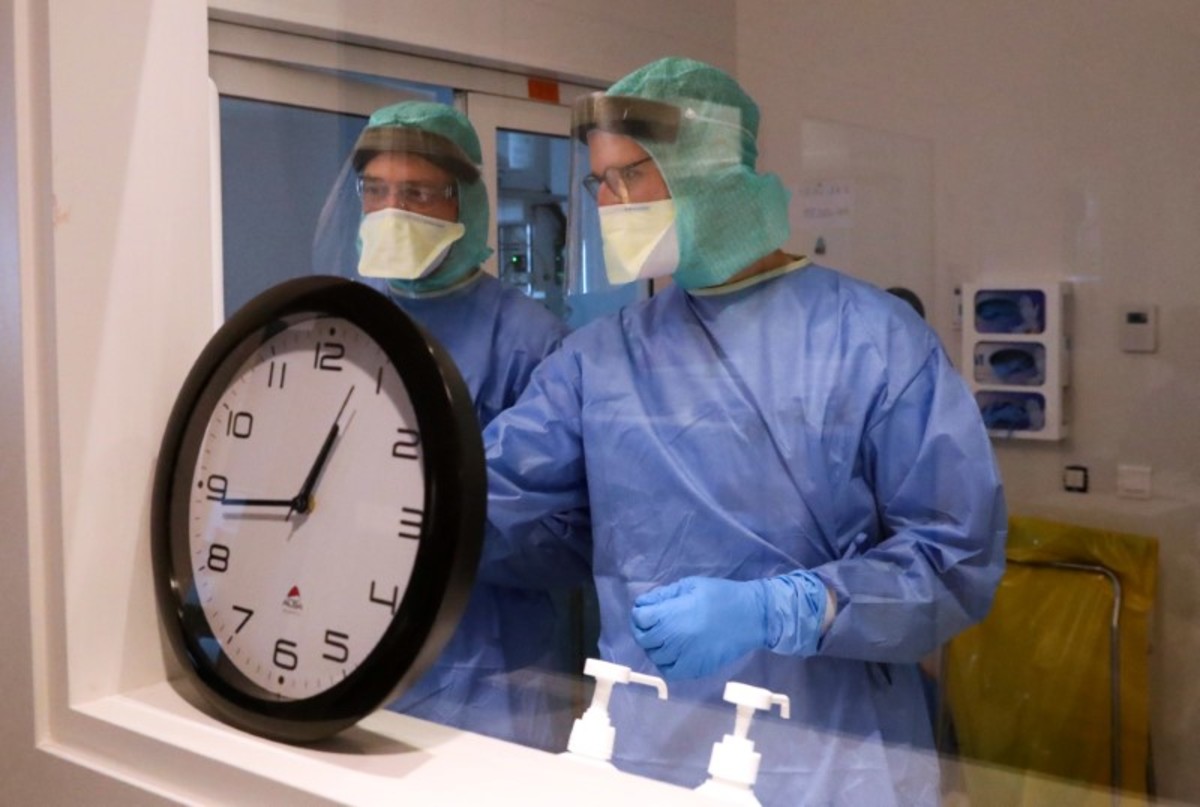
Members of the medical personnel work as patients suffering from coronavirus disease (COVID-19) are treated at the intensive care unit at MontLegia CHC clinic in Liege, Belgium, March 26, 2020. REUTERS/Yves Herman
The peak of Belgium's coronavirus infections still lies ahead, the health ministry said on Thursday, adding much will depend on how strictly people follow lockdown measures.
Belgium, a country of some 11.5 million people, has so far confirmed 6,235 coronavirus cases and reported 220 deaths due to the disease, which is now ravaging Europe after originating in China late last year.
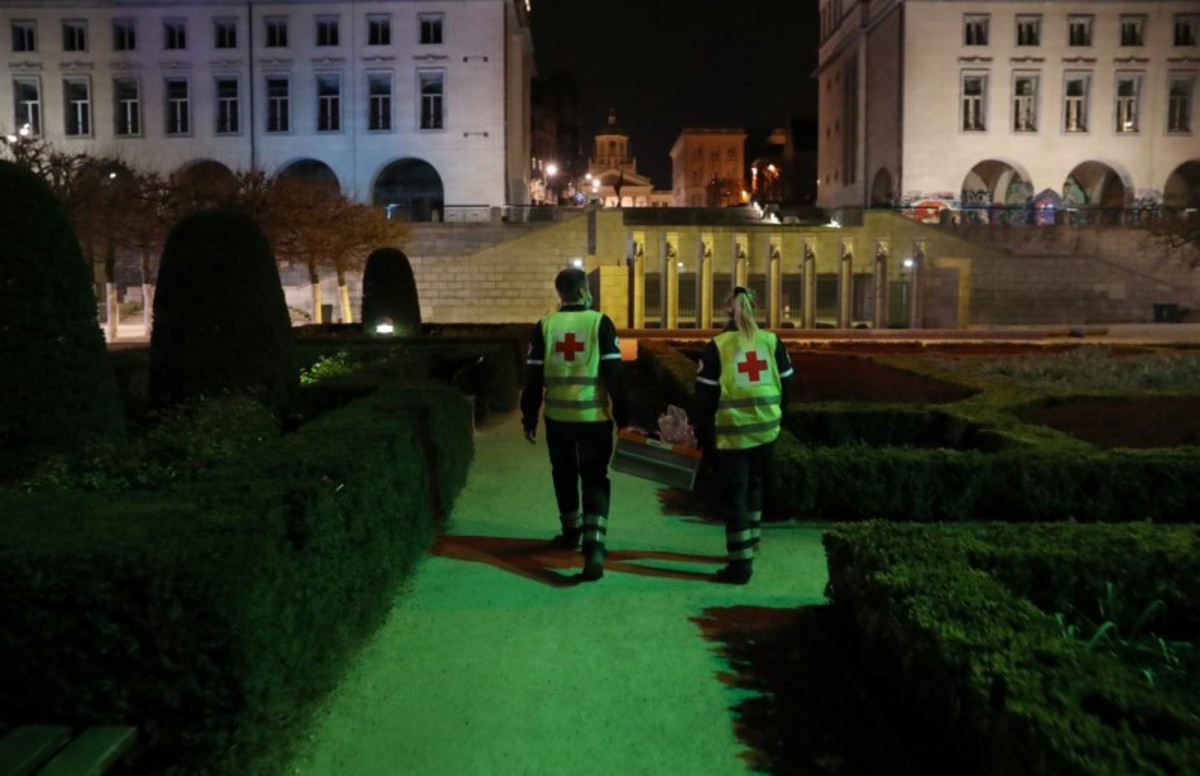
Volunteers for the Belgian Red Cross patrol to look for homeless people in a park, during the coronavirus lockdown imposed by the Belgian government in an attempt to slow down the coronavirus disease (COVID-19), in Brussels, Belgium March 25, 2020. REUTERS/Yves Herman
The government will discuss on Friday whether to extend the lockdown, meant to curb the spread of the virus, beyond April 5.
"We can expect a peak at the beginning of April," said Steven van Gucht, head of viral diseases at the Belgian Institute of Health. "This is on the condition that we have all reduced our contacts by 50 percent."
Belgium added 1,298 new coronavirus cases on March 25, a spokesman for the Belgian health ministry said on Thursday, the biggest daily jump since the start of the pandemic.
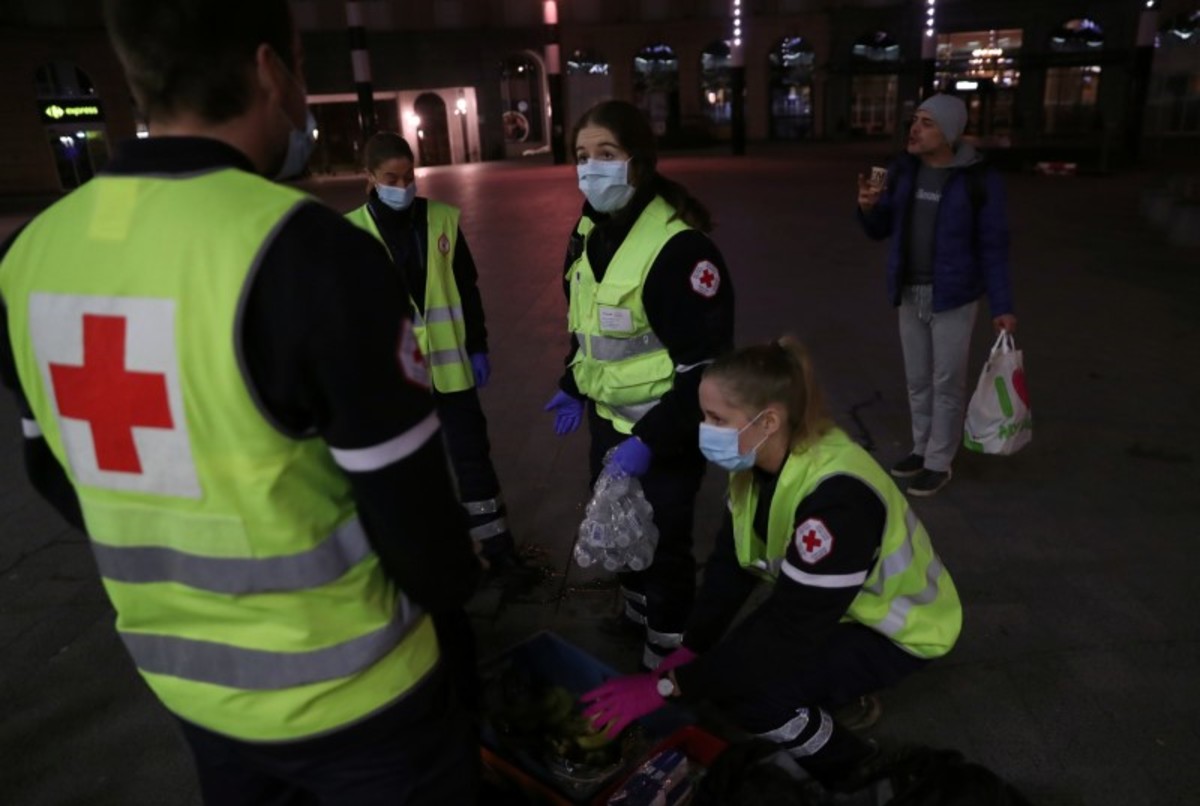
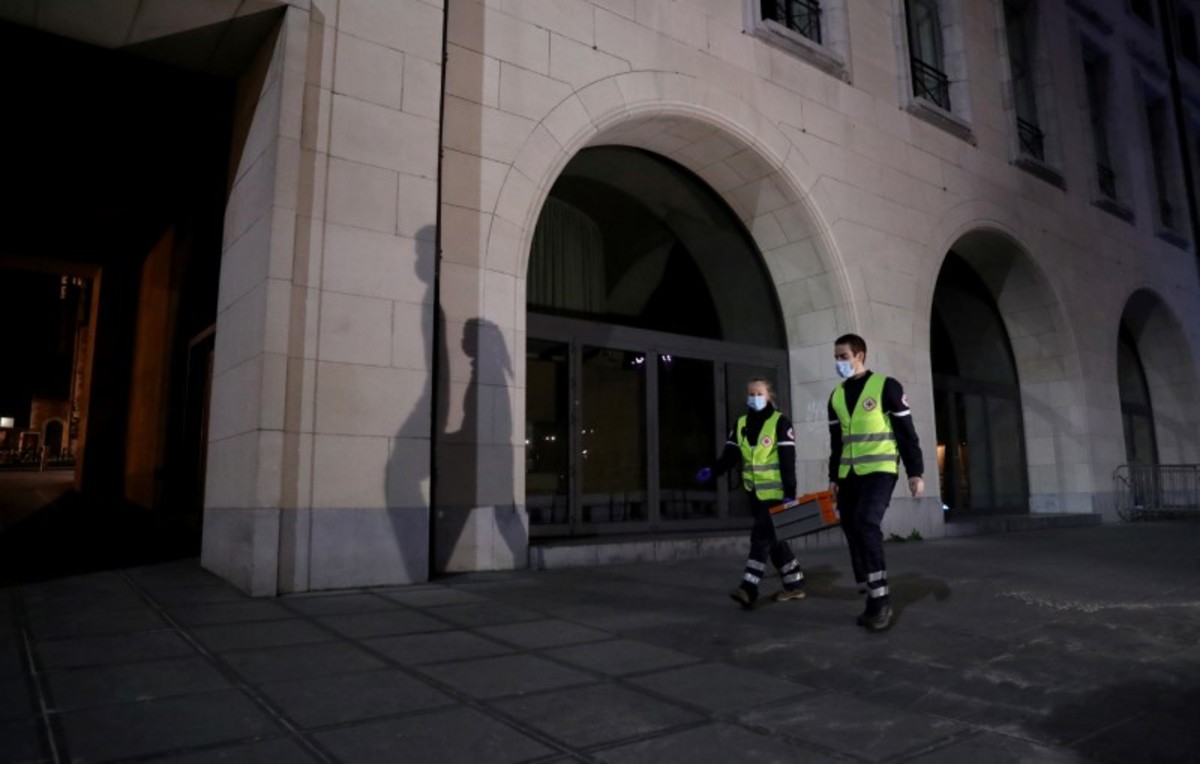
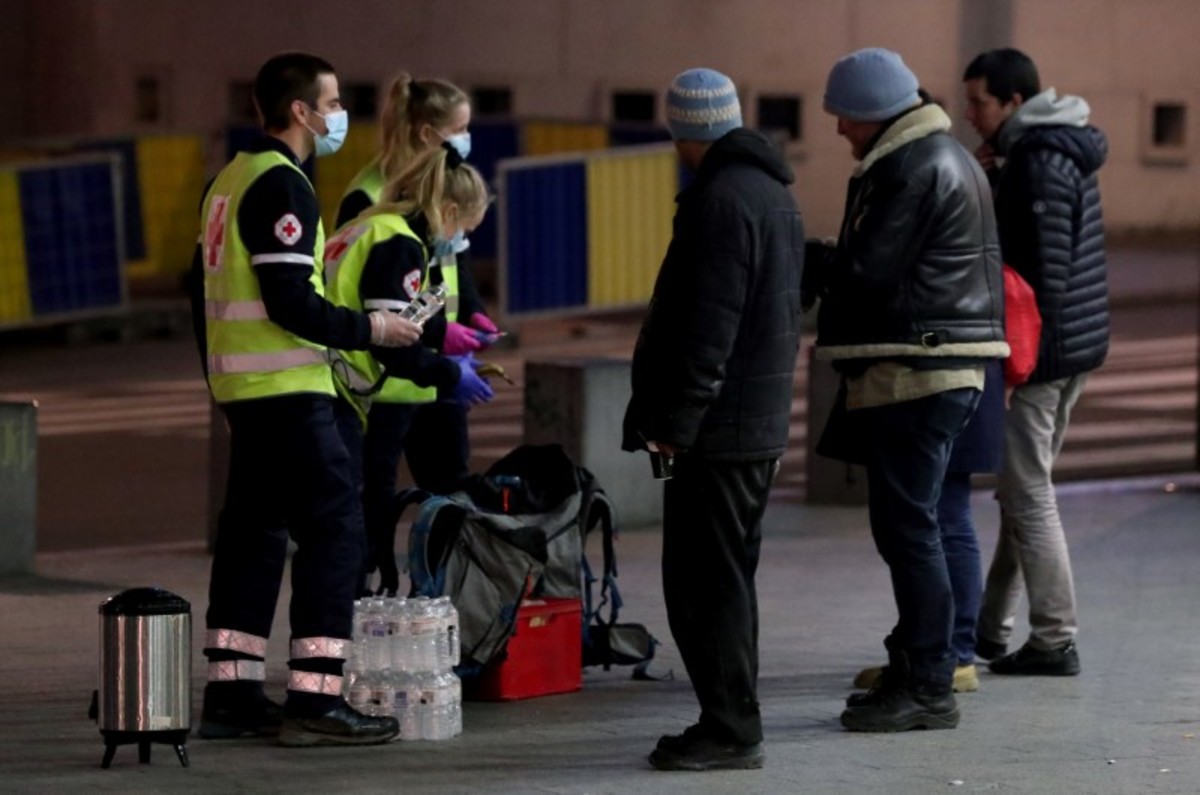
Members of the Belgian Red Cross carry food and drinks for homeless people near Brussels Central Station during the coronavirus lockdown imposed by the Belgian government in an attempt to slow down the coronavirus disease (COVID-19), in Brussels, Belgium March 25, 2020. REUTERS/Yves Herman
"We can see that the epidemic is still in its ascending phase in Belgium," the spokesman, Emmanuel Andre, said.
"The projections that we can do today, assuming the whole population complies with all the measures requested, would bring us to a peak in the coming weeks."
Laurent Jadot, who helps run the intensive care unit at a hospital in the Belgian city of Liege, told Reuters he was bracing for a sizeable increase in the number of patients.
Volunteers for the Belgian Red Cross patrol to look for homeless people, during the coronavirus lockdown imposed by the Belgian government in an attempt to slow down the coronavirus disease (COVID-19), in Brussels, Belgium March 25, 2020. REUTERS/Yves Herman
Many of those will likely be in intensive care for three-week periods, meaning pressure on beds and a demand for sedatives while patients are on respirators.
"Our biggest concern is for our stock of disposal (medical)products, sedatives and other medicines," Jadot said, saying that the hospital was ready to double the number of intensive care beds to 100. "A lot of these medicines are produced abroad and a lot of countries want them," he said, calling on the Belgian government to help.
While Belgium hopes to step up testing to 10,000 a day, the most recent rise in confirmed cases reflects in part its growing capacity, which currently stands at more than 2,000 tests daily.
Members of the Belgian Red Cross hand out food and drinks to homeless people near Brussels Central Station during the coronavirus lockdown imposed by the Belgian government in an attempt to slow down the coronavirus disease (COVID-19), in Brussels, Belgium March 25, 2020. REUTERS/Yves Herman
"This upward trend is explained by the combination of increased virus circulation, a stricter definition of possible cases and the use of laboratory triage systems, which have given priority to the most urgent samples," the Belgian Institute of Health said in a daily report.
The Belgian government pledged 1 billion euros ($1.10 billion) of emergency aid for hospitals last week.
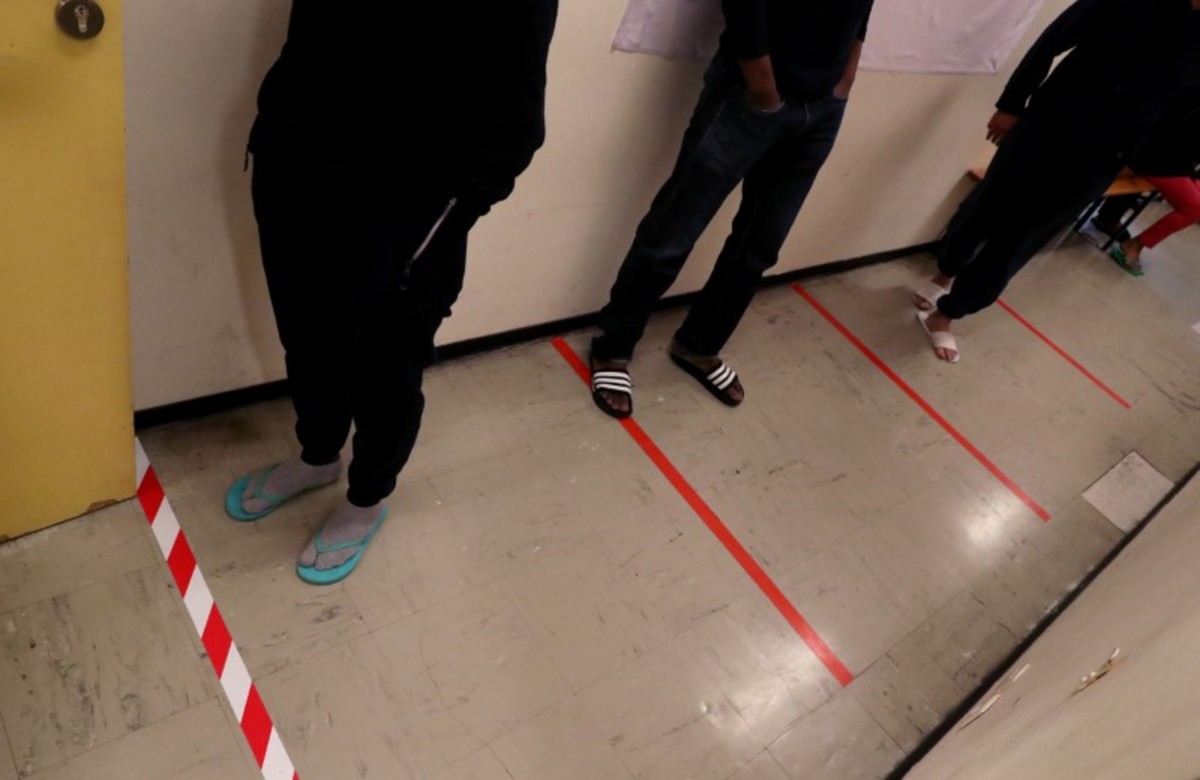
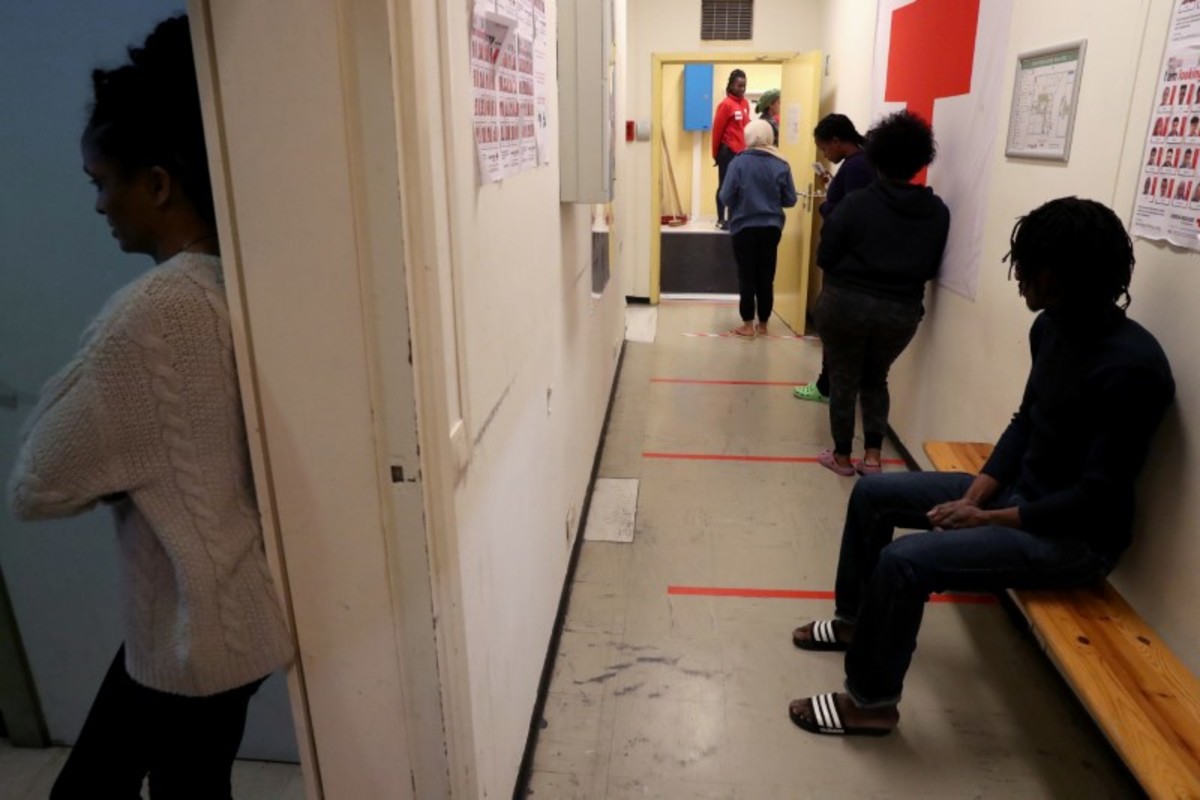
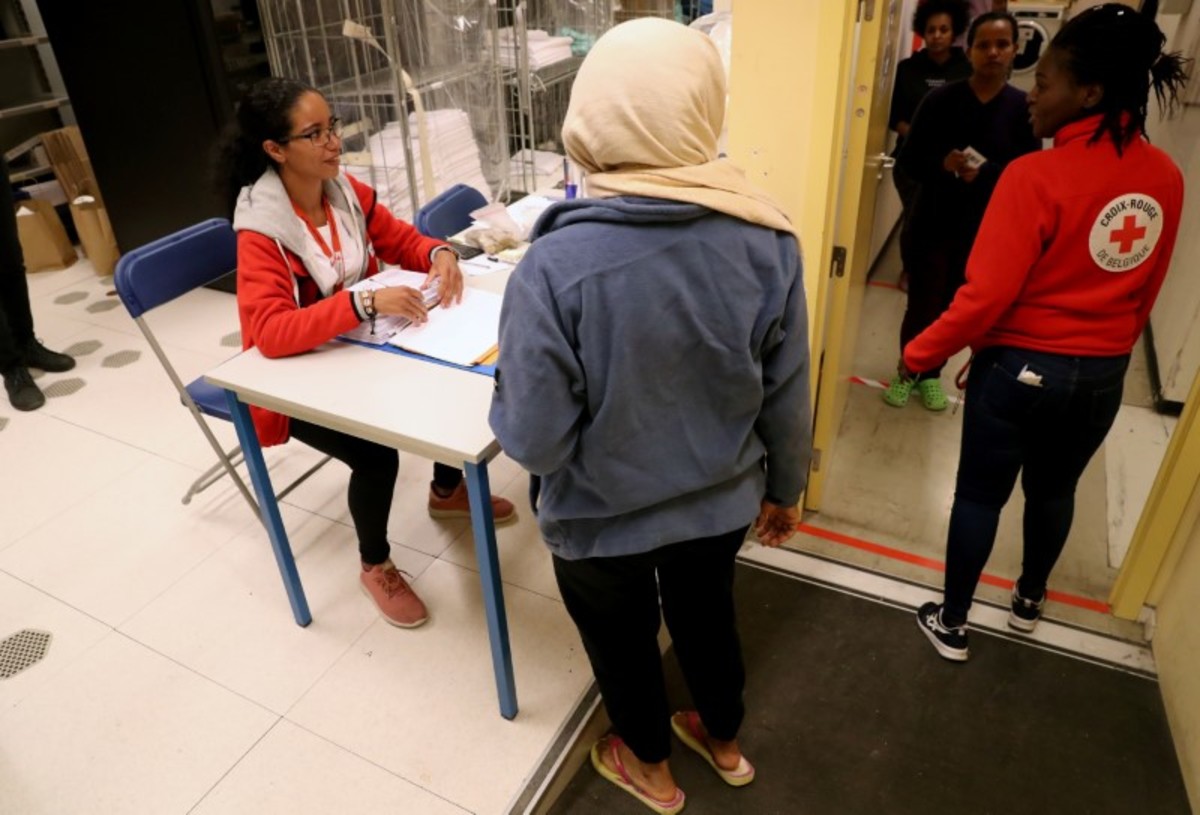
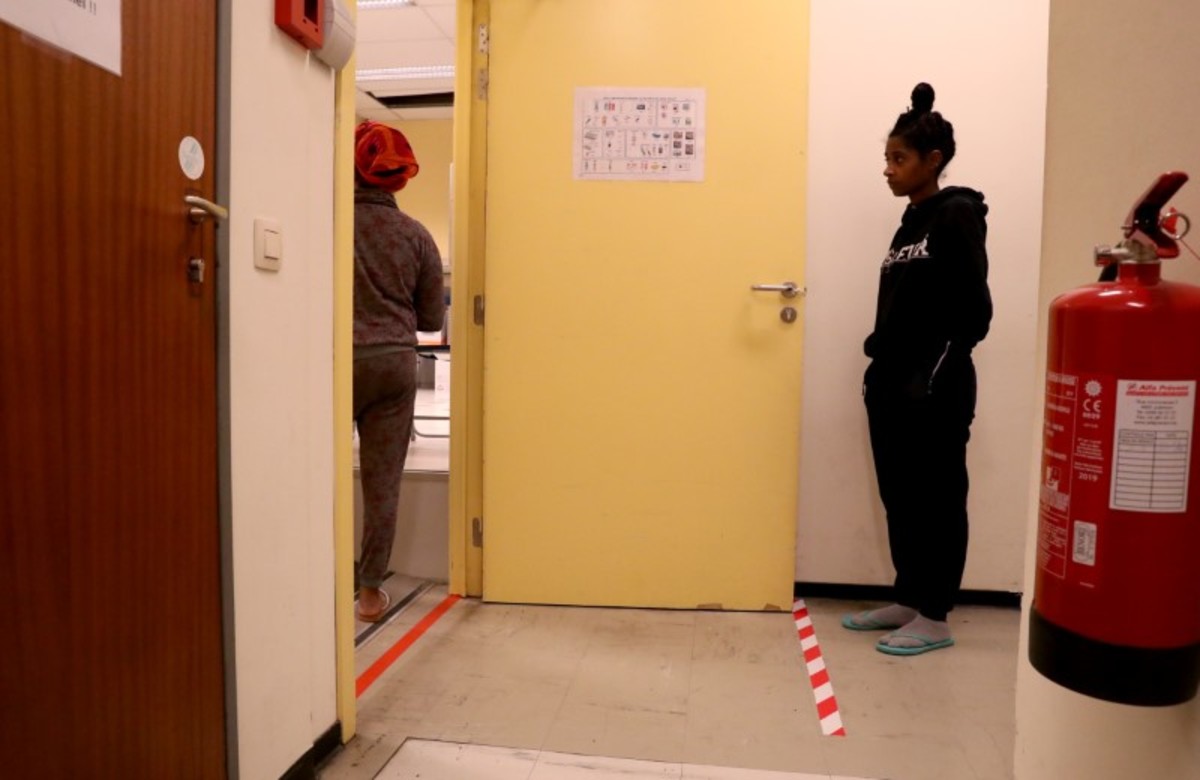
Homeless people respect social distancing as they queue to collect hygiene supplies at a Belgian Red Cross centre during the coronavirus lockdown imposed by the Belgian government in an attempt to slow down the coronavirus disease (COVID-19), in Brussels, Belgium March 25, 2020. REUTERS/Yves Herman
(Reporting by Marine Strauss and Robin Emmott; Editing by Alexandra Hudson)
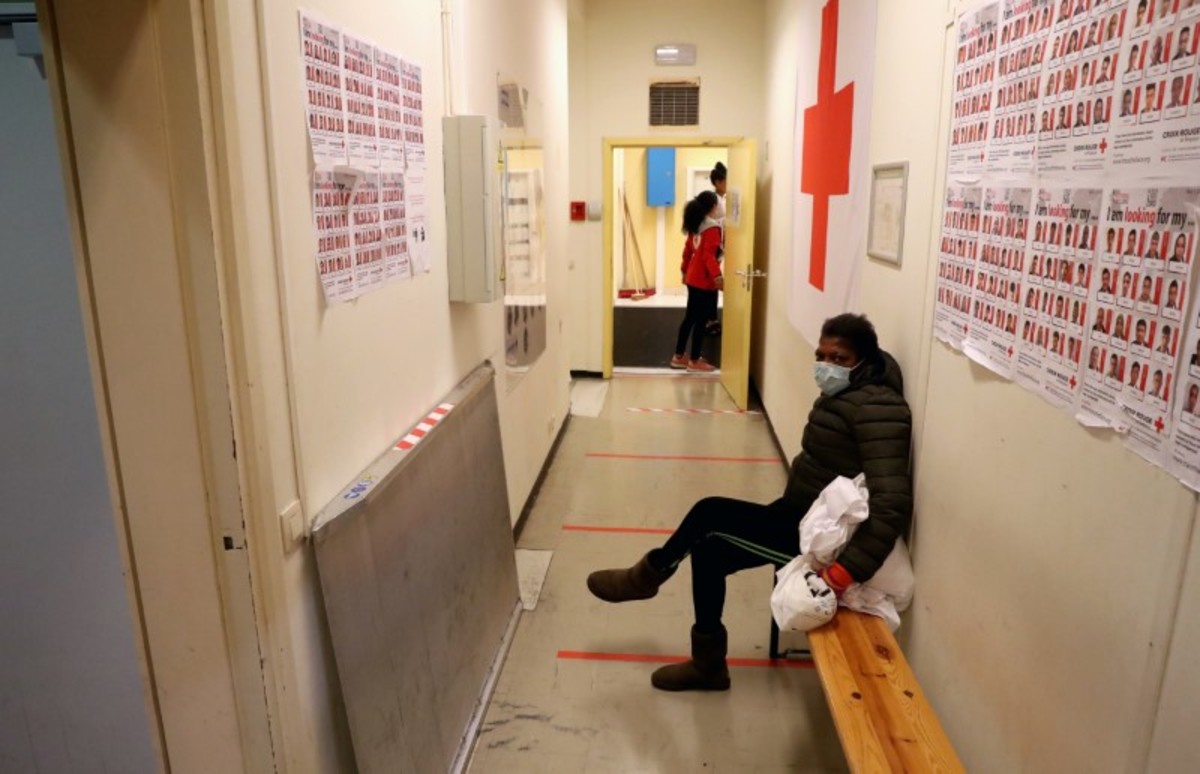
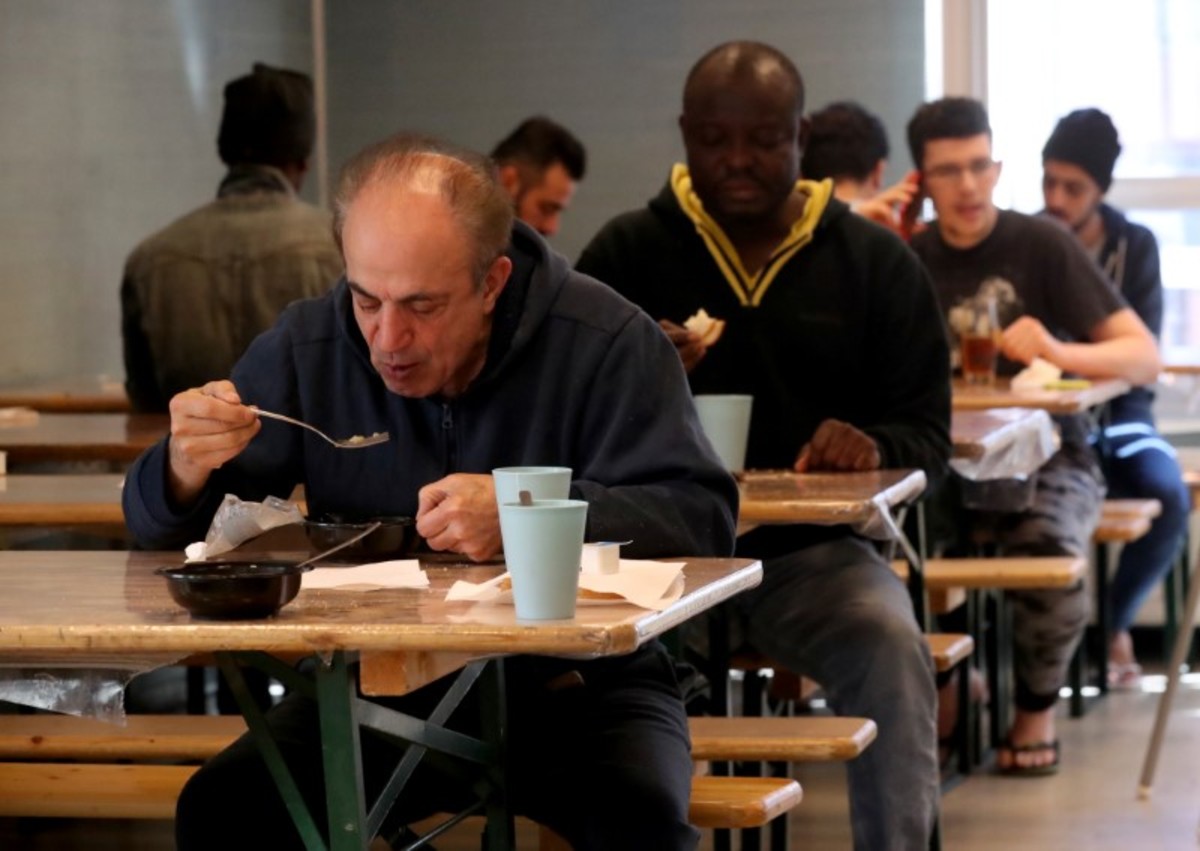
A homeless person waits to collect hygiene supplies at a Belgian Red Cross centre during the coronavirus lockdown imposed by the Belgian government in an attempt to slow down the coronavirus disease (COVID-19), in Brussels, Belgium March 25, 2020. REUTERS/Yves HermanHomeless people respect social distancing as they queue to collect hygiene supplies at a Belgian Red Cross centre during the coronavirus lockdown imposed by the Belgian government in an attempt to slow down the coronavirus disease (COVID-19), in Brussels, Belgium March 25, 2020. REUTERS/Yves HermanHomeless people queue to collect hygiene supplies at a Belgian Red Cross centre during the coronavirus lockdown imposed by the Belgian government in an attempt to slow down the coronavirus disease (COVID-19), in Brussels, Belgium March 25, 2020. REUTERS/Yves HermanHomeless people respect social distancing as they queue to collect hygiene supplies at a Belgian Red Cross centre during the coronavirus lockdown imposed by the Belgian government in an attempt to slow down the coronavirus disease (COVID-19), in Brussels, Belgium March 25, 2020. REUTERS/Yves HermanHomeless people have a meal at a Belgian Red Cross centre during the coronavirus lockdown imposed by the Belgian government in an attempt to slow down the coronavirus disease (COVID-19), in Brussels, Belgium March 25, 2020. REUTERS/Yves Herman
Sign up to read this article
Read news from 100’s of titles, curated specifically for you.