Belgium's horseback shrimpers threatened by dwindling catch
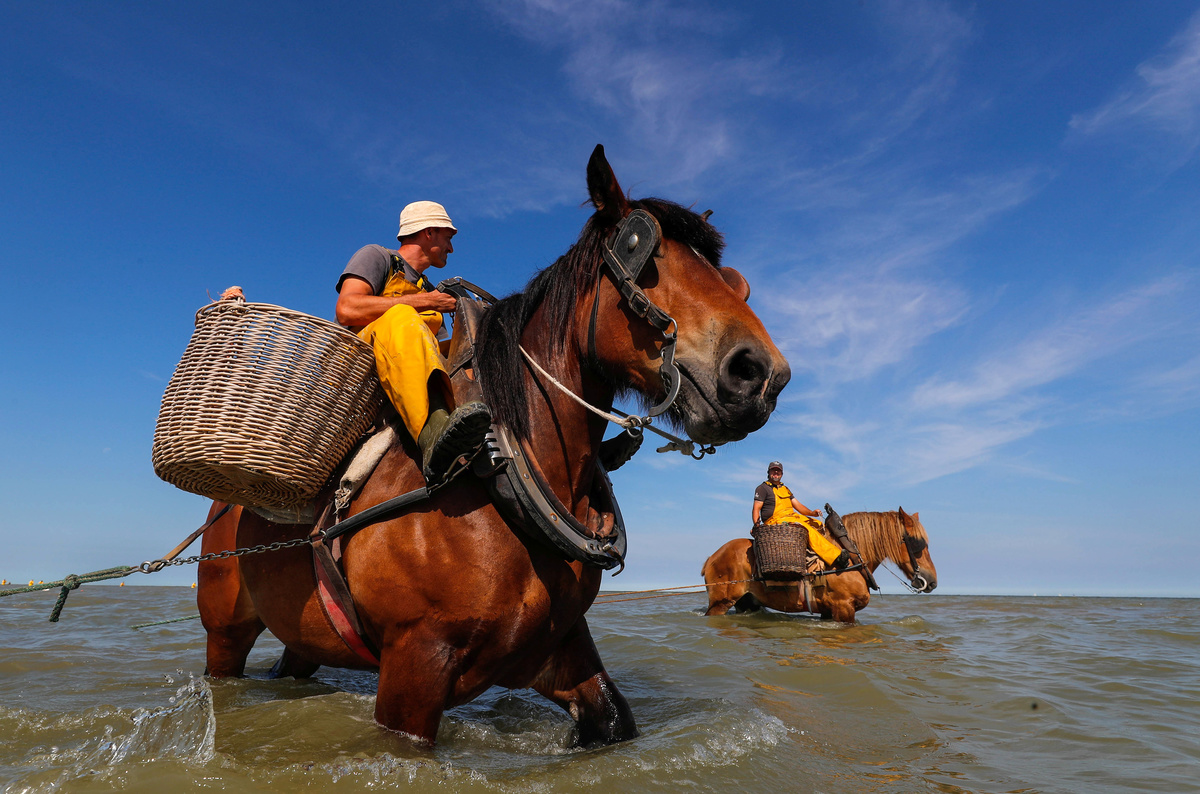
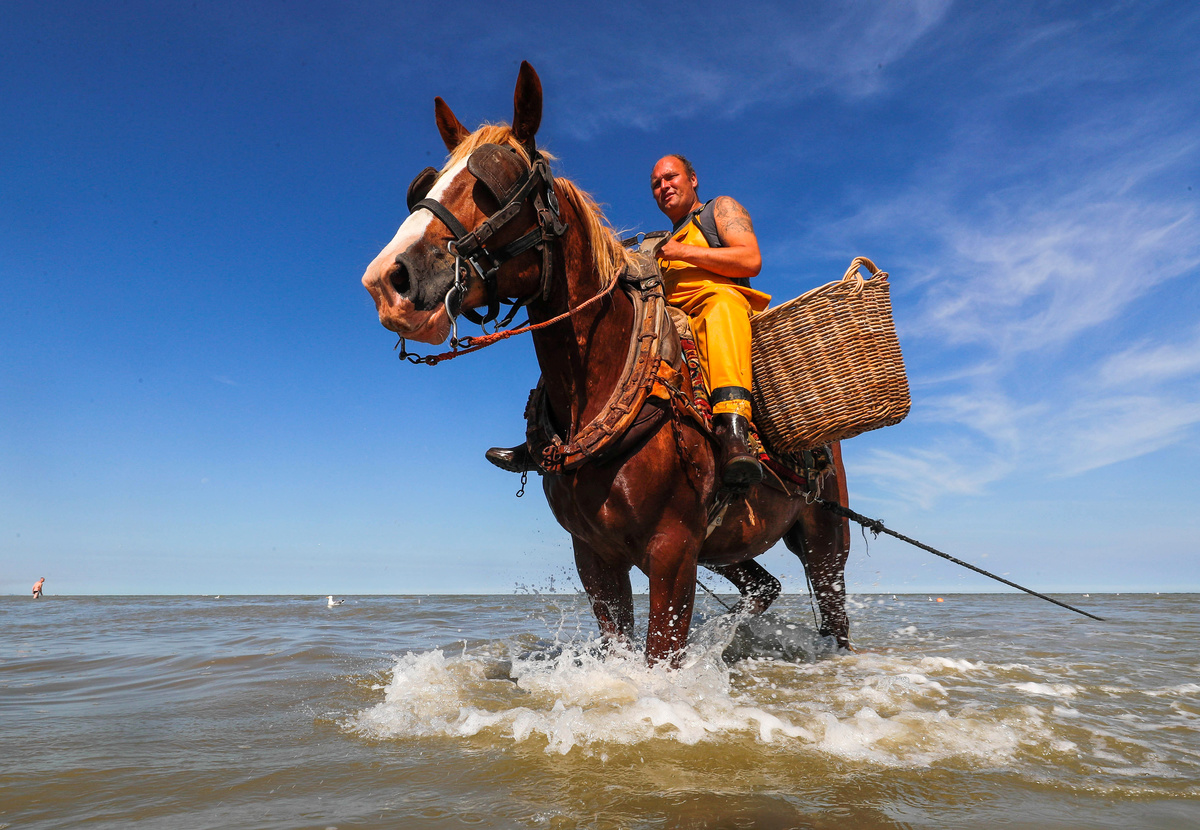
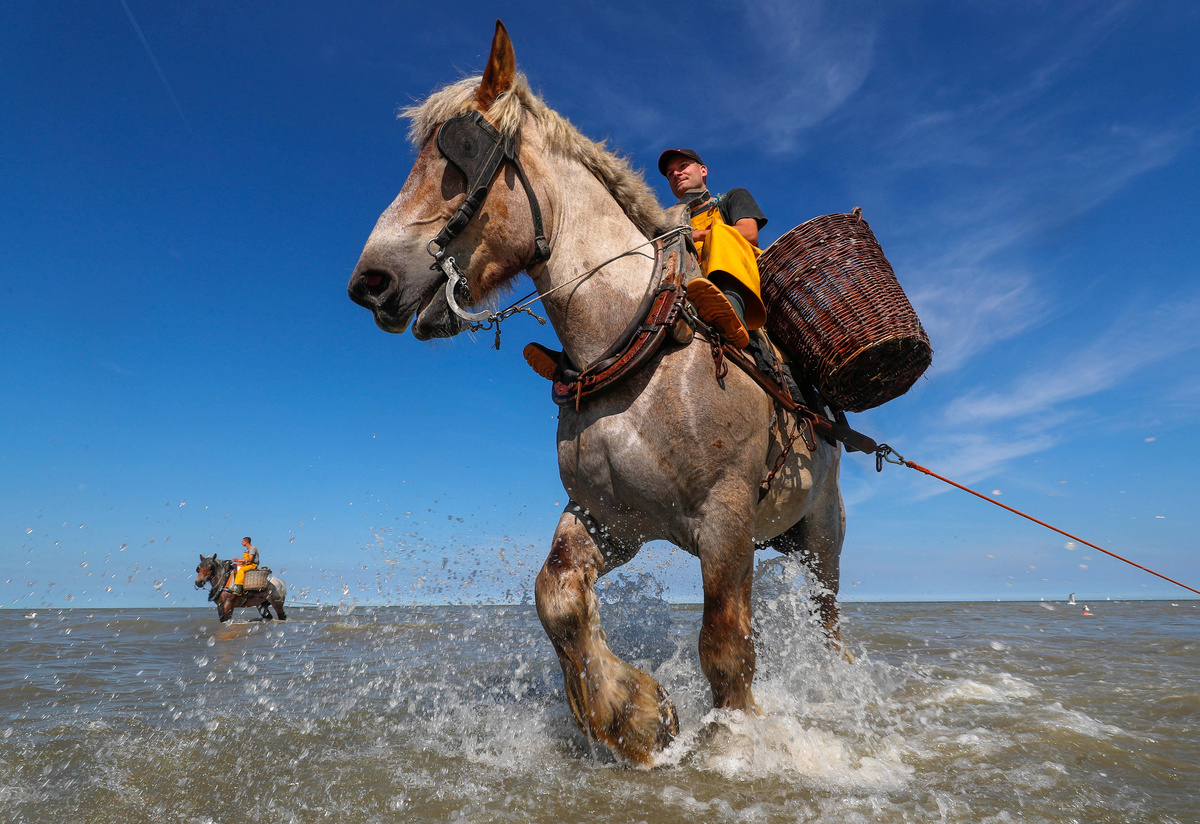
Belgian shrimp fisherman Gunther Vanbleu rides a carthorse to haul a net out in the sea to catch shrimps during low tide at the coastal town of Oostduinkerke, Belgium. REUTERS/Yves Herman
KOKSIJDE, Belgium (Reuters) - Belgium's traditional horseback shrimp fishermen say they are struggling to keep a centuries-old tradition alive because warming temperatures have lured other creatures closer to shore.
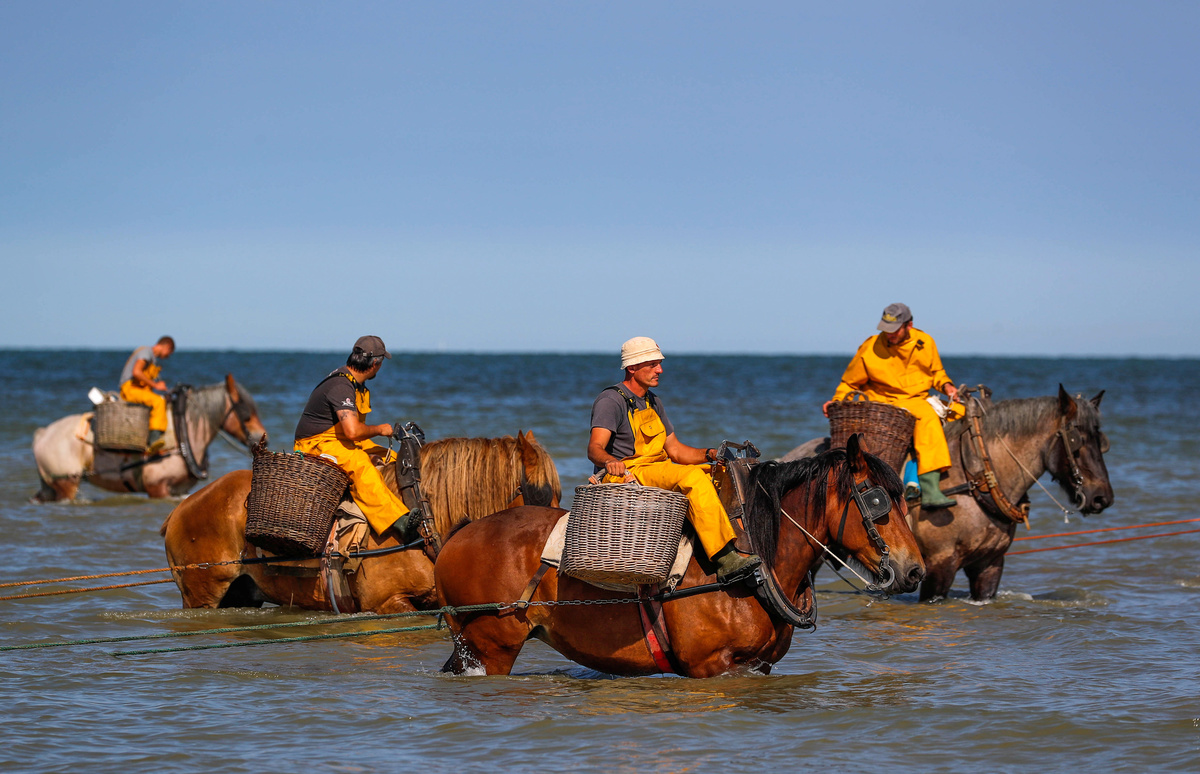
The tradition, recognized by the United Nations, dates back to the 16th century. Fishermen, riding horses with fishing nets attached to their saddles, trawl across the beach hoping to catch shrimp.
But they say the influx of different species as the waters warm crowds out their catch - meaning there are fewer shrimps, something they put down to climate change.
Third-generation Belgian shrimp fisherman Xavier Vanbillemont rides a carthorse to haul a net out in the sea to catch shrimps during low tide at the coastal town of Oostduinkerke, Belgium August 2, 2018. REUTERS/Yves Herman
Third generation fisherman Xavier Vanbillemont said: "Now there are hundreds (of jellyfish) as opposed to one or two when I was younger," he said.
Belgium is facing one of the hottest summers on record with little rain and temperatures regularly exceeding 30 Celsius (86 Fahrenheit).
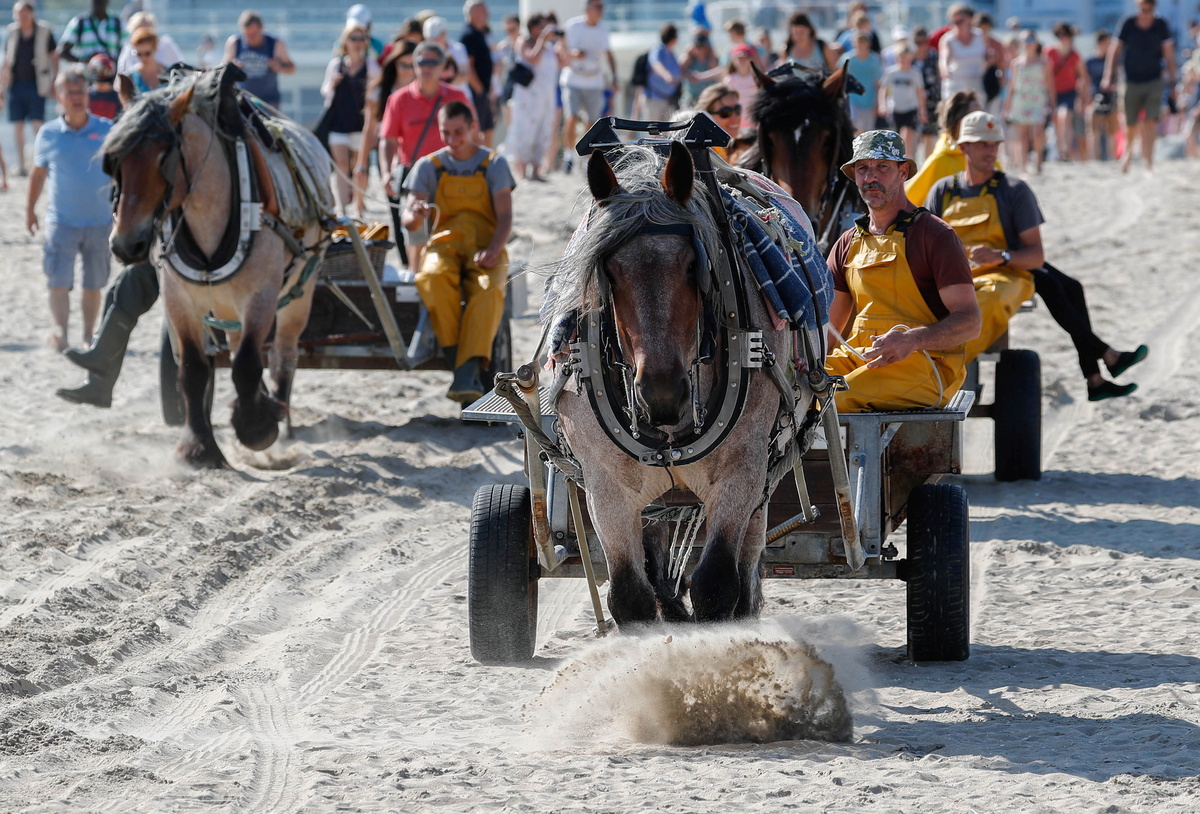
As many traditional trades do, horseback fishing has become a tourist attraction.
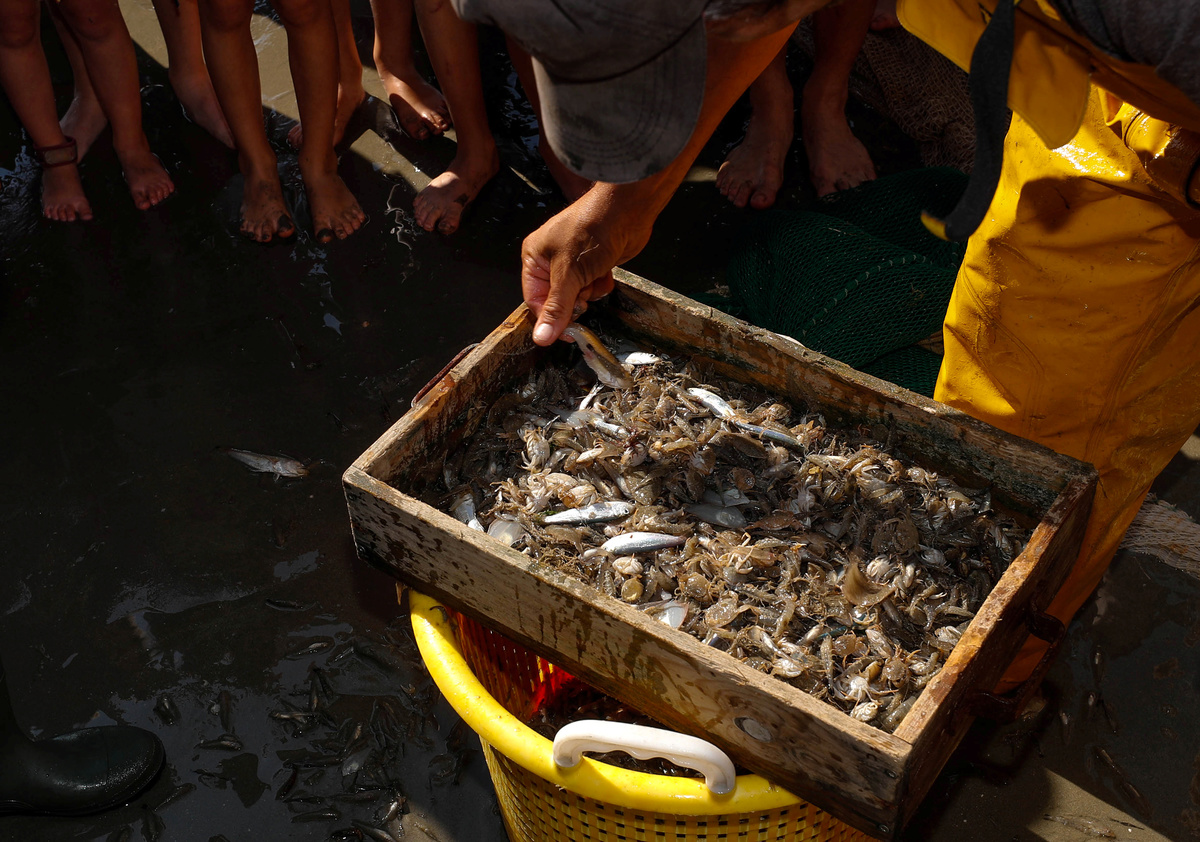
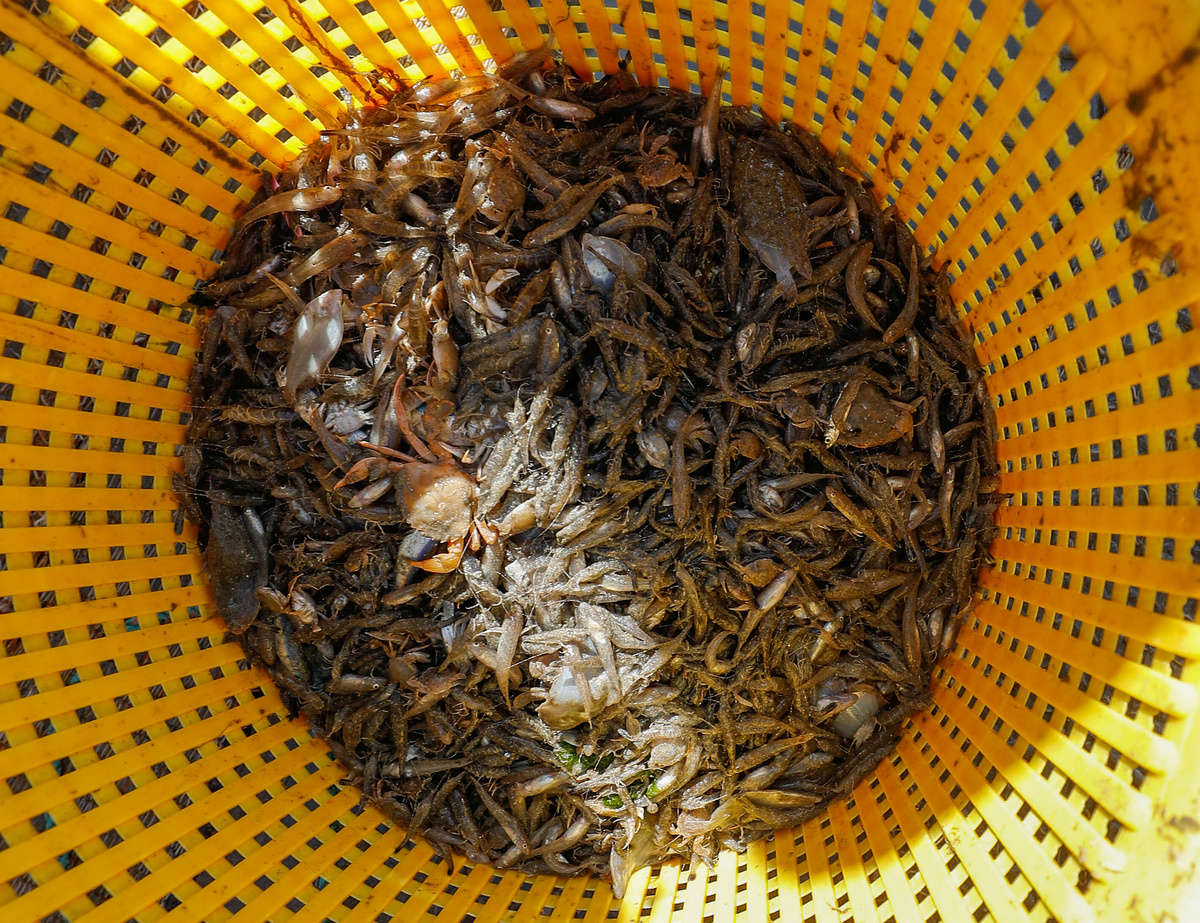
Shrimps are seen in a basket after shrimp fishing during low tide at the coastal town of Oostduinkerke, Belgium August 2, 2018. REUTERS/Yves Herman
The shrimp fishermen continue to fish during the summer months, despite it being the worst time to fish, because it attracts hundreds of tourists.
"It's magnificent. We (tourists) are not used to seeing horses in the sea fishing shrimps," said French tourist Ben Bouvy after witnessing the spectacle.
In 2013, UNESCO designated the tradition as intangible cultural heritage, pointing out the "strong sense of collective identity" horseback shrimp fishing has given the community and the central role it plays in cultural events.
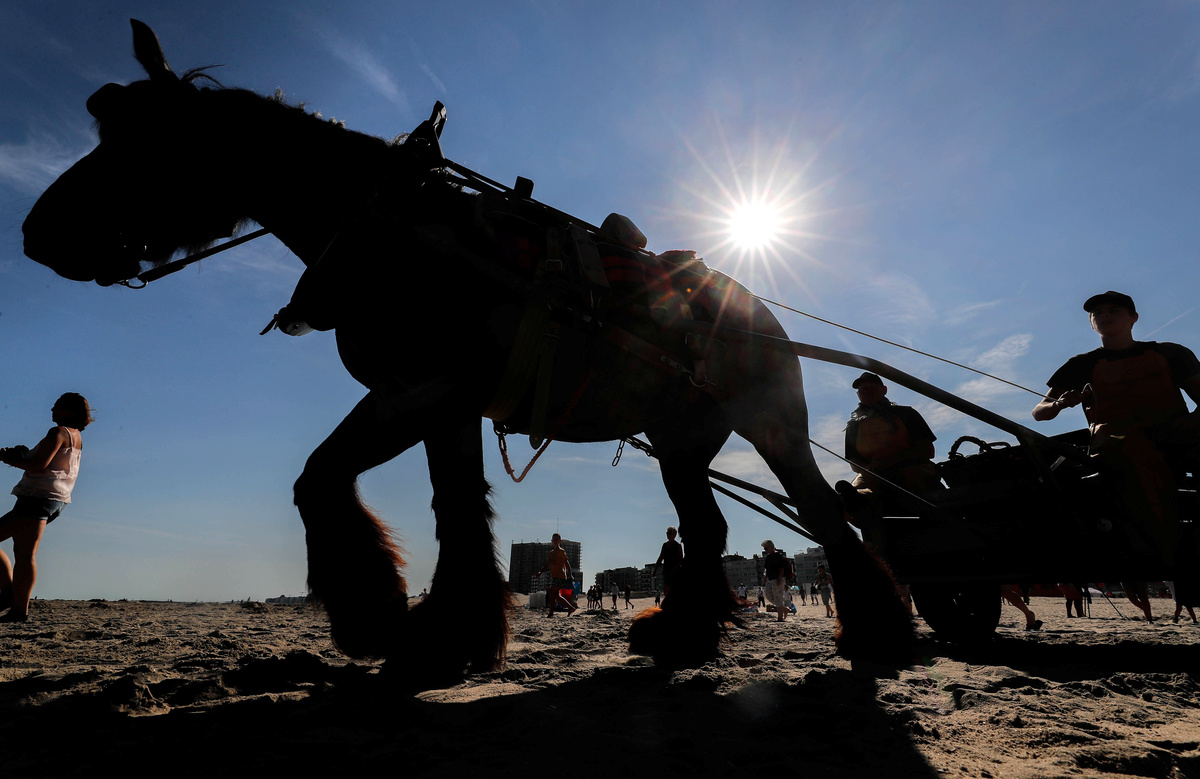
Belgian shrimp fishermen drive their carriages on the beach in the coastal town of Oostduinkerke, Belgium August 2, 2018. REUTERS/Yves Herman
Despite the hardships, fishermen vow to keep the trade going. Nothing else compares, they say.
"Ships can catch a lot more shrimps than me but I prefer fishing with my horse, because he's my best friend," said Vanbillemont.
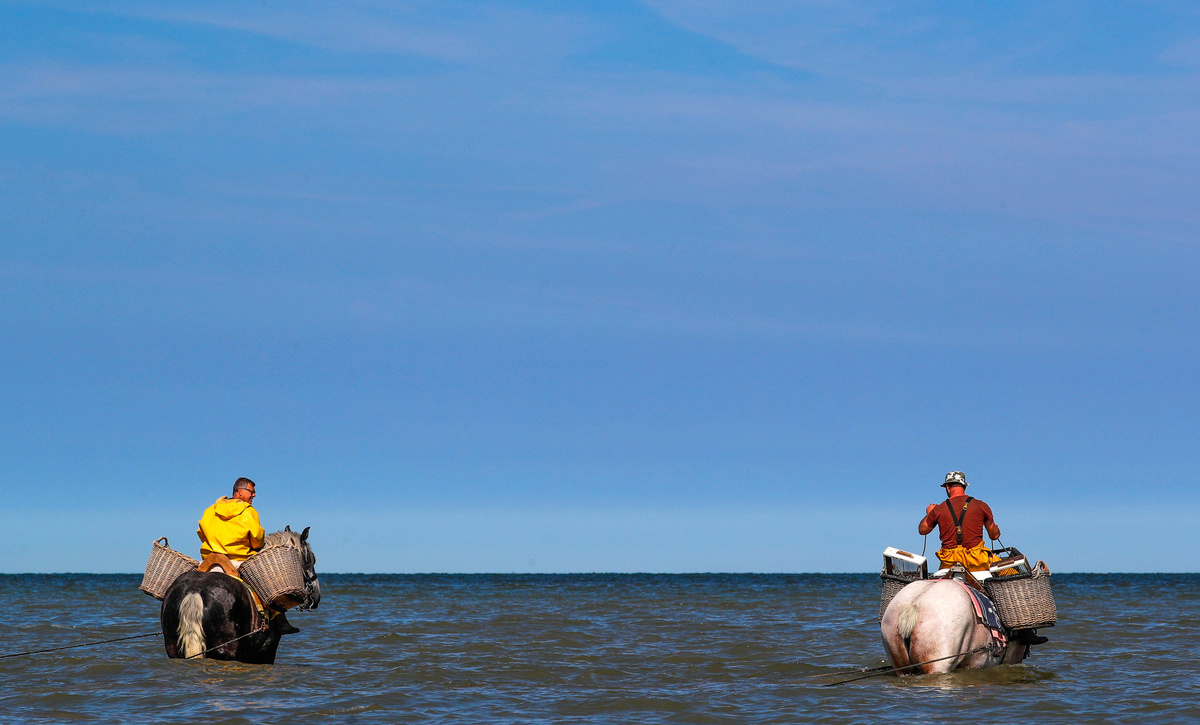
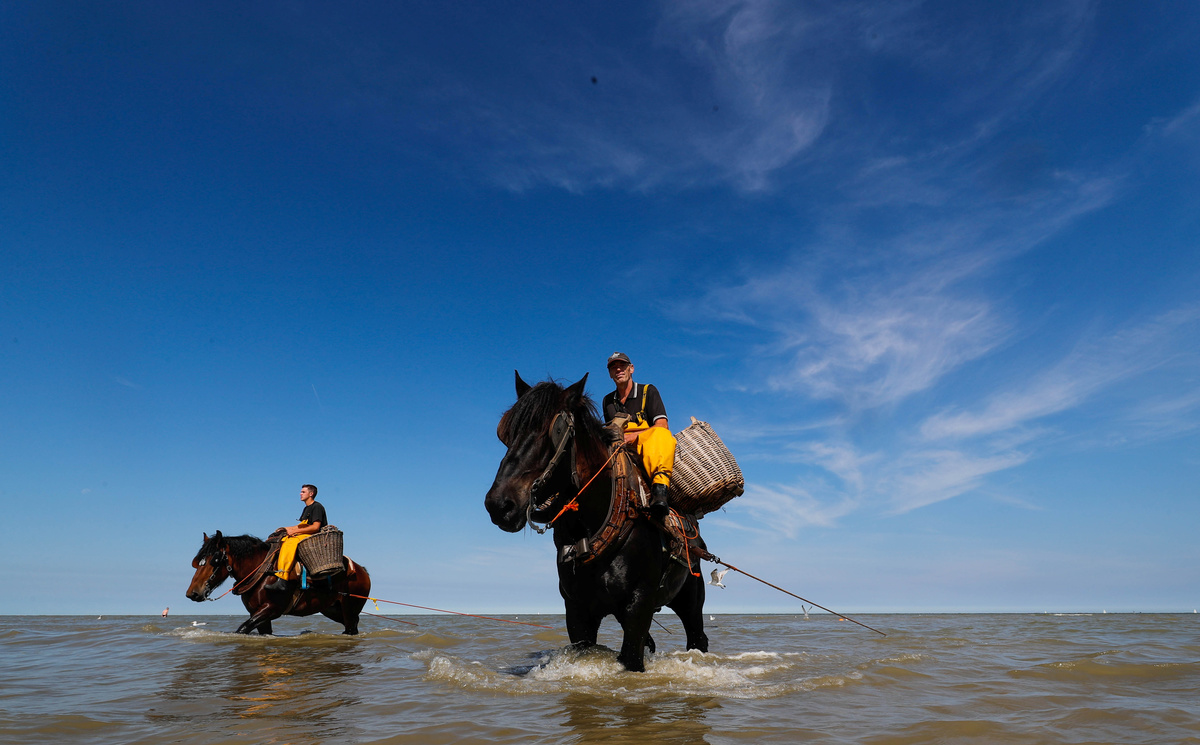
Belgian shrimp fishermen ride their horses in the sea in the coastal town of Oostduinkerke, Belgium. REUTERS/Yves Herman
(Reporting by Verity Crane; Writing by Julia Echikson; Editing by Robert-Jan Bartunek and Alison Williams)
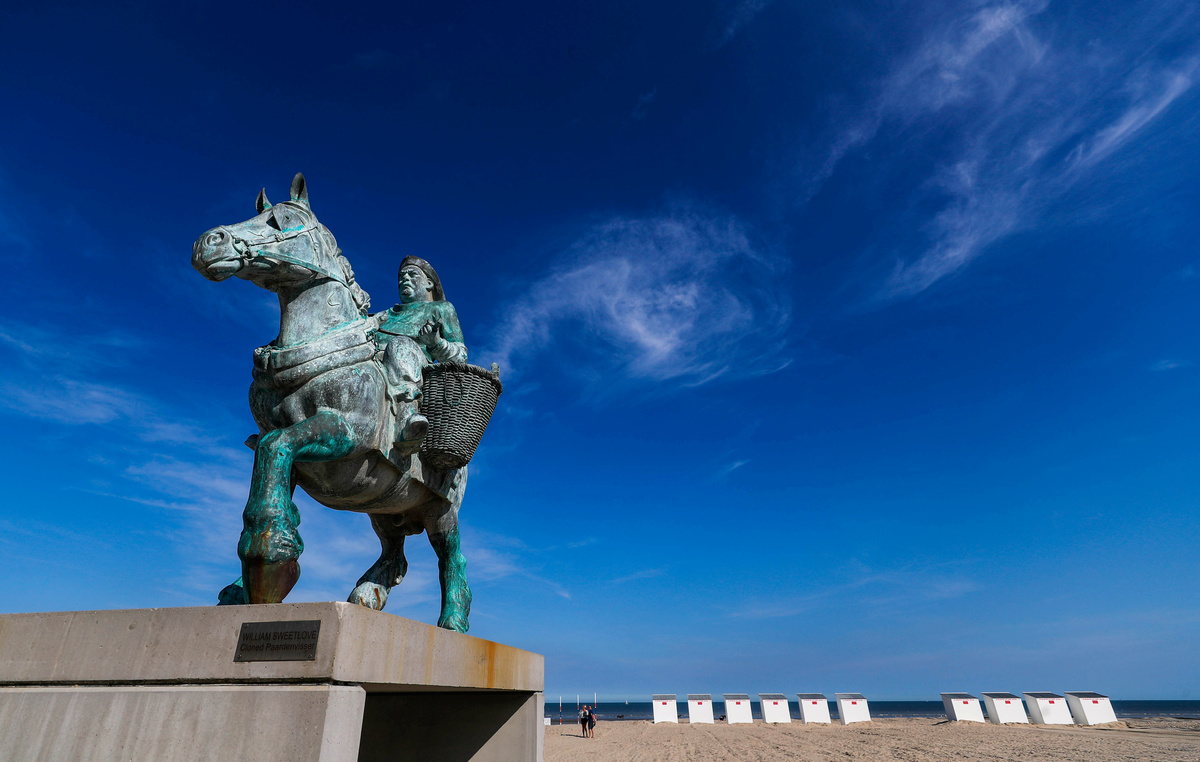
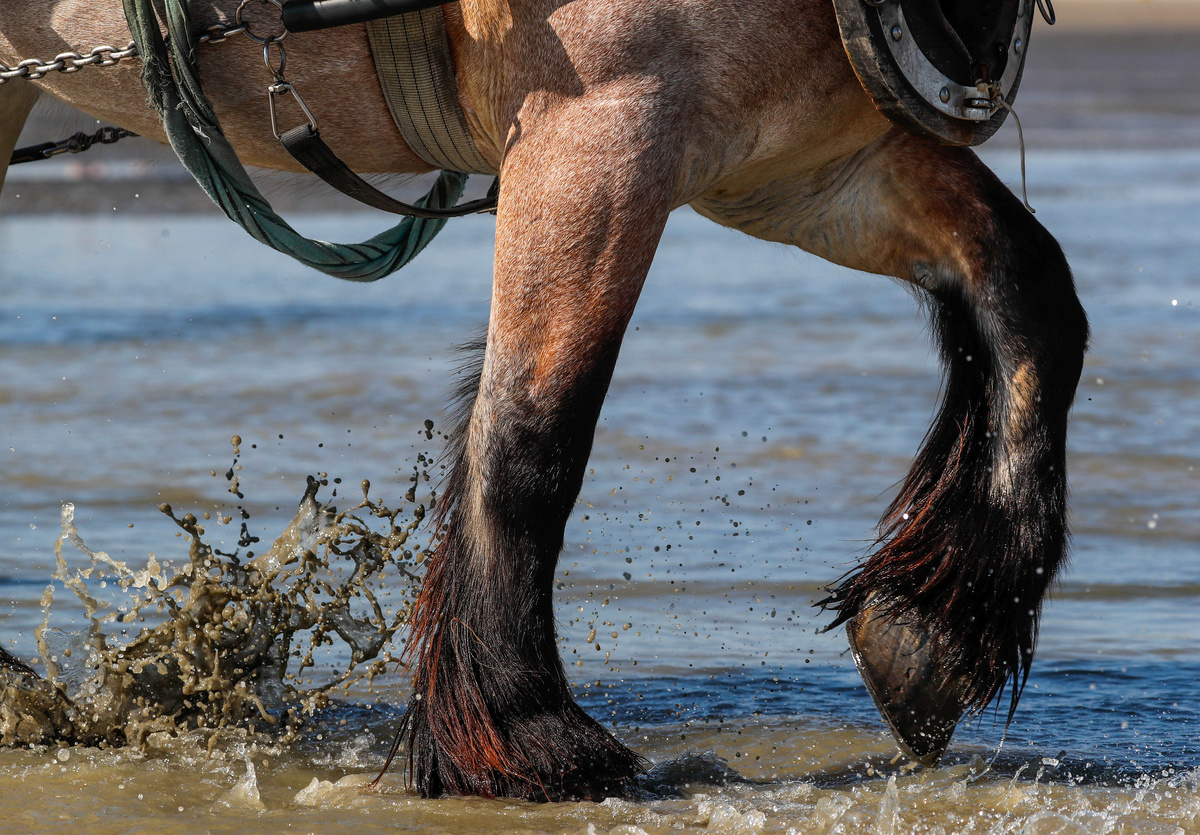
Belgian shrimp fisherman Pieter De Dier rides a carthorse to haul a net out in the sea to catch shrimps during low tide at the coastal town of Oostduinkerke, Belgium August 2, 2018. REUTERS/Yves HermanBelgian shrimp fishermen ride carthorses to haul nets out in the sea to catch shrimps during low tide at the coastal town of Oostduinkerke, Belgium August 2, 2018. REUTERS/Yves HermanShrimps are seen in a basket after shrimp fishing during low tide at the coastal town of Oostduinkerke, Belgium August 2, 2018. REUTERS/Yves HermanA statue representing a Belgian shrimp fisherman is seen on the beach at the coastal town of Oostduinkerke, Belgium August 2, 2018. REUTERS/Yves HermanA Belgian shrimp fishermen drives his carriage on the beach in the coastal town of Oostduinkerke, Belgium August 2, 2018. REUTERS/Yves HermaBelgian shrimp fisherman Bernard Debruyne rides a carthorse to haul a net out in the sea to catch shrimps during low tide at the coastal town of Oostduinkerke, Belgium August 2, 2018. REUTERS/Yves HermanThe legs of a carthorse are seen on the beach before it goes out for shrimp fishing at the coastal town of Oostduinkerke, Belgium. REUTERS/Yves Herman
Sign up to read this article
Read news from 100’s of titles, curated specifically for you.