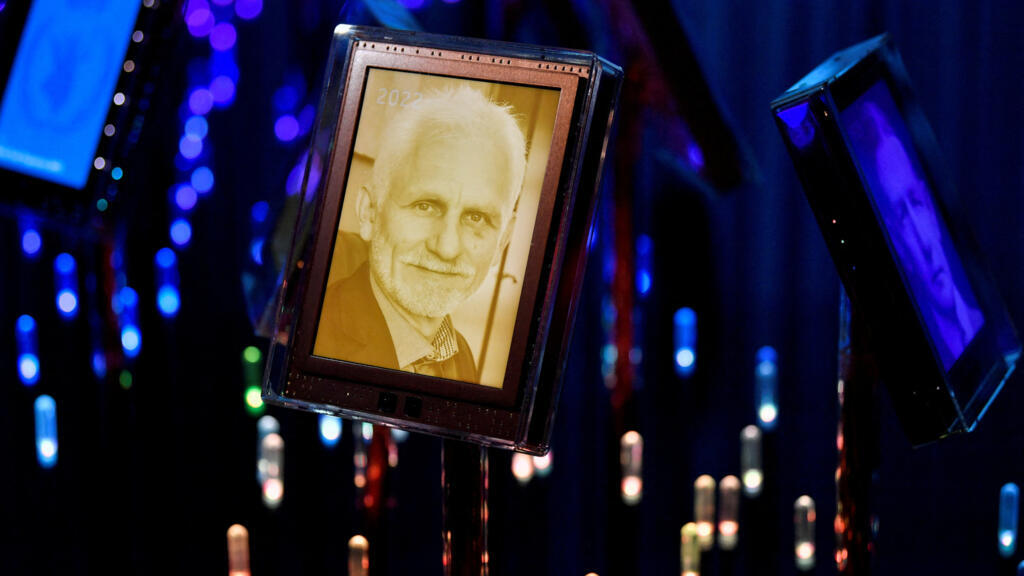
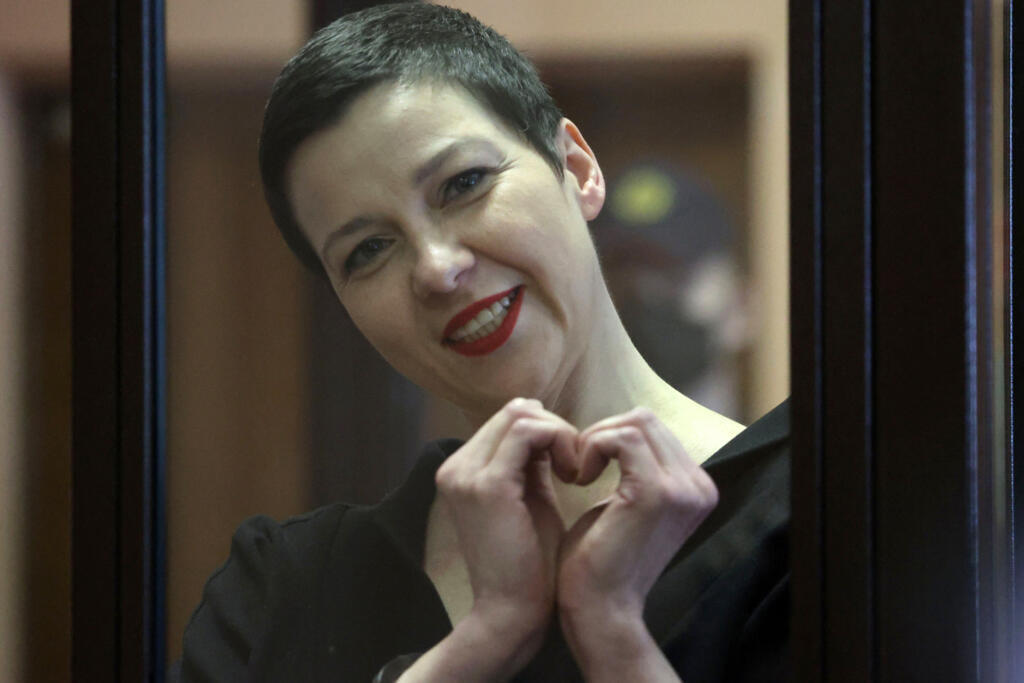
Belarusian street protest leader Maria Kolesnikova and Nobel Prize winner Ales Bialiatski walked free on Saturday with 121 other political prisoners, released in an unprecedented US-brokered deal, rights groups announced.
Belarusian President Alexander Lukashenko has locked up thousands of his opponents, critics and protestors since an election in 2020 that rights groups widely said was rigged and triggered weeks of unprecedented protests across the country.
Kolesnikova was the star of the 2020 street protests that almost toppled Lukashenko -- in power since 1994 -- and famously ripped up her passport as the KGB tried to deport her.
Bialiatski -- a 63-year-old veteran rights defender and 2022 Nobel Prize winner and former vice-president of the Paris-based human rights organisation FIDH -- is considered by Lukashenko to be a personal enemy and has documented rights abuses for decades.
"Ales Bialiatski is free!," rights group Viasna said on social media about its founder and chair, adding he had spent 1,613 days in prison.
"I spoke with him, he is travelling to Lithuania, and he is feeling well," his wife Natalia Pinchuk told French press agency AFP.
Kolesnikova's sister, Tatiana Khomich, told AFP she looked "normal" amid widespread fears her health had massively deteriorated behind bars.
"She thanked the United States for President (Donald) Trump's efforts and the Belarusian side for holding these negotiations," Khomich said after a brief call with Kolesnikova.
Journalists and relatives had gathered outside the US embassy in Vilnius, anticipating the arrival of some of the prisoners, an AFP reporter saw.
Viasna posted a photo of Kolesnikova saying she had been taken to Ukraine.
Minsk also freed Viktor Babariko -- an ex-banker who tried to run against Lukashenko in the 2020 presidential election but was jailed instead.
Rights groups, relatives and state media reported a total of 123 people were freed, including foreign citizens, after a US envoy said that Washington was lifting some sanctions on Minsk, a close ally of Moscow.
Ukrainian President Volodymyr Zelensky said five Ukrainian citizens were among those freed.
Here are more details on Kolesnikova and Bialiatski, both of whom have had hardly any contact with the outside world since being jailed.
Maria Kolesnikova
An orchestra flute player, Kolesnikova was part of a trio of women -- including Svetlana Tikhanovskaya who stood against Lukashenko and now leads the opposition in exile -- that led 2020 street protests against Lukashenko.
Kolesnikova was serving an 11-year sentence in a prison colony, kept largely in isolation cells and held virtually incommunicado since 2023.
Her health is thought to have seriously deteriorated in prison. She underwent surgery in custody and her weight severely dropped -- with her family and allies fearing for her life.
Former prisoners from the Gomel prison where she was held have told AFP she was barred from talking to other political prisoners and regularly thrown into harsh punishment cells.
An image of Kolesnikova making a heart shape with her hands became a symbol of anti-Lukashenko protests.
She was abducted by security forces, who put a sack over her head and drove her to the Ukrainian border. She ripped up her passport, foiling the forced deportation plan, and was placed under arrest.
Born in Minsk, Kolesnikova left Belarus in 2007 to attend a German music school and played in European orchestras, before returning to Belarus a decade later.
Ales Bialiatski
Bialiatski was already in pre-trial detention when he won the Nobel Peace Prize in 2022 for his tireless work documenting rights abuses. He was months later handed a 10-year sentence.
He founded Viasna in the 1990s, two years after Lukashenko became president.
The group now operates from exile and tries to track the fate of the 1,000-plus political prisoners in the country and rally support for them.
Bialiatski has taken part in protests against repression in Belarus for decades, triggering Lukashenko to accuse him of being a foreign stooge.
Viasna has said that since 2023, Bialiatski has regularly been placed in punishment cells, held incommunicado and suffered health problems.
(With newswires)