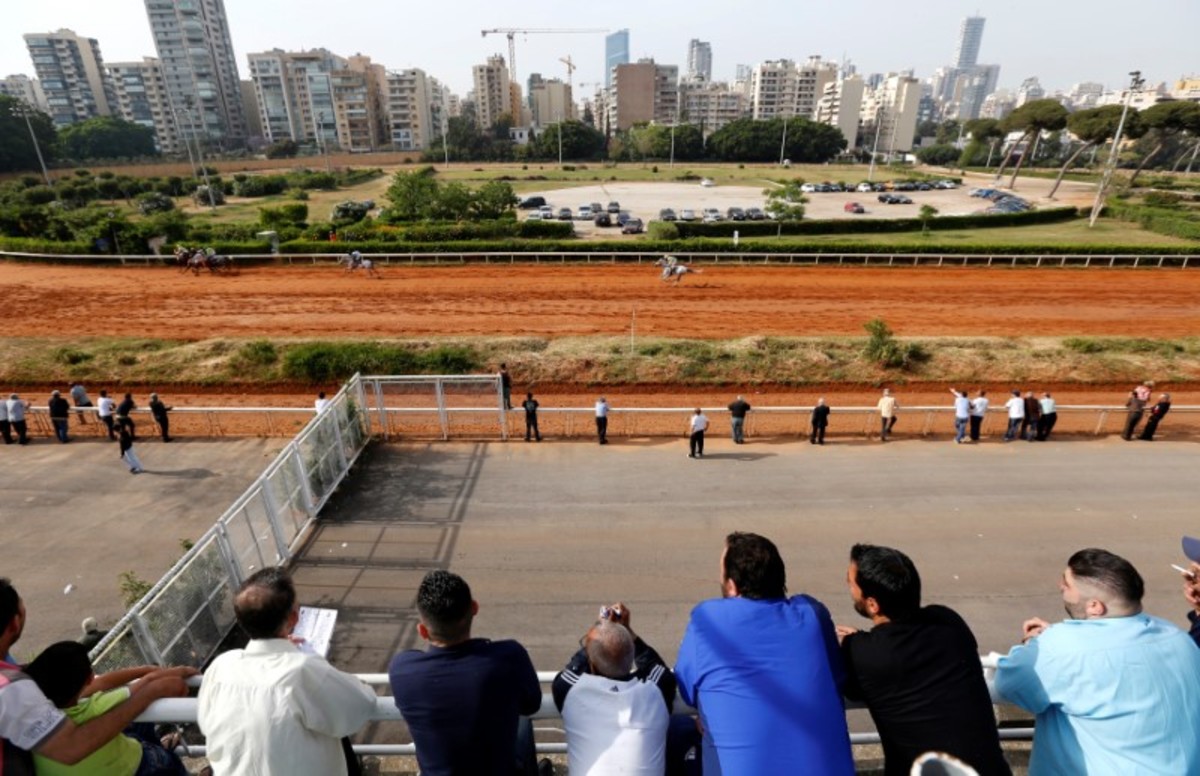
BEIRUT (Reuters) - Beirut's racecourse, which hosted monarchs and movie stars in its chic heyday and survived Lebanon's civil war, is struggling to secure its future after years of slow decline.
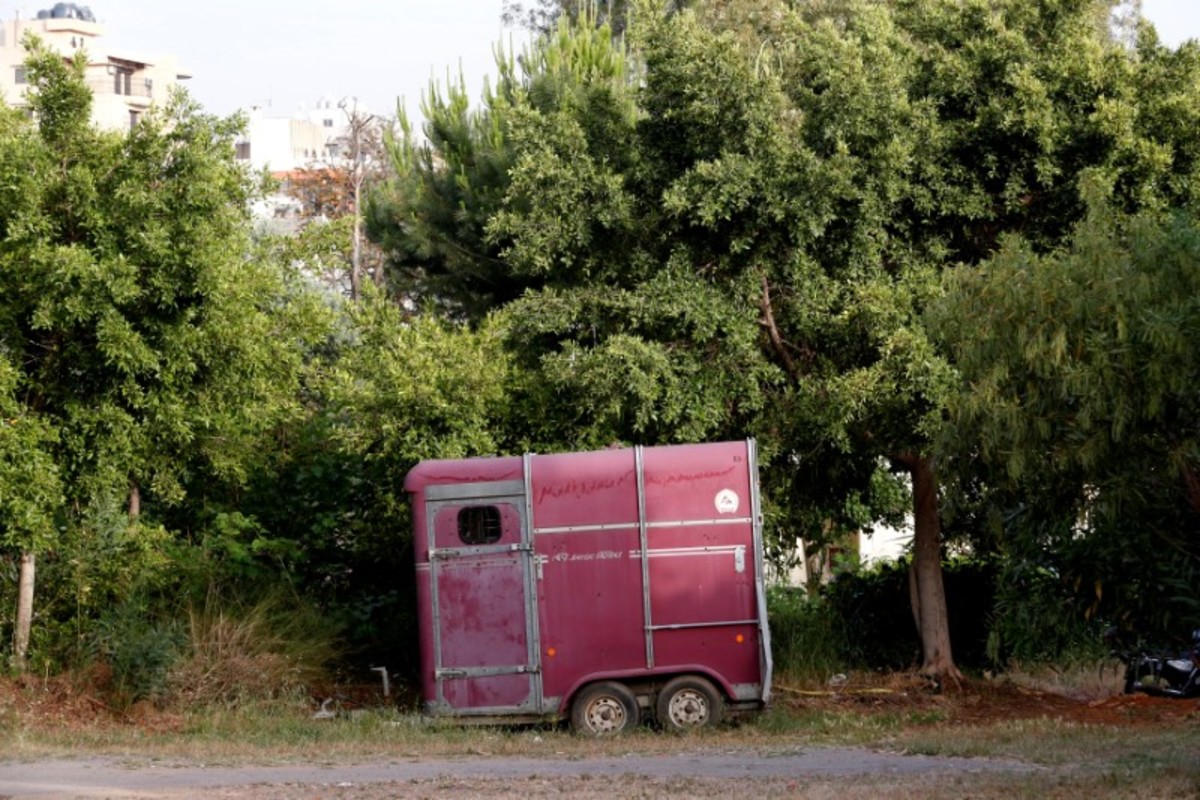
The Hippodrome marked its centenary last year. But it has an aging clientele, must fend of private developers, and has lost revenue to illegal gambling.
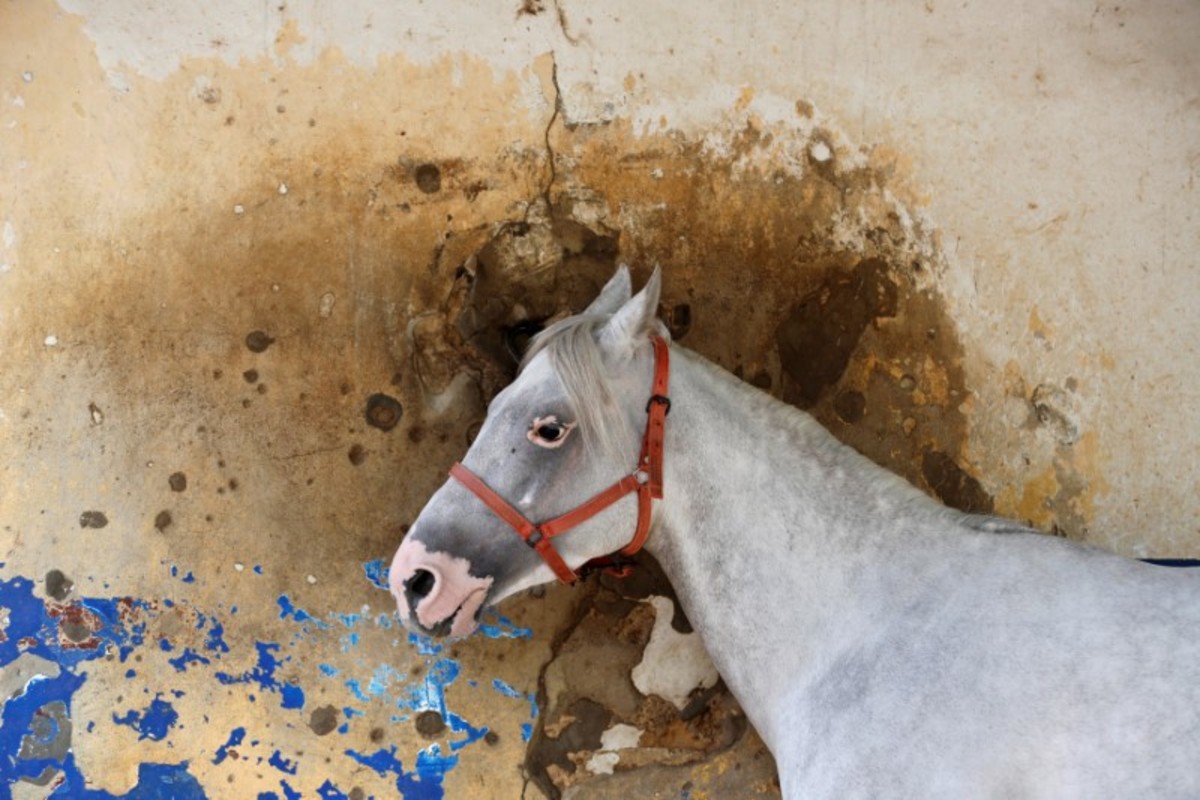
Now it is seeking a younger crowd and new investment from city authorities.
Its director general Nabil Nasrallah was on a recent day studying the draft of an advertisement for family-friendly night races, a move he hopes will bring in more youthful punters.
"Would it be better to use the phrase 'back a winner' or 'guess a winner'?" he wondered.
He proposes using what is rare patch of green in Beirut's center as a park on days when there is no racing, and hopes to restore the racecourse to its past glories with development projects.
The city authorities, which own it, have not yet put in the money, he said.
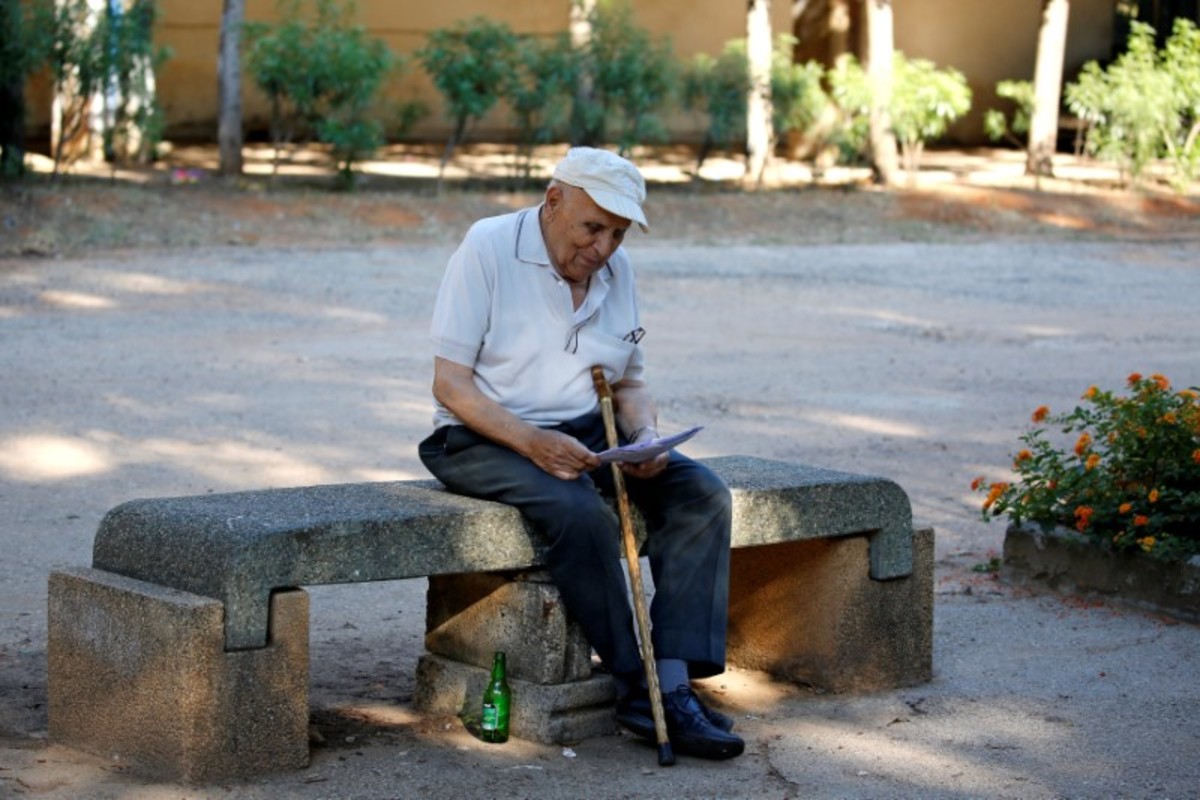
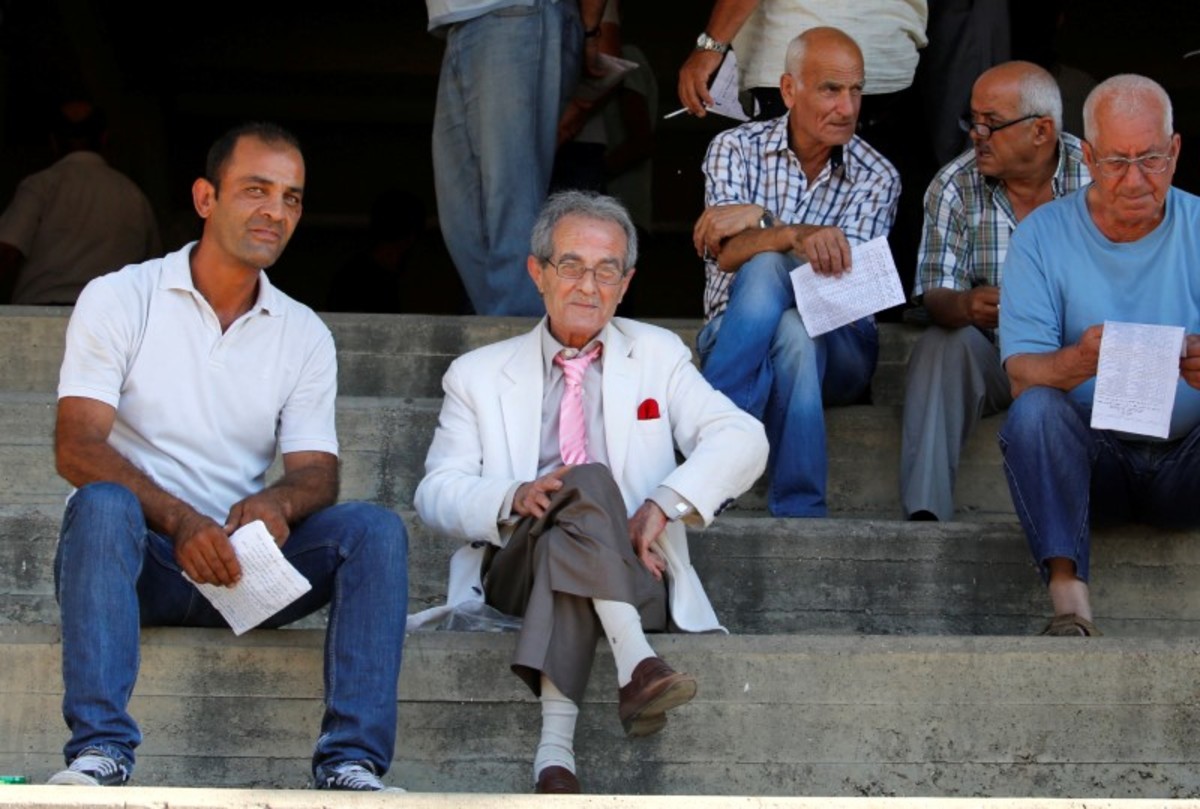
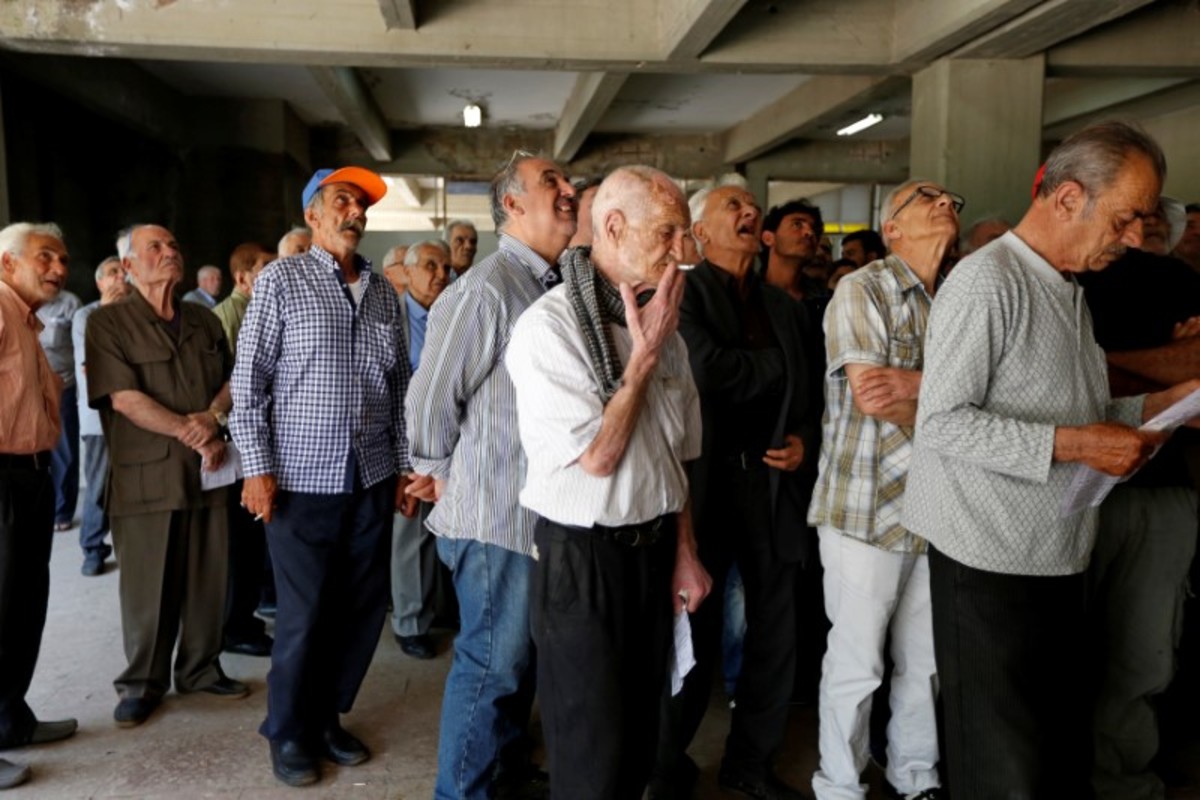
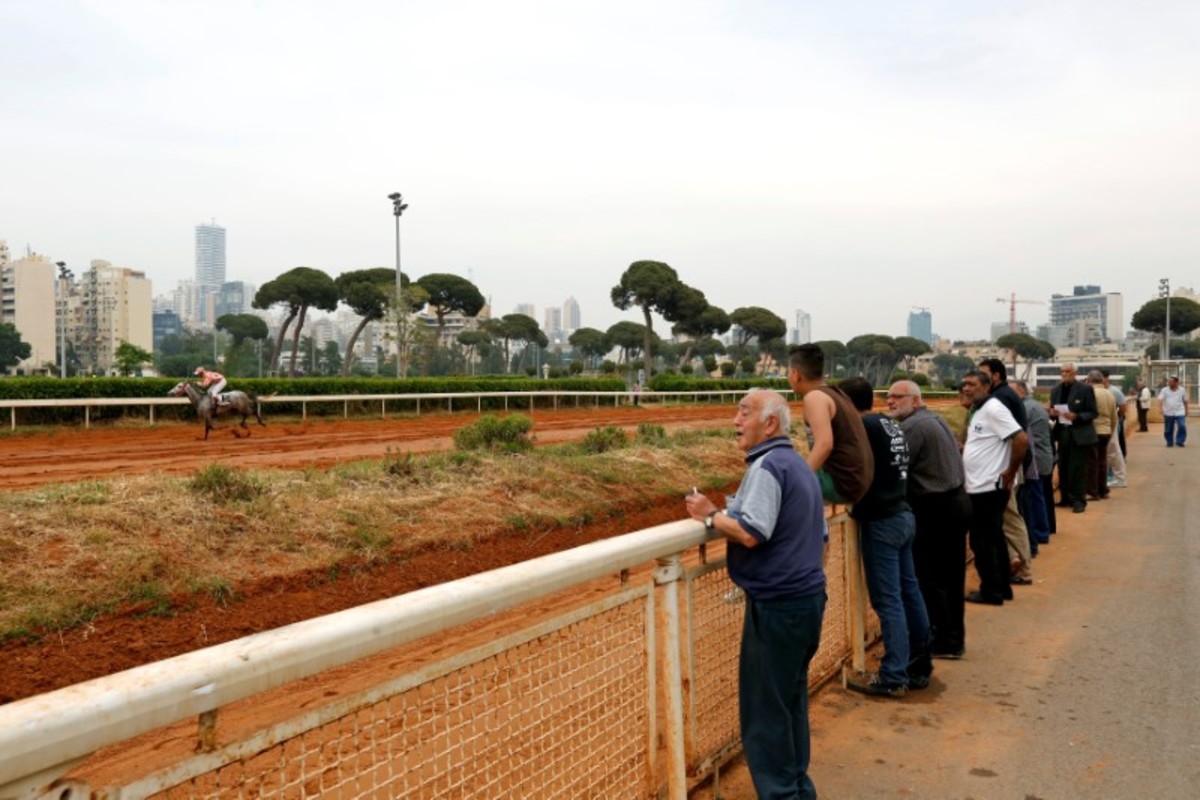
On white plastic chairs in the concrete stands, amid the chatter of conversation and the gurgle of water pipes, most men watching the horses one recent Sunday were middle-aged or older.
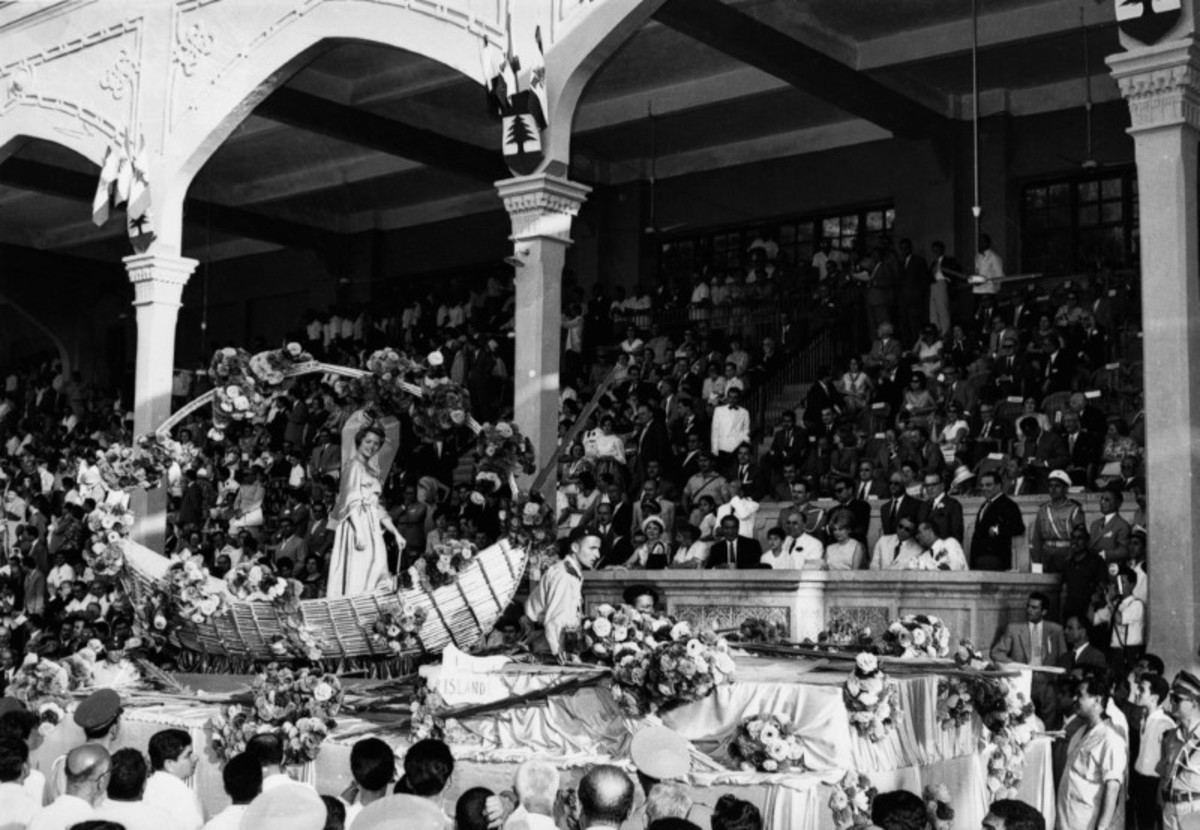
Many had patronized the Hippodrome since its 1960s heyday, when the city painted itself as the Paris of the Middle East and races drew a glittering high-society crowd.
"All the presidents of republics and officials visiting from abroad used to come here, like the Shah of Iran, (Saudi) King Abdulziz and the king of Greece. It was one of the most prestigious and beautiful places in Beirut," Nasrallah said.
Back then the original elegant grandstand was filled with spectators and 15 horses ran each race, instead of five now.
The grandstand was smashed in the fighting when Israel occupied Beirut in 1982.
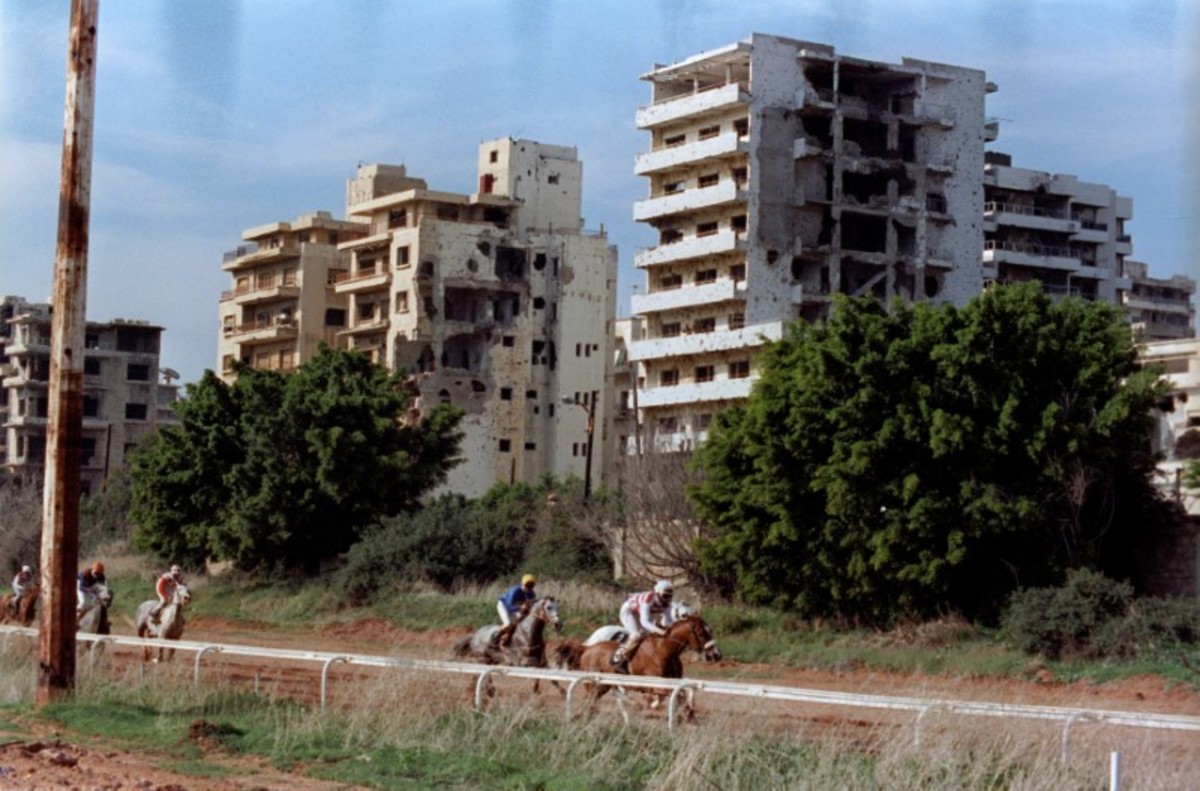
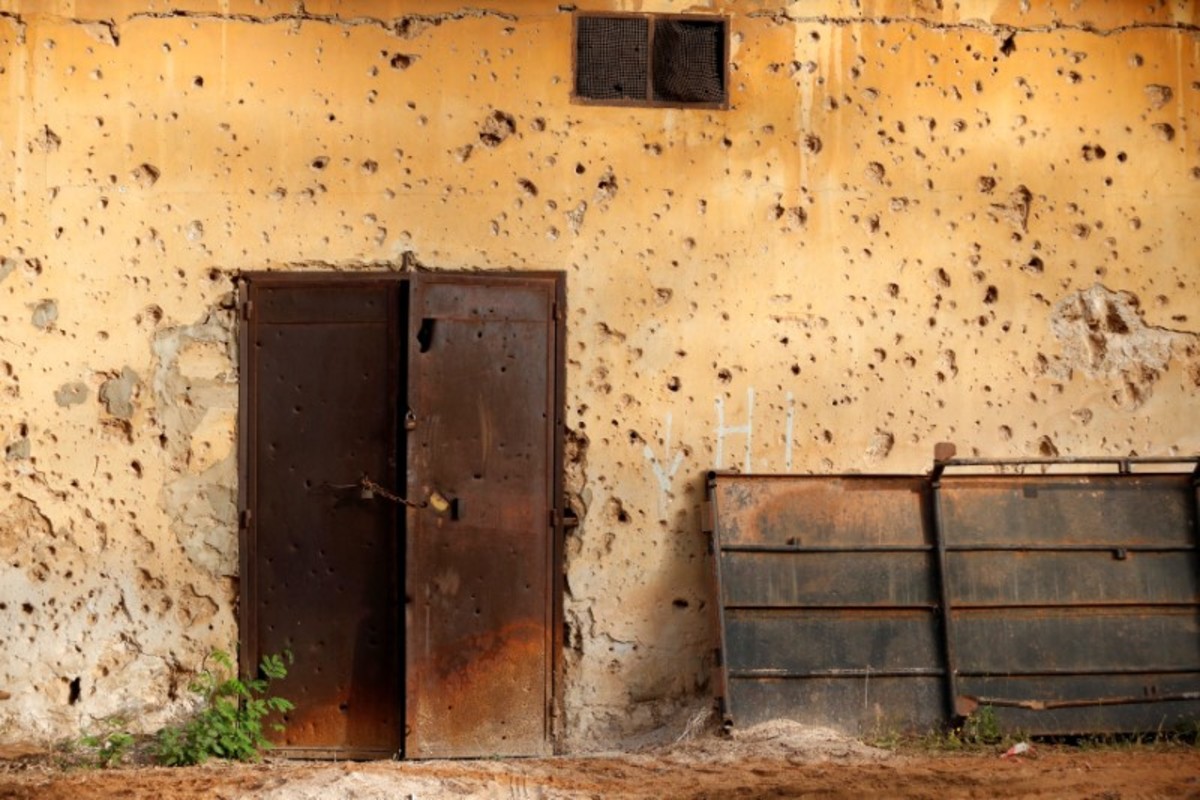
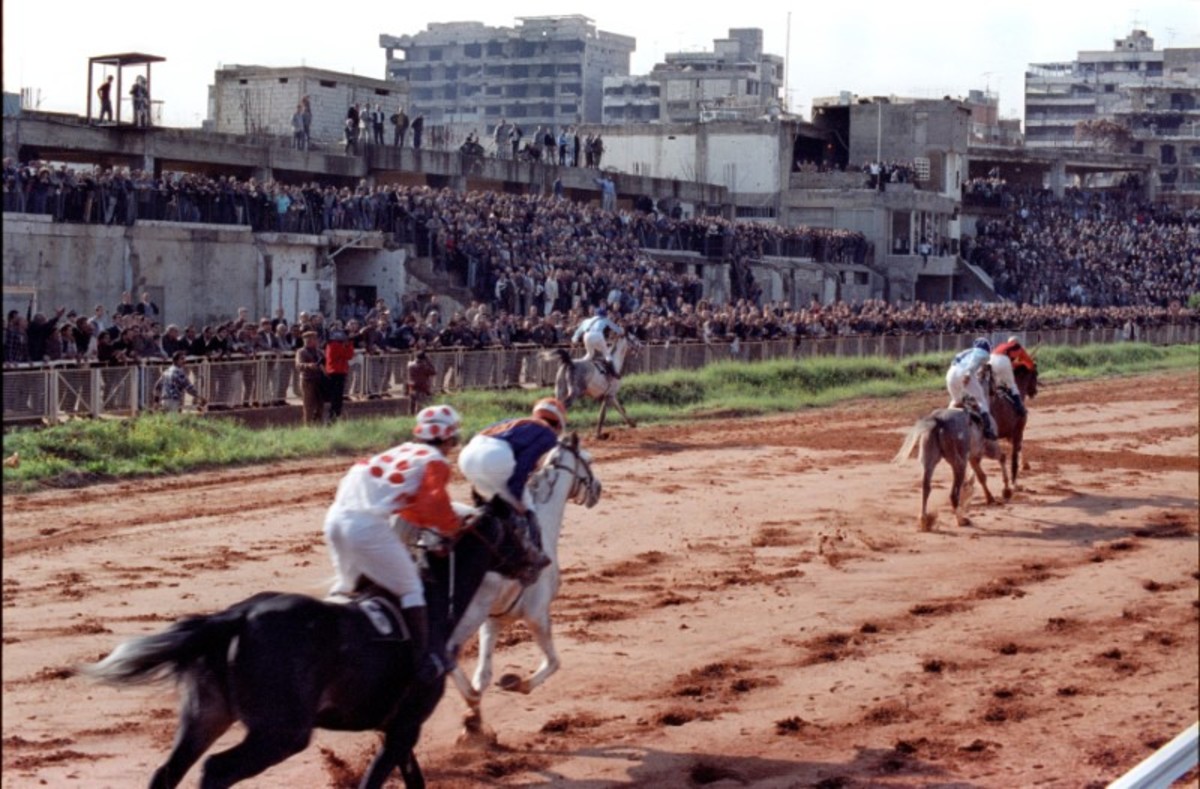
The Hippodrome was for years on the "Green Line", the front between Lebanon's warring factions in the 1970-1995 civil war, and nearby city buildings still bear the marks of bullets and shrapnel on their ripped facades.
"We had more than 10,000 people coming from east and west, from the different sides, for race meetings," said Nasrallah of races during the war. Unlike other crossing points on the frontline, the racecourse was not a target for snipers.
But the Gulf sheikhs who used to race their thoroughbreds here now have racecourses in their own countries, although Islamic law bars the gambling that attracts many punters in Beirut.
SYRIAN JOCKEY
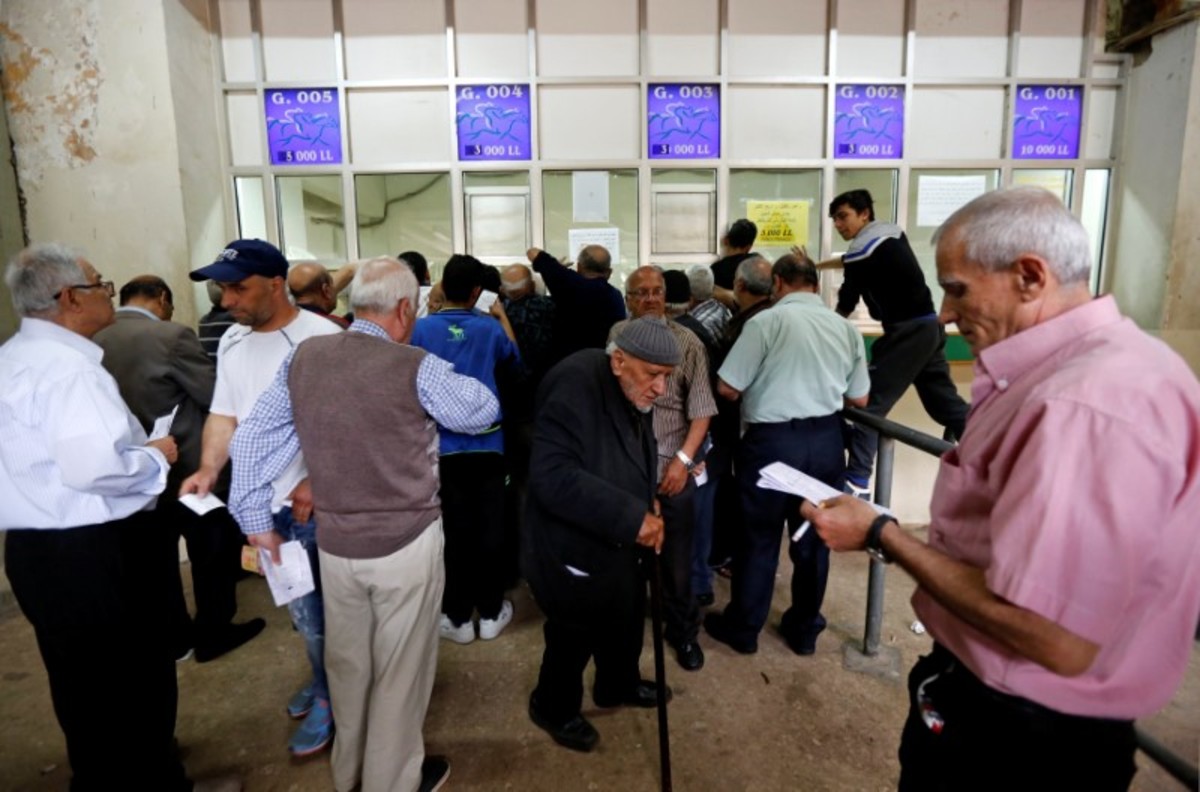
Elias Yousef, a dandified 76-year-old barber sporting a scarlet handkerchief in the breast pocket of his white linen jacket, said he bets up to 100,000 Lebanese pounds ($67) a week.
"It's my sickness," he said.
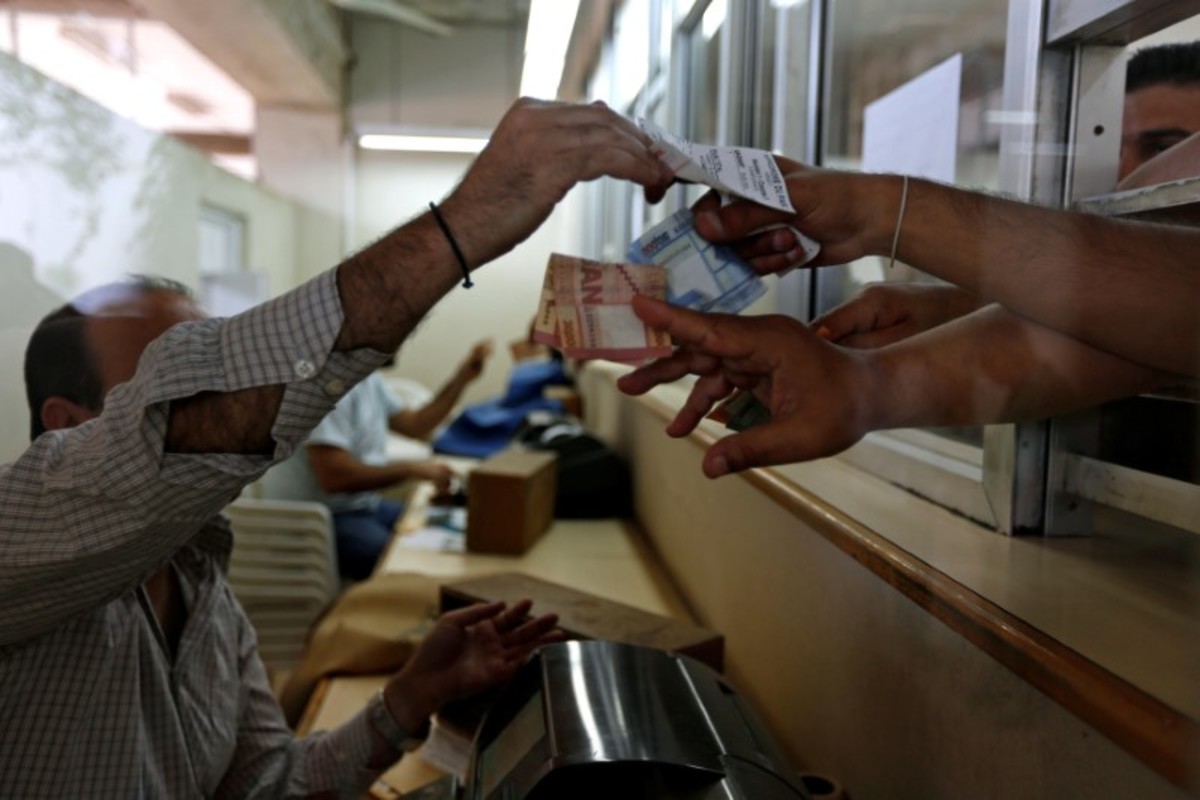
Nasrallah said that illegal gambling had reduced the volume of bets placed with official bookies at the racecourse.
In the VIP suite in the stand, five men sat around a table overlooking the course, filling ashtrays, emptying coffee cups and waving white betting slips.
They cheered raucously, ribbing a retired judge who had backed a horse that was disqualified for an infraction after romping home in first place.
A bell rang and spectators walked over to the white fences of an exercise yard to cast expert eyes over the horses before they ran the next race.
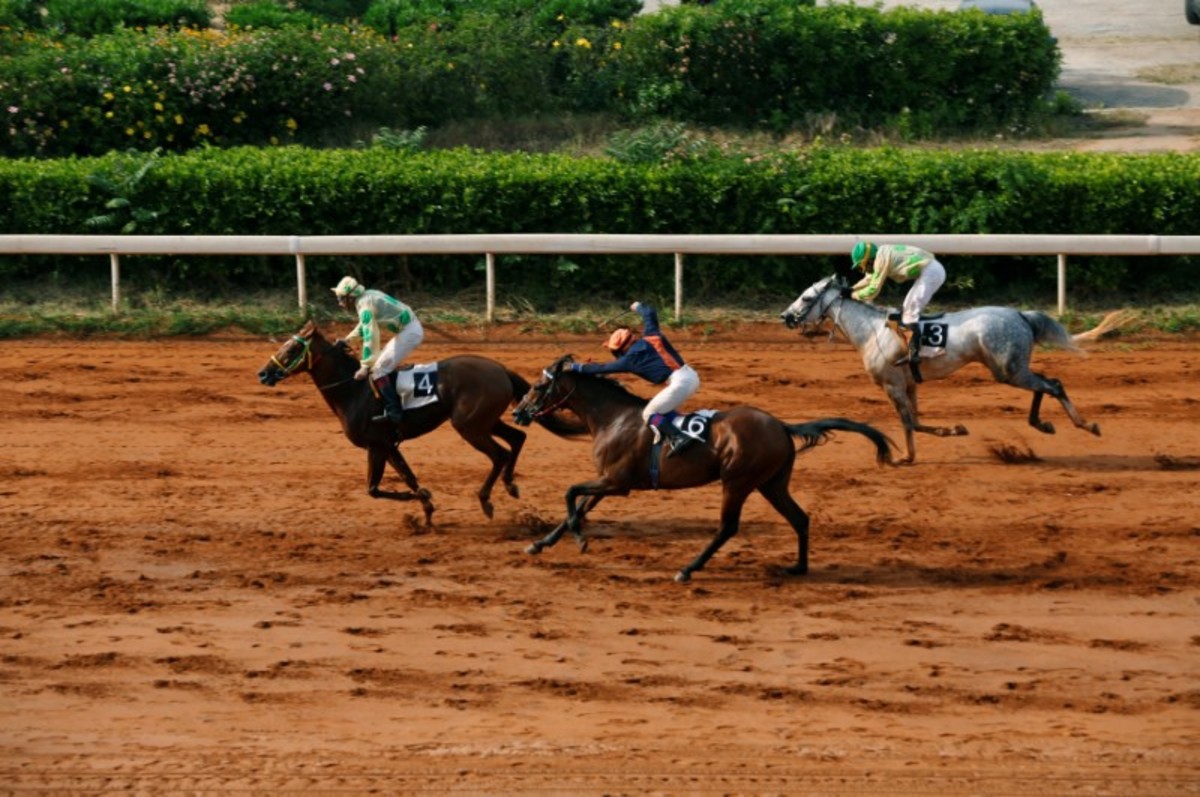
There was a murmur of excitement and everybody rushed towards the stand, craning their necks for the start of the race.
"Come on! Come on!" the crowd shouted in Arabic and French. All eyes were fixed on the red dust of the track as the horses thundered past.
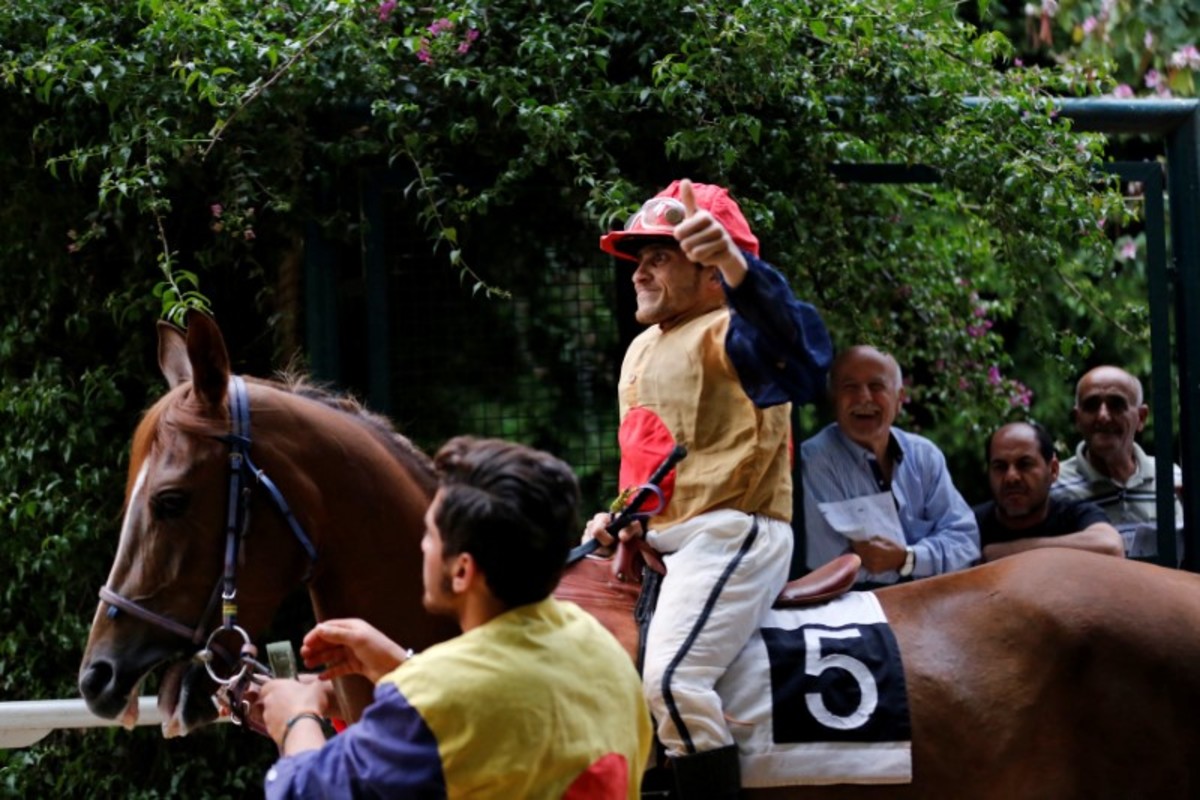
The winning jockey was a Syrian, a tiny man in orange and black colors, sweat and red dust staining his face. He came to race in Lebanon after the war in Syria began, he said.
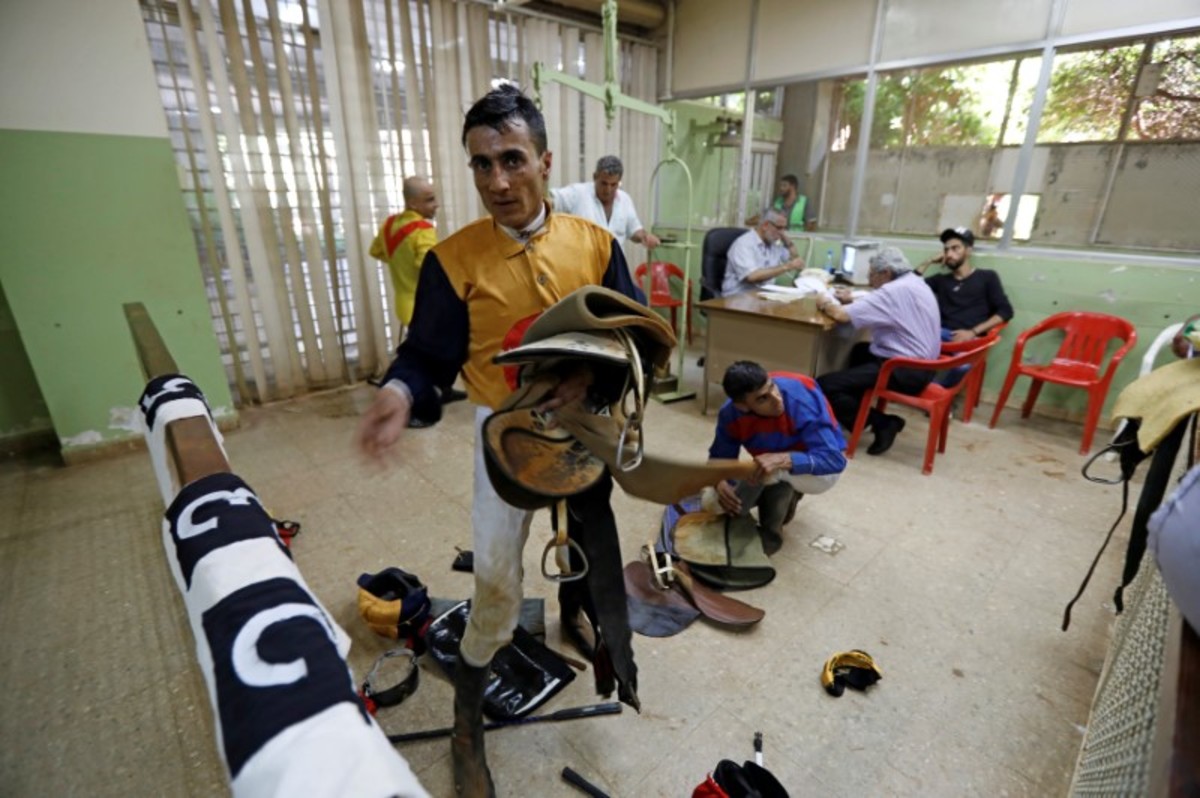
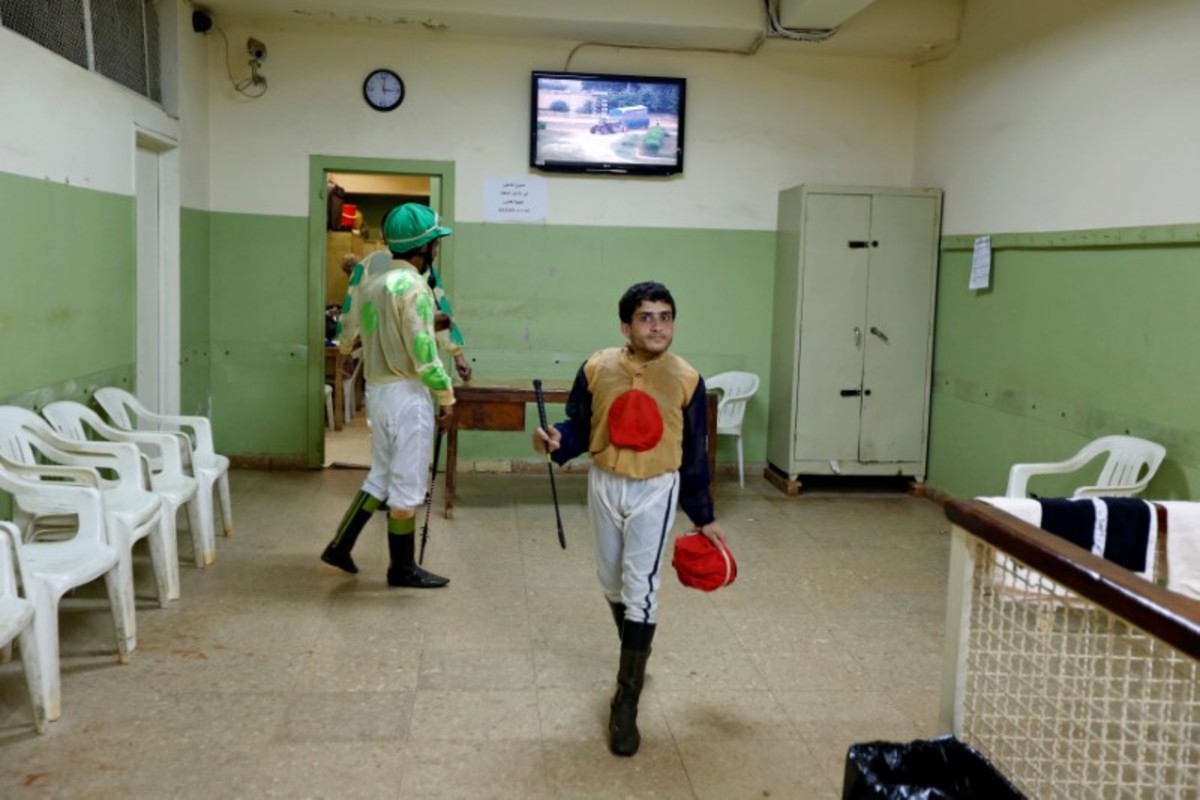
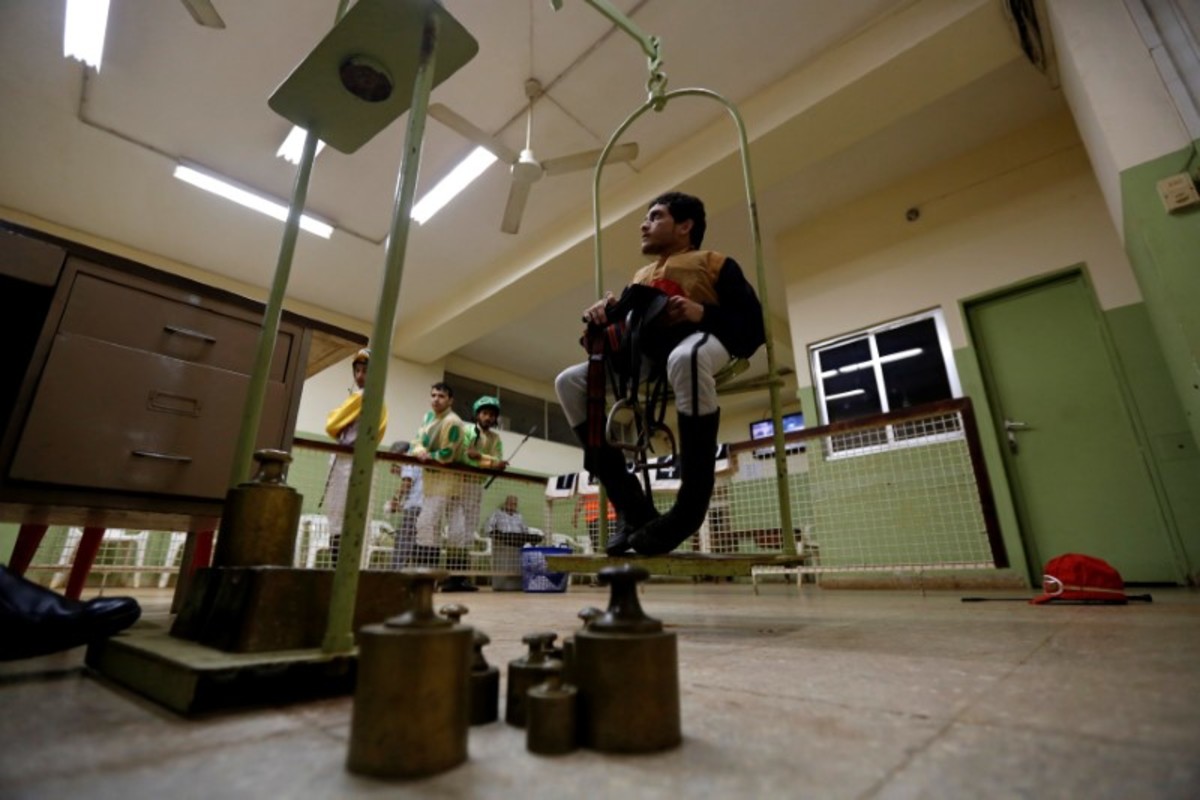
After the race, he and the other jockeys gathered in the weighing room, taking turns to sit in the harness of a wrought-iron scale while a man slowly added weights until it tilted.
Outside, Jamil Helo, aged 85, sat waiting for the last race. He has come to the races in Beirut since 1965.
"Sometimes I win a little, sometimes I lose a lot," he said. "It's in my blood."
Click here http://reut.rs/2s2CKo0 for photo essay.
(Reporting by Angus McDowall and Jamal Saidi. Editing by Angus MacSwan)