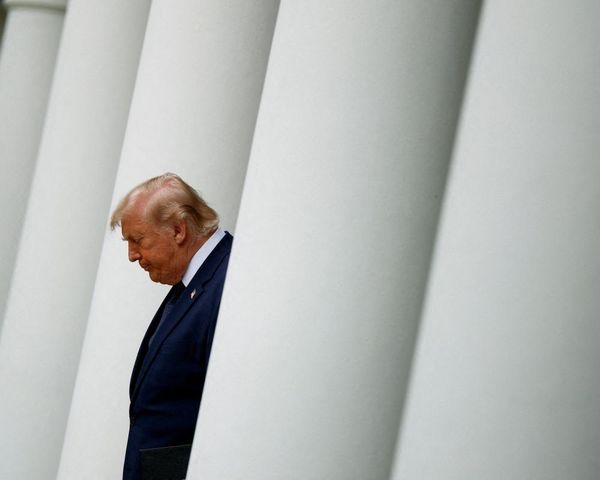

China has suspended its nearly year-long ban on exports of gallium, germanium, and antimony to the United States. The country's Commerce Ministry broke the news on Sunday, following the recent "amazing meeting" between President Donald Trump and Chinese President Xi Jinping.
According to Reuters, the ministry confirmed that exports of the three critical metals can resume immediately. Still, they remain subject to China's broader export licensing regime.
The export ban, imposed nearly a year ago, was a retaliatory measure in response to the U.S.’s advanced chip and semiconductor export controls. While the ban slowed direct shipments, it did not stop the metals from reaching U.S. buyers altogether. Imports continued through intermediaries in Southeast Asia and Europe, albeit at higher costs and with longer lead times.
Low Production, High Impact
The three materials are crucial for high-tech and defense industries. Gallium and germanium are essential for semiconductors, radar systems, and fiber optics, while antimony is widely used in flame retardants and ammunition primers.
Despite the small market size of these metals, their scarcity in the supply chain makes them strategically significant.
In gallium's case, the problem lies not in price but availability. In recent years, China has produced nearly 99% of the world's refined gallium, giving it control over the metal. When the country restricted exports in 2023, global prices more than doubled—from around $350 per kilogram to over $700—creating bottlenecks for semiconductor and defense contractors that depend on gallium-based compounds, such as gallium nitride and gallium arsenide.
The temporary return of exports is therefore expected to ease supply chain pressures but will not eliminate strategic vulnerability.
Efforts to Reduce Market Control
The U.S. and its allies have been racing to diversify critical minerals supply chains. Rio Tinto (NYSE:RIO) and Indium Corporation successfully extracted pure gallium from alumina refinery waste in Quebec in May. The pilot plant aims to produce 3.5 tons per year. Meanwhile, Greece's Metlen Energy & Metals (OTC:MYTHY) targets a production of 50 tons by 2028. The project is part of the European Union's strategic minerals initiative.
Western producers are also developing technologies to extract byproduct metals, such as scandium and tellurium, from existing operations. But it will take time to rebuild expertise lost after years of reliance on Chinese refiners.
The Commerce Ministry stated that the suspension of export restrictions to the U.S. would remain in effect until November 27, 2026, without any further details.
For now, the suspension provides temporary relief to U.S. industries that are dependent on these metals. Still, the underlying power dynamics in global supply chains persist.
Read Next:
Photo by Ivan Marc via Shutterstock