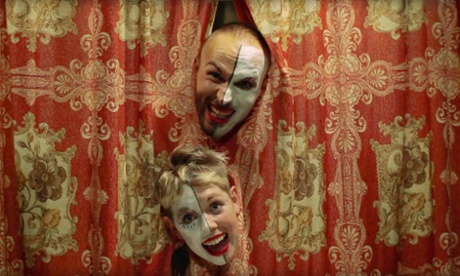
The autobiographical, or quasi-autobiographical subject, is dangerous territory for first-time film-makers – a licence to get carried away with yourself. Double that risk if you’re an expat, when your personal lost-in-translation reverie can dissolve all too easily into platitudes. Australian director Emma Jaay is both an expat and autobiographically inclined, but emerges with a sweet but focused debut that serves as a wistful scrapbook for her adopted city, Beijing, and as an artistic manifesto.
There’s little plot to speak of. Sophie, played by Jaay, is a blogger gone awol – her latest batch of posts is overdue, but she’s more preoccupied by best friend Martin’s departure, thanks to a visa crackdown. In Jaay’s chopped-up time scheme, sometimes he’s still there, sometimes he’s gone. They dance, they dress each other. She dithers over recasting his role in the cabaret they’d been working on. They drape seaweed on each other’s faces in the river. She gets new-boyfriend advice from local wide boys. Visa talk – the existential threat uniting all foreigners in Beijing – hangs over it all.
Sophie’s flaneuring voiceover wafts through these peregrinations, but it would mean little without the right images. Jaay cuts, pastes and switches filters astutely, her hectic but attuned rhythm spotlighting almost meaningful bits of urban flotsam, such as the golden mannequin torso she lugs around, and making sure Beijing Being never degenerates into twentysomething mumblecore mush. The acting is a little stiff in places, but she and the dulcet-voiced Martin Butz (as Martin) have the crucial chemistry.
The film has a similar ephemeral charm as past DIY digital diaries such as Jonathan Caouette’s Tarnation. But Jaay’s experiences bring her closer to the self-actualising verve of the French New Wave, the film itself another permutation of the spectrum of roleplay – reflecting, connecting, falling in love – through which the city’s guests make themselves an identity. Contact with the Beijing streets and a foreign culture seem to be what has given her a promisingly disciplined authorial voice. As Sophie says: “We hide behind our transience, and use it as an excuse to do nothing.” Not something Jaay can be accused of.