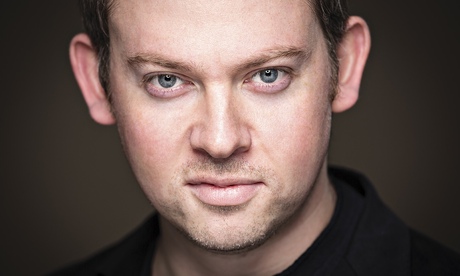
Rob Yescombe has been writing game stories for more than a decade, on titles such as Alien: Isolation, Rime and Ubisoft’s forthcoming Tom Clancy shooter, The Division. His discipline is a distinct one, plotting narratives for worlds where the player – not a director – is in control.
How is writing for games distinct from other forms of fiction writing?
“Writing games isn’t very glamorous. It’s not about sitting alone in a Parisian hotel with a glass of red wine and a long black cigarette. It’s about collaboration. What we do affects teams of artists, gameplay designers, programmers and sound designers working on the game.”
Games themselves must demand a very distinct approach to narrative?
“In traditional linear formats – like television, film or books – story structure is usually fairly straightforward. Everybody knows that a movie is roughly two hours and at the end the hero learns something important about themselves. But games are often non-linear; so you have to weave new kinds of structures to deliver your message.
How much weight is given to the player and the way they interact with a game?
“It’s important to remember that the player is a director, but they’re also an actor who doesn’t know their lines. They need the freedom to express themselves, but enough encouragement to ensure the story keeps momentum – it’s an equation that needs to be re-solved in each game.
Where should readers look for some of the best games writing?
“A lot of great games writers fly under the radar – they’re unsung heroes. So if you want to hunt down quality stuff, check out writers like Navid Khavari at Ubisoft or freelancers like Laura Deeley, Joel Janisse and Zach Parris. You’ll find some genuinely fresh and interesting writing.”