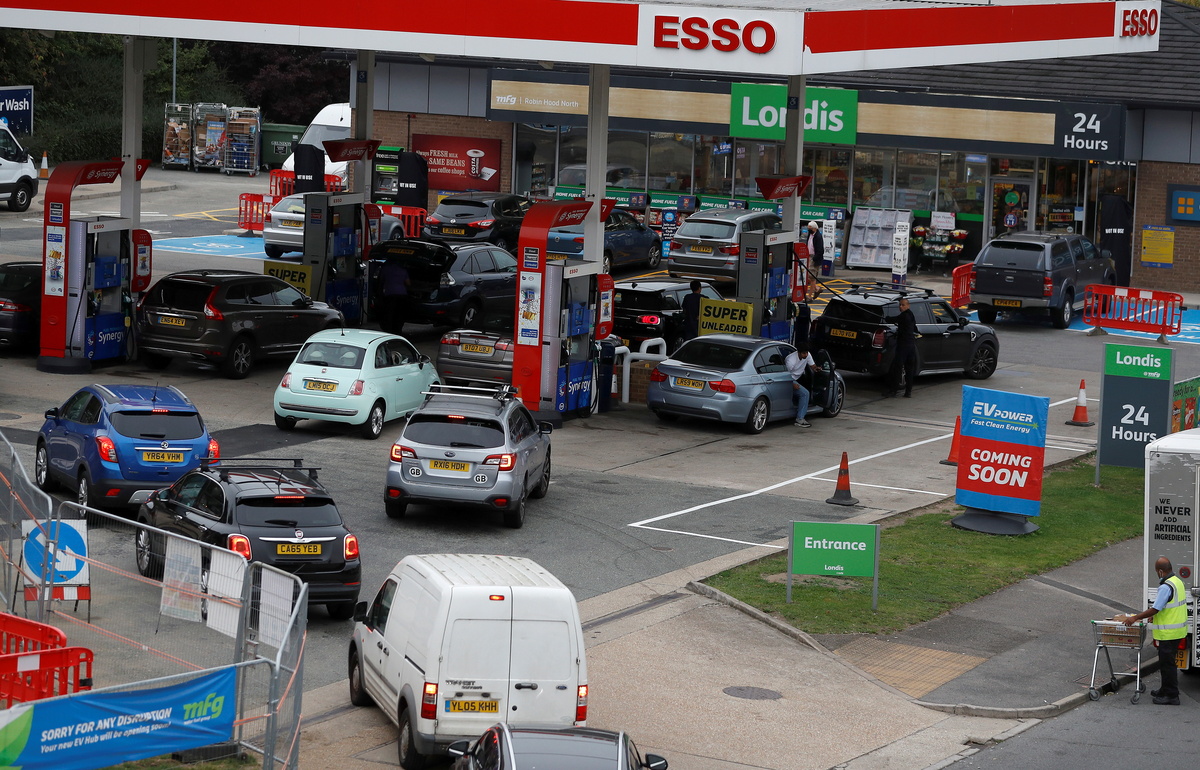
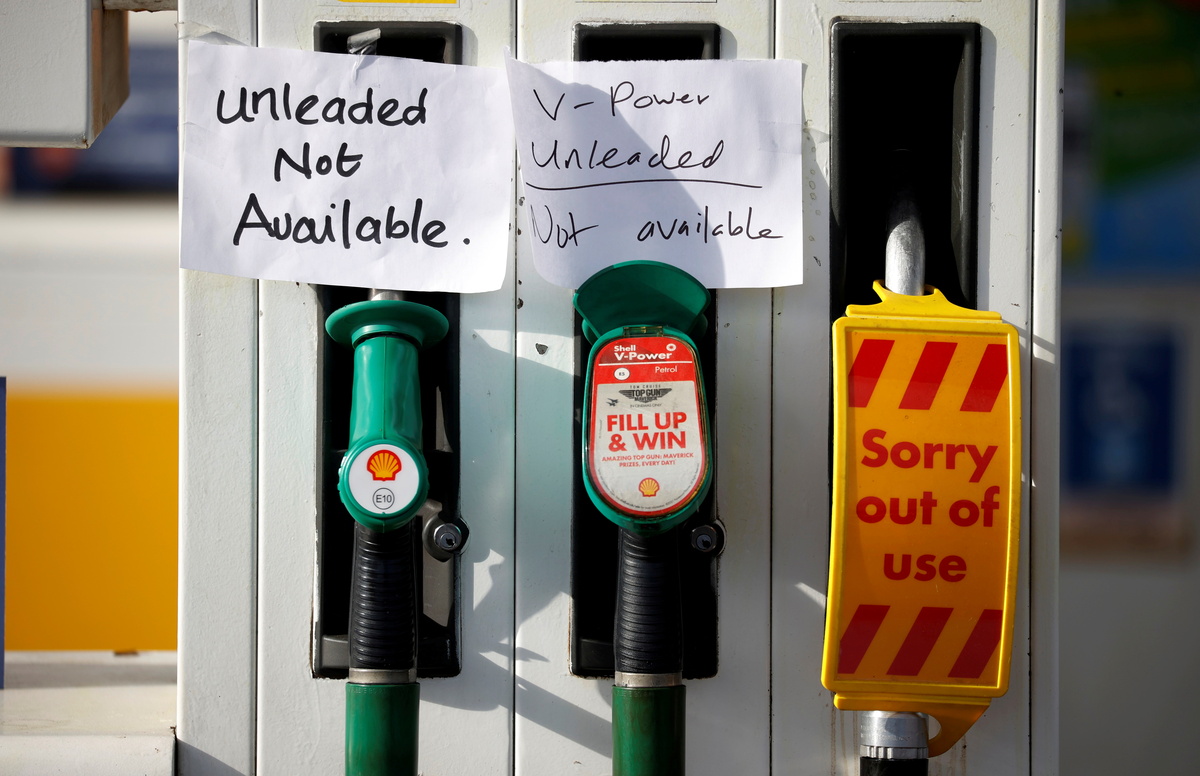
BP said nearly a third of its British petrol stations had run out of the two main grades of fuel on Sunday as panic buying forced the government to suspend competition laws and allow firms to work together to ease shortages.
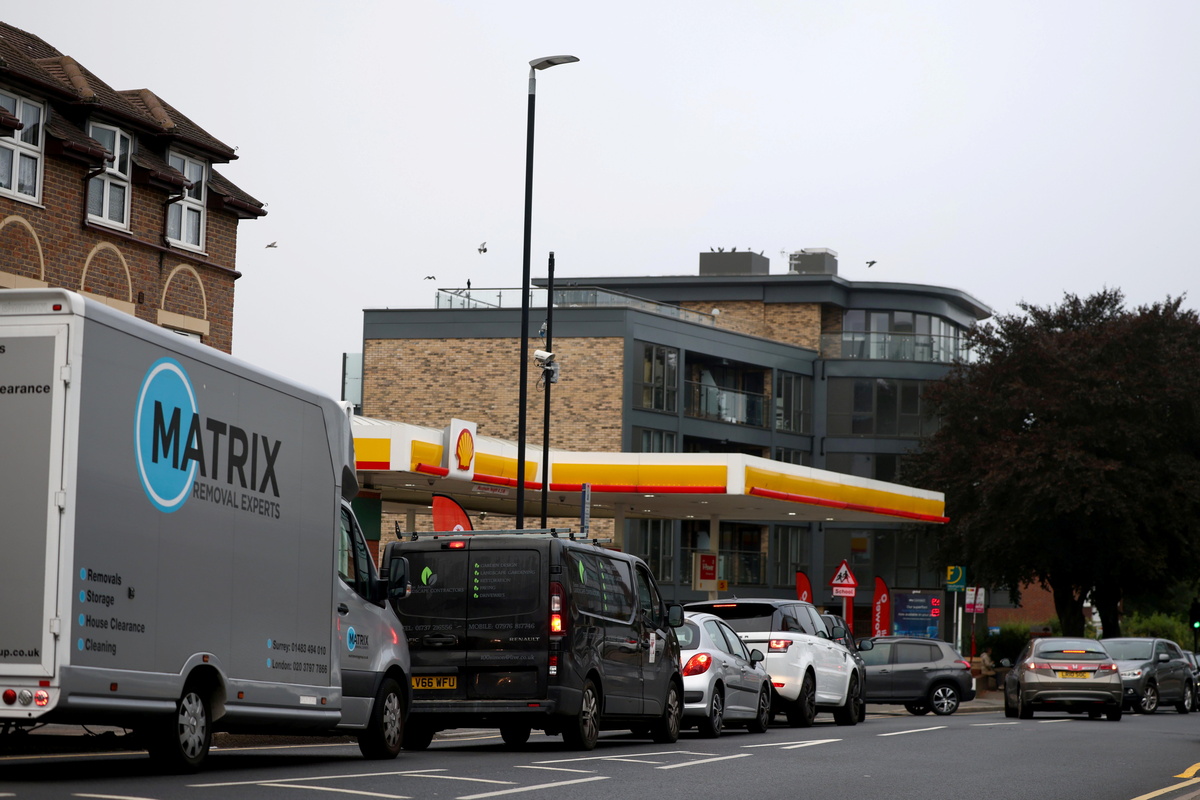
Lines of vehicles formed at petrol stations for a third day running as motorists waited, some for hours, to fill up with fuel after oil firms reported a lack of drivers was causing transport problems from refineries to forecourts.
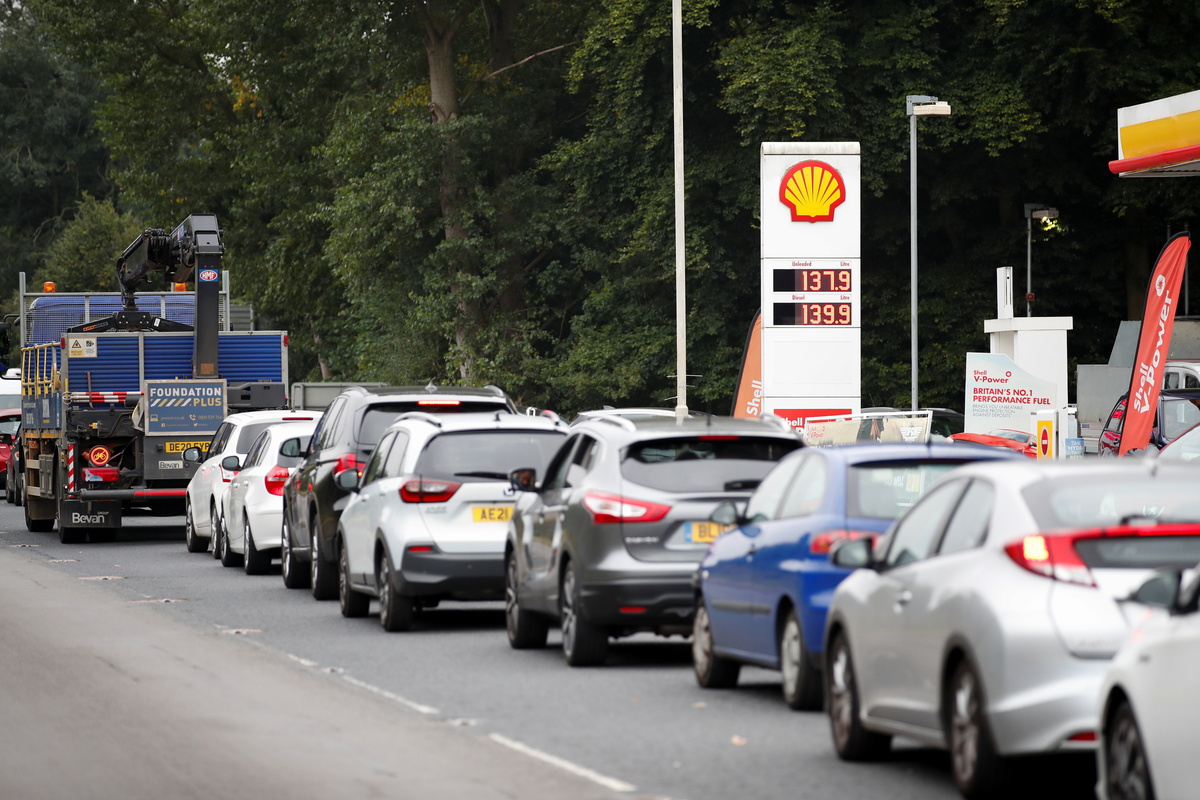
Some operators have had to ration supplies and others to close gas stations.
"With the intense demand seen over the past two days, we estimate that around 30% of sites in this network do not currently have either of the main grades of fuel," BP, which operates 1,200 sites in Britain, said in statement.
"We are working to resupply as rapidly as possible."
The fuel panic comes as Britain faces several crises: an international gas price surge that is forcing energy firms out of business, a related shortage of carbon dioxide that threatens to derail meat production, and a shortage of truck drivers that is playing havoc with retailers and leaving some shelves bare.
Anglo-Dutch oil group Shell said that it had also seen increased demand for fuel.
In response business minister Kwasi Kwarteng said he was suspending competition laws to allow firms to share information and coordinate their response.
"This step will allow government to work constructively with fuel producers, suppliers, hauliers and retailers to ensure that disruption is minimised as far as possible," the business department said in a statement.
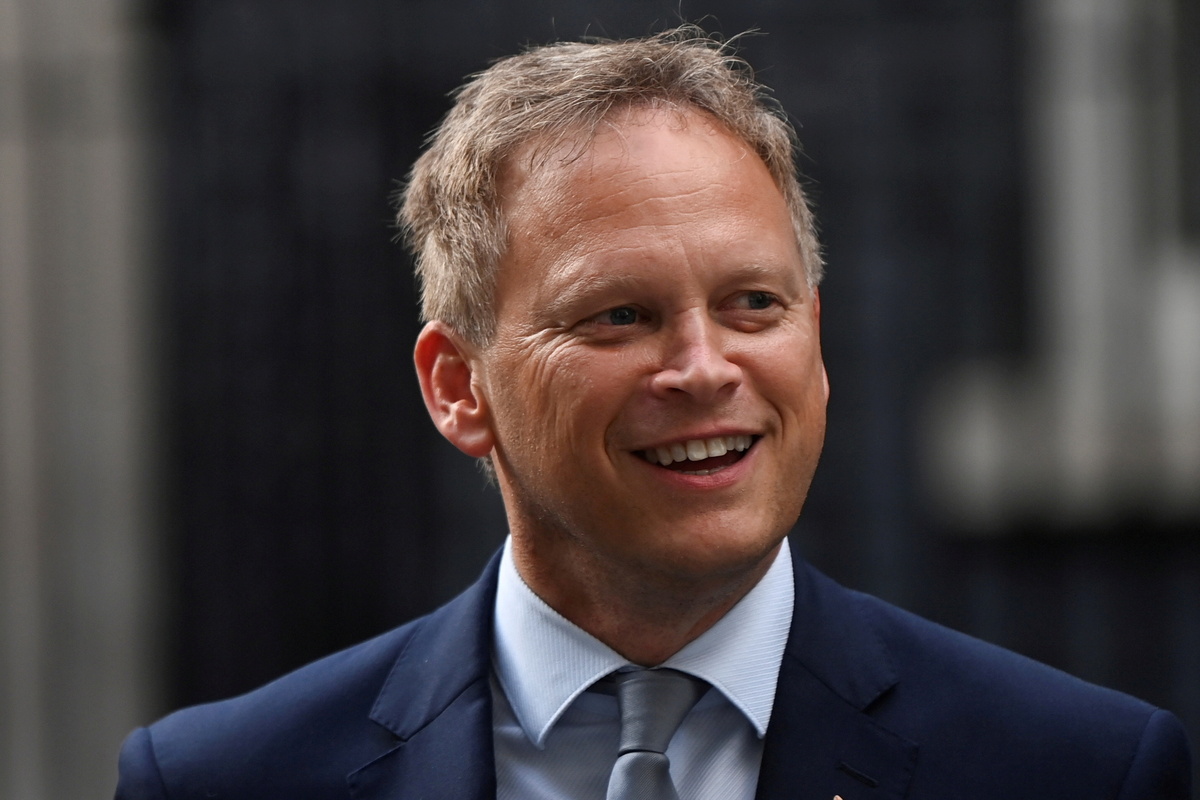
Transport minister Grant Shapps had earlier appealed for calm, saying the shortages were purely caused by panic buying, and that the situation would eventually resolve itself because fuel could not be stockpiled.
"There's plenty of fuel, there's no shortage of the fuel within the country," Shapps told Sky News.
"So the most important thing is actually that people carry on as they normally would and fill up their cars when they normally would, then you won't have queues and you won't have shortages at the pump either."
After meeting Kwarteng, industry figures including representatives from Shell and Exxon Mobil Corp said in a joint statement issued by the business department that they had been reassured, and stressed there was no national fuel shortage.
'MANUFACTURED SITUATION'
Earlier, Shapps said the shortage of truck drivers was down to COVID-19 disrupting the qualification process, preventing new labour from entering the market.
Others pinned the blame on Brexit and poor working conditions forcing out foreign drivers.
The government on Sunday announced a plan to issue temporary visas for 5,000 foreign truck drivers.
But business leaders have warned the government's plan is a short-term fix and will not solve an acute labour shortage that risks major disruption beyond fuel deliveries, including for retailers in the run-up to Christmas.
Shapps called the panic over fuel a "manufactured situation" and blamed it on a hauliers' association.
"They're desperate to have more European drivers undercutting British salaries," he said.
An Opinium poll published in the Observer newspaper on Sunday said that 67% of voters believe the government has handled the crisis badly. A majority of 68% said that Brexit was partly to blame.
Opposition Labour Party leader Keir Starmer, speaking at his party's annual conference in southern England, said ministers had failed to plan for labour shortages following the 2016 Brexit vote and called for a bigger temporary visa scheme.
(Reporting by William James and Elizabeth Piper; Editing by Angus MacSwan, Emelia Sithole-Matarise and Diane Craft)