
You don’t fix a money problem by borrowing from your bank at $35 a pop. That’s the hard truth about overdraft protection. Banks market it as a safety net, a convenience, a way to avoid embarrassment at the checkout line. It sounds responsible. It feels proactive. But before you check that little box or tap “I agree,” you need to understand exactly what you’re signing up for and how it can affect your balance, your habits, and your long-term financial health.
Overdraft protection can serve a purpose in certain situations, and I won’t pretend it never helps anyone. But too many people treat it like free insurance, when in reality it works more like a very expensive, very short-term loan.
1. It’s Not Free Coverage—It’s a Fee Machine
Overdraft protection usually comes with a fee, and that fee often hovers around $30 to $35 per transaction at many major U.S. banks. When your account lacks enough money to cover a purchase and the bank approves it anyway, the bank charges you for that courtesy. If you swipe your debit card three times while your balance sits in the red, you might rack up three separate fees.
Those charges add up fast. The Consumer Financial Protection Bureau has reported that banks collect billions of dollars in overdraft and non-sufficient funds fees each year. One small coffee, one streaming subscription, and one forgotten automatic payment can spiral into over $100 in fees within a day.
2. Opting In Changes How Debit and ATM Transactions Work
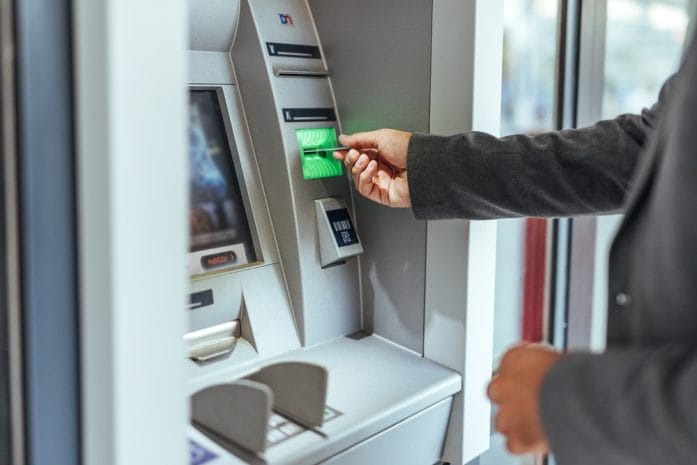
Federal rules require banks to get your consent before they charge overdraft fees on everyday debit card purchases and ATM withdrawals. That rule came from changes implemented after the financial crisis, and it gives you a real choice. If you don’t opt in, your bank cannot charge you an overdraft fee for those specific transactions; it must decline them instead.
However, that protection does not automatically extend to checks or automatic bill payments. Banks can still charge overdraft fees on those transactions even if you never opted in for debit card coverage. That distinction confuses a lot of people. You might assume that declining overdraft protection means you will never see an overdraft fee again, but that assumption misses the fine print.
3. Small Purchases Can Trigger Big Consequences
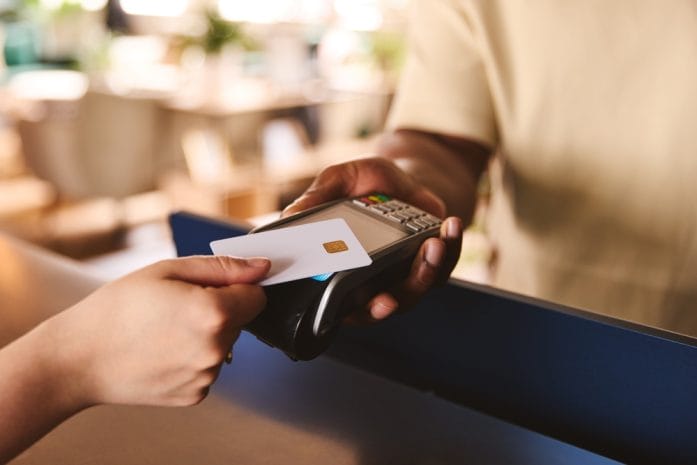
Here’s where things get frustrating. A $5 purchase can generate a $35 fee. That math never feels good. In fact, it creates a situation where the cost of the penalty dwarfs the original transaction.
Banks often process transactions in a specific order, and although many institutions no longer reorder transactions from largest to smallest, the timing of when transactions post can still affect your balance. A pending transaction might not show immediately, and an automatic payment might clear overnight. If you rely only on the “available balance” without tracking upcoming charges, you risk misjudging how much money actually sits in your account.
4. There Are Alternatives That Cost Less
Overdraft protection does not come in just one form. Many banks offer different setups, and some cost far less than the standard per-transaction fee. For example, you can often link your checking account to a savings account. If you overspend, the bank transfers money from savings to checking and charges a smaller transfer fee, or sometimes no fee at all.
Some banks also provide overdraft lines of credit. With that option, the bank covers the shortfall and charges interest on the borrowed amount, similar to a small loan. Interest still costs money, but it often costs less than multiple $35 fees. You should compare the annual percentage rate and any transfer charges before you enroll, because not all lines of credit offer the same terms.
5. Habit and Psychology Matter More Than You Think
Overdraft protection doesn’t just affect your wallet; it affects your behavior. When you know your bank will cover a shortfall, you might feel less urgency to track every dollar. That subtle mental shift can encourage riskier spending, especially during tight months.
On the other hand, declining transactions can create a sharp wake-up call. It forces you to confront your balance in real time. That discomfort can motivate stronger budgeting habits, more frequent account monitoring, and better planning for recurring expenses.
You should ask yourself an honest question: do you want a system that cushions overspending, or one that prevents it? Neither choice makes you irresponsible or irresponsible; it simply reflects your financial habits and your tolerance for fees. If you struggle with tracking expenses, you might benefit more from budgeting apps, calendar reminders for bills, and automatic transfers into savings than from a high-fee safety net.
Control or Convenience?
Overdraft protection promises convenience, but convenience rarely comes free. Every opt-in decision shapes how your bank treats your money and how you treat your own spending. When you understand that overdraft coverage often functions as a costly, short-term loan rather than a harmless courtesy, you gain the power to decide intentionally instead of impulsively.
Overdraft protection can serve a purpose in emergencies, but it should never replace awareness and planning. When you treat it as a last resort instead of a routine backup, you protect both your balance and your peace of mind.
What choice have you made about overdraft protection, and has it worked out the way you expected? Talk about it in our comments section below.
You May Also Like…
5 Outrageous Fees Hidden in Everyday Banking Services
How Can Small Banking Errors Snowball Into Huge Losses
6 Data-Scraping Features in Online Banking
5 Unnecessary Fees Your Bank Is Charging You Without Your Permission (Read The Fine Print)
Banks Are Still Charging Daily Overdraft Fees After Accounts Go Negative
The post Before You Opt In: 5 Things Many Customers Miss About Overdraft Protection appeared first on The Free Financial Advisor.